

Family Shared Pretend Play Simple Ways to Join Without Leading
Does family shared pretend play really help parents connect without taking over?
Family shared pretend play helps parents join a child’s imaginary world by following the child’s lead instead of directing it. By observing cues, responding simply, and using familiar elements like jeux miniature or minecraft miniature scenes, parents can build trust, extend playtime, and strengthen emotional connection without control.
Family Shared Pretend Play: Simple Ways to Join Without Leading
Family shared pretend play sounds simple, yet many parents freeze when invited into a child’s imaginary world. Should you talk? Should you fix the story? This guide shows how to join gently, using everyday cues and shared interests like jeux miniature and minecraft miniature scenes to build connection without pressure.
⏱ 7 min read
Have you ever sat on the floor holding a tiny figure, unsure what to say next? Many parents worry they’ll “do it wrong” and accidentally take over. The good news: meaningful play doesn’t require creativity or performance. It starts with noticing, waiting, and responding.
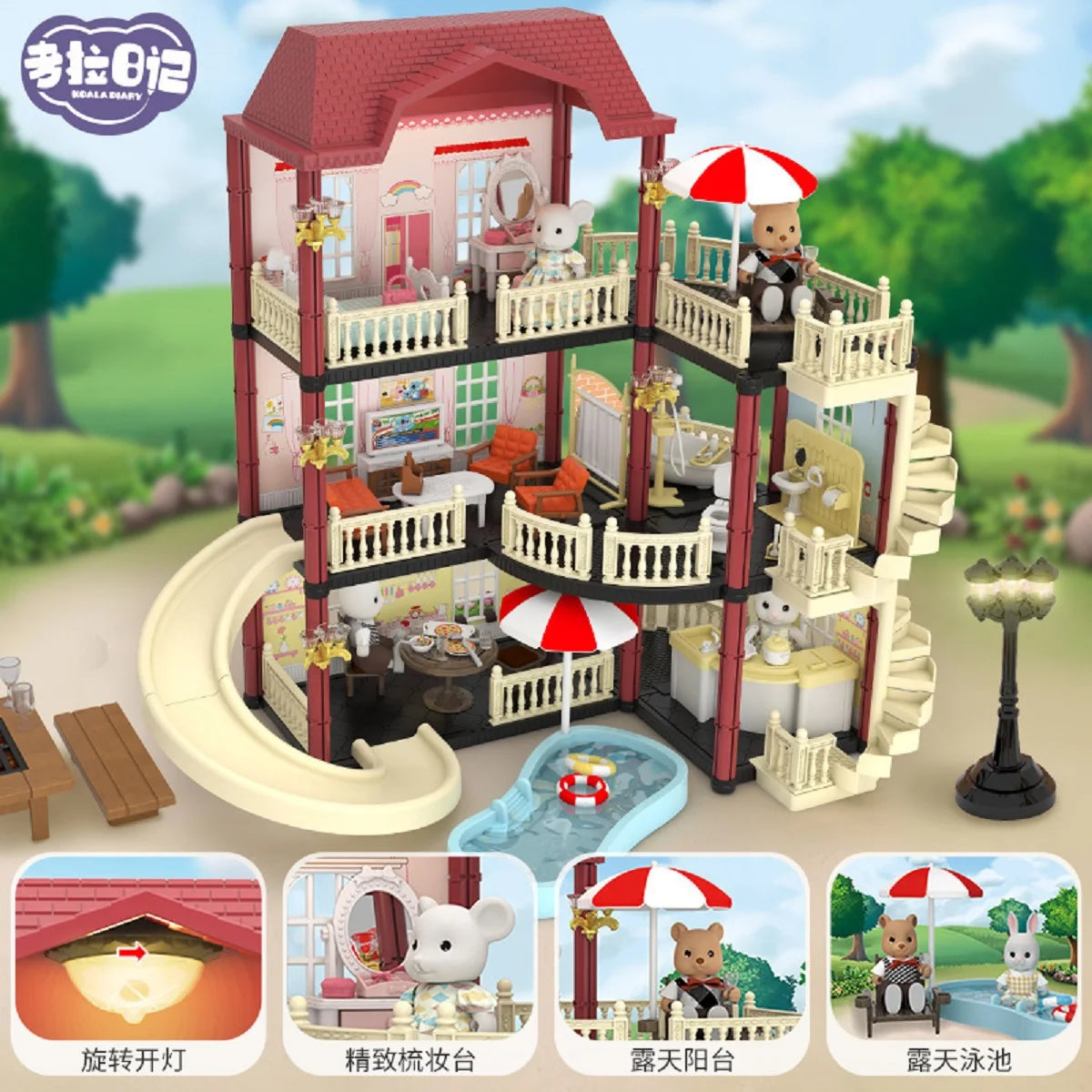
Family shared pretend play with jeux miniature — 💡 See it in action
What Is Family Shared Pretend Play?
Family shared pretend play is when parents or caregivers enter a child’s imaginary play as a participant, not a director. The adult follows the child’s ideas, responds to cues, and supports the story without correcting or controlling it.
Why Following Matters More Than Leading
Family shared pretend play builds confidence because children feel seen and respected. When adults lead too much, play can turn into instruction. When adults follow, play becomes connection.
- Children stay engaged longer
- Fewer power struggles during play
- Stronger emotional bonding
- More natural language and creativity
Parents often notice calmer behavior after play sessions where the child stayed in control.
How to Join Pretend Play Without Leading
Family shared pretend play works best when adults use simple, supportive actions. You don’t need a script or storyline.
- Watch first. Pause and notice what your child is doing before speaking.
- Mirror actions. Copy small movements instead of adding new ideas.
- Use comments, not questions. Say “The dragon is sleeping” instead of “Should it wake up?”
- Accept all ideas. Even unexpected or silly twists are part of learning.
What If You Feel Awkward?
Feeling awkward is normal. Silence is okay. Many children prefer quiet presence over constant talking. Sitting nearby and holding a figure is often enough.
Using Jeux Miniature and Minecraft Miniature Worlds
Small worlds make it easier to join play without taking over. Jeux miniature sets give children a clear structure, while minecraft miniature scenes offer familiar themes kids already love.
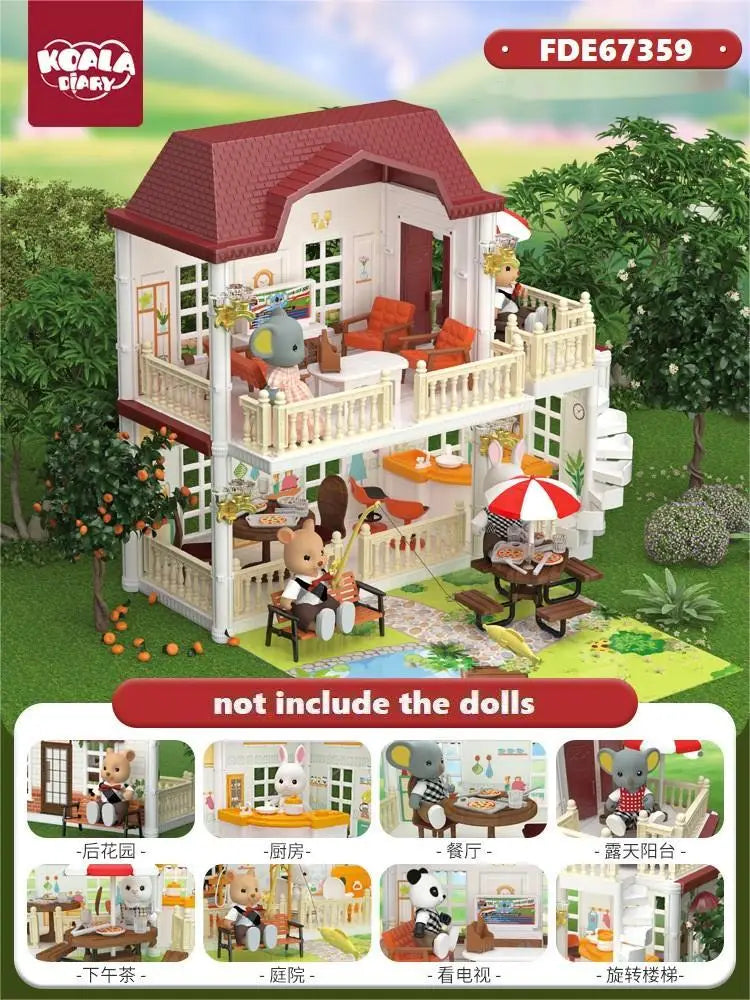
Minecraft miniature scenes support family shared pretend play — 💡 See it in action
Because the world is already defined, parents can simply react instead of inventing.
- Mini figures reduce pressure to “perform”
- Familiar themes help parents relate
- Contained scenes keep play focused
Many families combine pretend play with items from Baby Growth & Learning to support imagination without screens.
Common Mistakes and Gentle Fixes
| Common Habit | Try This Instead |
|---|---|
| Correcting the story | Accept the child’s version |
| Asking too many questions | Make simple observations |
| Introducing new rules | Let rules change naturally |
| Turning play into teaching | Focus on connection first |
Parents who shift these habits often see longer, calmer play sessions within days.
Making Pretend Play Easier at Home
Setting up the environment matters. Keep toys accessible, limit clutter, and choose items that invite open-ended stories.
Many families find that combining pretend play toys with Sensory Toys helps children settle into play more quickly.
For themed imaginative play, a simple centerpiece like a miniature dollhouse princess castle can anchor stories without directing them.
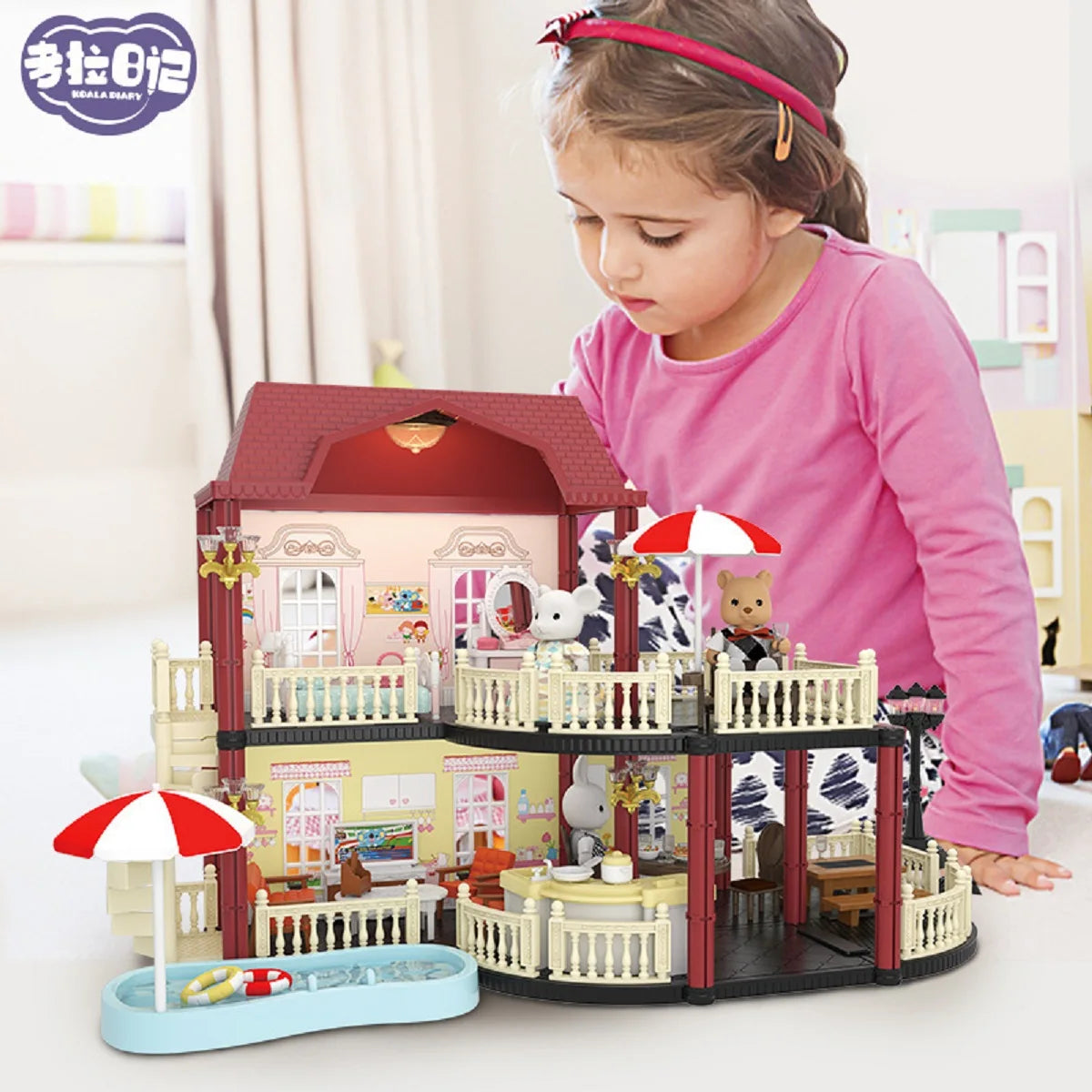
Family shared pretend play with jeux miniature settings — 💡 See it in action
Parents often share that once they stop leading, children invite them into play more often.
Mini FAQ
How long should family shared pretend play last?
Even 5–10 minutes of focused, child-led play can make a difference. Quality matters more than duration.
What if my child wants me to lead?
You can gently redirect by asking what your role should be or by copying their actions instead of creating new ones.
Is pretend play still helpful for older kids?
Yes. Older children often use miniature worlds, like minecraft miniature scenes, to explore emotions and problem-solving.
Related Guide: How to Encourage Imaginative Play at Home Step by Step





