

Fine Motor Skill Activities: Best Kits for Skill Building
Do fine motor skill activities really help kids develop stronger coordination?
Fine motor skill activities help children strengthen the small muscles in their hands and fingers through playful, hands-on practice. Activities like clay sculpting, threading, and sensory play improve control, focus, and coordination. For preschoolers experiencing fine motor skill delays, consistent practice with engaging kits can significantly support everyday tasks such as writing, buttoning, and drawing.
Fine Motor Skill Activities: Best Kits for Skill Building
Fine motor skill activities can transform how children develop coordination, focus, and confidence. The right kits combine hands on sensory learning activities with playful challenges that strengthen small muscles and improve control. They are especially helpful for addressing fine motor skill delays preschoolers may experience while keeping learning fun. Many parents also love montessori style clay learning activities for their creativity and tactile benefits. Curious which kits make the biggest difference for growing hands?
⏱ 8 min read
Many parents notice it early: a child struggling to grip crayons, button clothing, or hold small toys. These little tasks depend on fine motor control, and the good news is that playful learning kits can help build these skills naturally.
Which activity kits truly help children strengthen coordination while keeping learning fun? Read on to discover practical options parents love.
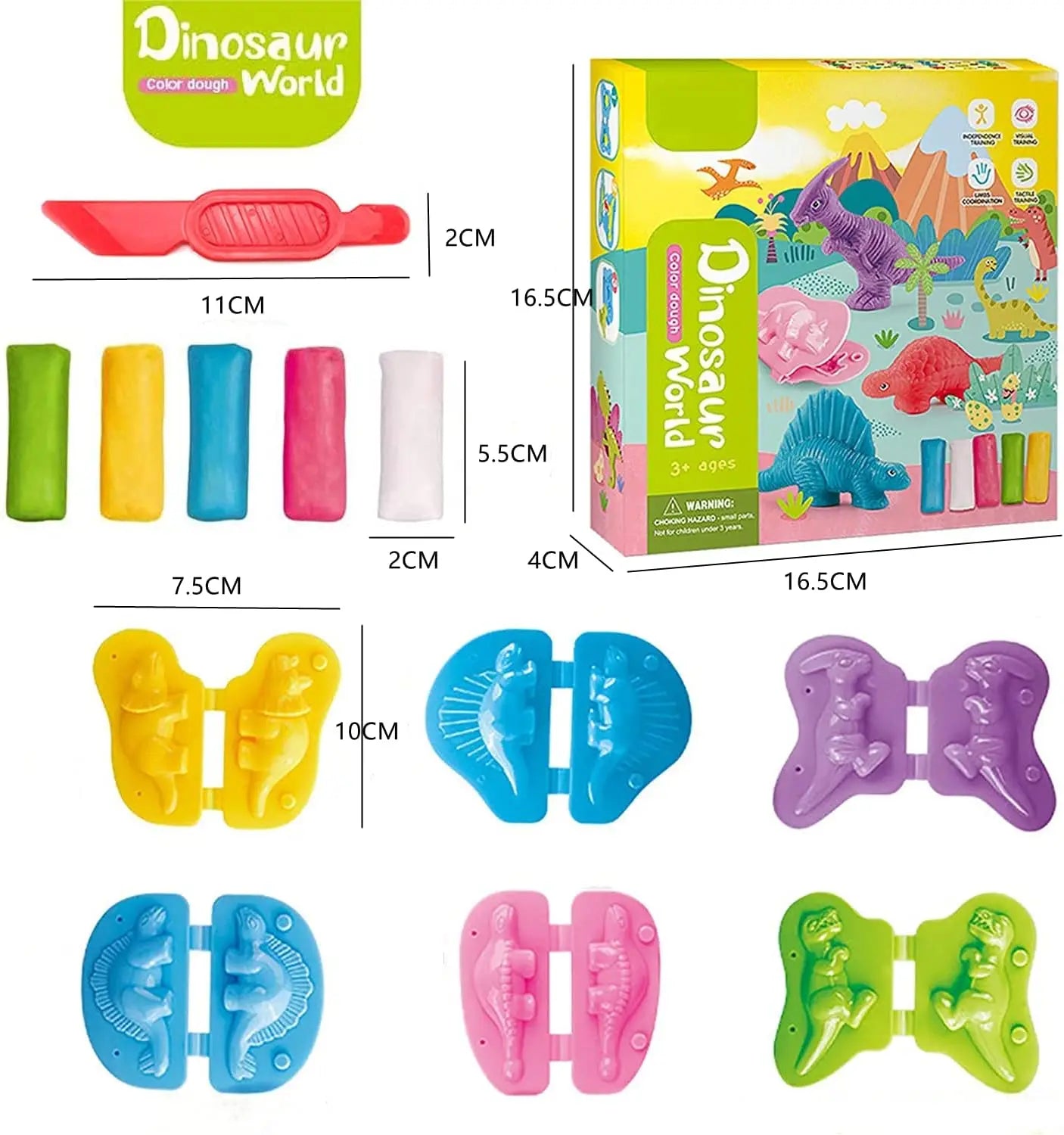
Fine motor skill activities through hands on sensory learning activities help build coordination and creativity. 💡 See it in action.
Why Fine Motor Skills Matter for Early Development
Fine motor skills involve the small muscles in the hands and fingers that control precise movements.
These skills help children perform daily tasks such as:
- Holding pencils or crayons
- Buttoning clothes
- Cutting paper with scissors
- Using utensils while eating
Without consistent practice, children may struggle with these activities later in school.
Hands on sensory learning activities allow kids to strengthen these muscles naturally through play. Parents often find these activities more engaging than worksheets or traditional drills.
Many families also combine activity kits with educational toys found in the Baby Growth & Learning collection to encourage exploration and skill development.
Best Fine Motor Skill Activities Kits Compared
Fine motor skill activities kits come in many forms, but the most effective ones combine creativity, tactile exploration, and problem solving.
| Activity Kit Type | Skill Focus | Best For | Pros | Considerations |
|---|---|---|---|---|
| Clay Modeling Kits | Finger strength and shaping | Creative learners | Boosts imagination and grip strength | Can be messy |
| Threading Bead Sets | Hand-eye coordination | Pattern recognition | Improves focus | Requires supervision |
| Sticker & Sorting Kits | Precision control | Independent play | Easy and portable | Less sensory feedback |
| Clay Sensory Play Kits | Multi-sensory development | Hands on learners | Encourages storytelling play | Needs storage care |
Among these, clay sensory kits stand out because they combine storytelling, tactile learning, and creativity in one activity.
Why Parents Love Clay-Based Learning Kits
- Encourage squeezing, rolling, and pinching motions
- Stimulate creativity and storytelling
- Improve grip strength naturally
- Reduce screen time through imaginative play
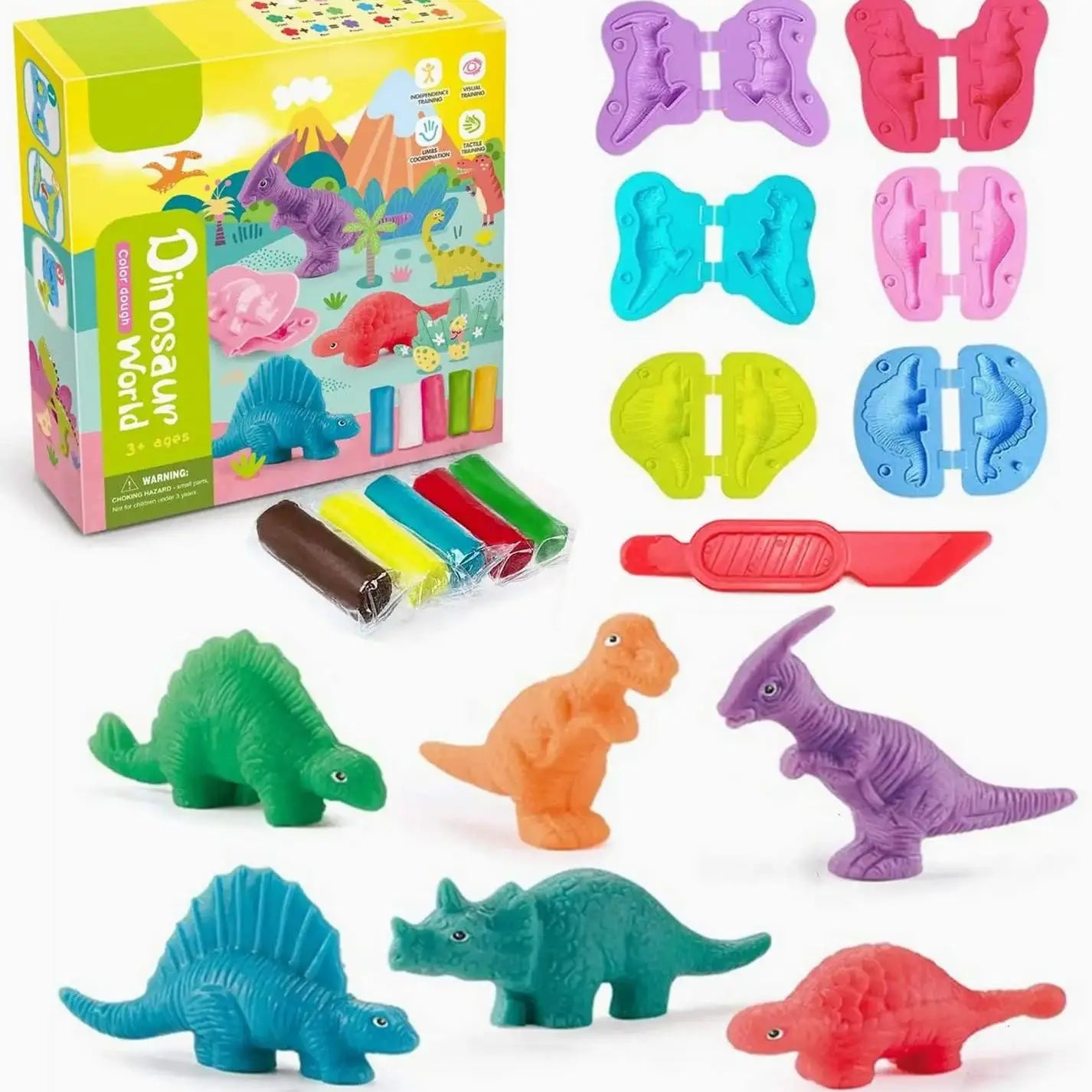
Montessori style clay learning activities encourage hands on sensory learning activities for stronger coordination. 💡 See it in action.
How Montessori Style Clay Activities Strengthen Small Muscles
Montessori style clay learning activities focus on independence, creativity, and tactile exploration.
Instead of following strict instructions, children are encouraged to build, mold, and explore.
For example, a dinosaur-themed clay kit encourages kids to shape volcanoes, eggs, or tiny creatures using their fingers.
Each action—rolling, flattening, squeezing—builds the hand muscles needed for writing and drawing.
Many parents pair sensory clay play with other items from the Sensory Toys collection to create a complete sensory learning environment.
Common Signs of Fine Motor Skill Delays in Preschoolers
Every child develops at their own pace. However, certain signs may suggest a need for additional fine motor practice.
- Difficulty holding crayons or pencils
- Trouble stacking small blocks
- Struggling with zippers or buttons
- Avoiding drawing or craft activities
- Weak grip when holding objects
If you notice these signs, introducing playful fine motor skill activities can help strengthen those muscles in a relaxed, pressure-free way.
Structured play combined with creative tools often leads to steady improvement.
How to Choose the Right Skill-Building Kit
With so many preschool learning kits available, choosing the right one can feel overwhelming.
Here are a few helpful guidelines parents use:
- Choose multi-sensory materials – Clay, textures, and tools improve engagement.
- Look for open-ended play – Kids learn more when they create freely.
- Prioritize safety – Non-toxic materials and smooth tools are essential.
- Consider age range – Activities should match your child's skill level.
Parents often explore collections like Baby Growth & Learning Tips for more ideas on supporting early development through play.
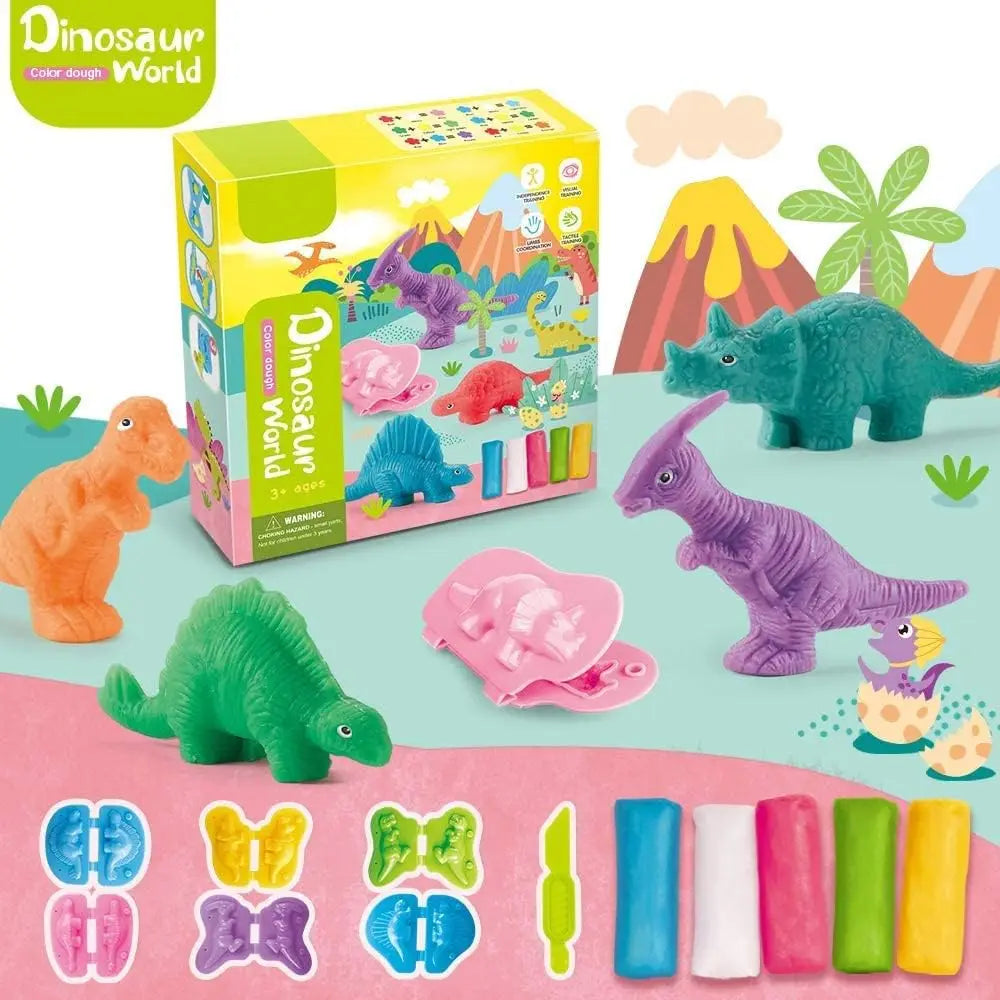
Fine motor skill activities using montessori clay activities encourage creativity and stronger hand coordination. 💡 See it in action.
What Parents Say After Trying These Kits
Many parents report noticeable improvements after adding sensory play kits into daily routines.
Here are some experiences commonly shared by families:
- Children become more confident holding crayons.
- Craft activities last longer because kids stay engaged.
- Screen time decreases as creative play increases.
- Kids develop storytelling and imaginative thinking.
Parent review:
“My four-year-old used to avoid drawing. After playing with clay sensory kits for a few weeks, she started shaping letters and animals. Her hand strength improved dramatically.”
Another parent shared that clay activities helped their child focus for longer periods during preschool learning time.
Frequently Asked Questions
What age should children start fine motor skill activities?
Most children can begin simple fine motor skill activities around age two. At this stage, squeezing clay, stacking blocks, and sorting shapes help strengthen finger muscles while supporting coordination and creativity.
Can sensory play improve fine motor skill delays preschoolers experience?
Yes. Hands on sensory learning activities like clay modeling, bead threading, and sorting games can strengthen finger muscles and improve hand control. Consistent play-based practice often helps preschoolers gradually build the coordination needed for everyday tasks.
Why are montessori style clay learning activities effective?
Montessori style clay learning activities encourage children to explore textures, shapes, and creative storytelling. These movements strengthen finger muscles, improve grip control, and help children develop confidence while learning through open-ended play.
Pillar Article: Preschool Dinosaur Craft Ideas: Best Kits Compared
Other Related Articles:
- Educational Dinosaur Toys: Top Sets Ranked for Learning
- Sensory Toys for 4 Year Olds: Best Options Reviewed
- Non Toxic Modeling Clay: Top Safe Picks for Preschoolers
- Dino Play Doh Set vs Clay Kits: Which Is Better for Kids
Explore More:





