

Sensory Play for 3 Year Olds: How to Start at Home
Does sensory play for 3 year olds really help development?
Sensory play for 3 year olds strengthens brain connections by engaging touch, sight, and movement at the same time. Simple activities like playdough, water bins, or texture games improve focus, language, and fine motor skills while helping children regulate emotions and stay calm during daily routines.
Sensory Play for 3 Year Olds: How to Start at Home
⏱ 6 min read — If your toddler gets bored quickly, avoids activities, or turns playtime into chaos, you’re not alone. Many parents struggle with sensory play not engaging enough or feeling too messy. The good news? With a few smart tweaks, sensory play for 3 year olds can become calm, focused, and incredibly fun—right at home.
Which sensory activities actually keep your child engaged longer? Keep reading—you might be surprised how simple the answer is.
👉 Curious where to begin? Explore safe and engaging options in Sensory Toys designed for hands-on learning at home.
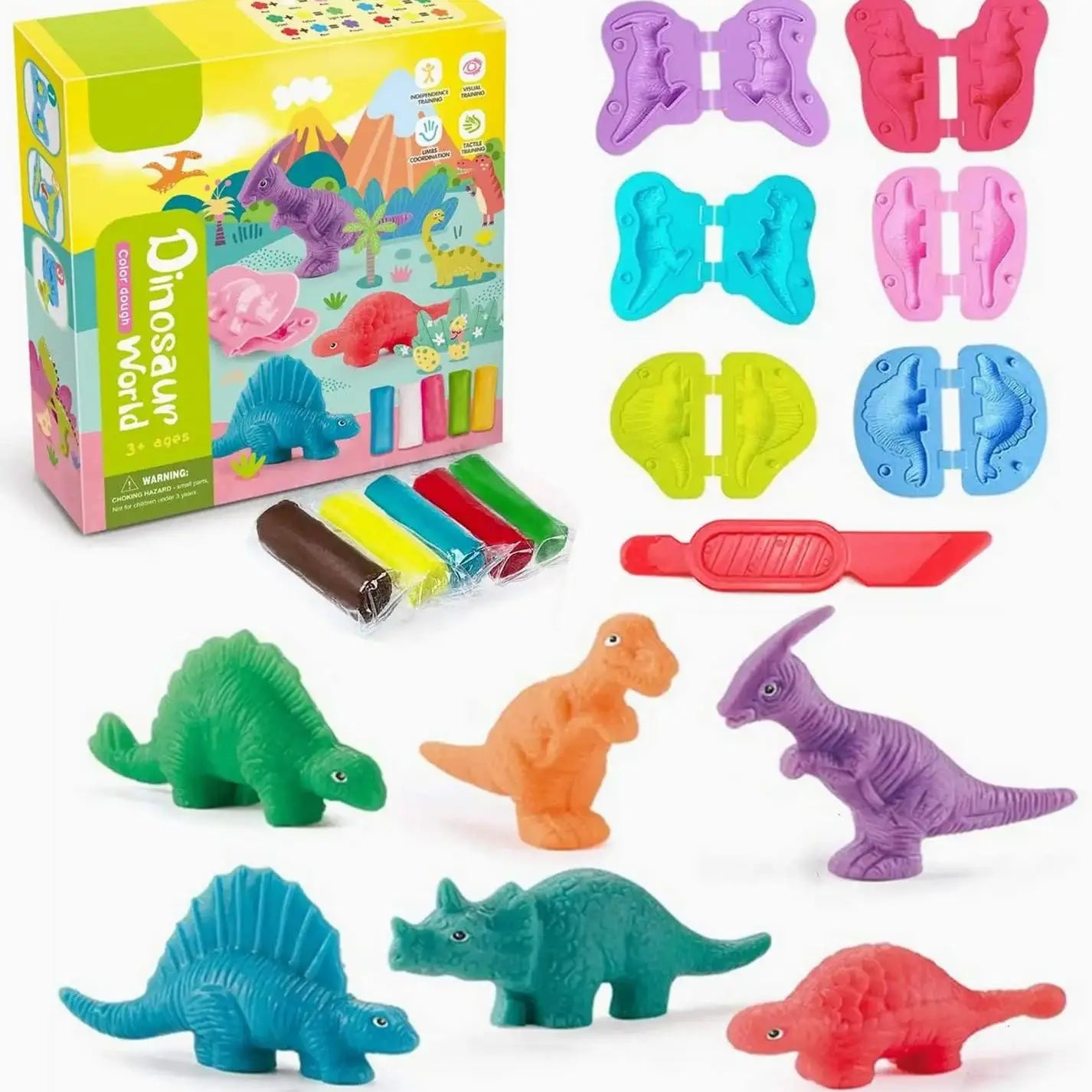
Simple sensory play for 3 year olds using creative tools 💡 See it in action
What Is Sensory Play for 3 Year Olds?
Sensory play includes any activity that stimulates your child’s senses—touch, sight, sound, smell, and movement. At age three, children learn best through hands-on exploration.
Instead of memorizing or sitting still, they learn by squishing, pouring, building, and experimenting.
- Touch: playdough, sand, water
- Sight: colors, patterns, sorting
- Sound: pouring rice, tapping objects
- Movement: scooping, squeezing, stacking
These preschool sensory development activities at home build real-life skills through play.
Why Sensory Play Builds Focus and Calm
Sensory play isn’t just fun—it helps your child regulate emotions and stay engaged longer.
- ✅ Improves attention span
- ✅ Strengthens fine motor skills
- ✅ Encourages problem-solving
- ✅ Reduces frustration and meltdowns
- ✅ Supports early language development
Many parents notice that after just 10–15 minutes of sensory play, their child becomes calmer and more cooperative.
| Without Sensory Play | With Sensory Play |
|---|---|
| Short attention span | Longer focused play |
| Frequent boredom | Self-directed creativity |
| Emotional outbursts | Better emotional control |
How to Start Sensory Play at Home (Step-by-Step)
Sensory play for 3 year olds doesn’t need fancy setups. Follow these simple steps to get started today.
- Choose one material: Start with playdough, rice, or water.
- Set boundaries: Use a tray or bin to contain the mess.
- Add simple tools: Cups, spoons, or molds increase engagement.
- Keep it short: Begin with 10–15 minutes.
- Let your child lead: Avoid over-instructing—exploration is key.
This approach removes pressure and makes play feel natural, not forced.
👉 Want a ready-made solution? Try the dinosaur playdough set to instantly create fun, structured play without extra prep.
Easy Sensory Activities That Actually Work
If you’ve tried sensory play before and it didn’t stick, these ideas are designed to keep kids engaged longer.
1. Playdough Imagination Play
Give your child themed tools like dinosaurs or shapes. This adds storytelling to sensory exploration.
2. Rice Pouring Station
Fill a bin with rice and provide cups, funnels, and spoons. Kids love pouring and transferring.
3. Water Scoop & Splash
Use warm water with small toys. Add bubbles for extra excitement.
4. Texture Treasure Hunt
Hide small objects in sand or beans and let your child find them.
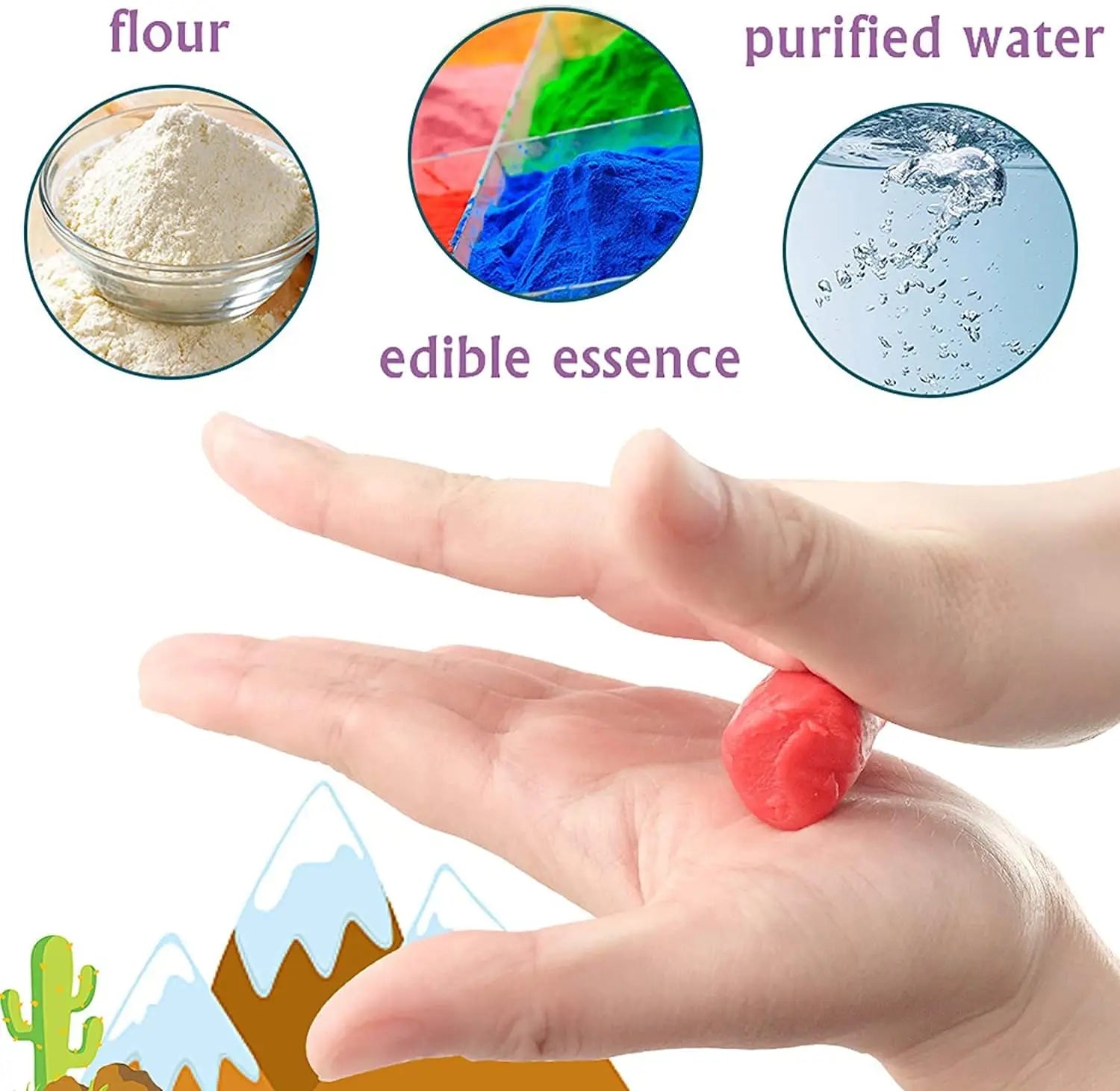
Preschool sensory development activities at home made fun and engaging 💡 See it in action
Fixing “Sensory Play Not Engaging Enough”
If your child loses interest quickly, the issue usually isn’t the activity—it’s how it’s presented.
- ❌ Too repetitive → ✅ Add themes (dinosaurs, animals)
- ❌ Too easy → ✅ Add challenges (hide objects, sorting)
- ❌ Too messy → ✅ Use contained bins
- ❌ Too guided → ✅ Let child explore freely
Small changes can turn boring play into exciting discovery.
Real parent insight: “Once I added themed tools, my son played independently for 25 minutes straight!”
Parents Guide Sensory Toys Age Three
Choosing the right tools makes all the difference. The best sensory toys balance fun, safety, and learning.
- Soft, moldable textures (like playdough)
- Easy-to-grip tools for small hands
- Non-toxic and safe materials
- Open-ended designs (no single “right” way to play)
Explore thoughtfully designed options in Baby Growth & Learning to support development through play.
For parents who want less prep and more results, the dinosaur playdough set combines creativity, fine motor practice, and storytelling in one simple setup.
👉 Learn how to choose the right setup for your child and explore beginner-friendly tools in Sensory Toys.
Create a Simple Daily Sensory Routine
Consistency matters more than complexity. A short daily routine can make a big difference.
- Morning: 10-minute calming sensory play
- Afternoon: Active exploration (water, pouring)
- Evening: Relaxing textures (playdough, soft materials)
This helps children transition between activities and reduces stress throughout the day.
Pair sensory time with comfort-focused products from Sleep & Comfort to create a calming environment.
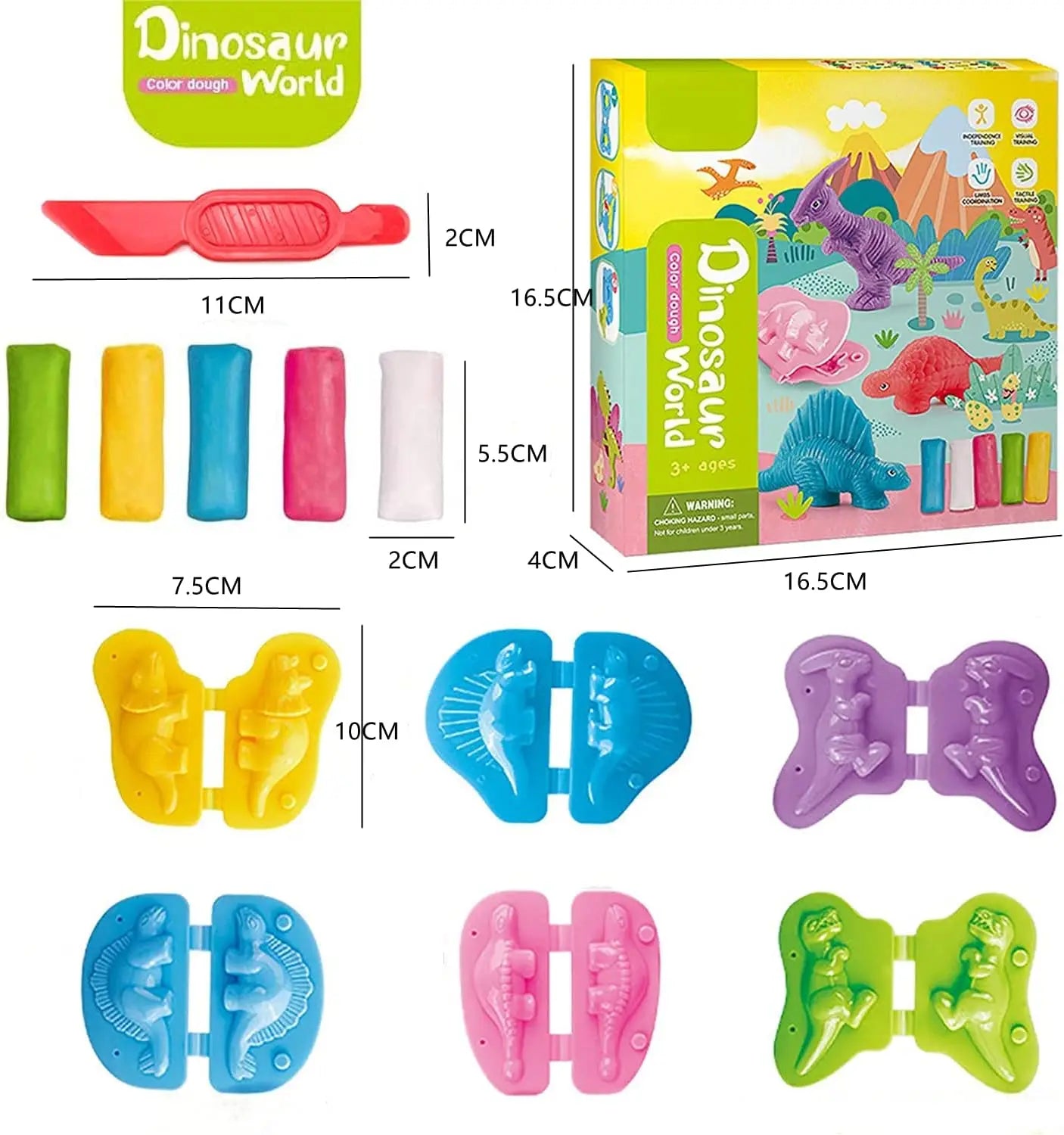
Parents guide sensory toys age three for better focus and creativity 💡 See it in action
Why This Simple Setup Works So Well
The reason sensory play succeeds is simple: it meets your child where they are—curious, active, and eager to explore.
- No pressure to perform
- No strict rules
- Just hands-on discovery
That’s why tools like the dinosaur playdough set work so effectively—they turn learning into play without extra effort from parents.
👉 Get yours now — limited stock! Make playtime easier, calmer, and more meaningful starting today.
FAQ
What is the best sensory play for 3 year olds?
Playdough, water bins, and rice pouring are among the best sensory activities because they engage multiple senses and encourage creativity while building fine motor skills.
How long should sensory play last?
Start with 10–15 minutes. As your child becomes more engaged, sessions can naturally extend to 20–30 minutes.
What if my child makes a mess?
Use trays, mats, or bins to contain materials. Choosing the right setup reduces stress and keeps play manageable.
Are sensory toys necessary?
Not always, but well-designed tools can boost engagement and make activities easier to set up and more enjoyable for both parent and child.
Pillar Article: Home Preschool Activities: How to Build Fun Learning Routines
Other Related Articles:
- Montessori Sensory Toys: How to Use Them Effectively
- Dinosaur Clay Model: How to Make Fun Dino Creations
- Modeling Play Dough: How to Boost Creativity Step by Step
Explore More:





