

Fine Motor Skill Development Toy: How to Improve Hand Control
Does a fine motor skill development toy really improve hand control?
A fine motor skill development toy strengthens small hand muscles through guided play like grasping, sorting, stacking, and problem solving. These focused movements improve coordination, grip strength, and finger control while also supporting developing math skills in early childhood through counting and pattern recognition.
Fine Motor Skill Development Toy: How to Improve Hand Control
⏱ 6 min read — Watching your child struggle to hold a pencil, button clothes, or stack blocks can be worrying. The good news? The right fine motor skill development toy can turn everyday play into powerful hand-strengthening practice while boosting confidence, coordination, and early learning.
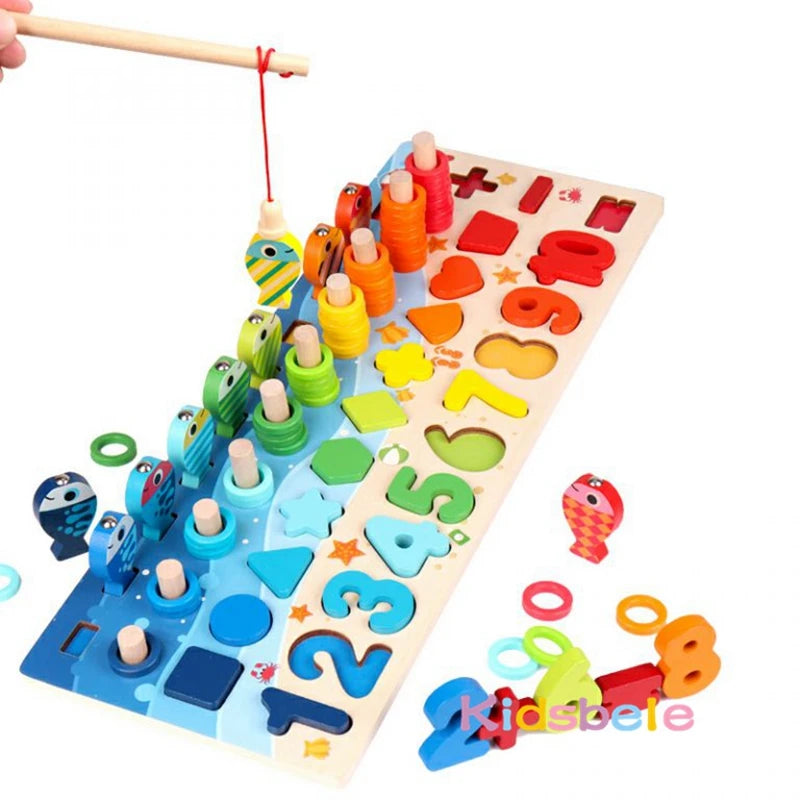
Fine motor skill development toy for preschool learning — 💡 See it in action
Which toy actually helps little hands grow stronger faster? Many parents discover that hands-on learning tools designed for precision play make a visible difference in just weeks.
If you’re looking for proven tools that build coordination while keeping kids happily engaged, explore hands-on learning options from Baby Growth & Learning and tactile play favorites from Sensory Toys.
Why Hand Control Matters in Early Childhood
Fine motor skills are the foundation for writing, self-feeding, dressing, and classroom tasks.
When hand muscles are weak, children may:
- Drop objects easily
- Avoid drawing or coloring
- Struggle with buttons and zippers
- Get frustrated during learning activities
Strong hands lead to independence, confidence, and smoother learning transitions.
What Makes the Best Fine Motor Skill Development Toy?
A fine motor skill development toy works best when it combines gripping, sorting, rotating, and problem solving into fun challenges. High-quality motor skills development toys encourage repeated hand movements that strengthen fingers while keeping children focused longer than passive play.
Key features to look for
- Easy-to-grasp wooden or chunky pieces
- Color matching and counting elements
- Puzzle-style assembly
- Progressive difficulty levels
One parent-favorite learning tool combines counting, shape matching, and hand control into one engaging set: Montessori Math Toy Wooden Puzzle.
It encourages precision movement while introducing early numbers naturally.
Step-by-Step Play Activities That Build Strong Hands
- Have your child grasp puzzle pieces using thumb and fingers only
- Match colors to their corresponding slots
- Count pieces aloud while placing them
- Remove and reinsert pieces in different orders
- Time friendly challenges for added focus
Just 10–15 minutes a day can create noticeable improvements within weeks.
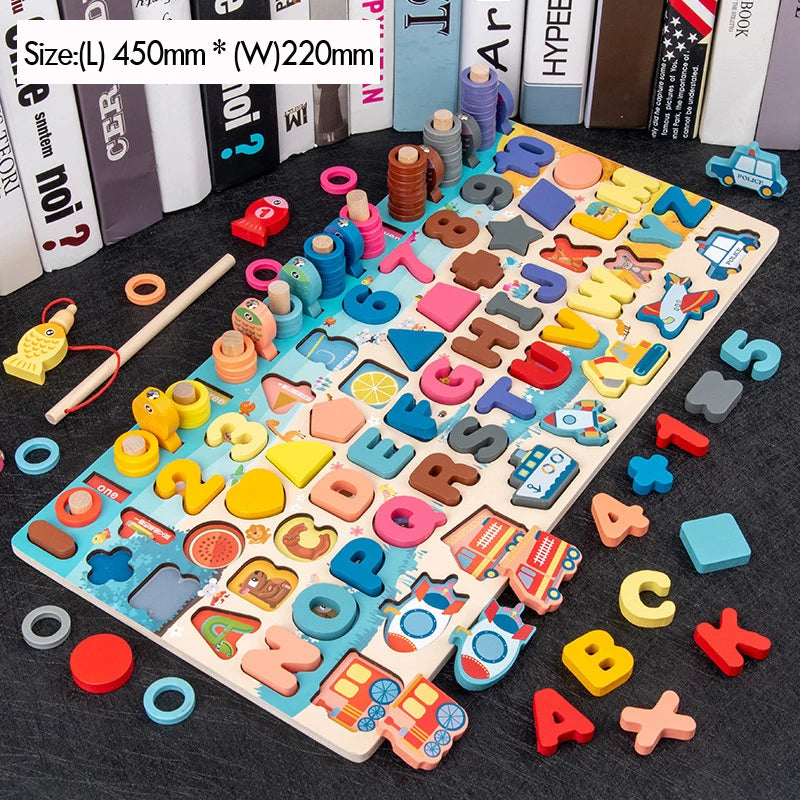
Fine motor skill toys for preschoolers improving grip strength — 💡 See it in action
Pair focused play with movement learning tools from Mobility & Training to support full body coordination growth.
How Play Builds Developing Math Skills in Early Childhood
Fine motor skill toys for preschoolers do more than strengthen hands — they sharpen early math thinking.
Children naturally practice:
- Counting objects
- Recognizing number patterns
- Sorting by color and size
- Understanding sequence and order
This makes learning feel effortless instead of forced.
Hands-on educational tools from Baby Growth & Learning reinforce both physical coordination and cognitive growth.
Real Parent Results and Progress Stories
Emily, mom of 4-year-old Leo: “Within two weeks, Leo could hold crayons longer without getting tired. He actually asks to play with his puzzle every day.”
Jason, dad of preschool twins: “We saw better hand control and counting skills at the same time. Huge confidence boost.”
Preschool teacher feedback: Many classrooms using motor skills development toys report improved writing readiness within one month.
How to Choose the Right Toy for Your Child’s Age
| Age Range | Best Focus | Toy Style |
|---|---|---|
| 2–3 years | Grasping & sorting | Large colorful pieces |
| 3–4 years | Matching & stacking | Shape puzzles |
| 4–5 years | Counting & patterns | Number-based puzzles |
For multi-skill growth in one set, many parents start with the Montessori Math Toy Wooden Puzzle because it adapts as children improve.
Complement learning time with calming routines using products from Sleep & Comfort to support healthy development rhythms.
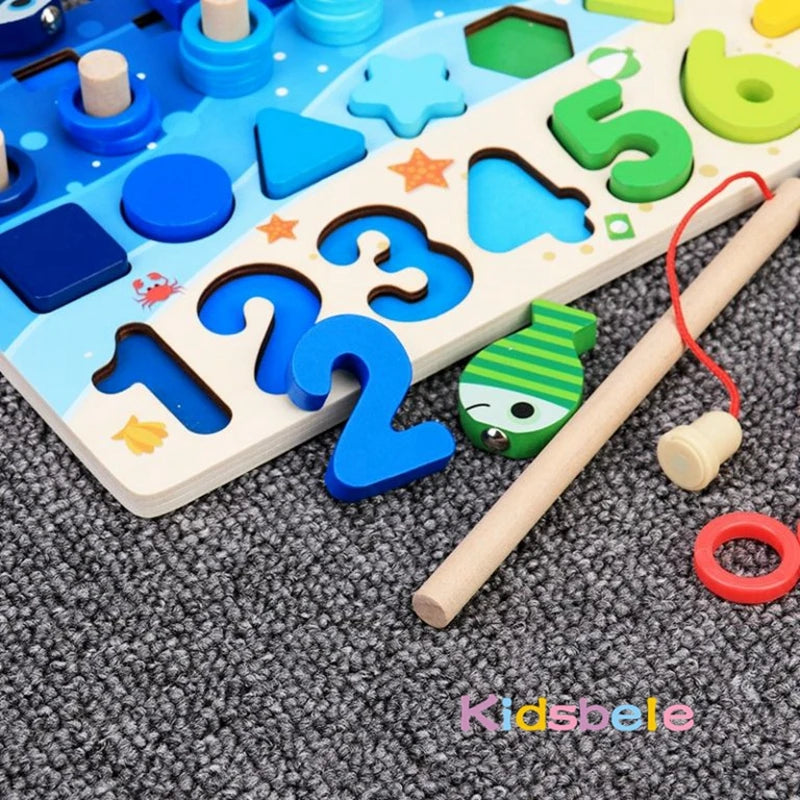
Motor skills development toys boosting coordination and focus — 💡 See it in action
Quick Parent FAQs
How often should children use fine motor toys?
Short daily sessions of 10–15 minutes are ideal for building strength without frustration.
When will I see improvement?
Most parents notice better grip control and focus within 2–4 weeks of regular play.
Are these toys safe for toddlers?
Choose smooth-edged, non-toxic wooden toys designed specifically for early learners.
Can one toy really teach both hand skills and math?
Yes — combination learning toys naturally integrate coordination with early number concepts.
With the right fine motor skill development toy, playtime becomes a powerful tool for confidence, coordination, and early academic success — all while your child is simply having fun.
Related Guide: Math Hands On Activities for Preschoolers: Step by Step Play





