

Fine Motor Toys for Preschoolers That Make Learning Easier
Do Fine Motor Toys for Preschoolers Really Help?
Yes. Fine motor toys for preschoolers help children strengthen the small muscles in their hands and fingers while improving coordination through purposeful play. Well-designed fine motor skill development toys encourage children to practice grasping, pinching, stacking, threading, sorting, and manipulating objects—skills they use every day when dressing, feeding themselves, drawing, cutting with scissors, and eventually writing.
Educators and pediatric occupational therapists often recommend play-based activities because young children learn best through repetition that feels enjoyable rather than instructional. While what are motor skill toys is a common question among parents, the answer is simple: they are toys specifically designed to develop coordination, control, precision, and hand strength while supporting overall cognitive development.
It's important to keep realistic expectations. Fine motor toys are not instant solutions, but regular practice during short daily play sessions can gradually improve confidence, independence, and kindergarten readiness.
Fine Motor Skill Development Toys Compared for Preschoolers
⏱ 6 min read
Fine motor skill development toys can quietly shape confidence, focus, and independence in preschoolers when chosen with intention. Many parents worry about screen time, short attention spans, or toys that claim to educate but don't actually build real skills. The good news? The right hands on learning activities for kindergarten can strengthen the 5 fine motor skills while keeping play joyful and pressure-free.
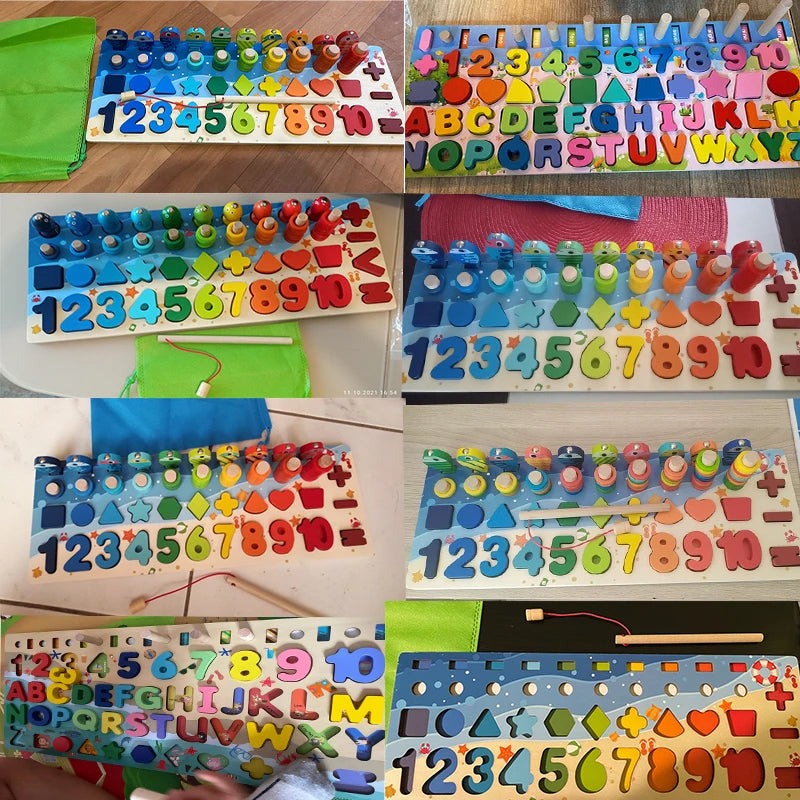
Fine motor skill development toys that support the 5 fine motor skills — See it in action
Wondering which toy actually helps your child grip a pencil, button a shirt, or stack blocks with ease? You're not alone. Let's break down the options clearly so you can choose with confidence.
Discover play ideas that support healthy development from Baby Growth & Learning
Why Fine Motor Skills Matter in Preschool
Between ages three and five, children experience rapid hand and finger development. These small movements power big milestones—writing letters, using scissors, feeding themselves, fastening clothing, and completing classroom activities with confidence. When children lack opportunities to strengthen these skills, they may become frustrated during everyday tasks that require precision.
Fine motor skill development toys transform repetitive practice into meaningful play. Instead of feeling like homework, activities become engaging challenges that naturally build strength, coordination, and problem-solving skills.
How Fine Motor Skills Support Kindergarten Readiness
Strong fine motor skills prepare preschoolers for far more than handwriting. They help children:
- Develop hand strength for pencil control.
- Improve coordination needed for cutting, coloring, and tracing.
- Build independence with dressing, zipping, and buttoning.
- Increase confidence during classroom activities.
- Participate comfortably in arts, crafts, and STEM learning.
What Are the 5 Fine Motor Skills?
The five core fine motor skills work together to support everyday learning and self-care.
Pinching
Pinching uses the thumb and index finger together to pick up small objects. This movement is essential for holding crayons, manipulating puzzle pieces, and managing buttons.
Grasping
Grasping develops the ability to hold objects securely with the entire hand while gradually refining control for pencils, utensils, and scissors.
Hand-Eye Coordination
This skill combines visual information with precise hand movements. Activities such as stacking blocks, placing pegs, and threading beads all strengthen coordination.
Bilateral Coordination
Bilateral coordination teaches children to use both hands together, with each hand performing a different role—for example, holding paper while cutting or stabilizing a toy while manipulating pieces.
Finger Dexterity
Dexterity refers to smooth, precise finger movements. It improves through repeated manipulation of small objects, sorting games, construction toys, and Montessori materials.
Quality hands on learning activities for kindergarten often strengthen several of these skills simultaneously, helping children make steady progress through everyday play.
Quick Comparison: Best Fine Motor Toys for Preschoolers
| Toy Type | Primary Skill | Recommended Age | Montessori Friendly | Best For |
|---|---|---|---|---|
| Puzzles & Peg Boards | Grasping, coordination | 3+ | Yes | Home & classroom |
| Lacing & Threading Toys | Pinching, bilateral coordination | 4+ | Yes | Precision practice |
| Sorting & Stacking Toys | Dexterity, coordination | 3+ | Yes | Early learners |
| Montessori Wooden Math Toy | All five skills | 3–6 | Excellent | Home learning & preschool |
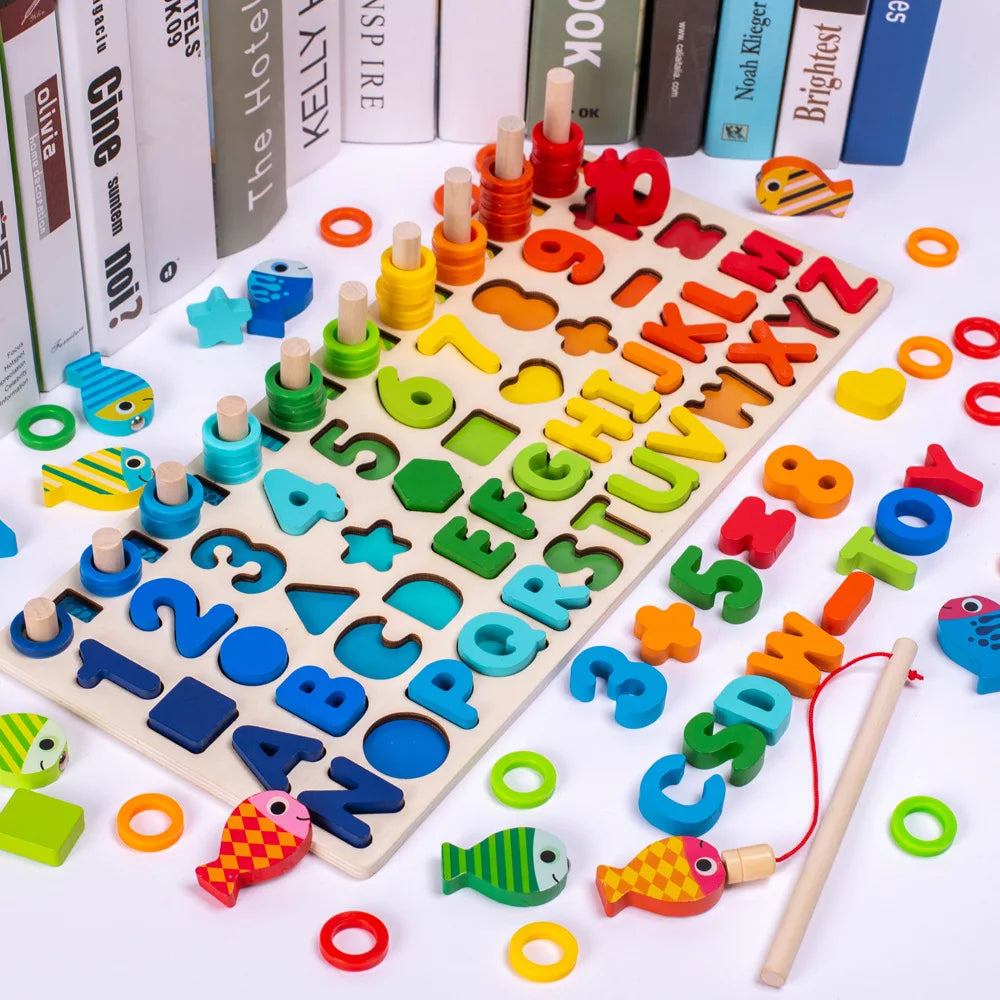
Hands on learning activities for kindergarten using child safe wooden toys — See it in action
Best Fine Motor Toys for Preschoolers by Skill
Threading and Lacing Toys
These toys strengthen pinching, sequencing, and bilateral coordination while encouraging concentration and patience. They're excellent for children preparing for more advanced classroom tasks.
Tweezers and Sorting Toys
Sorting games that require tweezers or tongs improve finger strength, precision, and hand control while introducing counting and color recognition.
Stacking and Peg Board Toys
Classic stacking toys build grasping skills, hand-eye coordination, and spatial awareness. They are especially suitable for younger preschoolers beginning structured play.
Pre-Writing and Pencil Grip Toys
Tracing boards, chunky crayons, and manipulatives that encourage controlled finger movements help children develop the stability needed before formal handwriting instruction.
Hand Strength and Squeeze Toys
Soft resistance toys, squeeze balls, and textured manipulatives strengthen the muscles used for writing, cutting, and self-care tasks.
Fine Motor Skills Wooden Toys
Montessori-inspired wooden toys combine multiple developmental activities into one learning experience. The Montessori Wooden Math Toy encourages counting, sorting, stacking, gripping, and problem solving while supporting independent exploration.
- Strengthens all five fine motor skills through repeated play.
- Encourages independent learning without screens.
- Suitable for growing skill levels from preschool through early kindergarten.
Learn how to choose toys that match your child's stage with insights from Sensory Toys
How to Choose the Best Fine Motor Toy
Age 3–4 Recommendations
Choose simple stacking toys, peg boards, chunky puzzles, and sorting activities that encourage success without overwhelming younger learners.
Age 4–5 Recommendations
Introduce threading sets, beginner construction toys, counting manipulatives, and more complex problem-solving activities that challenge coordination and concentration.
Montessori vs Traditional Toys
Montessori-inspired toys typically emphasize open-ended exploration, self-correction, and independent learning, while traditional toys often focus on a single activity or predefined outcome. Both can be valuable when matched to a child's interests and developmental stage.
Home vs Classroom Selection
For home use, prioritize versatility and durability. In classroom settings, choose toys that support collaborative play, repeated use, and easy organization.
Common Mistakes When Buying Fine Motor Toys
- Choosing toys based only on age recommendations instead of current skill level.
- Buying overly complex activities that discourage confidence.
- Ignoring specific developmental goals like hand strength or bilateral coordination.
- Overlooking safety, durability, and high-quality finishes.
- Purchasing many single-purpose toys instead of versatile learning materials.
Simple Indoor Activities Using Fine Motor Toys
- Create a 15-minute daily toy rotation to maintain interest.
- Set up simple sorting challenges using colors or shapes.
- Practice stacking games that gradually increase difficulty.
- Encourage children to explain their problem-solving process during play.
- Combine counting, matching, and building for richer learning experiences.
Frequently Asked Questions
How often should preschoolers use fine motor toys?
Daily sessions of 10 to 20 minutes are usually enough. Regular practice builds strength and coordination more effectively than occasional long sessions.
What age are fine motor toys best for?
Most preschool fine motor toys are designed for children ages 3 to 5, although many can be adapted for younger toddlers with supervision or older children who need additional practice.
Which toys improve pencil grip?
Threading sets, peg boards, tweezers, tracing boards, and the Montessori Wooden Math Toy all encourage the finger strength and control needed for a mature pencil grip.
Are Montessori toys better for fine motor development?
Many Montessori toys encourage repeated hands-on practice, independent exploration, and self-correction, making them highly effective for developing coordination alongside cognitive skills.
Are wooden fine motor toys safe?
High-quality wooden toys with smooth finishes, rounded edges, and age-appropriate sizing are durable, long-lasting, and suitable for preschoolers when used according to manufacturer recommendations.
Can fine motor toys help prepare children for school?
Yes. Fine motor toys help children develop the coordination needed for handwriting, cutting, self-care routines, classroom participation, and many everyday kindergarten activities.
Related Guide: Montessori Educational Wooden Toy Compared for Preschool Math





