

Fine Motor Development Toys That Make Every Play Session Count
Do fine motor development toys really work?
Fine motor development toys really do work when they match a child's developmental stage and are used consistently through hands-on play. Activities like grasping, pinching, stacking, threading, and sorting strengthen the small muscles of the hands while improving hand-eye coordination, finger control, and problem-solving. Rather than replacing traditional learning, fine motor skill development toys build the foundational skills children need for writing, dressing, eating independently, and everyday confidence.
Fine Motor Skill Development Toys That Deliver Real Results
⏱ 9 min read
Fine motor skill development toys help children strengthen their hands, improve coordination, and build confidence through purposeful play. Whether your child is learning to pick up small objects, stack blocks, or hold a pencil, choosing age-appropriate toys creates daily opportunities to practice important life skills while making learning enjoyable.
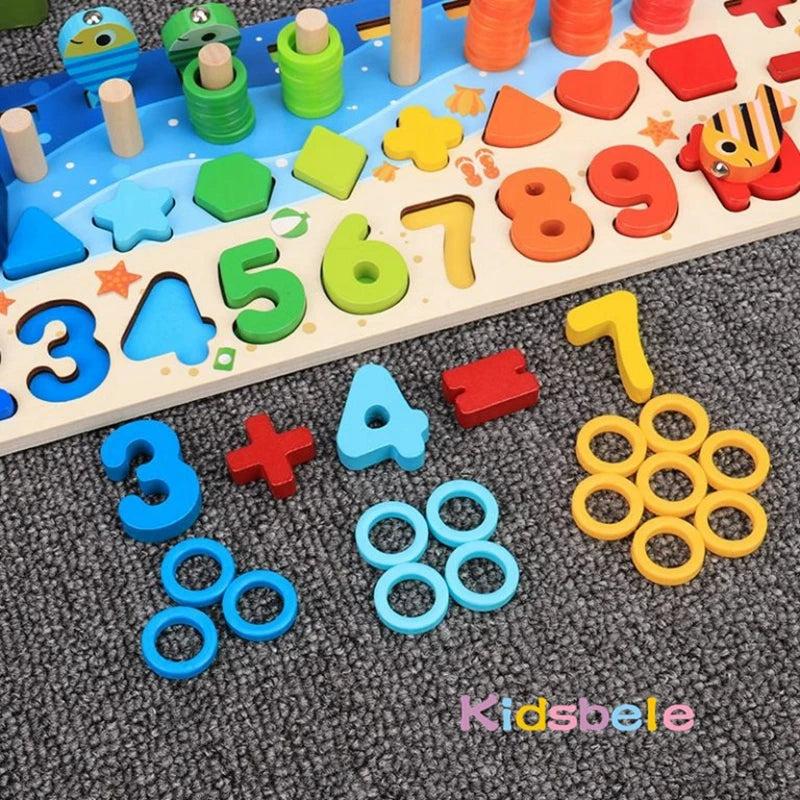
Fine motor skill development toys that encourage focus and control. See them in action.
What Are Fine Motor Skills and Why Do They Matter?
Fine motor skills refer to the coordinated movements of the small muscles in the hands, fingers, and wrists working together with the eyes. These movements allow children to perform everyday tasks requiring precision rather than strength.
How Fine Motor Skills Support Everyday Learning
Strong fine motor skills influence much more than handwriting. Children rely on them to:
- Feed themselves using spoons and forks.
- Button clothing and zip jackets.
- Hold crayons, markers, and pencils correctly.
- Cut safely with child-friendly scissors.
- Complete puzzles and construction activities.
- Build confidence through independent play.
Fine motor skills development toys provide repeated opportunities to practice these movements naturally. Compared with worksheets, motor development toys encourage active exploration while maintaining children's attention through play.
Fine Motor Milestones by Age (0–6 Years)
Children develop at different rates, but developmental milestones provide helpful guidelines for selecting appropriate toys.
0–12 Months
- Reaching and grasping objects.
- Transferring toys between hands.
- Beginning to develop the pincer grasp.
Recommended baby toys for fine motor skills include textured rattles, soft stacking cups, and grasping toys.
1–2 Years
- Stacking blocks.
- Turning pages.
- Using large pegs.
- Scribbling with crayons.
2–3 Years
- Completing simple puzzles.
- Sorting shapes.
- Stringing large beads.
- Building taller towers.
3–4 Years
- Drawing circles and basic shapes.
- Using child-safe scissors.
- Opening simple containers.
- Manipulating smaller objects.
4–6 Years
- Writing letters.
- Buttoning clothing independently.
- Completing more complex construction projects.
- Following multi-step fine motor activities.
If your child's skills develop earlier or later than these ranges, that can still fall within normal variation. Focus on choosing toys that offer an achievable challenge without causing frustration.
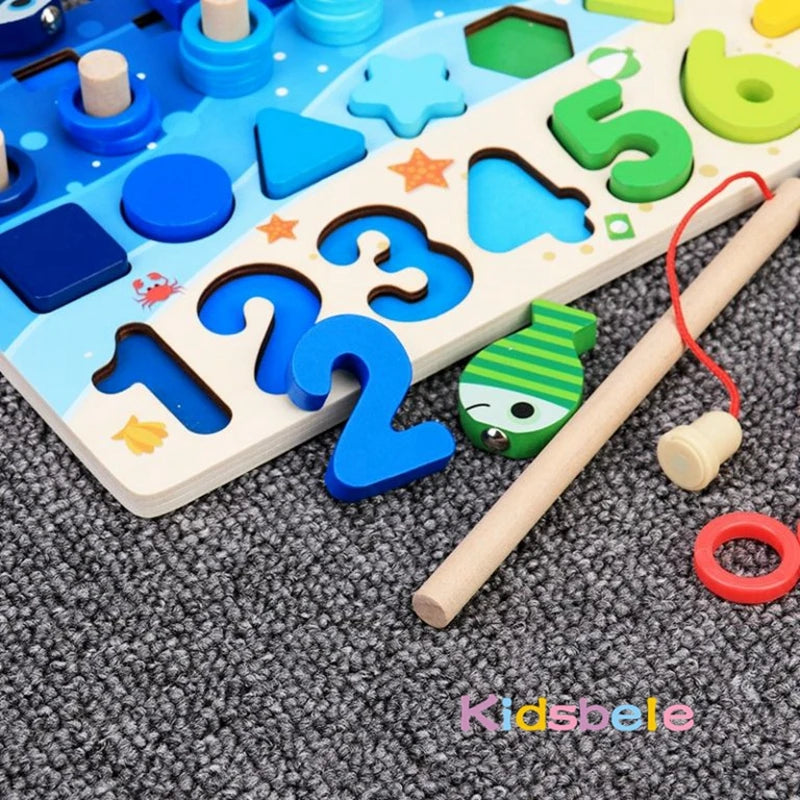
Motor skills development toys reward patience, concentration, and precision.
Best Fine Motor Development Toys by Developmental Skill
Pincer Grasp Toys
Large beads, chunky pegs, and small object sorting games strengthen thumb-and-finger control, an important foundation for handwriting and self-feeding.
Stacking and Nesting Toys
Stacking rings, cups, and blocks improve grip strength, spatial awareness, and hand-eye coordination while introducing early problem-solving.
Threading and Lacing Toys
Lacing cards and bead threading activities encourage bilateral coordination by requiring both hands to work together.
Peg Boards and Sorting Toys
Peg boards develop finger precision while matching colors and shapes supports visual discrimination and cognitive development.
Tweezers, Tongs and Transfer Activities
Child-safe tweezers, scoopers, and tongs strengthen the same muscles used for pencil control while making repetitive practice enjoyable.
Building and Construction Toys
Interlocking blocks and construction sets challenge children to manipulate pieces from different angles while developing planning and persistence.
Many families discover similar educational play ideas within the Baby Growth & Learning collection, which emphasizes developmental learning through play.
Best Fine Motor Development Toys by Age
Best for Babies (0–12 Months)
- Soft grasping toys
- Stacking cups
- Activity cubes
- Textured sensory balls
Best for Toddlers (1–3 Years)
- Shape sorters
- Large wooden puzzles
- Stacking towers
- Large lacing beads
Best for Preschoolers (3–5 Years)
- Peg boards
- Threading activities
- Construction toys
- Tweezers and sorting games
- More advanced puzzles
Pairing these activities with complementary play experiences, such as Sensory Toys , helps children balance sensory exploration with focused motor practice.
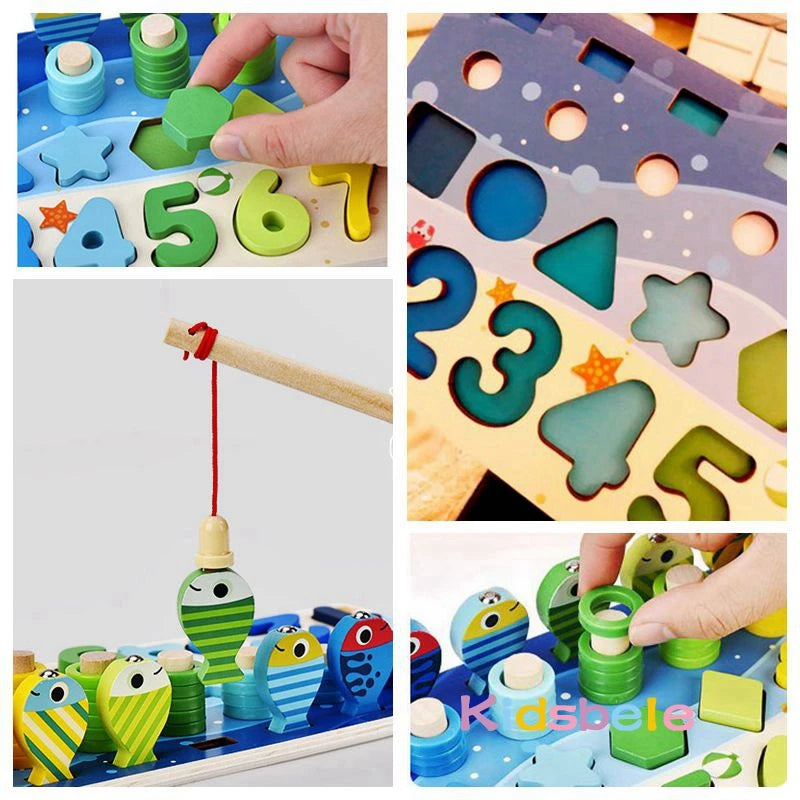
Fine motor skill toys for preschoolers encourage independence through everyday play.
How to Choose the Right Fine Motor Development Toy
The best toys for fine motor skill development should match your child's current abilities while providing room for gradual progress.
Comparison Table: Skills, Age and Difficulty
| Toy Type | Primary Skill | Recommended Age | Difficulty |
|---|---|---|---|
| Stacking cups | Grip and coordination | 6–18 months | Easy |
| Shape sorters | Hand-eye coordination | 1–3 years | Easy–Medium |
| Lacing toys | Finger dexterity | 3–5 years | Medium |
| Peg boards | Pincer grasp | 3–6 years | Medium |
| Construction toys | Precision and planning | 4–6 years | Medium–Advanced |
- Choose age-appropriate toys that match developmental readiness.
- Look for durable, non-toxic materials.
- Select toys that offer multiple levels of challenge.
- Avoid toys with unnecessary distractions that interrupt focused play.
- Invest in versatile toys that support years of learning.
Parents often pair educational toys with practical everyday essentials from Baby Care Essentials to create well-rounded daily routines.
Montessori vs Traditional Fine Motor Toys
Both Montessori-inspired and traditional toys can support healthy development, but they encourage learning in different ways.
| Montessori Toys | Traditional Toys |
|---|---|
| Open-ended exploration | Structured activities |
| Natural materials | Wide variety of materials |
| Child-led learning | Guided objectives |
| Encourages independence | Often includes themed play |
Many children benefit from a combination of both approaches, depending on their interests and stage of development.
Occupational Therapist Tips for Building Fine Motor Skills
- Encourage short daily practice sessions instead of occasional long sessions.
- Rotate toys every one to two weeks to maintain interest.
- Allow children to solve challenges independently before offering help.
- Include activities requiring both hands to work together.
- Celebrate effort and persistence rather than speed.
If your child consistently struggles with age-appropriate fine motor tasks or avoids using one hand, consider discussing your concerns with a pediatrician or occupational therapist.
Combining fine motor play with active movement, including activities found in Mobility & Training , supports overall physical development.
DIY Fine Motor Activities and Budget-Friendly Alternatives
You don't need expensive toys to improve fine motor skills. Everyday household items can provide excellent practice.
- Transfer pom-poms using kitchen tongs.
- Thread pasta onto string.
- Stack plastic cups.
- Sort buttons by color with supervision.
- Tear and glue paper into simple collages.
- Use clothespins to strengthen finger muscles.
These simple activities reinforce many of the same movements practiced with commercial motor skill development toys.
Safety Considerations for Fine Motor Toys
- Always follow manufacturer age recommendations.
- Avoid small parts for children under three years because of choking hazards.
- Inspect toys regularly for loose pieces or damage.
- Choose BPA-free, non-toxic materials whenever possible.
- Clean toys regularly, especially those frequently handled or mouthed by babies.
- Supervise younger children during all fine motor activities.
Frequently Asked Questions
At what age should children start using fine motor development toys?
Simple baby toys for fine motor skills can be introduced during infancy, often around 4 to 6 months for supervised grasping activities. More structured fine motor skill development toys become appropriate from 12 to 18 months onward as coordination improves.
How do I know if a toy matches my child's skill level?
A suitable toy should be challenging enough to encourage learning but not so difficult that your child becomes frustrated quickly. Look for gradual progression and age-appropriate recommendations.
How long should children play with fine motor toys each day?
Ten to fifteen minutes of focused play each day is often enough for young children. Consistent practice over time is more beneficial than occasional lengthy sessions.
Can fine motor toys improve handwriting readiness?
Yes. Toys that strengthen finger muscles, improve grip control, and develop hand-eye coordination help prepare children for holding pencils and forming letters successfully.
When should I talk to a pediatrician or occupational therapist?
Seek professional guidance if your child consistently struggles with age-appropriate fine motor activities, avoids using one hand, experiences pain during movement, or shows little progress despite regular practice.
Related Guide: Wooden Montessori Toys Features That Boost Early Learning





