

Fine Motor Skill Toy Comparison: What Actually Improves Control?
Does a fine motor skill toy really improve hand control?
A fine motor skill toy improves control when it encourages repeated, purposeful hand movements like pinching, twisting, and precise placement. The most effective fine motor skill toys for preschoolers strengthen finger muscles, improve focus, and support good coordination and motor skills through hands-on problem solving rather than passive play.
Fine Motor Skill Toy Comparison: What Actually Improves Control?
⏱ 6 min read
A fine motor skill toy can look simple, but the right one quietly shapes how a child learns control, patience, and confidence. Many parents buy motor skills development toys hoping to improve hand strength, only to find their child loses interest or gains little real coordination. So which designs truly help, and which just fill time? Let’s compare what actually works.
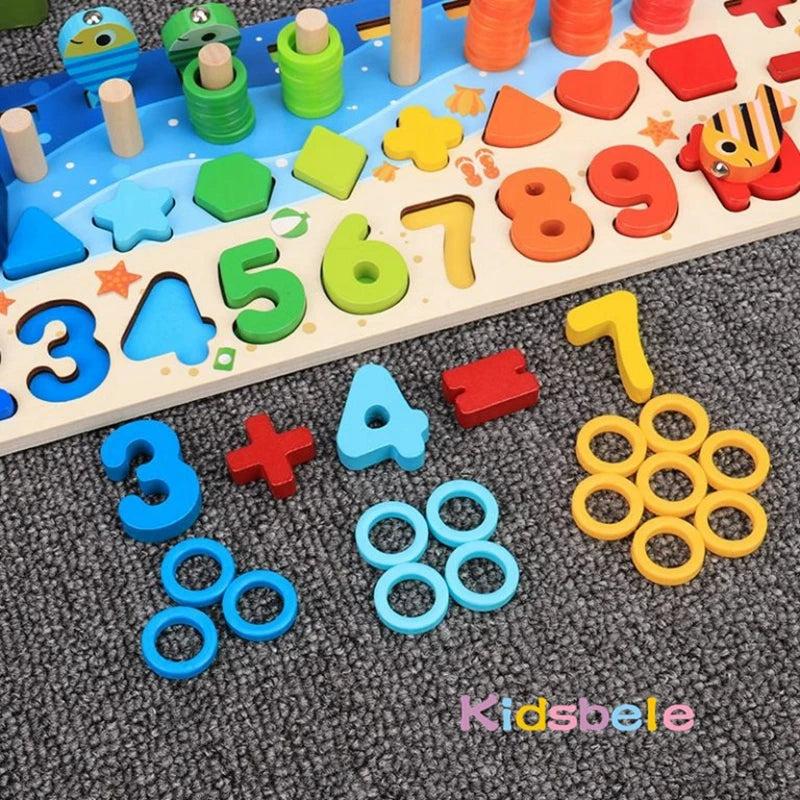
Fine motor skill toy that trains grip and placement 💡 See it in action
Why Hand Control Matters in Early Childhood
Good coordination and motor skills affect more than playtime. They influence writing, dressing, eating, and even emotional confidence. When children struggle to control small movements, everyday tasks feel frustrating.
Strong hand-eye coordination supports:
- Buttoning clothes and using zippers
- Drawing shapes and early writing
- Using utensils during meals
- Building independence and self-esteem
That’s why many families exploring Baby Growth & Learning resources focus early on hands-on toys rather than screens.
What Makes a Fine Motor Skill Toy Effective?
A fine motor skill toy works best when it creates resistance, precision, and repetition. Toys that simply light up or play music may entertain, but they rarely train muscles or coordination.
Key features that actually improve control
- Pinch or grip challenges: Encourages finger strength
- Targeted placement: Requires accuracy, not guessing
- Progressive difficulty: Keeps skills growing
- Tactile feedback: Wood, beads, or textured pieces matter
Many well-designed motor skills development toys combine these elements to build steady improvement rather than quick excitement.
Side-by-Side Comparison of Popular Toy Types
| Toy Type | Control Training | Engagement Level | Best For |
|---|---|---|---|
| Shape sorters | Low–Moderate | Short-term | Early exploration |
| Lacing boards | High | Moderate | Finger precision |
| Wooden peg puzzles | High | Long-lasting | Hand-eye coordination |
| Busy boards | Moderate | High | Daily skill practice |
Wooden puzzles, especially math-based designs like the Montessori Math Toy Wooden Puzzle, consistently rank higher for control because they demand accuracy and patience.
Best Fine Motor Skill Toys for Preschoolers
A fine motor skill toy for preschoolers should challenge without overwhelming. At this stage, children benefit most from toys that blend structure with creativity.
Why wooden puzzles stand out
A fine motor skill toy like a wooden puzzle strengthens finger control by requiring precise placement, controlled grip, and visual planning. These repeated actions build muscle memory and improve good coordination and motor skills, especially when numbers or patterns add a cognitive layer.
- Encourages slow, careful movement
- Supports early math and logic
- Durable for daily practice
- Easy to scale difficulty
Families often pair these with items from Sensory Toys to balance focus with exploration.
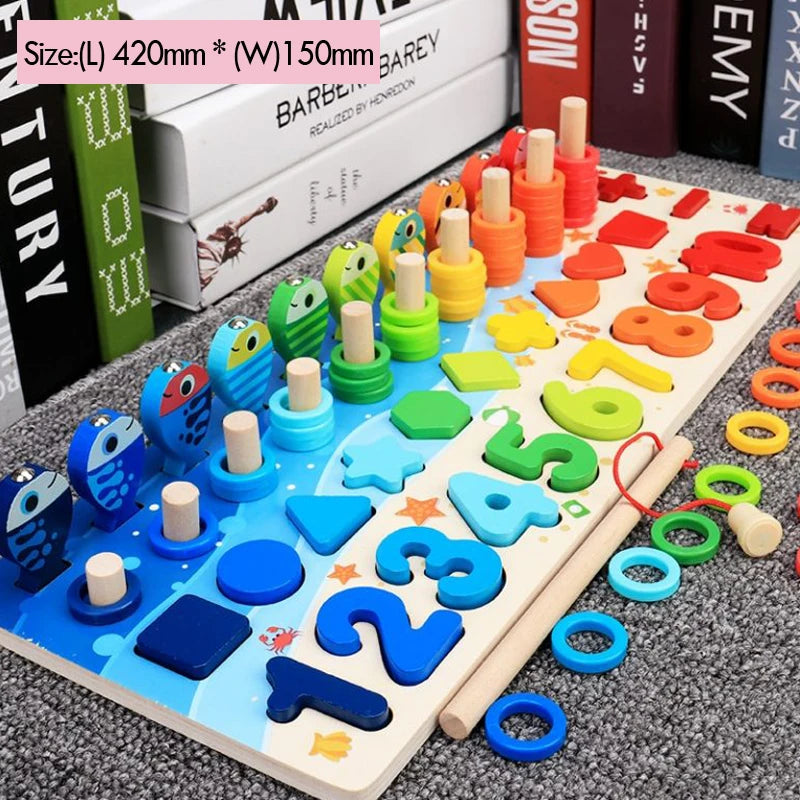
Fine motor skill toys for preschoolers that train precision 💡 See it in action
Real-Life Use: What Parents Notice First
Parents often report subtle but meaningful changes within weeks of consistent use:
- More controlled pencil grip
- Less frustration during crafts
- Longer attention span
- Improved confidence with small tasks
One common observation: children return to toys that feel challenging but achievable. That’s why structured toys outperform flashy ones in long-term use.
Many caregivers browsing Baby Care Essentials note that calm, focused play often improves routines beyond playtime.
How to Choose the Right Toy for Your Child
- Observe current hand strength and patience
- Choose one clear skill to develop
- Look for toys with repeatable actions
- Rotate toys to maintain interest
For children who enjoy numbers and patterns, math-based puzzles offer both structure and challenge. For sensory-seeking kids, mixing in textures helps maintain engagement.
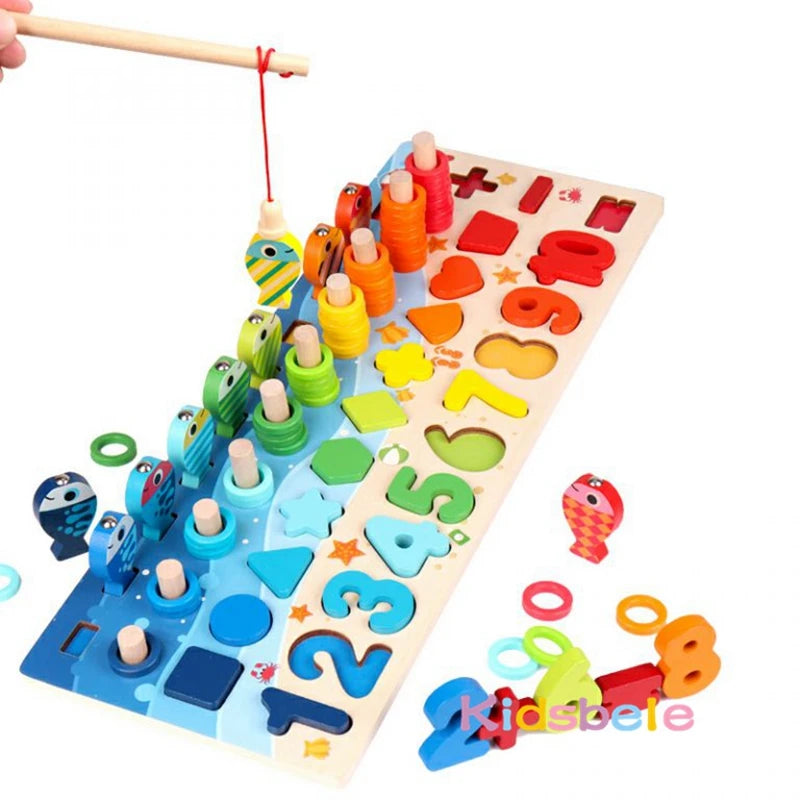
Motor skills development toys that grow with your child 💡 See it in action
Quick Questions Parents Ask
At what age should children start using fine motor skill toys?
Most children can begin using simple fine motor skill toys around 18 months, with more complex designs introduced between ages 3 and 5 as control and attention improve.
How often should children use motor skills development toys?
Short daily sessions of 10–20 minutes are more effective than long, occasional play. Consistency helps build muscle memory and coordination.
Are wooden toys better than plastic for hand control?
Wooden toys often provide better tactile feedback and resistance, which can improve grip strength and precision compared to lightweight plastic designs.
Related Guide: Preschool Math Manipulatives Compared: Best Picks for Play





