

Fine Motor Skill Toy: Key Benefits for Young Learners
Fine Motor Skill Toy: Key Benefits for Young Learners
⏱ 8 min read
Does a fine motor skill toy really help young children learn?
A fine motor skill toy supports hand strength, coordination, and focus by encouraging small, precise movements through play. By combining touch, sound, and visual feedback, a fine motor skill toy helps children practice skills they use daily—like grasping, pressing, and hand-eye coordination—while staying engaged and motivated.
Fine motor skill toy designs go beyond simple play. They help children build control, confidence, and coordination during the most critical learning years. If you’ve ever wondered whether playtime can quietly support real developmental progress, the answer may be right in your child’s hands.
Many parents worry about screen time, short attention spans, or whether toys are doing more than just keeping kids busy. What if playtime could support focus, dexterity, and confidence without feeling like a lesson?
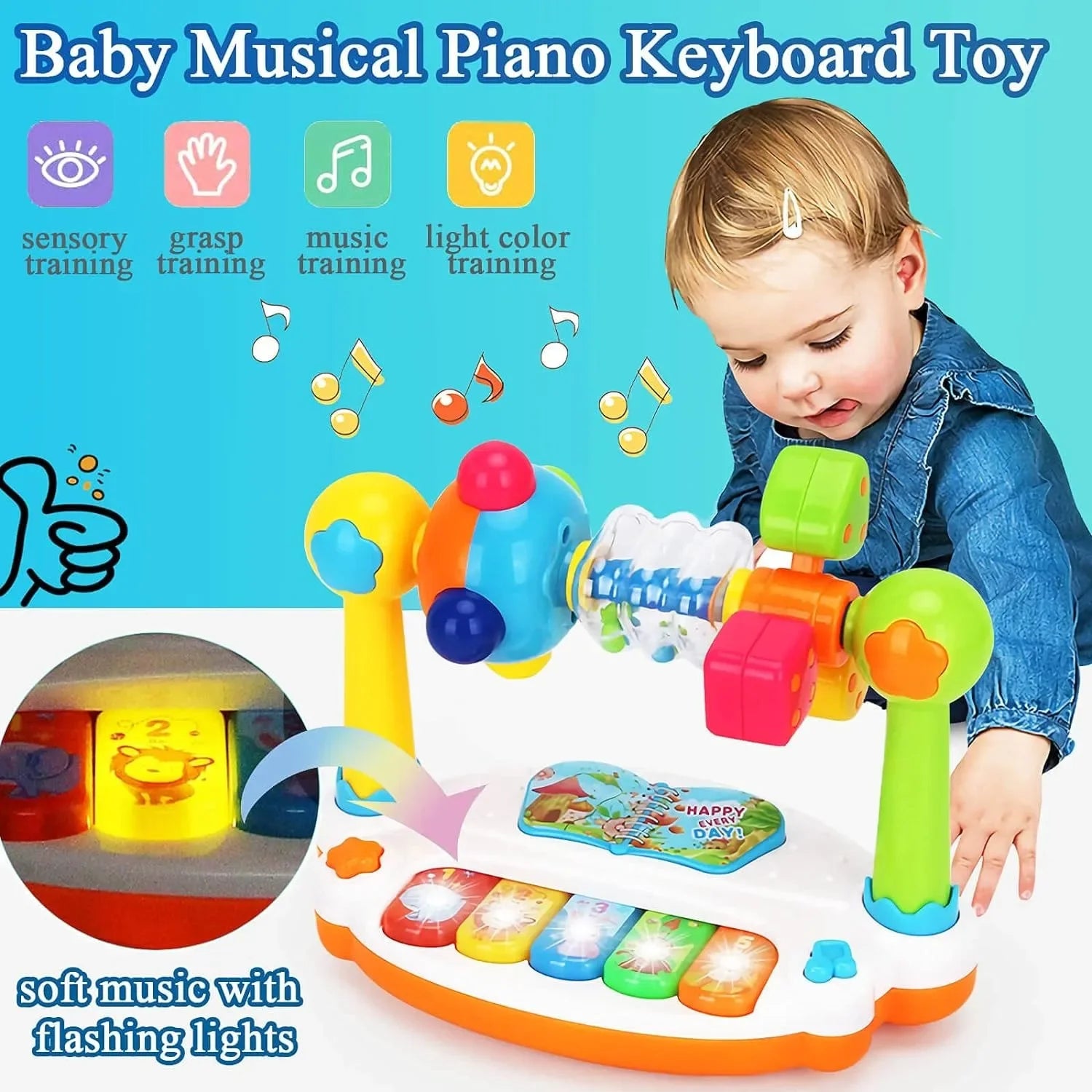
Fine motor skill toy designed for sensory stimulation and hands-on learning 💡 See it in action
Why Fine Motor Skills Matter in Early Childhood
Fine motor skills are the foundation for everyday tasks—holding a spoon, turning pages, buttoning clothes, or drawing shapes. These small movements rely on coordination between the brain, eyes, and hands.
When children practice fine motor skill activities early, they often show better confidence and independence as they grow. Struggles with grip strength or coordination can affect learning, self-care, and even emotional regulation.
- Supports hand-eye coordination
- Builds finger strength and control
- Encourages focus and patience
- Prepares children for writing and self-feeding
That’s why many parents explore Baby Growth & Learning tools that combine play with purposeful development.
How This Fine Motor Skill Toy Builds Real Skills
A fine motor skill toy works best when children want to keep playing. This design blends sensory stimulation toys with purposeful interaction, turning curiosity into skill-building without pressure.
By pressing keys, manipulating parts, and responding to sound or visual cues, children strengthen the exact movements needed for daily life.
- Encourages precise finger movements
- Reinforces cause-and-effect learning
- Improves attention span through feedback
- Supports independent play and exploration
Parents often notice improved grip control and longer periods of focused play compared to passive toys.
Features That Make This Toy More Effective Than Alternatives
Not all fine motor skill toys for 3 year olds deliver the same results. Some are overstimulating, while others lack challenge. This design balances engagement with simplicity.
- Multi-sensory interaction: Sound, touch, and movement work together
- Child-friendly layout: Sized for small hands and developing grip
- Durable materials: Withstands repeated pressing and tapping
- Open-ended play: No single “right” way to use it
This makes it especially appealing among parents shopping for motor skills development toys that grow with their child.
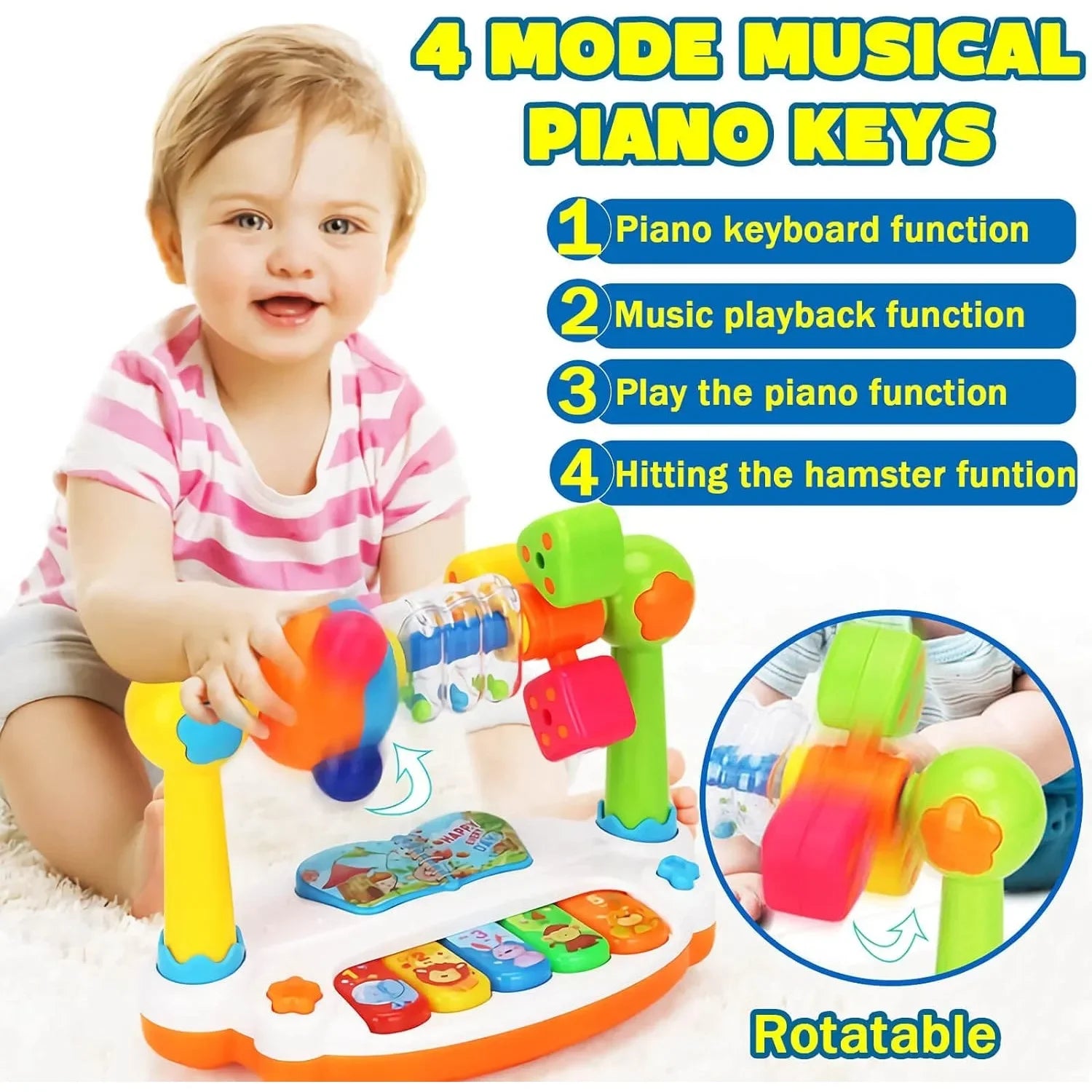
Fine motor skill activities that strengthen coordination and focus 💡 See it in action
How It Compares to Other Motor Skills Development Toys
| Feature | This Fine Motor Skill Toy | Basic Button Toys |
|---|---|---|
| Sensory engagement | Multi-sensory | Limited |
| Skill progression | Grows with child | Short-term interest |
| Independent play | Encouraged | Often guided |
| Learning depth | High | Low to moderate |
Parents comparing options often find that sensory stimulation toys with layered interaction keep children engaged longer and deliver more noticeable results.
Many families pair this with items from Sensory Toys collections to create a balanced play environment.
Easy Ways to Use This Toy in Daily Routines
One of the biggest advantages is how easily it fits into everyday life. No setup, no instructions required.
- Morning quiet play while parents prepare breakfast
- Calm-down activity before naps
- Independent exploration during playtime
- Shared play to encourage language and bonding
Short, frequent sessions often work better than long, structured playtimes.
Who Benefits Most From This Fine Motor Skill Toy
This toy is especially helpful for:
- Preschoolers building hand strength
- Children who seek sensory input
- Parents wanting screen-free learning
- Families focused on early skill foundations
It’s commonly chosen alongside tools from Baby Growth & Learning to support holistic development.
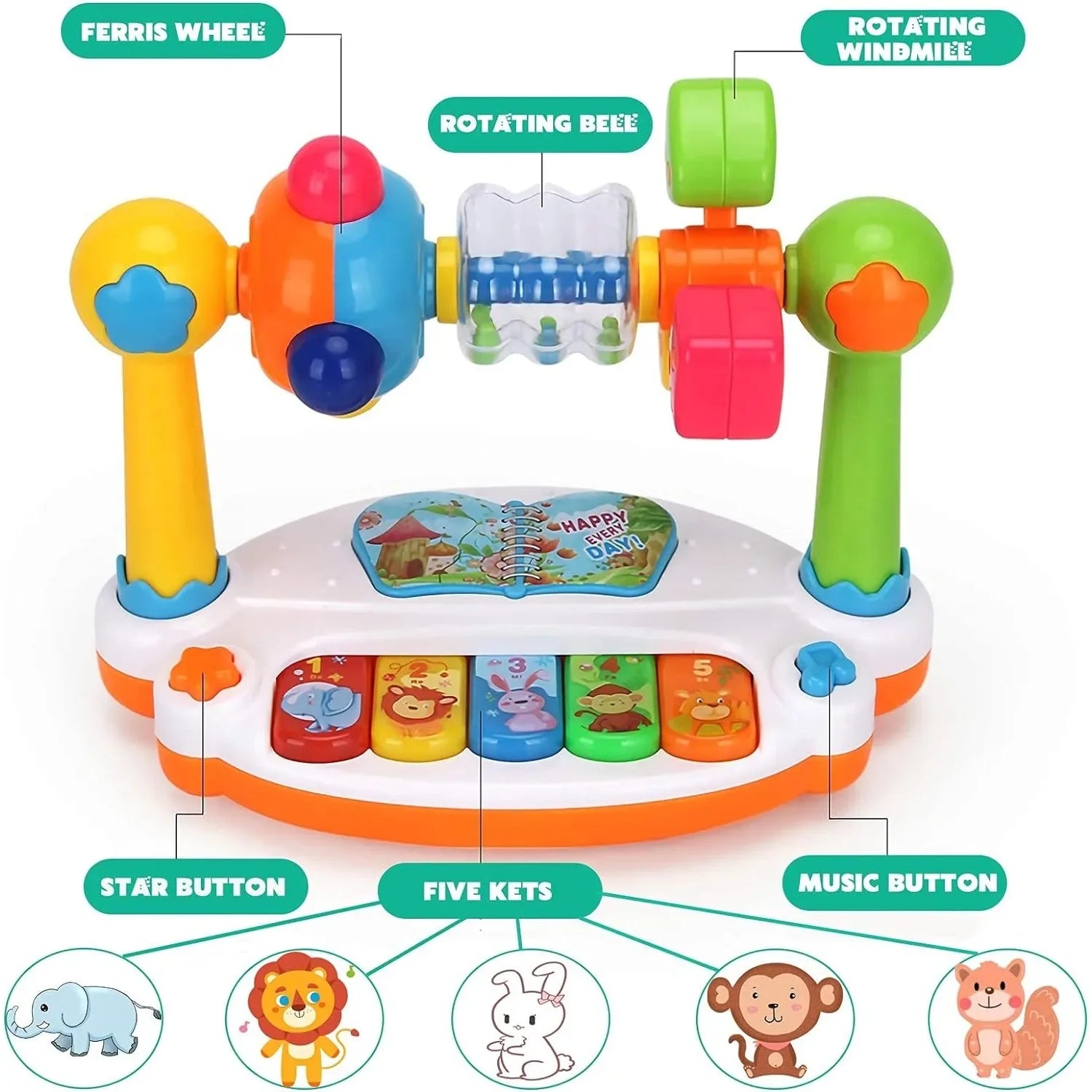
Fine motor skill toys for 3 year olds that turn play into progress 💡 See it in action
Quick FAQs About Fine Motor Skill Toys
What age is a fine motor skill toy best for?
Most fine motor skill toys are ideal for toddlers and preschoolers, especially ages 2–4, when hand strength and coordination develop rapidly.
How often should children use fine motor skill toys?
Short daily play sessions—10 to 20 minutes—are often enough to support steady improvement without fatigue.
Are sensory stimulation toys better than traditional toys?
Sensory stimulation toys often keep children engaged longer by combining touch, sound, and movement, which can enhance focus and learning.
Related Guide: Preschool Educational Toys: Features That Boost Learning





