

Fine Motor Skills Activity for Preschool Success
What Is a Fine Motor Skills Activity for Preschool?
A fine motor skills activity for preschool strengthens the small muscles in a child’s hands and fingers through hands-on play like building, threading, and sorting. These activities improve grip strength, pencil control, focus, and independence—key foundations for handwriting and classroom success.
Fine Motor Skills Activity for Preschool Success
Fine motor skills activity for preschool can transform everyday play into powerful brain-building moments that shape handwriting, focus, and independence. The right mix of fine motor skills activities at home, smart fine motor skills toys for preschoolers, and engaging dexterity toys helps strengthen tiny hand muscles while boosting confidence in surprising ways. Want to know which simple activities create the biggest developmental leaps?
⏱ 7 min read
Does your child avoid coloring, struggle with buttons, or get tired holding a crayon? These small frustrations often point to developing hand strength. The good news? The right playful tools can make practice feel like pure fun.
👉 Discover hands-on tools that make learning feel like play
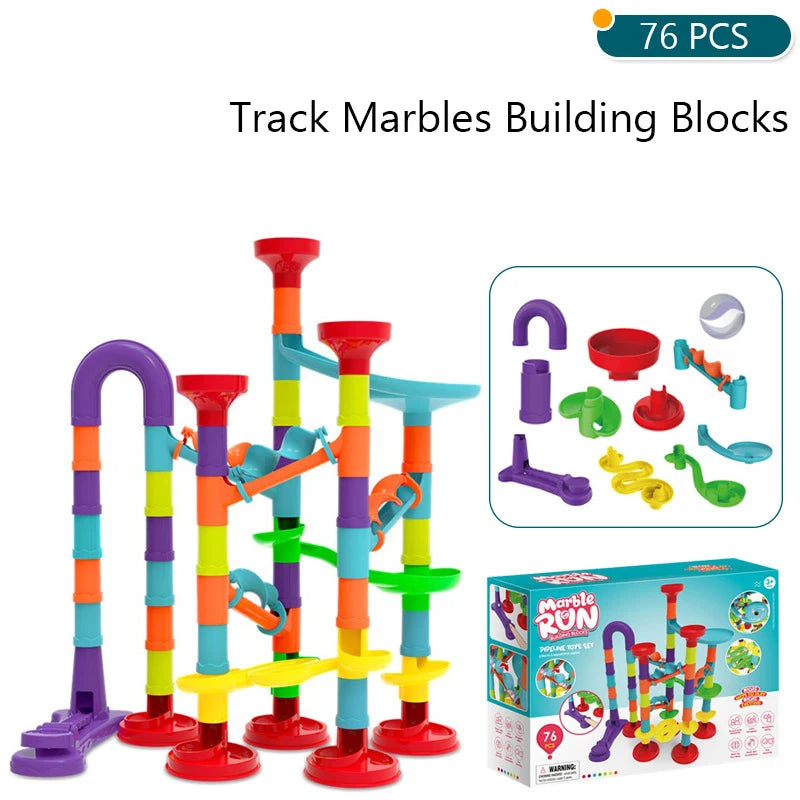
Fine motor skills activity for preschool using creative building play 💡 See it in action
Why Fine Motor Development Matters Before Kindergarten
Preschool isn’t just about ABCs and counting. It’s about preparing little hands for real classroom tasks.
- Holding and controlling a pencil
- Cutting safely with scissors
- Opening lunch containers
- Buttoning coats independently
Strong fine motor skills support brain development, attention span, and even early reading success. When children build grip strength early, they avoid frustration later.
Explore more tools inside Baby Growth & Learning to support every stage of preschool readiness.
Signs Your Preschooler May Need Extra Hand Strength Support
Not every child develops at the same pace. But these signs suggest your child may benefit from targeted fine motor skills activities at home:
- Loose or awkward pencil grip
- Quick fatigue during drawing
- Difficulty stacking small objects
- Avoiding puzzles or construction toys
Early support prevents bigger struggles in kindergarten. Small daily practice sessions—just 10–15 minutes—can create noticeable improvement within weeks.
Best Fine Motor Skills Activities at Home for Real Results
A fine motor skills activity for preschool works best when it combines repetition, creativity, and problem-solving. Here are parent-approved ideas:
1. Building and Connecting Blocks
Snapping, stacking, and aligning pieces strengthens finger muscles and improves hand-eye coordination.
2. Threading and Beading
Threading beads onto strings improves precision and bilateral coordination.
3. Sorting and Transferring Games
Using tongs or fingers to move small objects builds pincer grasp strength.
4. Marble Run Construction Play
Designing tracks encourages grip control, planning, and persistence.
👉 Learn step-by-step how to choose the right building set for stronger hands
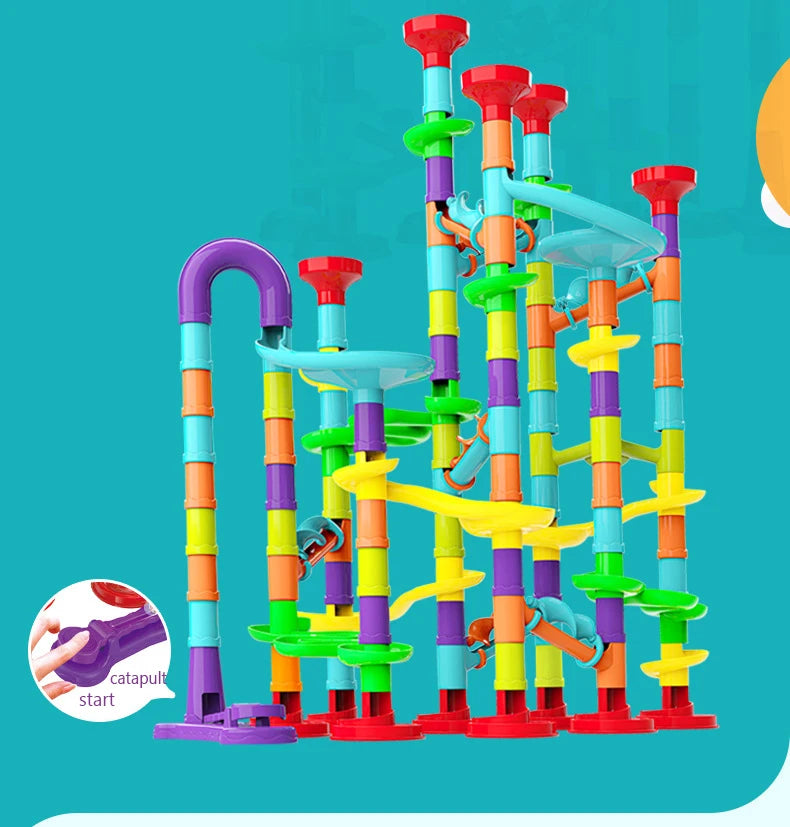
Fine motor skills activities at home with dexterity toys 💡 See it in action
How Building Play Boosts Grip, Focus, and Confidence
A fine motor skills activity for preschool like marble run construction challenges children to pinch, press, twist, and balance pieces precisely. This repeated motion strengthens intrinsic hand muscles while encouraging problem-solving and sustained focus—skills directly linked to classroom success.
The Marble Run Building Blocks Set turns learning into adventure. Kids design tracks, adjust angles, and test gravity—all while strengthening grip and coordination.
- Encourages independent thinking
- Improves hand stability for writing
- Builds patience and resilience
- Supports STEM-style learning
Pair building toys with sensory tools from Sensory Toys for a well-rounded dexterity routine.
Comparing Popular Dexterity Toys for Preschoolers
| Activity Type | Grip Strength | Focus Building | Creativity Level |
|---|---|---|---|
| Beading Kits | Medium | Medium | Low |
| Play Dough Tools | High | Low | Medium |
| Marble Run Blocks | High | High | High |
For long-term engagement, construction-style dexterity toys offer the strongest combination of muscle building and cognitive growth.
How to Choose the Right Fine Motor Skills Toys for Preschoolers
- Look for toys requiring pinching, twisting, or snapping motions.
- Choose age-appropriate piece sizes for safety.
- Select open-ended designs that grow with your child.
- Prioritize durable, easy-to-clean materials.
Safety matters. Browse trusted options inside Health & Safety for peace of mind while your child explores.
Real Parent Stories: From Frustration to Classroom Readiness
“My son used to avoid coloring because his hands got tired. After a month of building marble tracks every afternoon, his teacher noticed stronger pencil control,” shares Amanda, mom of a 4-year-old.
Another parent reported fewer meltdowns during homework time after introducing daily construction play.
Consistency turns play into progress. Even 15 minutes daily with the Marble Run Building Blocks Set can make a difference.
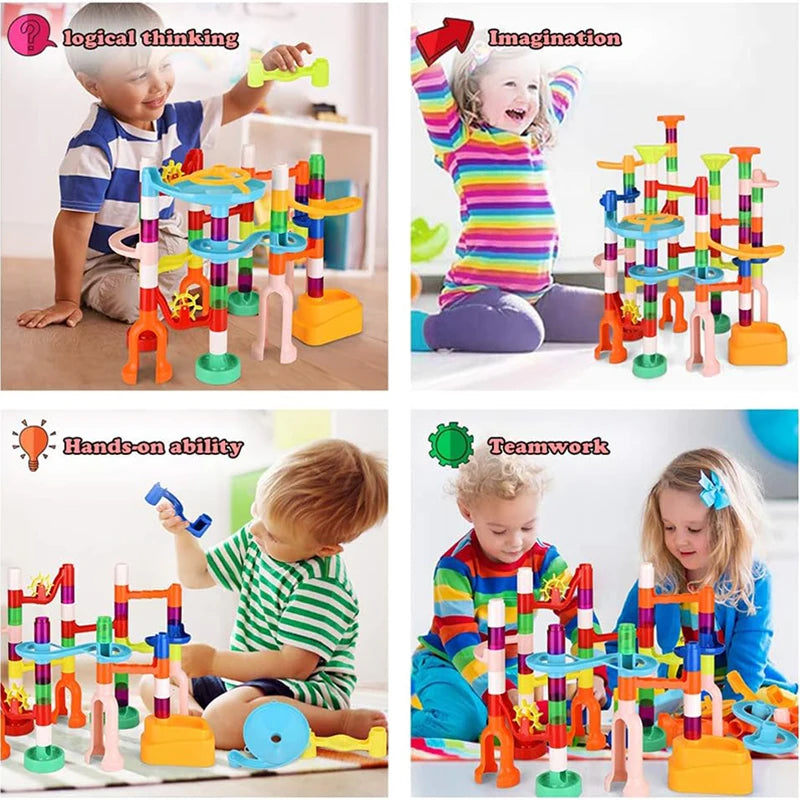
Fine motor skills toys for preschoolers designed for grip and focus 💡 See it in action
👉 Get yours now — limited stock!
Frequently Asked Questions
How often should my child practice fine motor skills activities?
Daily short sessions of 10–15 minutes are ideal. Consistency builds muscle memory and endurance without overwhelming your child.
At what age should preschoolers start structured dexterity play?
Most children can begin simple fine motor skills activities at home around age 3, increasing complexity by ages 4–5 as grip strength improves.
Are building toys better than worksheets for hand strength?
Yes. Hands-on building strengthens muscles naturally through play, while worksheets mainly test existing ability rather than develop it.
What if my child gets frustrated easily?
Start with larger pieces and celebrate small successes. Choose engaging, open-ended toys that allow creative freedom rather than rigid instructions.
Supporting early childhood skills doesn’t require complicated programs. With the right fine motor skills activity for preschool, your child gains stronger hands, sharper focus, and the confidence to thrive in kindergarten and beyond.
Related Guide: Marble Run Building Blocks for Kids by Age





