

Flying Kites on the Beach: Fly Safely With Easy Beginner Tips
Does flying kites on the beach require a tail for stable flight?
Flying kites at the beach is usually easier with a tail because it adds drag that helps the kite stay balanced in changing coastal winds. A tail reduces spinning, smooths sudden gusts, and makes launches more forgiving for beginners. However, some well-designed delta and parafoil kites are engineered to fly without a tail in suitable wind conditions.
Flying Kites at the Beach: A Simple Wind-Safe Routine
⏱ 7 min read
Flying kites at the beach is one of the easiest ways to enjoy a day by the ocean, but coastal wind can change quickly. Whether you're flying with young children or launching a kite for the first time, understanding wind direction, choosing the right beach, and using the correct kite setup will help you enjoy smoother, safer flights. This guide covers everything beginners need—from selecting a beach to launching, controlling, and landing a kite with confidence.
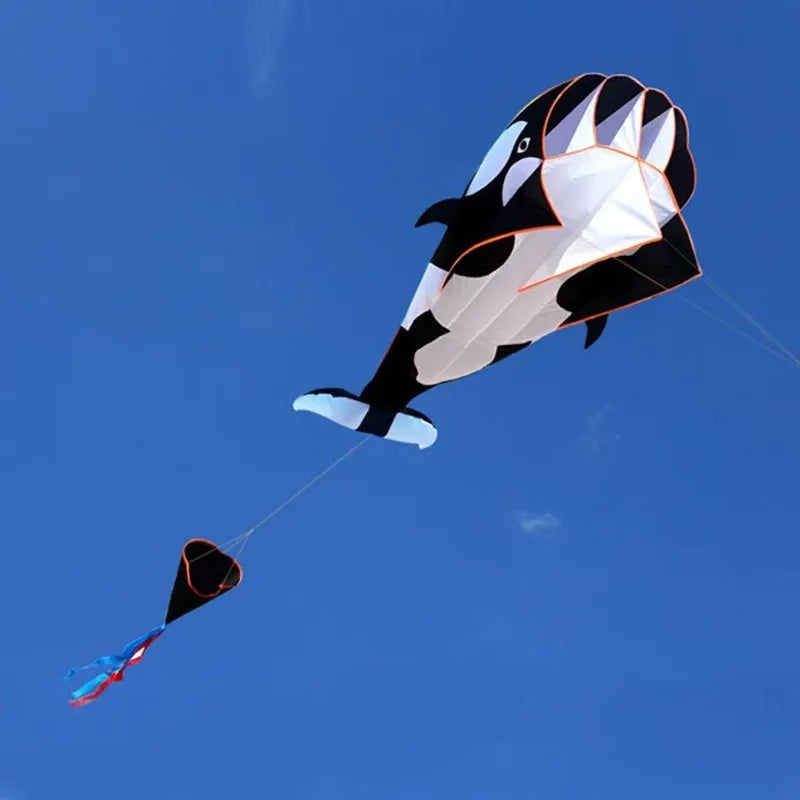
Flying kites at the beach with stable tail design — See it in action
Understanding Beach Wind Conditions
Beach wind behaves differently than wind inland because there are few obstacles to slow it down. Sea breezes often strengthen during the afternoon, while temperature differences between the ocean and warm sand can create sudden gusts that affect kite stability.
Ideal Wind Speed for Kites
Most beginner-friendly single-line kites perform best in steady winds between 8 and 18 mph (13–29 km/h). Lighter winds may not provide enough lift, while stronger winds can make the kite difficult to control.
- 5–8 mph: Suitable for lightweight kites.
- 8–15 mph: Ideal for most family kite flying.
- 15–20 mph: Better for experienced flyers using appropriate kites.
- Above 20 mph: Avoid unless using equipment designed for strong winds.
Reading Wind Direction
Launch with the wind at your back and the open beach in front of you. Watch flags, blowing sand, or nearby vegetation to confirm that the wind is reasonably steady before setting up.
Avoiding Gusty Conditions
If the wind repeatedly changes direction or comes in sharp bursts, wait a few minutes before launching. Consistent wind usually produces smoother flights and reduces sudden dives or spins.
Space and Obstacles
Select a wide, open beach with plenty of room away from buildings, trees, volleyball courts, umbrellas, and power lines. More open space gives your kite cleaner airflow and provides extra safety for everyone nearby.
Tides and Crowds
Low tide often creates the widest flying area. If the beach becomes crowded, move to a quieter section where your flying lines won't interfere with walkers, children, or beach games.
Local Beach Rules
Some public beaches restrict kite flying during special events or in protected wildlife areas. Check local regulations before launching and respect any designated no-fly zones.
How to Fly Kites on the Beach: A Step-by-Step Beginner Guide
Choose a Safe Beach
Before unpacking your kite, make sure you have enough open space and safe wind conditions. Keep a generous distance from roads, parking lots, swimmers, and overhead wires.
Check Wind Speed and Direction
Moderate, steady wind makes flying kites on the beach much easier than unpredictable gusts. If the wind is strong enough to blow sand continuously or make walking difficult, consider waiting for calmer conditions.
Set Up and Launch Your Kite
- Lay out the kite and line on clean sand.
- Untangle the tail completely before launch.
- Stand with the wind behind you.
- Allow the kite to fill with wind before gently releasing it.
- Walk backward slowly while maintaining light tension on the line.
Control the Kite in Coastal Winds
Avoid pulling sharply on the line. Small adjustments help the kite recover naturally from changing wind. If a gust arrives, briefly ease line tension instead of pulling harder.
Land the Kite Safely
Walk slowly toward the kite while winding in the line steadily. Landing into the wind gives you better control and reduces the chance of the kite crashing into people or obstacles.
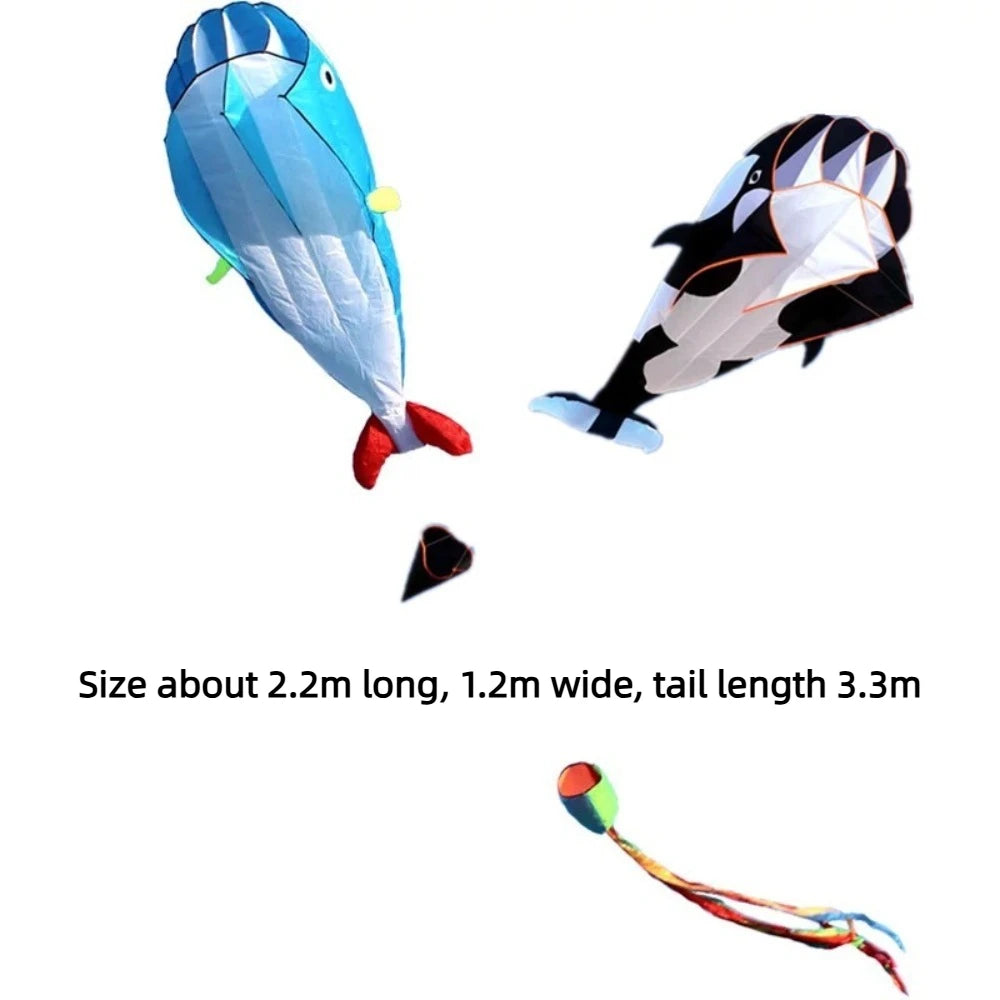
Best kites for the beach with long tail stability — See it in action
Does Flying Kites on the Beach Require a Tail for Stable Flight?
Flying kites at the beach often benefits from using a tail because it improves stability when coastal winds become inconsistent. While not every kite requires one, beginners usually find tail-equipped kites much easier to control.
How Kite Tail Design Affects Stability
- Long tail: Creates steady drag that reduces spinning in gusty conditions.
- Short tail: Offers quicker response but less stability.
- No tail: Works well only on certain kite designs with proper balance.
When a Tail Helps Most
A tail is especially useful when flying in changing beach winds, introducing children to kite flying, or using classic diamond kites that naturally benefit from added stability.
When a Tail Isn't Needed
Many modern delta, parafoil, and sled kites are designed to remain stable without a tail when flown within their recommended wind range. Always follow the manufacturer's setup instructions.
Choosing the Best Kites for the Beach
Best Beginner Kite Types
For most families, simple single-line kites provide the easiest learning experience.
- Delta kites: Stable and easy to launch.
- Diamond kites: Traditional design that often benefits from a tail.
- Sled kites: Lightweight and simple to fly.
- Parafoil kites: No frame and excellent portability.
Matching the Kite to Wind Conditions
Use lightweight kites for gentle breezes and stronger framed designs for moderate coastal winds. Avoid oversized stunt kites if your goal is relaxed family recreation.
For families, an easy option is the Whale Dolphin Kite , designed to stay steady in coastal wind without complex adjustments.
If you're planning a full beach day with kids, pairing outdoor play with calming downtime matters. Many parents balance active fun with comfort essentials from Sleep & Comfort collections to keep little ones relaxed after excitement.
Common Beach Kite Flying Mistakes and How to Avoid Them
Launching in Poor Wind
Trying to launch during highly variable wind often leads to repeated crashes. Wait for more consistent conditions whenever possible.
Flying Too Close to People
Give yourself plenty of space from beachgoers, pets, umbrellas, and sports activities. Longer kite lines require larger safety zones.
Using the Wrong Kite
Choose a kite designed for the day's wind conditions. A kite built for light wind may become unstable in stronger coastal breezes.
Family Kite Flying Tips
Keeping Children Safe
Children should always fly under adult supervision. Assign younger kids simple tasks like helping carry the tail or spotting wind direction rather than handling the full line in stronger wind.
- Take turns launching and retrieving the kite.
- Explain changing wind conditions in simple language.
- Celebrate successful launches instead of focusing on perfect flights.
- Respect nearby beach users and share open space courteously.
Parents often find that calmer, more stable kites lead to longer, more enjoyable play sessions. Active outdoor moments also pair well with sensory breaks using items from Sensory Toys collections, especially for younger children.
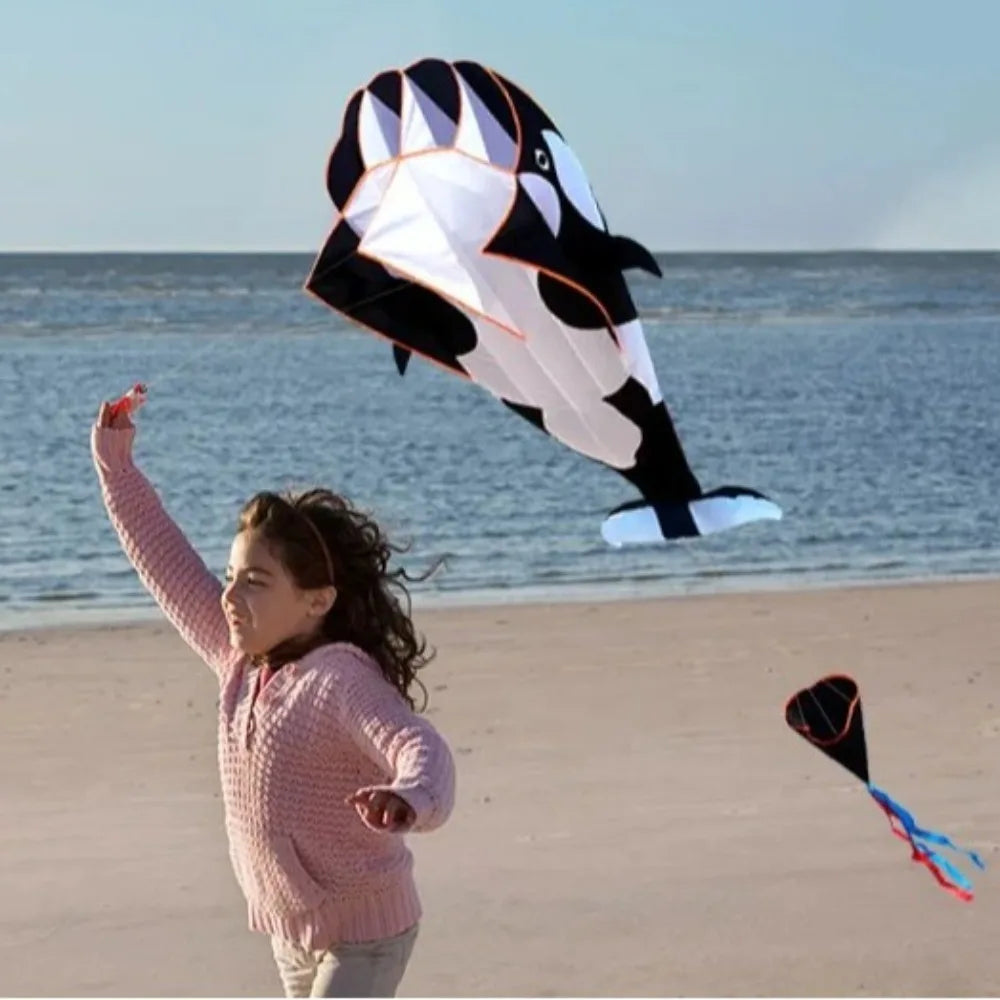
Family kite flying made easy — See it in action
Beach Kite Flying Safety Checklist
- ✓ Check the weather before leaving home.
- ✓ Avoid thunderstorms or rapidly changing conditions.
- ✓ Stay well away from power lines and roads.
- ✓ Choose an uncrowded section of beach.
- ✓ Keep clear of swimmers and lifeguard zones.
- ✓ Inspect the kite, line, and tail before every launch.
- ✓ Pack away the kite immediately if wind becomes too strong.
A calm setup, suitable wind conditions, and a stable kite like the Whale Dolphin Kite can make flying kites at the beach a relaxing, confidence-building activity for beginners and experienced flyers alike.
Related Guide: How to Fly a Kites: Step-by-Step Setup and First Launch





