

Baby Food Grade Wood Toys Parents Can Trust for Safe Play
Are food grade wooden baby toys really safer for newborns?
Food grade wooden baby toys are designed to reduce chemical exposure while supporting early development through natural materials. Made with food-safe finishes and solid wood, they help families avoid unnecessary toxins while encouraging sensory exploration, grasping skills, and long-lasting play. When chosen from reputable manufacturers, these non toxic baby toys can be a safer alternative to many conventional plastic options.
Food Grade Wooden Baby Toys Review for Safety Focused Families
⏱ 9 min read
Choosing toys for a newborn can feel overwhelming. Parents want products that are safe for teething, durable enough to last through multiple stages, and beneficial for development without exposing babies to questionable materials. This guide explains what makes food grade wooden baby toys different, how to evaluate their safety, and which styles offer the best value for growing families.
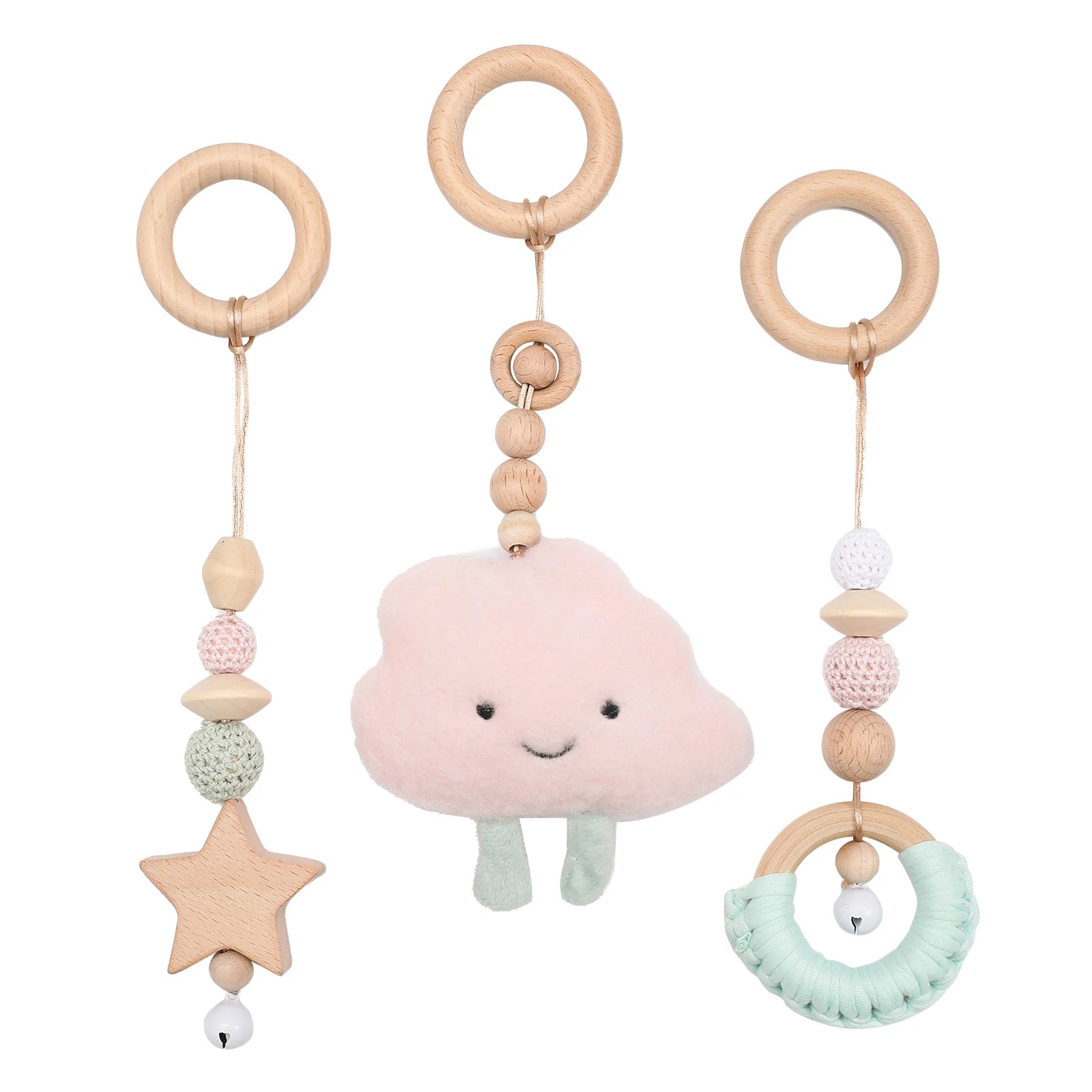
Food grade wooden baby toys designed for safe, natural play — See it in action
Best Food Grade Wooden Baby Toys for Safety-Focused Families
Quick comparison table
| Toy Type | Best For | Recommended Age | Key Safety Features |
|---|---|---|---|
| Wooden Teething Ring | Teething relief | 3+ months | Food-safe finish, solid hardwood, rounded edges |
| Wooden Rattle | Early grasping | 0–6 months | Smooth finish, easy-to-hold design |
| Montessori Stacking Toy | Motor skills | 12+ months | Natural wood, non-toxic paints |
| Baby Wooden Rattle Play Gym | Tummy time | 0–12 months | Food-safe coatings, detachable rattles, sturdy frame |
Best wooden teething toys
Natural maple or beech teething rings finished with food-safe beeswax or plant oils are popular choices because they contain no BPA, PVC, or phthalates. Their smooth surface makes them easy for babies to grip while gently soothing sore gums.
Pros: Chemical-free materials, durable, easy to clean.
Cons: Require occasional inspection for wear.
Best wooden rattles
Simple wooden rattles provide gentle sound stimulation without flashing lights or electronic components. Their lightweight construction encourages grasping and hand-eye coordination while maintaining a minimalist sensory experience.
Best stacking and Montessori toys
Stacking rings, balancing toys, and Montessori-inspired blocks encourage problem-solving, coordination, and open-ended exploration. Look for toys with water-based paints and certified non-toxic finishes.
Best activity gyms
The Baby Wooden Rattle Play Gym offers excellent value for families looking for baby food grade wood toys that support tummy time, reaching, grasping, and sensory development. Its solid wooden frame, detachable rattles, and food-safe finish make it suitable from the newborn stage through the first year.
Are food grade wooden baby toys really safer for babies?
Food grade wooden baby toys can be safer when they are manufactured using high-quality hardwoods, food-safe oils or waxes, and child-safe production standards. Unlike some plastics, quality wooden toys contain no BPA, PVC, or phthalates, reducing unnecessary chemical exposure during mouthing and teething.
However, "food grade" should never be viewed as the only indicator of safety. Parents should also verify that toys:
- Use certified non-toxic finishes.
- Have smooth, splinter-free construction.
- Contain no loose parts that present choking hazards.
- Meet recognized toy safety standards.
How we evaluated and selected these toys
Our recommendations prioritize practical safety rather than marketing claims. We evaluated each category using criteria commonly recommended by pediatric safety organizations and experienced parents.
- Material quality and hardwood construction.
- Food-safe oils, waxes, or water-based finishes.
- Rounded edges and smooth sanding.
- Durability after repeated cleaning and daily play.
- Positive long-term parent feedback.
- Developmental value appropriate for each age group.
What makes food grade wooden baby toys safer?
Food-grade wood explained
Food-grade generally refers to finishes that are considered safe for incidental food contact after curing. While the wood itself is naturally safe, the finish applied during manufacturing plays an important role in determining whether a toy is suitable for babies who frequently mouth objects.
Safe paints and finishes
High-quality manufacturers typically use natural oils, beeswax, or water-based coatings instead of solvent-heavy varnishes. These finishes protect the wood while minimizing exposure to unnecessary chemicals.
Natural wooden baby toys contain no plasticizers such as BPA or phthalates because they are built primarily from solid wood. Choosing reputable brands also helps reduce concerns about lead-containing paints or poorly regulated coatings.

Eco friendly newborn toys encourage safe exploration and early learning — See it in action
Benefits of wooden toys for babies
Sensory development
Natural wooden baby toys introduce babies to authentic textures, weight differences, and temperature changes that plastic toys often cannot replicate. These subtle sensory experiences help infants learn through touch.
Motor skills
The slightly heavier feel of wooden toys encourages babies to strengthen grip, improve coordination, and practice controlled movement during reaching and grasping.
Open-ended play
Without flashing lights or repetitive sounds, wooden toys encourage imagination, exploration, and longer periods of focused play as children grow.
Many parents also appreciate their sustainability. Quality wooden toys frequently last through multiple siblings and complement collections such as Sleep & Comfort and tactile exploration tools from Sensory Toys .
Food grade wooden toys vs plastic toys
| Feature | Food Grade Wooden Toys | Plastic Toys |
|---|---|---|
| Safety | Natural materials with non-toxic finishes | Varies depending on manufacturer |
| Durability | Excellent long-term lifespan | May crack or discolor over time |
| Maintenance | Wipe clean and dry immediately | Often dishwasher-safe |
| Environmental Impact | Renewable materials | Petroleum-based materials |
| Development | Encourages focused, open-ended play | Often includes electronic stimulation |
| Best Use Case | Daily developmental play and teething | Interactive lights, sounds, travel toys |
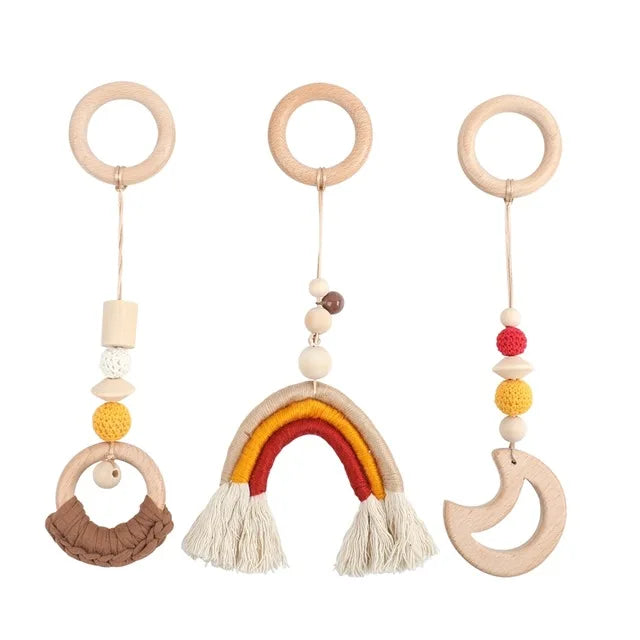
Benefits of wooden toys include durability, safety, and long-lasting developmental value — See it in action
How to choose safe wooden toys for babies
Age recommendations
Select toys designed specifically for your baby's developmental stage. Newborns benefit from rattles and activity gyms, while older infants can safely explore stacking toys and simple puzzles.
Teething safety
Choose toys specifically labeled as suitable for mouthing or teething, with food-safe finishes and smooth edges.
Size and choking hazards
Avoid toys with detachable parts small enough to fit inside a standard choke-test cylinder. Check toys regularly for cracks or loose components.
Finish inspection
Inspect wooden toys periodically for chipped paint, splinters, or worn finishes. Replace damaged toys immediately.
Parents interested in creating a safer nursery may also find helpful resources in Health & Safety , Baby Growth & Learning , and Baby Care Essentials .
Frequently Asked Questions
What does food grade mean for wooden baby toys?
It generally refers to finishes that are considered safe for incidental food contact once fully cured. This helps reduce exposure to unnecessary chemicals when babies mouth their toys.
Which wood is safest for baby toys?
Hardwoods such as maple, beech, and birch are commonly used because they are durable, smooth, and naturally resistant to splintering when properly finished.
Are food grade wooden toys BPA-free?
Yes. Because they are made primarily from wood rather than plastic, they naturally contain no BPA or phthalates.
How can I tell if a wooden toy is non-toxic?
Look for reputable manufacturers that clearly disclose food-safe oils, beeswax, or water-based finishes and compliance with recognized toy safety standards.
Can babies safely chew wooden toys?
Many teething-safe wooden toys are specifically designed for mouthing. Always supervise young babies and inspect toys regularly for signs of damage.
What certifications should I look for when buying wooden baby toys?
Look for compliance with recognized toy safety standards in your region along with transparent information about materials, finishes, and manufacturing practices.
Related Guide: Non Toxic Toys for Infants Review Parents Trust Before Buying





