

Baby Carrier vs Hipseat: Which Fits Your Baby's Stage Best?
Is a front carry hip seat carrier safer than other baby carriers?
A front carry hip seat carrier can be a safe choice when used correctly because it provides structured support under the baby’s bottom while helping maintain healthy positioning. Compared with traditional baby carriers, wraps, and slings, a hip seat may make proper posture easier to achieve during frequent daily carries. However, the safest option depends on your baby’s age, developmental stage, carrier fit, and how consistently safe babywearing positions are followed.
Front Carry Hip Seat Carrier vs Others: What’s Safer?
⏱ 8 min read
Choosing between a baby carrier vs hipseat is not only about comfort—it affects how easily you can support your baby’s posture, protect your own back, and manage everyday routines. Many parents compare a baby carrier with a seat or not because both options promise hands-free convenience, but their designs create very different carrying experiences.
Ever wondered whether a structured baby carrier is better for long walks or whether a hip seat is easier for quick pickups throughout the day? Understanding the differences between a hipseat carrier vs traditional baby carrier can help you choose the right option for your family.
Explore practical solutions that help parents carry, care for, and support growing babies with confidence.
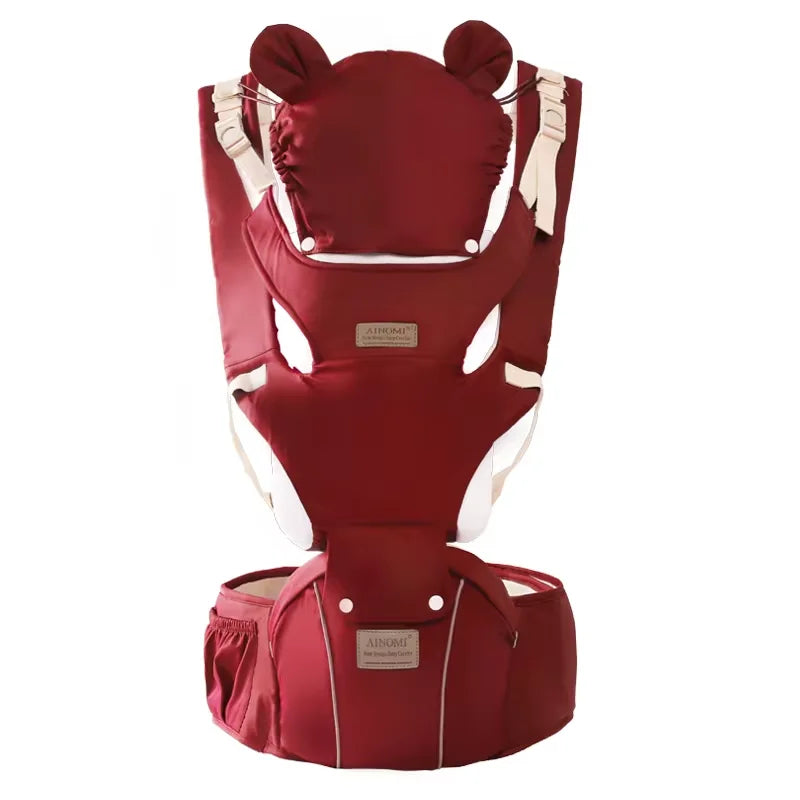
Front carry hip seat carrier supporting safe babywearing positions — See it in action
Baby Carrier vs Hip Seat: Quick Verdict
The best choice between a baby carrier vs hipseat depends on how you plan to use it. Traditional baby carriers usually provide better support for longer carrying sessions, while hip seat carriers often offer greater convenience for frequent lifting and shorter carries.
| Best For | Better Choice | Why |
|---|---|---|
| Newborn closeness | Traditional baby carrier | Provides full-body support when designed for newborn use |
| Quick pickups throughout the day | Hip seat carrier | Makes placing baby down and picking up easier |
| Long walks or extended carrying | Structured baby carrier | Usually distributes weight more evenly |
| Growing infants and toddlers | Hip seat carrier | Reduces shoulder pressure by supporting baby underneath |
For many families, the choice is not about replacing one with the other. A traditional carrier may work best for dedicated carrying sessions, while a hip seat can become a practical everyday tool for active routines.
Baby Carrier vs Hip Seat Comparison Table
| Feature | Traditional Baby Carrier | Hip Seat Carrier |
|---|---|---|
| Comfort | Soft, close fit with adjustable support | Provides a stable seat that supports baby’s weight underneath |
| Weight distribution | Spreads weight across shoulders, waist, and hips | Transfers more baby weight through the waist belt and seat |
| Age suitability | Many models support newborns through toddler stages | Often most useful as babies gain head and trunk control |
| Portability | Usually lighter and easier to pack | Bulkier because of the structured seat |
| Cost | Wide range depending on features | Often costs more because of additional structure |
This baby carrier vs hip seat comparison shows that each design solves different parenting challenges. The right choice depends on whether you prioritize maximum support, flexibility, or quick everyday convenience.
What Is a Traditional Baby Carrier?
A traditional baby carrier uses fabric, straps, buckles, or a structured panel to hold the baby close to the caregiver’s body. Unlike a hip seat carrier, it does not include a separate sitting platform underneath the baby.
Most ergonomic baby carriers are designed to distribute weight across the caregiver’s shoulders, back, and hips. They can support several safe babywearing positions, including front inward-facing carries and, depending on the model, hip or back carries.
Key benefits of traditional baby carriers:
- Close contact that supports bonding and comfort
- Even weight distribution for longer carrying periods
- Compact design that works well for travel
- Multiple carrying positions as babies grow
Parents looking for more guidance on choosing a carrier can also explore an ergonomic baby carrier buying guide or a babywearing safety guide to understand fit, support, and positioning.
What Is a Hip Seat Carrier?
A hip seat carrier combines a supportive waist belt with a firm seat platform where the baby sits. Instead of relying only on fabric tension, the seat supports the baby from underneath while straps or panels provide additional security.
A baby carrier with a seat or not creates a different experience because the hip seat reduces the feeling of carrying the baby’s entire weight against the shoulders.
Key features of a hip seat carrier:
- Structured seat designed to support baby’s bottom
- Helps encourage an ergonomic “M” hip position when fitted correctly
- Useful for babies who want frequent up-and-down movement
- Provides easier transitions during busy routines
Many parents compare hip seat vs ergonomic baby carrier options when their baby becomes heavier and daily carrying becomes more physically demanding.
Baby Carrier vs Hip Seat: Comfort and Ergonomics
Comfort depends on both the caregiver and the baby. A carrier that feels comfortable for a 20-minute walk may not be the same option a parent prefers for carrying several hours.
Caregiver comfort:
- Traditional carriers often excel at spreading weight evenly.
- Hip seat carriers can reduce shoulder pressure by supporting baby’s weight underneath.
- Proper adjustment matters more than carrier style alone.
Baby comfort:
- Both options should support natural spine curvature.
- Baby’s legs should remain supported in an ergonomic position.
- The carrier should allow good airflow and easy monitoring.
When comparing front carry vs hip seat carrier options, many parents find hip seats especially helpful during repeated short carries, while traditional carriers may feel better for extended outings.
Age and Development: Which Option Fits Each Stage?
Newborns
Newborns require careful support for their head, neck, airway, and developing hips. Some traditional baby carriers are specifically designed for newborn use with proper inserts or adjustments. Parents asking “is hip seat carrier safe for newborn?” should check whether the specific model is approved for newborns and follow manufacturer instructions.
Infants
As babies gain stronger head and upper-body control, a hip seat carrier may become more convenient because infants often want to look around, be picked up, and be placed down frequently.
Toddlers
Toddlers are heavier and may resist staying in one position for long periods. A hip seat can help distribute their weight during short trips, errands, and active days.
When to transition
The transition depends on your baby’s development, weight, and comfort. Always prioritize safe positioning over age alone.
Safety Comparison
Both carrier styles can be safe when used correctly. Safety depends on fit, positioning, and following recommended guidelines rather than simply choosing one design over another.
Proper positioning
- Baby’s airway should remain visible and unobstructed.
- Chin should not press tightly against the chest.
- Baby should sit in a supported “M” position with knees higher than the bottom.
- The caregiver should be able to monitor baby easily.
Hip health
A quality hip seat carrier should support the baby’s thighs and encourage natural hip positioning. Avoid carriers that leave the legs hanging without proper support.
Certification considerations
When comparing hip seat carrier safety certifications comparison, parents should look for products tested according to recognized baby carrier safety standards and always follow weight and age recommendations.
For additional guidance on safe babywearing positions, parents can review resources focused on proper carrying techniques and ergonomic support.
Pros and Cons of Each Carrier Type
Traditional baby carrier
Advantages:
- Better suited for long carrying sessions
- Often lighter and easier to pack
- Creates close body contact
Limitations:
- Can require more adjustment
- Some parents experience shoulder or back pressure
Hip seat carrier
Advantages:
- Easier for frequent lifting and repositioning
- Reduces pressure from carrying heavier babies
- Supports active daily routines
Limitations:
- Usually bulkier than fabric carriers
- May not replace a newborn-specific carrier
Which Option Is Best for Different Parenting Scenarios?
Newborn stage
A newborn-ready traditional carrier may be the better choice because it provides close support when babies are still developing head control.
Travel
Lightweight traditional carriers are often easier to pack, while hip seats can be valuable for airports, attractions, and frequent lifting.
Short errands
A hip seat carrier often works well for grocery trips, household tasks, and quick walks where babies frequently go in and out.
Long walks
Structured ergonomic carriers may provide better long-duration comfort through balanced weight distribution.
Multiple children
Parents managing toddlers and younger children may appreciate the flexibility of a hip seat for quick support throughout the day.
Families building a complete setup may also explore travel baby gear guides and baby care essentials for additional everyday solutions.
Real-World Parent Experience
In daily life, the most important factor is whether parents actually use the carrier correctly and consistently.
Common experiences with hip seat carriers include:
- Less shoulder fatigue during repeated pickups
- Faster transitions between carrying and setting baby down
- More confidence when supporting heavier babies
Traditional carriers often remain favorites for naps, travel, and longer walks, while hip seats become popular for busy routines where convenience matters most.
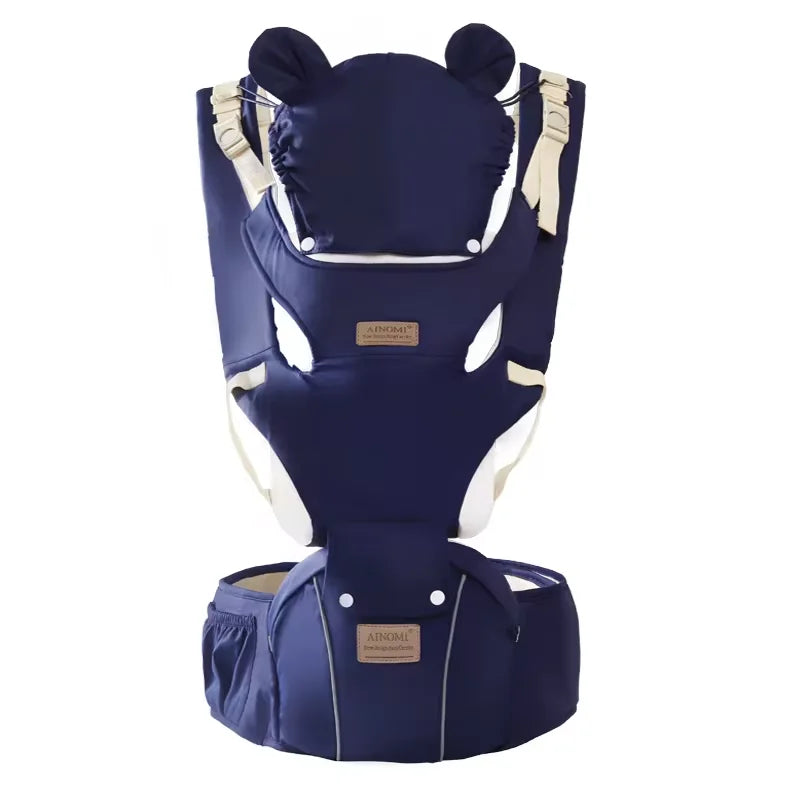
Infant hip seat supporting comfortable everyday carrying — See it in action
Considering a Front Carry Hip Seat Carrier?
Parents comparing baby carrier vs hipseat options often want a solution that balances safety, comfort, and convenience. A well-designed hip seat can become a practical choice for growing babies and active families.
Explore the baby hip seat carrier trusted by parents for everyday support
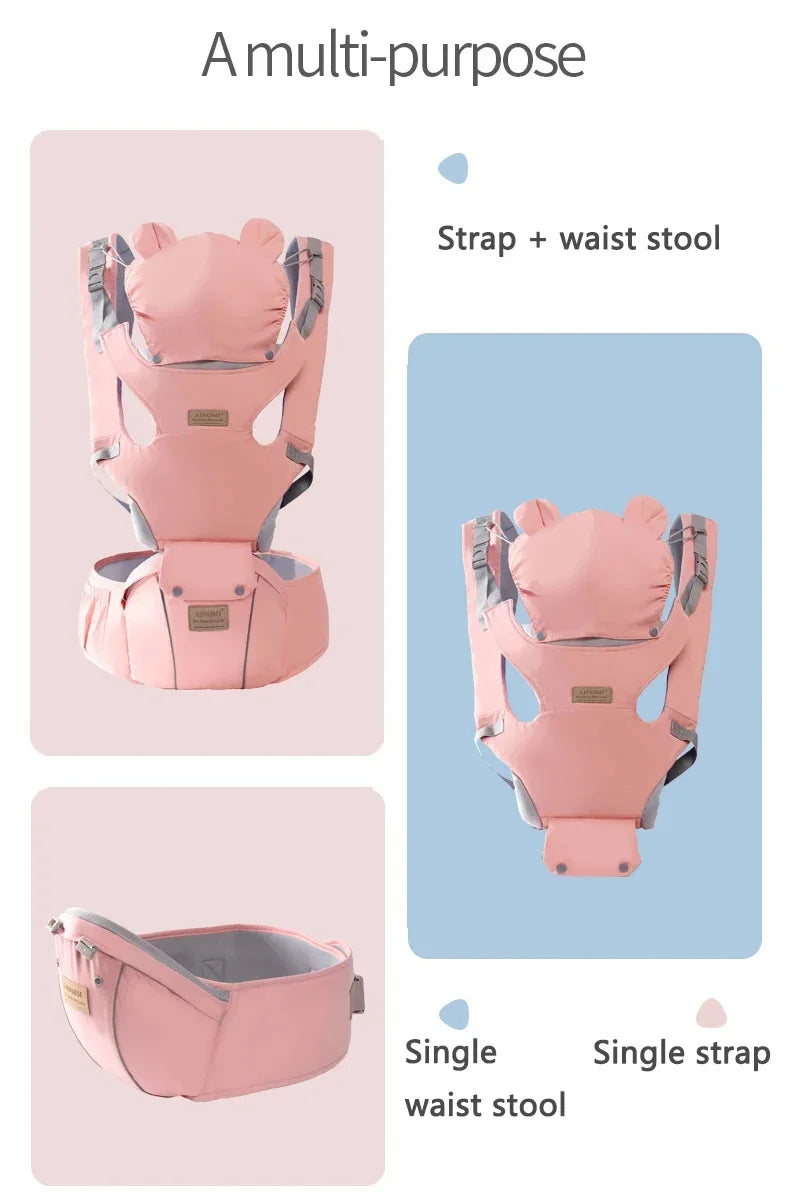
Front carry hip seat carrier for growing babies and busy parents — See it in action
Discover supportive baby gear designed for comfort, confidence, and safe routines.
Frequently Asked Questions
Is a hip seat carrier safe for newborns?
A hip seat carrier can be safe for newborns only if the specific model supports newborn use and provides proper head, neck, and hip support. Always follow manufacturer instructions and confirm recommended age and weight limits.
Which is better for long walks?
Many parents prefer ergonomic traditional carriers for long walks because they typically distribute weight across multiple support points. A hip seat may be more comfortable for shorter carries and frequent lifting.
Can a hip seat reduce caregiver back pain?
A hip seat may reduce strain for some caregivers because it supports the baby underneath and can bring weight closer to the body’s center. Proper fit and adjustment are still essential.
When should I switch from a baby carrier to a hip seat?
Many parents transition when their baby becomes heavier, more curious, and wants frequent movement. The right timing depends on developmental readiness and comfort.
Do hip seat carriers meet safety certifications?
Safety certifications vary by manufacturer and region. Parents should check product testing information, weight limits, and safety instructions before purchasing.
Is a baby carrier with a seat worth buying?
A baby carrier with a seat can be worth buying for families who frequently carry growing babies, need quick transitions, or experience shoulder strain with traditional carriers.
Related Guide: Best Baby Hip Seat Carrier: Side-by-Side Comfort Tests





