

Does gentle ear cleaning really work for children?
Gentle ear cleaning is effective when it focuses on removing only excess earwax while protecting the ear's natural defenses. Children's ears are designed to clean themselves, so routine deep cleaning is usually unnecessary. Instead, pediatric ear cleaning should be limited to visible wax, bothersome buildup, or situations recommended by a healthcare professional.
One of the biggest misconceptions about cleaning children's ears is that all earwax should be removed. In reality, earwax plays an important protective role by trapping dust, debris, and germs before they reach deeper parts of the ear canal. Removing too much wax or cleaning too aggressively can increase irritation and discomfort.
Gentle Ear Cleaning Options Compared: What Works for Children
⏱ 6 min read
Gentle ear cleaning can completely change how children experience ear care, especially when fear of ears being touched turns a simple routine into a struggle. If you've ever paused mid-cleaning because your child pulled away or cried, you're not alone. Understanding when ear cleaning is actually needed—and choosing the safest method—helps protect delicate ears while making the experience much less stressful.
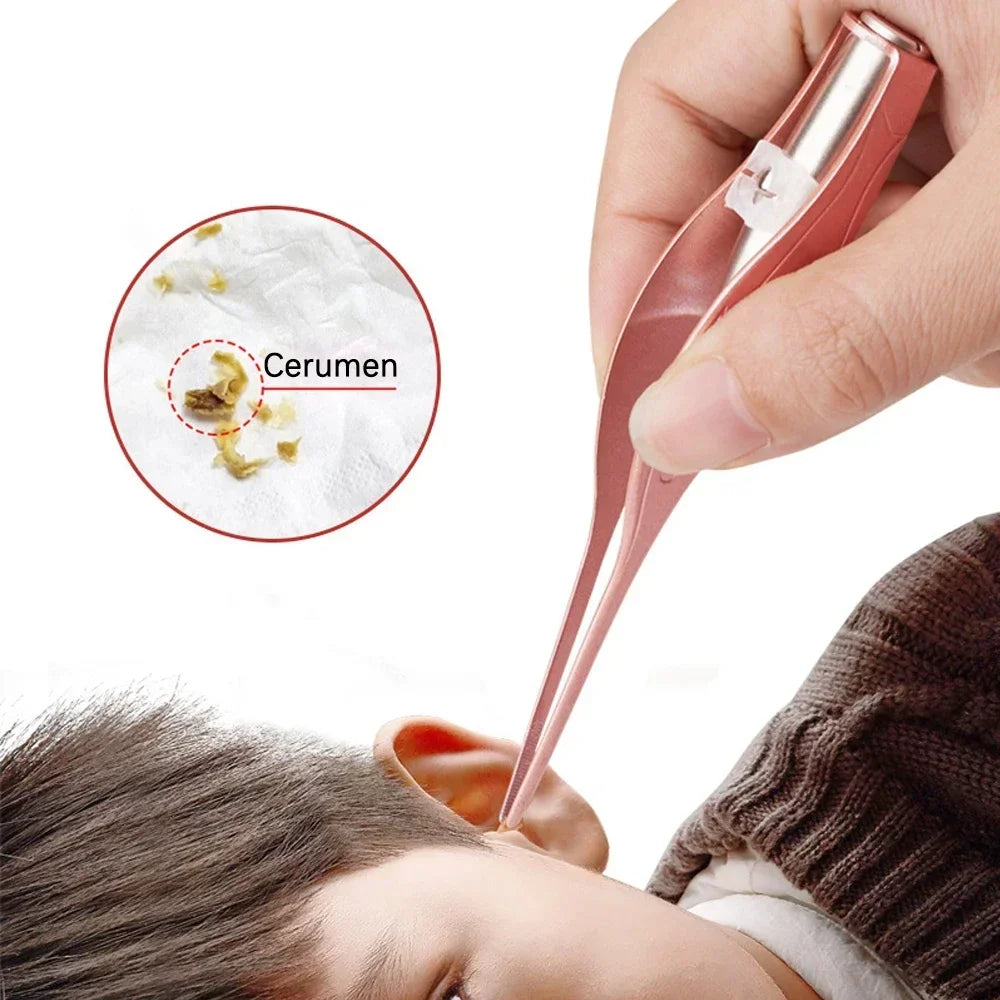
Gentle ear cleaning that eases fear of ears being touched — See it in action
Curious which option feels safest for your child? Below you'll learn when ear cleaning is necessary, which methods are safest, and how modern visual tools can make the process more comfortable for both children and parents.
What Earwax Does and Why It Matters
Earwax, also called cerumen, is a natural part of healthy ears. It protects the ear canal by trapping dust, dirt, bacteria, and other tiny particles before they can travel deeper inside.
Children often produce varying amounts of earwax, and this is usually normal. As the jaw moves while talking and chewing, old wax naturally migrates toward the outer ear where it can be wiped away. This self-cleaning process means many children never need internal ear cleaning.
- Helps protect against bacteria and moisture
- Lubricates the ear canal to prevent dryness
- Normally moves outward without assistance
- Only excessive buildup typically requires attention
Cleaning kids ears should focus on maintaining this natural balance rather than removing every trace of wax.
Why Gentle Ear Cleaning Matters for Kids
Children have narrower ear canals and are more likely to move suddenly during cleaning. Even minor mistakes can push wax deeper, irritate sensitive skin, or make future ear care more difficult because of fear and anxiety.
Gentle ear cleaning for kids prioritizes comfort, visibility, and patience rather than aggressive removal.
- Reduces anxiety linked to fear of ears being touched
- Protects delicate pediatric ear canals
- Helps prevent accidental injury from improper tools
- Builds positive long-term hygiene habits
- Supports confident home ear care for parents
Many families already prioritize safety with items from Health & Safety , Baby Hygiene Gadgets , and Body Care & Health Devices , and ear care deserves the same thoughtful approach.
When Should You Clean a Child's Ears?
Most children do not need routine internal ear cleaning. Cleaning is generally only necessary when wax becomes visible at the outer ear or begins causing symptoms.
Consider cleaning or seeking professional advice if your child experiences:
- Visible wax blocking the ear opening
- Reduced hearing or muffled sounds
- Complaints of fullness in the ear
- Difficulty wearing hearing devices because of wax buildup
- A healthcare provider recommends earwax removal
If your child has severe pain, drainage, bleeding, fever, or sudden hearing loss, skip home cleaning and contact a healthcare professional promptly.
Common Gentle Ear Cleaning Options Compared
Different ear cleaning methods offer different levels of safety, effectiveness, and comfort for children.
| Method | Internal Cleaning | Safety for Kids | Best Use |
|---|---|---|---|
| Soft Cloth & External Wipe | No | Excellent | Daily outer ear hygiene |
| Bulb Syringe Rinsing | Sometimes | Moderate | Selected cases with medical guidance |
| Traditional Ear Picks | Yes | Poor | Generally not recommended for children |
| Visual Ear Cleaning Tools | Yes | Good when used carefully | Parents seeking greater visibility and precision |
Soft Cloth & External Wipe
A soft damp cloth remains the safest choice for cleaning the outside of a child's ear.
- ✅ Ideal for routine hygiene
- ✅ No risk of pushing wax deeper
- ❌ Cannot remove deeper earwax
Bulb Syringe Rinsing
Warm-water irrigation may help soften and remove certain wax buildups but should be avoided if a child has ear tubes, a damaged eardrum, ear infection, or ongoing ear pain.
- ✅ May loosen some wax
- ❌ Can feel uncomfortable for young children
- ❌ Requires proper technique
Traditional Ear Picks
Rigid ear picks can easily push wax farther into the canal or cause injury if a child moves unexpectedly.
- ❌ Higher injury risk
- ❌ Often increases anxiety
- ❌ Not considered the best ear wax removal option for kids
Visual Ear Cleaning Tools for Kids
Camera-assisted tools with soft silicone tips allow parents to see the ear canal during cleaning instead of relying on guesswork.
- ✅ Improved visibility
- ✅ Better control during gentle ear cleaning
- ✅ Soft tips designed for sensitive ears
- ⚠ Still requires careful, slow use
Parents exploring modern care tools often browse Smart Baby Gadgets or Baby Care Essentials for similar peace-of-mind solutions.
Step-by-Step: Safe Ear Cleaning at Home
Cleaning the Outer Ear Safely
- Wash your hands thoroughly.
- Use a soft, damp cloth to wipe only the outer ear.
- Dry the area gently after bathing.
- Never insert cloths or fingers into the ear canal.
Using Drops or Water Rinse
If recommended by your child's healthcare provider, ear-softening drops may help loosen stubborn wax. Water rinsing should only be used when appropriate and never if the child has ear pain, drainage, or a known eardrum problem.
Keeping Toddlers Calm During Cleaning
- Choose a quiet, relaxed time of day.
- Explain each step before touching the ear.
- Allow breaks if your child becomes anxious.
- Use gentle movements and avoid rushing.
What to Avoid When Cleaning Children's Ears
Some popular methods can do more harm than good.
- Avoid cotton swabs inside the ear canal because they often push wax deeper.
- Never use ear candles, which are ineffective and may cause burns.
- Do not insert sharp objects, hairpins, or metal tools into a child's ear.
- Avoid over-cleaning, since healthy ears naturally regulate earwax.
When to See a Doctor for Earwax Removal
Professional evaluation is the safest choice if home care is unsuccessful or symptoms suggest impacted earwax.
Schedule a medical assessment if your child has:
- Persistent ear pain
- Fluid or blood coming from the ear
- Noticeable hearing loss
- Repeated earwax blockage despite home care
- Suspected foreign objects inside the ear
Healthcare professionals may remove earwax using specialized suction, irrigation, or medical instruments while examining the ear safely.
How to Choose the Right Option for Your Child
The best ear wax removal for kids depends on your child's age, comfort level, and the amount of wax present.
- For everyday hygiene, clean only the outer ear.
- If your child fears ear cleaning, prioritize soft materials and good visibility.
- For occasional excess wax, choose gentle methods designed specifically for children.
- When wax causes symptoms or blocks hearing, seek professional guidance rather than forcing home removal.
The Visual Ear Wax Picker for Kids offers parents greater visibility during gentle ear cleaning, helping reduce guesswork while supporting a calmer experience when used according to instructions.
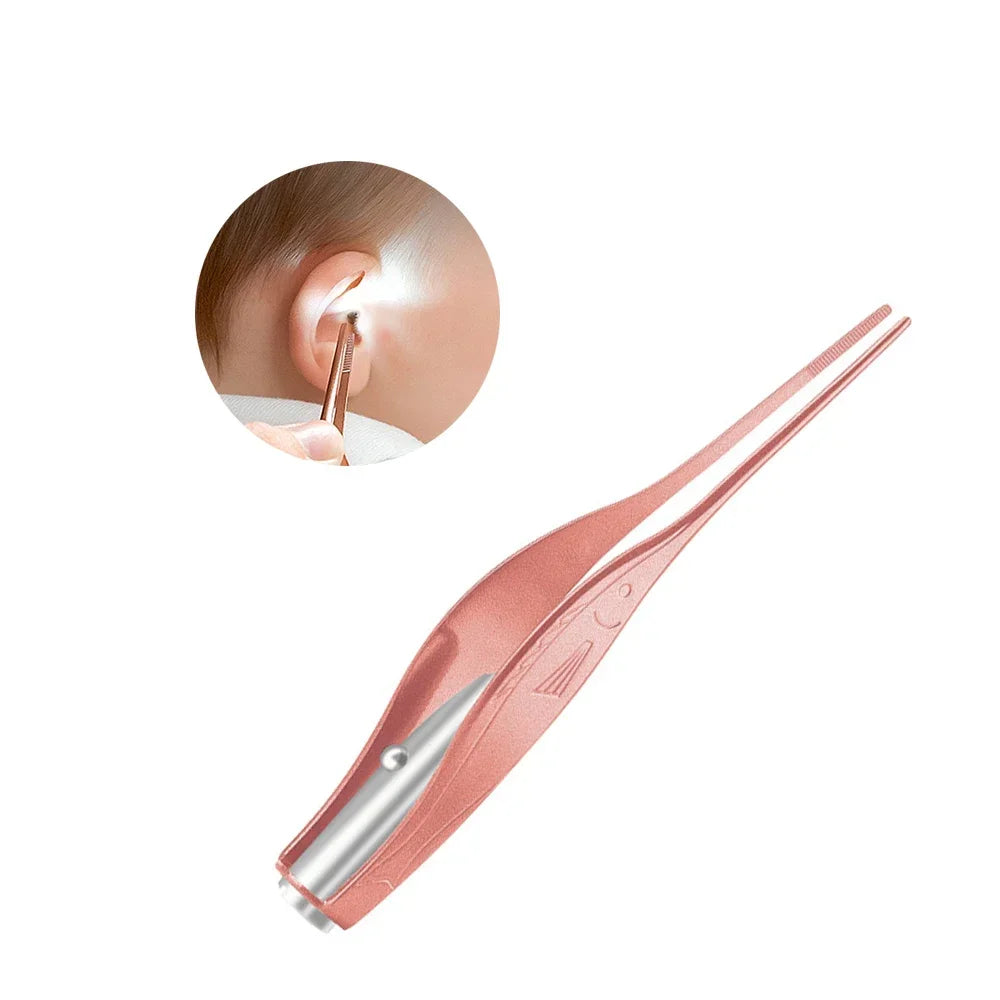
Gentle ear cleaning that supports safe earwax removal methods — See it in action
Parents often explore supportive routines alongside Baby Care Tips & Advice or Beauty & Wellness collections for holistic family care.
Prevention Tips for Healthy Ears
Healthy ears usually require very little maintenance.
- Allow the ears' natural self-cleaning process to work.
- Clean only visible wax around the outer ear.
- Avoid inserting objects into the ear canal.
- Monitor children who frequently wear earbuds or hearing devices for excess wax buildup.
- Observe for changes in hearing or signs of discomfort rather than cleaning on a fixed schedule.
Frequently Asked Questions
Is gentle ear cleaning safe to do at home?
Yes. Cleaning the outer ear with a soft cloth is generally safe, while internal cleaning should only be performed carefully using child-appropriate methods or under medical guidance when necessary.
How often should children's ears be cleaned?
Most children only need occasional cleaning of the outer ear. Internal ear cleaning is usually unnecessary because earwax naturally moves outward over time.
What if my child has a strong fear of ears being touched?
Use slow, reassuring techniques, explain each step, and avoid forcing the process. Tools that improve visibility may also help parents work more confidently and reduce unexpected movements.
Can I use cotton swabs to clean my child's ears?
No. Cotton swabs can push wax deeper into the ear canal and increase the risk of irritation or injury.
What are signs of earwax blockage in toddlers?
Common signs include muffled hearing, pulling at the ears, complaints of fullness, difficulty hearing conversations, or visible wax blocking the ear opening.
Are ear drops safe for kids?
Some ear-softening drops are appropriate for children, but they should be used according to the product directions or a healthcare provider's advice, especially if ear pain or drainage is present.
How do doctors remove earwax in children?
Doctors may use specialized instruments, suction, or carefully controlled irrigation after examining the ear canal to determine the safest removal method.
Is it normal for kids to have a lot of earwax?
Yes. Earwax production varies widely among children. A larger amount is not necessarily a problem unless it causes symptoms or blocks the ear canal.
Related Guide: Earwax Removal Methods Compared for Kids: Pros, Cons, Safety





