

Early Learning Toys for 2 Year Olds That Build Real Skills
What are the best educational toys for 2 year olds?
The best educational toys for 2 year olds encourage language development, fine motor skills, problem-solving, creativity, and sensory exploration through hands-on play. At age two, toddlers learn best from toys that match their abilities, support independent discovery, and turn everyday play into meaningful learning experiences without relying on screens.
Good Educational Toys for 2 Year Olds: Best Fits by Skill Level
⏱ 8 min read
Choosing toys for a 2-year-old can feel overwhelming because toddlers develop quickly and have different interests, strengths, and learning styles. The right educational toys for early childhood development do more than entertain—they help children practice communication, coordination, imagination, and confidence through active play.
Good educational toys for 2 year olds encourage early learning through hands-on exploration and discovery
Best Early Learning Toys for 2 Year Olds (Quick Picks)
The best learning toys for 2 year olds combine fun with developmental benefits. Instead of choosing toys based only on popularity, parents should look for options that encourage active participation, repetition, creativity, and age-appropriate challenges.
Quick comparison table
| Toy Category | Best For | Age Suitability | Main Learning Benefit |
|---|---|---|---|
| Musical keyboard toys | Creativity and early communication | 2+ years | Rhythm, listening, coordination |
| Stacking and sorting toys | Fine motor practice | 18 months–3 years | Hand control and problem-solving |
| Puzzles and matching games | Cognitive development | 2+ years | Memory, logic, and concentration |
| Sensory play toys | Exploration and focus | 2+ years | Texture awareness and calm engagement |
| Pretend play sets | Imagination and language | 2+ years | Social skills and storytelling |
Rotating several types of educational toys for 2 year olds helps toddlers explore different skills while preventing boredom and overstimulation.
How We Chose the Best Early Learning Toys
Good educational toys for 2 year olds should provide more than short-term entertainment. We evaluated toys based on how well they support toddler development, encourage independent play, and remain practical for everyday use.
Evaluation criteria
- Developmental value: Supports language, motor skills, creativity, or problem-solving.
- Safety: Uses toddler-friendly designs without unnecessary hazards.
- Durability: Handles repeated play and active toddler use.
- Ease of play: Allows children to explore without complicated instructions.
Good learning toys for 2 year olds should challenge children slightly while still allowing them to experience success and confidence.
Why Skill-Matched Toys Matter at Age 2
Developmental toys for 2 year olds work best when they match a child’s current abilities. At this stage, toddlers move from simple cause-and-effect play toward purposeful exploration, communication, and problem-solving.
Typical developmental milestones
- Language: Learning new words, naming objects, and expressing preferences.
- Motor skills: Improving grasp, coordination, and hand control.
- Problem solving: Testing ideas through trial and error.
- Attention span: Staying engaged with activities for longer periods.
Age appropriate toys for 2 year olds help children practice these skills naturally through repetition and discovery. Parents exploring Baby Growth & Learning resources often find that skill-matched toys create more meaningful play sessions.
Best Early Learning Toys by Development Goal
Learning toys for 2 year olds should support different areas of growth. The best choices often combine multiple benefits instead of focusing on only one skill.
Fine motor toys
Fine motor toys help toddlers strengthen finger control, coordination, and hand-eye movement. Examples include stacking blocks, button toys, sorting activities, and simple construction sets.
These toys support everyday skills such as holding utensils, turning pages, and preparing for drawing.
Language and speech toys
Educational toys that encourage naming, matching, sounds, and storytelling can support vocabulary growth and early communication.
- Picture matching cards
- Sound recognition toys
- Interactive books
- Simple conversation-based pretend play sets
Problem-solving puzzles
Cognitive development toys for 2 year olds, such as beginner puzzles and shape sorters, teach patience, memory, and logical thinking.
Sensory toys
Sensory toys encourage toddlers to explore textures, sounds, and movement. They can support concentration while providing calming hands-on experiences.
Pretend play toys
Pretend play supports imagination, emotional expression, and social learning. Kitchen sets, role-play toys, and pretend tools allow toddlers to recreate familiar experiences.
Building and STEM toys
Simple building toys introduce early engineering concepts by allowing children to create, test, and rebuild their ideas.
Music and creativity toys
Creative toys help toddlers experiment with rhythm, sound, movement, and self-expression.
Building Fine Motor and Hand Control Through Play
Development toys for 2 year olds that involve pressing, turning, stacking, or arranging objects help strengthen the small muscles needed for daily activities.
Best toy features for motor development
- Large buttons or keys for finger isolation
- Easy-to-grasp pieces for developing coordination
- Stacking, sorting, or connecting parts
- Durable, safe materials for repeated practice
A learning toy for 2 year old children should feel achievable while still encouraging new challenges.
Encouraging Language and Cognitive Growth Naturally
2 year old learning toys that involve sounds, matching, and repetition help toddlers connect actions with outcomes. These activities strengthen memory, listening, and early communication skills.
Vocabulary-building toys
Good examples include picture cards, storytelling toys, animal sets, and music toys that introduce sounds and words.
These toys encourage:
- Vocabulary development
- Memory practice
- Matching skills
- Understanding early concepts
Parents often combine these options with Sensory Toys to create varied learning experiences.
Early learning toys and sensory play options designed for growing toddlers
Sensory Play That Strengthens Focus
Toddler learning toys 2 year old children use for sensory exploration can support attention, curiosity, and emotional regulation. Sensory play allows children to learn through touch, sound, movement, and visual discovery.
Best sensory materials
- Different safe textures
- Soft and easy-to-hold materials
- Simple movement-based activities
- Easy-to-clean surfaces
Benefits parents may notice include:
- Longer engagement during play
- More curiosity-driven exploration
- Calmer transitions between activities
Pairing sensory toys with movement-based items from Mobility & Training collections supports both physical and cognitive development.
How Music Toys Support Early Learning
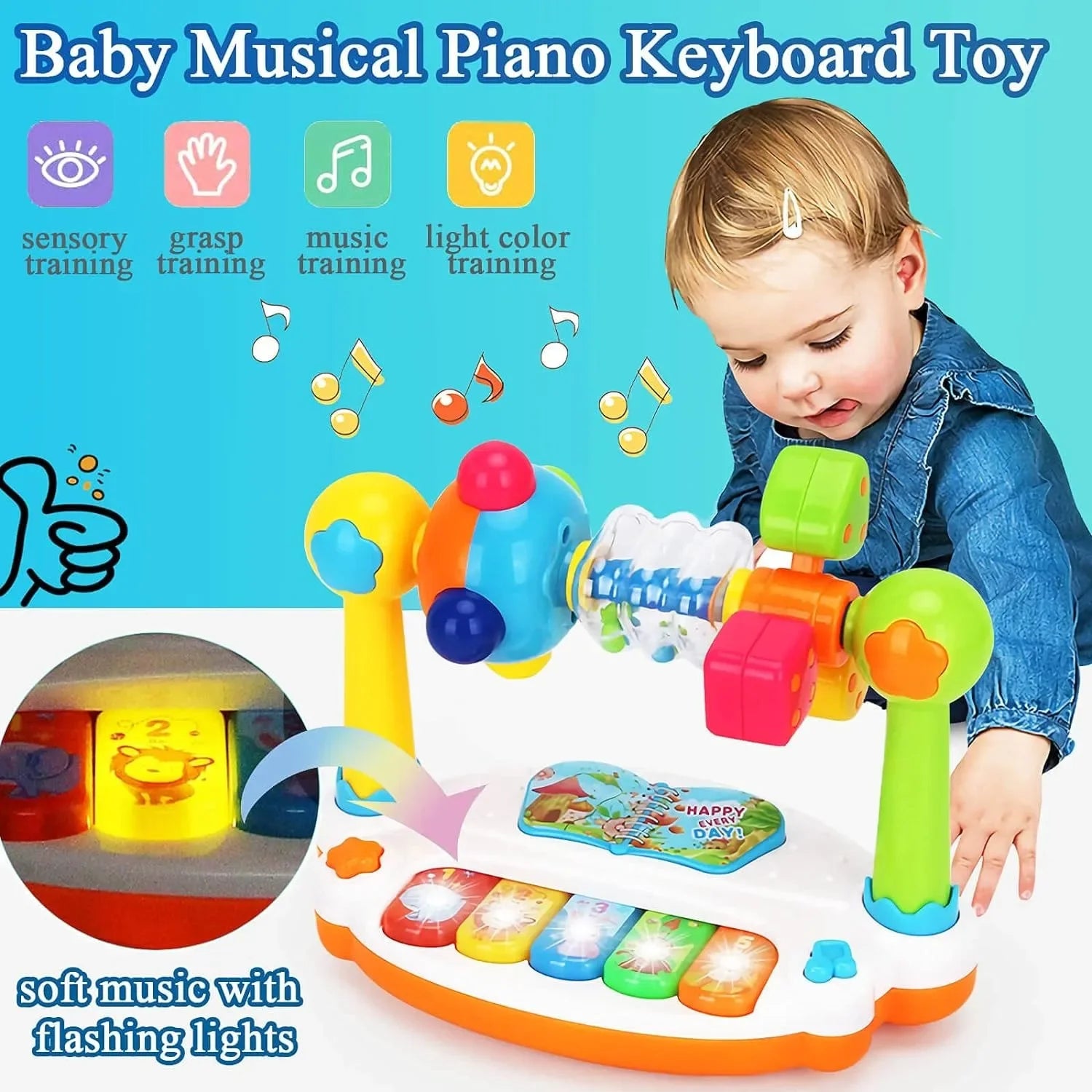
Learning toys for 2 year old children often include music because rhythm and repetition encourage listening skills, coordination, and creativity.
Choosing age-appropriate music toys
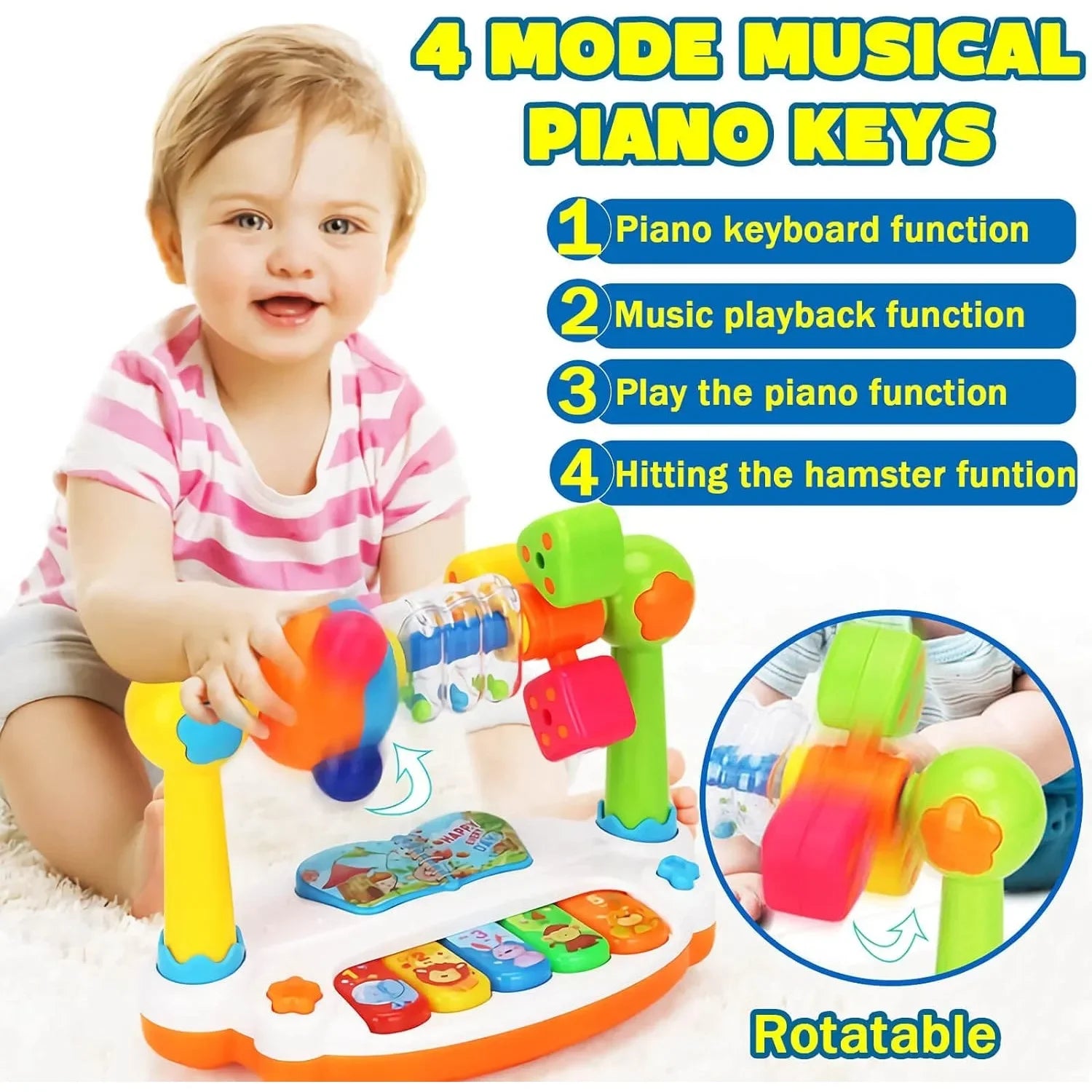
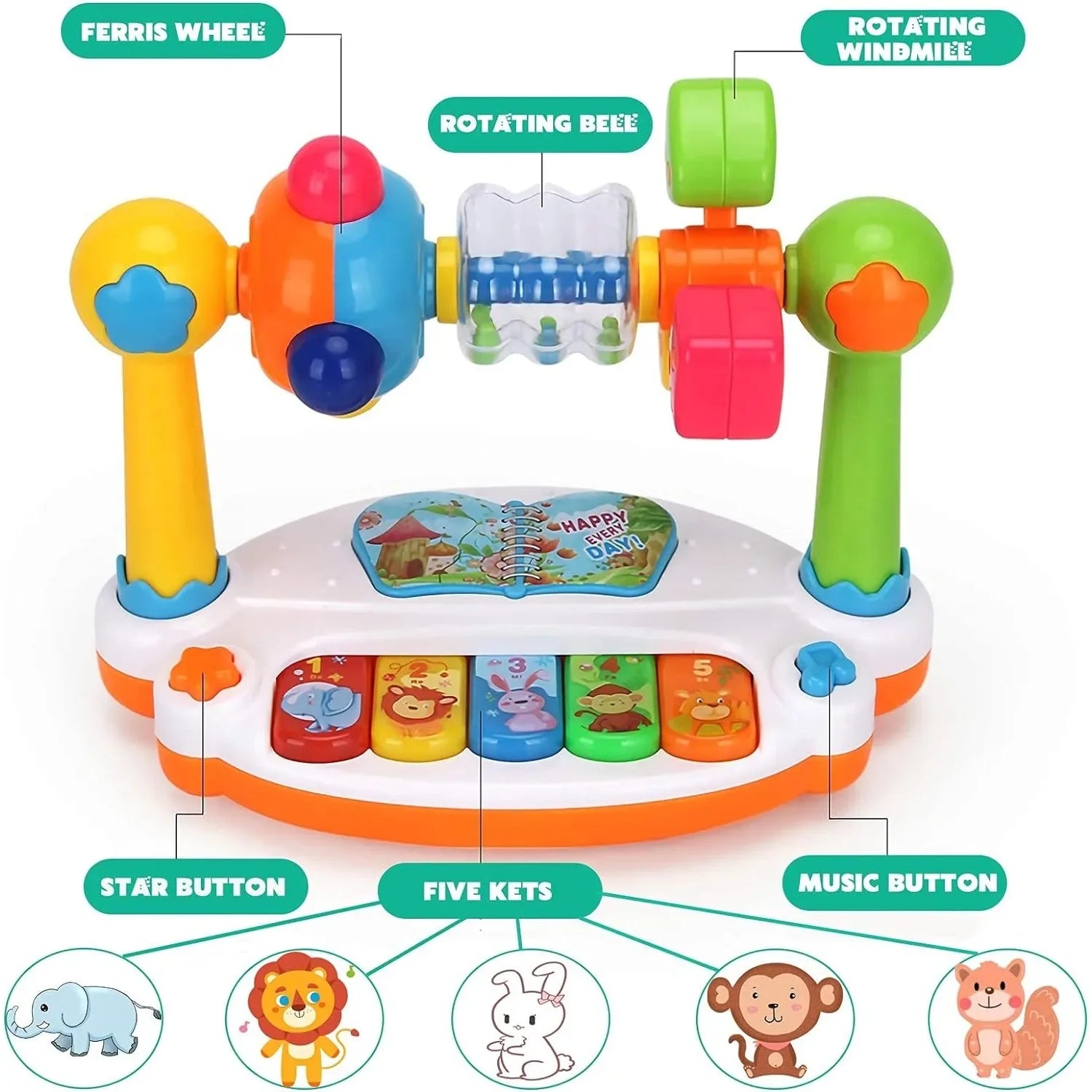
The best music toys for toddlers should have simple controls, gentle sounds, and opportunities for children to experiment independently.
A beginner-friendly keyboard toy can help toddlers:
- Explore cause-and-effect learning
- Practice finger movement
- Recognize patterns and sounds
- Express creativity
You can explore an example here , which balances entertainment with skill-building practice.
Educational Toy Types by Skill Level
Beginner learners
Beginners benefit from simple toys with clear actions and results, such as stacking toys, large puzzles, and basic sound toys.
Developing learners
Children ready for more challenge can explore matching games, building sets, and toys that require multiple steps.
Advanced toddlers
Advanced toddlers may enjoy pretend play, creative construction, and activities that combine language, movement, and problem-solving.
| Skill Focus | Recommended Toy Type | Main Benefit |
|---|---|---|
| Fine Motor Control | Button, stacking, and key toys | Hand strength and coordination |
| Language Development | Sound, music, and storytelling toys | Listening and vocabulary skills |
| Sensory Processing | Textured play sets | Focus and exploration |
| Problem Solving | Puzzles and sorting toys | Logic and patience |
Toddler Toy Safety and Buying Guide
Knowing what types of learning toys are ideal for toddlers around two years old also means choosing products that are safe, durable, and easy to maintain.
Safety checklist
- Avoid small removable parts that may create choking risks.
- Choose age-labeled toys designed for toddlers.
- Check that materials are non-toxic and durable.
- Select toys that can be cleaned easily.
Materials to look for
Look for sturdy construction, smooth edges, washable surfaces, and child-safe materials that can handle daily use.
Good educational toys for 2 year olds designed for learning through play
Frequently Asked Questions
How many educational toys does a 2-year-old need?
Most toddlers benefit from a small rotation of around 5–8 well-chosen toys. Fewer, skill-matched toys often encourage deeper engagement and reduce overstimulation.
Are music toys overstimulating for toddlers?
When designed with gentle sounds and simple controls, music toys can support creativity, listening, and focus instead of causing overwhelm.
Can one toy support multiple skills?
Yes. Many good educational toys for 2 year olds combine fine motor practice, sensory exploration, language development, and problem-solving in one activity.
What toys help a 2 year old learn?
Toys that encourage active participation—such as puzzles, stacking toys, pretend play sets, sensory toys, and musical instruments—help toddlers develop important early skills.
What toys should a 2 year old have?
A balanced toy collection may include options for creativity, movement, language, fine motor practice, and independent exploration.
How do I choose age-appropriate learning toys for a 2 year old?
Choose toys that match your child’s current abilities, provide a small challenge, use safe materials, and encourage hands-on discovery.
What are the best learning toys for 2 year olds?
The best learning toys for 2 year olds are those that support multiple developmental areas while keeping play enjoyable, such as puzzles, building toys, sensory activities, music toys, and pretend play sets.
How do learning toys support cognitive development?
Learning toys encourage memory, attention, problem-solving, creativity, and early decision-making by allowing toddlers to experiment and learn through repetition.
Are Montessori toys good for 2 year olds?
Montessori-inspired toys can be beneficial because they often encourage independence, practical skills, concentration, and hands-on exploration.
How many learning toys does a toddler really need?
Toddlers do not need a large number of toys. A smaller collection that supports different skills and is rotated regularly can provide meaningful learning opportunities.
Related Guide: Play Early Childhood: Choosing the Right Toys for Every Stage
Related Articles:





