

Best Wind Speed for Flying Kites: Find the Perfect Breeze
Best Wind Speed for Flying Kites: Quick Answer
The best wind speed for flying kites is typically 5–15 mph (8–24 km/h) for most recreational single-line kites. Within this range, the kite generates enough lift for smooth, stable flight without creating excessive pulling force.
For the best results, pay attention to sustained wind rather than peak gusts. A steady 8 mph breeze is usually easier to fly in than winds averaging 8 mph with frequent 18 mph gusts. The ideal wind speed for kite flying also depends on your kite's size and design—lightweight children's kites can fly in lighter breezes, while larger display or sport kites often require stronger, steadier winds.
Good Kite Flying Wind Speed: Find the Sweet Spot Fast
Good kite flying wind speed is the difference between a calm, confidence-boosting flight and a frustrating afternoon of tangled lines. Many families head outside with kids, excited to fly, only to discover that flying in strong winds feels chaotic and unsafe. Understanding wind ranges, kite stability, and the most stable kite design makes all the difference.
⏱ 9 min read
Ever wonder why the kite won't stay up—or why it suddenly yanks so hard your child drops the line? You're not alone. Wind is invisible, unpredictable, and often misunderstood. This guide explains how to match the right kite with the right wind so every flight is smoother, safer, and more enjoyable.
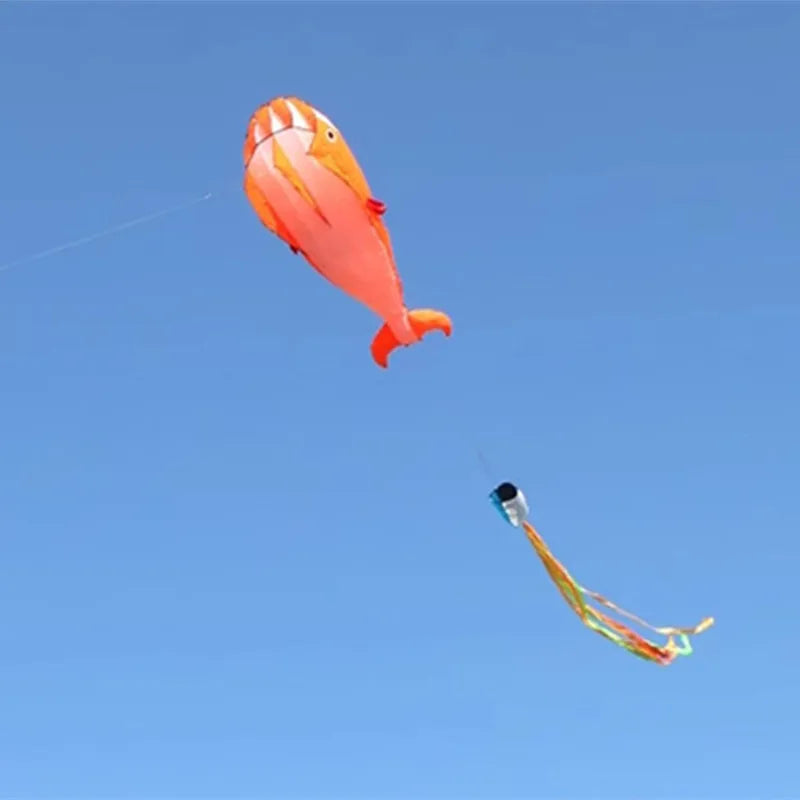
Smooth lift at good kite flying wind speed builds confidence for beginners. See it in action.
Why Wind Speed Matters for Lift, Stability, and Control
Wind flowing over and under the kite creates lift. When the breeze is steady, the kite remains balanced and requires only small steering adjustments. When wind becomes turbulent or gusty, lift changes rapidly, causing the kite to dive, stall, or pull unexpectedly.
- Very light wind may not generate enough lift to keep the kite airborne.
- A steady moderate breeze produces the most predictable flight.
- Strong wind creates higher line tension and faster reactions.
- Gusts are often more challenging than consistently stronger wind.
- Buildings, trees, and hills create turbulence that affects kite stability.
The perfect wind speed for kite flying is not simply the strongest breeze available—it is the one that matches both your kite design and your experience level.
Recommended Wind Speed by Kite Type
| Kite Type | Recommended Wind | km/h | Best For | When to Avoid |
|---|---|---|---|---|
| Children's kites | 5–10 mph | 8–16 km/h | Young beginners | Above 15 mph |
| Diamond & delta kites | 6–15 mph | 10–24 km/h | Families and casual flying | Very gusty conditions |
| Stunt & sport kites | 10–20 mph | 16–32 km/h | Experienced flyers | Light wind below 8 mph |
| Parafoil kites | 8–18 mph | 13–29 km/h | Intermediate users | Stormy or turbulent wind |
| Large display kites | 8–15 mph | 13–24 km/h | Open spaces | Strong gusts above 20 mph |
Knowing the minimum wind speed to fly a kite mph helps prevent frustration. Most lightweight recreational kites begin flying around 5 mph, while larger or heavier designs may need closer to 8 mph before they generate enough lift.
Ideal Wind Ranges for Beginners and Experienced Flyers
| Experience | Recommended Wind | Conditions |
|---|---|---|
| Beginners | 5–8 mph | Steady breeze with few gusts |
| Intermediate | 8–12 mph | Consistent lift and responsive control |
| Advanced | 12–15 mph | Requires quicker reactions and stronger grip |
Common beginner mistakes include flying oversized kites in strong wind, launching in turbulent areas behind trees, or ignoring gust forecasts. Matching the kite to the day's conditions produces better control than simply choosing a larger kite.
Wind Speed Guide Using the Beaufort Scale
| Beaufort | Wind | What You See | Kite Flying |
|---|---|---|---|
| 1 | 1–3 mph | Smoke drifts | Usually too calm |
| 2 | 4–7 mph | Leaves move gently | Good for light kites |
| 3 | 8–12 mph | Small branches sway | Ideal for most family kites |
| 4 | 13–18 mph | Dust and loose paper move | Experienced flyers only |
| 5+ | 19+ mph | Larger branches sway | Consider packing up |
How to Check Wind Speed Before Flying
Using weather apps
Look beyond the average wind speed. Compare sustained wind with gust forecasts and choose periods when both values stay close together.
Using a handheld wind meter
A portable anemometer provides the most accurate reading if you fly regularly. Measure wind in the open field rather than the parking lot or behind buildings.
Reading natural signs
Watch moving grass, tree branches, and flags. Early mornings and late afternoons often provide steadier conditions than windy midday periods in many locations.
Flying in Strong Winds Without Losing Control
If wind becomes stronger than expected, reduce the kite's power instead of trying to overpower it.
- Switch to a smaller kite.
- Shorten the flying line for better control.
- Keep both hands ready to absorb sudden pulls.
- Land immediately if gusts become unpredictable.
- Never continue flying if line tension becomes difficult to manage.
The perfect wind speed for kite flying should feel controlled—not exhausting. If the kite is pulling continuously or making loud fluttering noises, conditions may already be too strong.
Choosing the Most Stable Kite Design
Different kite designs perform best under different wind conditions.
- Delta kites offer excellent stability across a wide wind range.
- Diamond kites remain a classic beginner-friendly option.
- Parafoil kites handle stronger wind because they have no rigid frame.
- Large display kites require more experience and open space.
For families, single-line delta and diamond kites remain among the easiest options to launch and control. Animal-themed designs such as the Whale Dolphin Kite combine attractive visuals with predictable handling, making them an enjoyable choice for children and first-time flyers.
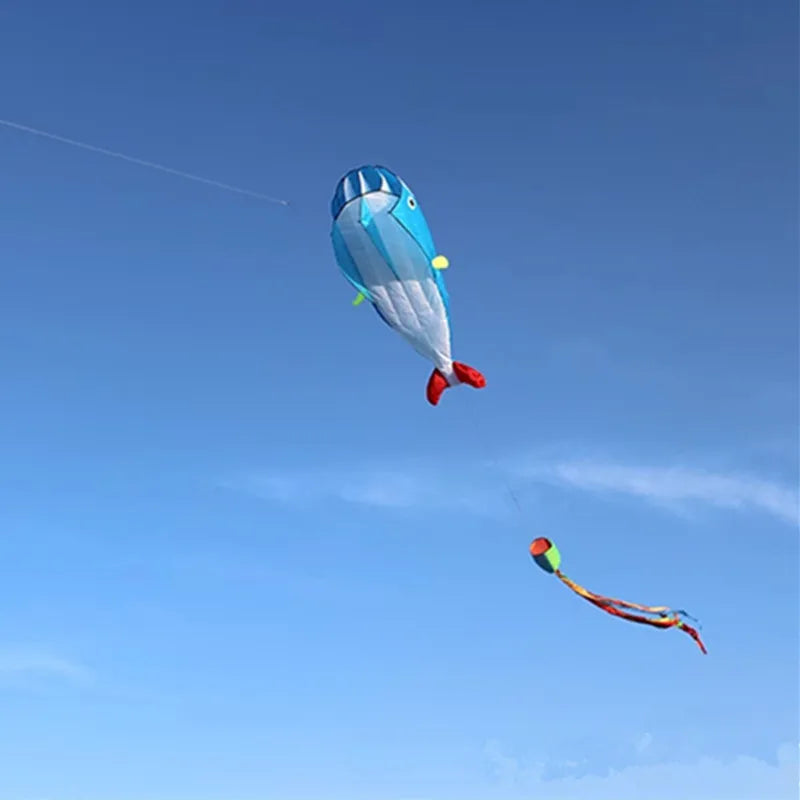
The most stable kite design shines at good kite flying wind speed. See it in action.
Step-by-Step: Find the Best Wind Speed Fast
- Check the weather forecast for sustained wind and gusts.
- Match your kite type to the expected conditions.
- Perform a short test launch before letting out more line.
- If the kite repeatedly stalls or pulls excessively, adjust equipment or postpone flying.
These simple checks help you find the best wind speed for kite flying within minutes and avoid wasting time in unsuitable conditions.
Kite Flying Safety Tips for Kids and Families
- Fly only in large open fields away from roads and power lines.
- Avoid thunderstorms, rain, and approaching weather fronts.
- Keep plenty of distance between multiple kite flyers.
- Children should always fly with adult supervision.
- Wear gloves if stronger winds are expected.
Families who prioritize safety often explore other gentle outdoor and indoor play options, like activities from Baby Growth & Learning or calming routines supported by Sleep & Comfort.
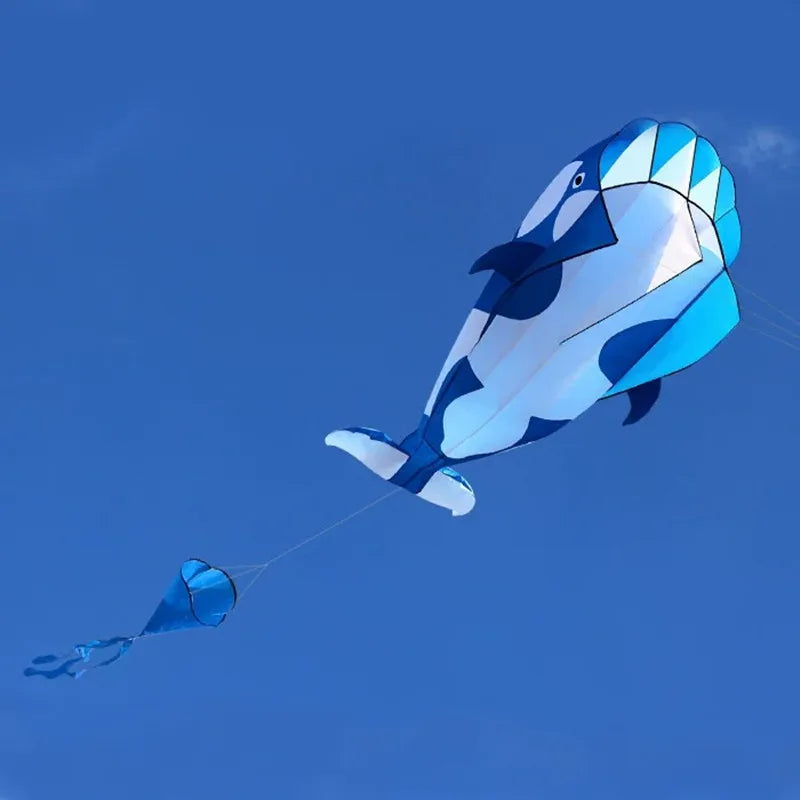
Balanced lift and kite stability at good kite flying wind speed. See it in action.
Troubleshooting Common Kite Flying Problems
Kite won't lift
The wind may be below the minimum wind speed needed for your kite, or the kite may be too heavy. Try a lighter kite or wait for steadier wind.
Kite keeps crashing
Frequent crashes usually indicate turbulent air, incorrect bridle adjustment, or launching too close to trees and buildings.
Kite pulls too hard
Reduce line length, switch to a smaller kite, or stop flying if sustained wind continues increasing.
Kite spins or dives
Inspect the frame for damage, make sure the line is attached correctly, and move to a location with cleaner, less turbulent airflow.
FAQ
What is the best wind speed for flying kites?
For most recreational kites, the best wind speed is between 5 and 15 mph (8–24 km/h). Beginners usually enjoy the greatest stability around 5–10 mph.
What is the minimum wind speed to fly a kite in mph?
Most lightweight single-line kites begin flying at approximately 5 mph, although heavier kites may require 6–8 mph for consistent lift.
Is 20 mph too windy for kite flying?
For many family kites, yes. Twenty mph can produce strong pulling forces and sudden gusts that make flying difficult and less safe, especially for children.
How do gusts affect kite flying?
Gusts rapidly change lift and line tension, making the kite harder to control than a steady breeze with the same average wind speed.
Which kite works best in light wind?
Lightweight delta kites and many children's single-line kites perform well in gentle breezes between 5 and 8 mph.
How can I tell if the wind is safe without a wind meter?
Watch tree branches, grass, and flags. Gentle, consistent movement usually indicates suitable conditions, while sudden strong gusts or rapidly changing wind direction suggest waiting for better weather.
Related Guide: How to Fly a Kites: Step-by-Step Setup and First Launch





