

Good Kite Flying Wind Speed: 7 Kite Stability Secrets
What is good kite flying wind speed?
Good kite flying wind speed usually falls between 5–15 mph for most recreational kites. This range provides enough lift for smooth flight without overpowering control. Choosing the right wind helps maintain kite stability, reduces sudden dives, and allows beginners and families to enjoy longer, safer sessions outdoors.
Good Kite Flying Wind Speed: Find the Sweet Spot Fast
Good kite flying wind speed is the difference between a calm, confidence-boosting flight and a frustrating afternoon of tangled lines. Many families head outside with kids, excited to fly, only to discover that flying in strong winds feels chaotic and unsafe. Understanding wind ranges, kite stability, and the most stable kite design makes all the difference.
⏱ 7 min read
Ever wonder why the kite won’t stay up—or why it suddenly yanks so hard your child drops the line? You’re not alone. Wind is invisible, unpredictable, and often misunderstood. Let’s break it down simply so your next outing feels joyful, not stressful.
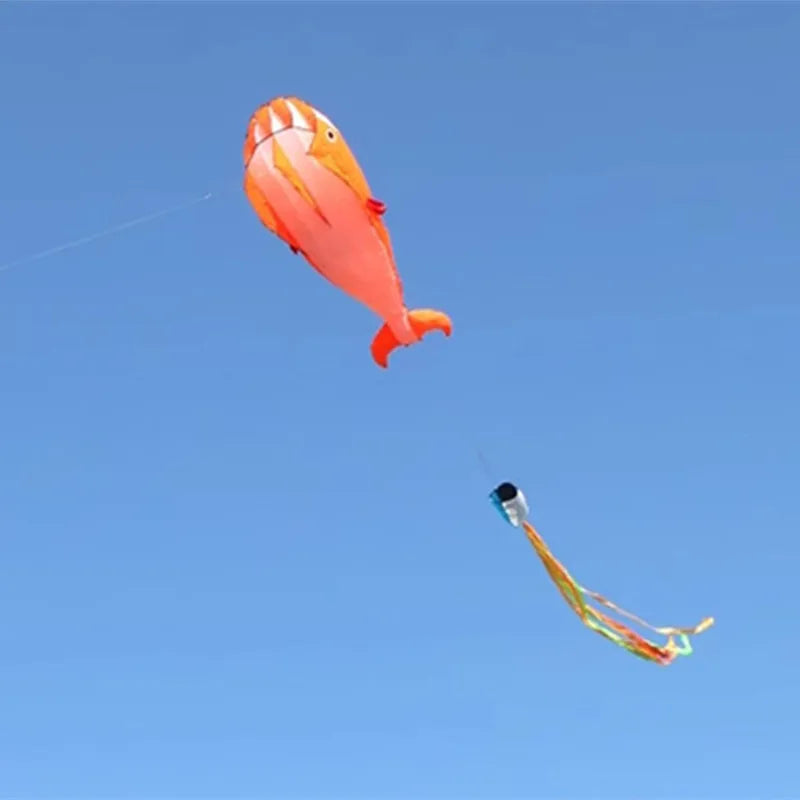
Smooth lift at good kite flying wind speed builds confidence for beginners 💡 See it in action
Why wind speed matters for kite stability
Wind speed controls how much lift your kite generates. Too little wind and the kite sinks. Too much, and it pulls erratically. For families flying with children, stability matters more than height. A steady breeze keeps movements predictable and hands relaxed.
- Light wind supports gentle launches
- Moderate wind improves kite stability
- Strong gusts increase strain and fatigue
- Wrong conditions often cause crashes
Parents often assume stronger wind equals better flying. In reality, flying in strong winds without the right kite can overwhelm beginners fast.
Ideal wind ranges by experience level
Good kite flying wind speed changes depending on who’s holding the line. Matching wind to experience prevents frustration and keeps outdoor play fun.
| Experience Level | Wind Speed | What It Feels Like |
|---|---|---|
| Kids & beginners | 5–8 mph | Light pull, easy control |
| Casual flyers | 8–12 mph | Smooth lift, steady flight |
| Experienced flyers | 12–15 mph | Strong response, active handling |
If you’re flying as a family, aim for the lower end. Calm control builds confidence—especially for kids.
Flying in strong winds without losing control
Flying in strong winds doesn’t have to mean chaos. The key is preparation. Shorter lines, smaller kites, and stable designs reduce sudden pulls.
- Check gusts, not just average wind
- Choose open fields away from trees
- Keep your stance wide and grounded
- Stop if the kite feels jerky or loud
When wind picks up unexpectedly, it’s okay to pause. Outdoor play should feel safe, not stressful.
What makes the most stable kite design?
The most stable kite design focuses on balance, not speed. Wider wings, flexible frames, and simple shapes help kites self-correct in shifting wind.
Delta and diamond kites are popular for families because they handle changing breezes gently. Animal-themed designs, like the Whale Dolphin Kite, combine visual fun with predictable flight, making them easier for children to manage.
- Wide wings for balanced lift
- Flexible materials to absorb gusts
- Single-line setup for simplicity
- Lightweight frame for low wind
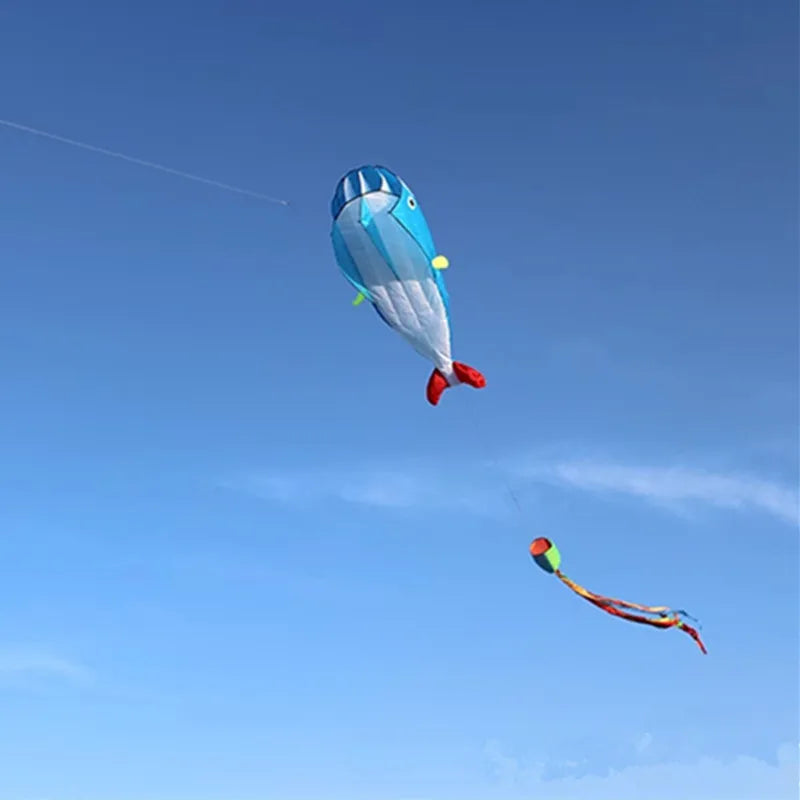
The most stable kite design shines at good kite flying wind speed 💡 See it in action
Step-by-step: how to find the sweet spot fast
You don’t need tools or apps. Just observe your surroundings and follow these simple steps.
- Watch grass or leaves for steady movement
- Feel wind on your face—not gusty, not still
- Launch with the kite low, not overhead
- Adjust line length if pull feels strong
Within minutes, you’ll know if conditions feel right. Trust your hands—they notice instability faster than your eyes.
Safety tips for kids and parents
Outdoor fun should never come with worry. Simple precautions protect little hands and build trust.
- Use gloves for windy days
- Keep distance between flyers
- Avoid storms or sudden weather shifts
- Supervise younger children closely
Families who prioritize safety often explore other gentle outdoor and indoor play options, like activities from Baby Growth & Learning or calming routines supported by Sleep & Comfort.
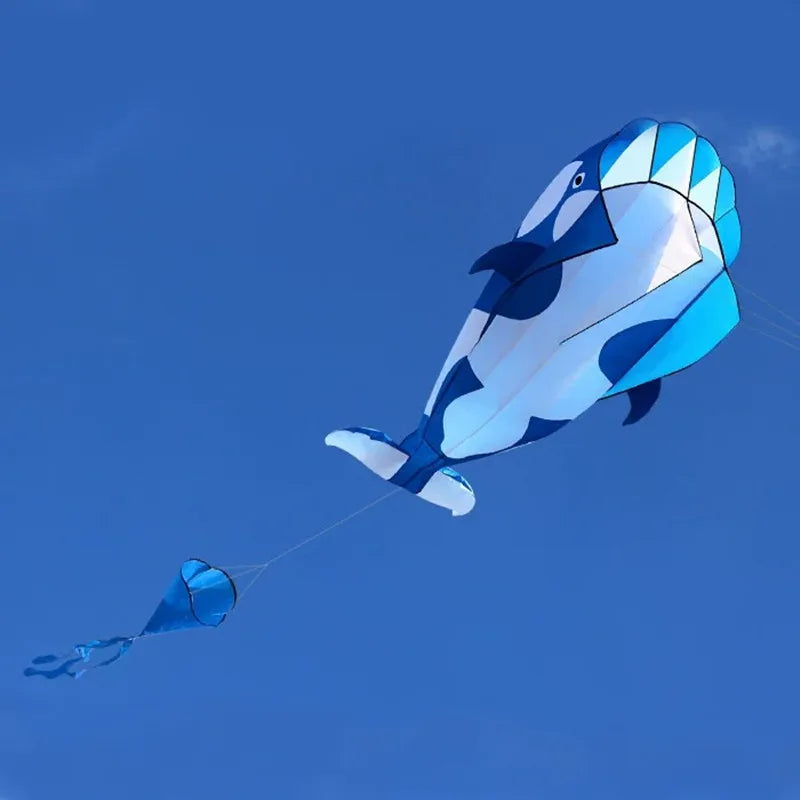
Balanced lift and kite stability at good kite flying wind speed 💡 See it in action
Mini FAQ
Is more wind always better for kite flying?
No. Too much wind reduces control and increases strain. Moderate, steady wind creates the best balance of lift and stability.
Can beginners fly kites in strong winds?
Beginners should avoid strong winds. Lower wind speeds are safer, easier to manage, and more enjoyable for learning.
What kite is best for kids?
Simple, stable designs with single lines and flexible frames work best. They correct themselves and feel predictable in the air.
How long should a kite stay up in good conditions?
In the right wind, a kite can stay aloft for long periods with minimal effort, allowing kids to focus on fun instead of control.
Related Guide: How to Fly a Kites: Step-by-Step Setup and First Launch





