

Gross Motor Skills Toy: Key Benefits Kids Gain Faster
Does a gross motor skills toy really help kids develop faster?
A gross motor skills toy helps children build strength, balance, and coordination faster by encouraging full-body movement through play. When kids push, aim, climb, or move with purpose, their muscles and brain connections develop together, making physical progress more natural, confident, and enjoyable.
Gross Motor Skills Toy: Key Benefits Kids Gain Faster
Gross motor skills toy benefits go far beyond burning off extra energy. The right movement-focused toys help children strengthen muscles, improve balance, and gain confidence through joyful, repeatable play. For parents wondering how to support healthy physical development without pressure, these toys offer a simple, effective solution.
⏱ 7 min read
Explore smart activity ideas that make development feel effortless.
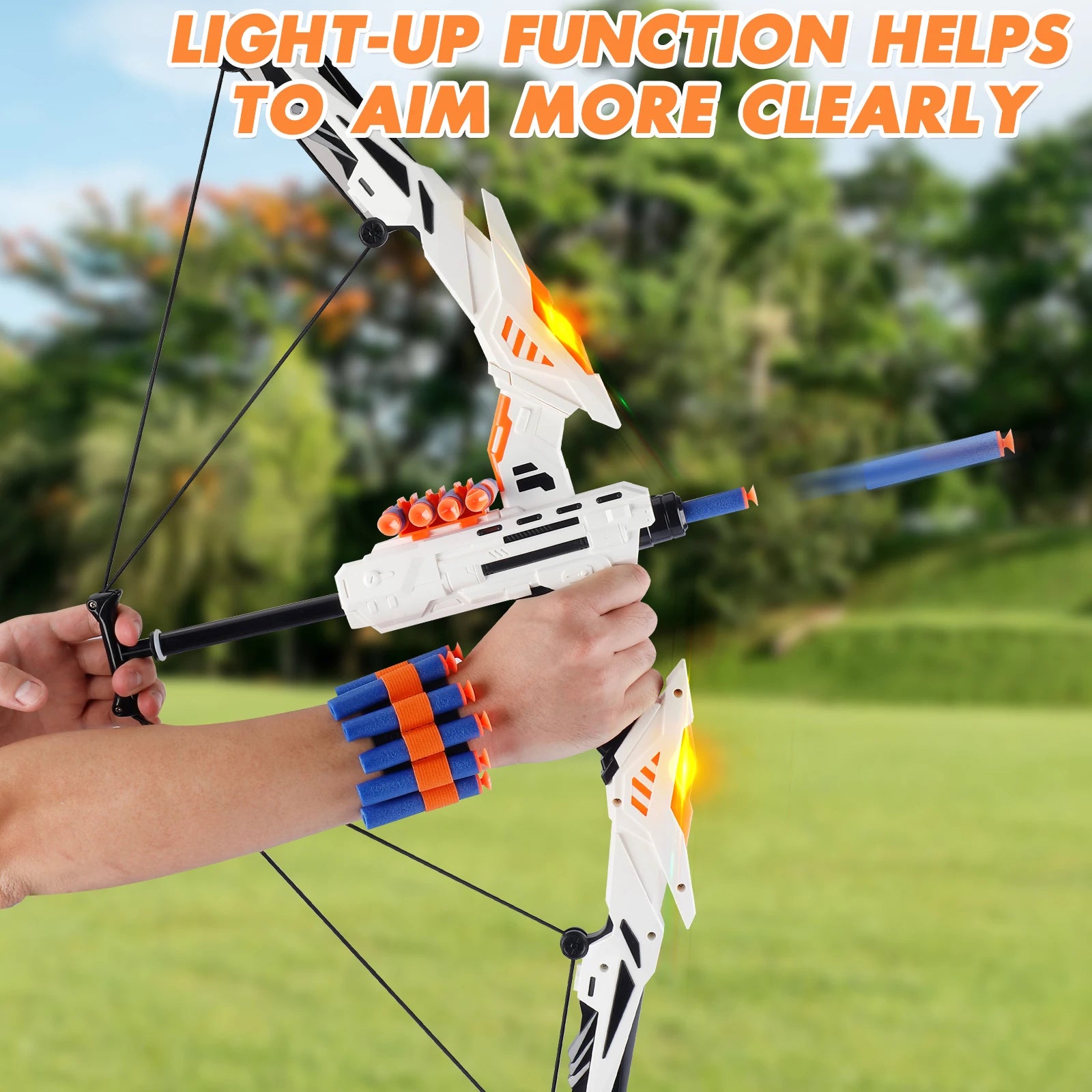
Gross motor skills toy ideas that turn movement into progress 💡 See it in action
Why Gross Motor Skills Matter in Early Childhood
Gross motor skills are the foundation of how children move through the world. They involve large muscle groups that control actions like running, jumping, throwing, and balancing. When these skills develop well, kids move with ease, confidence, and control.
Delays in movement skills can affect posture, coordination, and even attention. That’s why parents often look for toys to develop gross motor skills that feel playful rather than instructional.
Active play supports:
- Whole-body strength and endurance
- Balance and spatial awareness
- Hand-eye coordination
- Emotional confidence through achievement
Collections like Baby Growth & Learning often focus on tools that encourage these milestones naturally through everyday play.
What Makes a Gross Motor Skills Toy Truly Effective?
A gross motor skills toy works best when it invites movement with purpose. Instead of passive buttons or screens, it encourages kids to aim, move, adjust, and try again. These repeated actions strengthen both muscles and problem-solving pathways.
An effective toy typically offers:
- Clear physical goals (hit, balance, throw, step)
- Safe resistance or challenge that adapts to ability
- Open-ended play that grows with the child
- Opportunities for solo or social play
For example, a simple activity like aiming at a target or stepping through a course builds coordination far more effectively than watching or tapping.
Key Benefits Kids Gain Faster With Active Play
A gross motor skills toy helps children develop faster by combining movement, focus, and fun into one experience. When kids are engaged, they repeat movements willingly, which accelerates physical progress without frustration.
1. Stronger Muscles Without Forced Exercise
Climbing, pulling, aiming, and stepping activate large muscle groups. Unlike structured workouts, play-based movement feels rewarding, so kids naturally practice longer.
2. Better Balance and Coordination
Many active games for preschoolers require shifting weight, adjusting stance, or controlling direction. These actions refine balance and body awareness over time.
3. Improved Focus and Self-Regulation
When a child concentrates on hitting a target or completing a movement, they practice focus and patience. Physical effort paired with mental attention supports calmer behavior afterward.
4. Confidence Through Achievement
Each successful movement builds confidence. Children begin to trust their bodies, making them more willing to try new physical challenges.
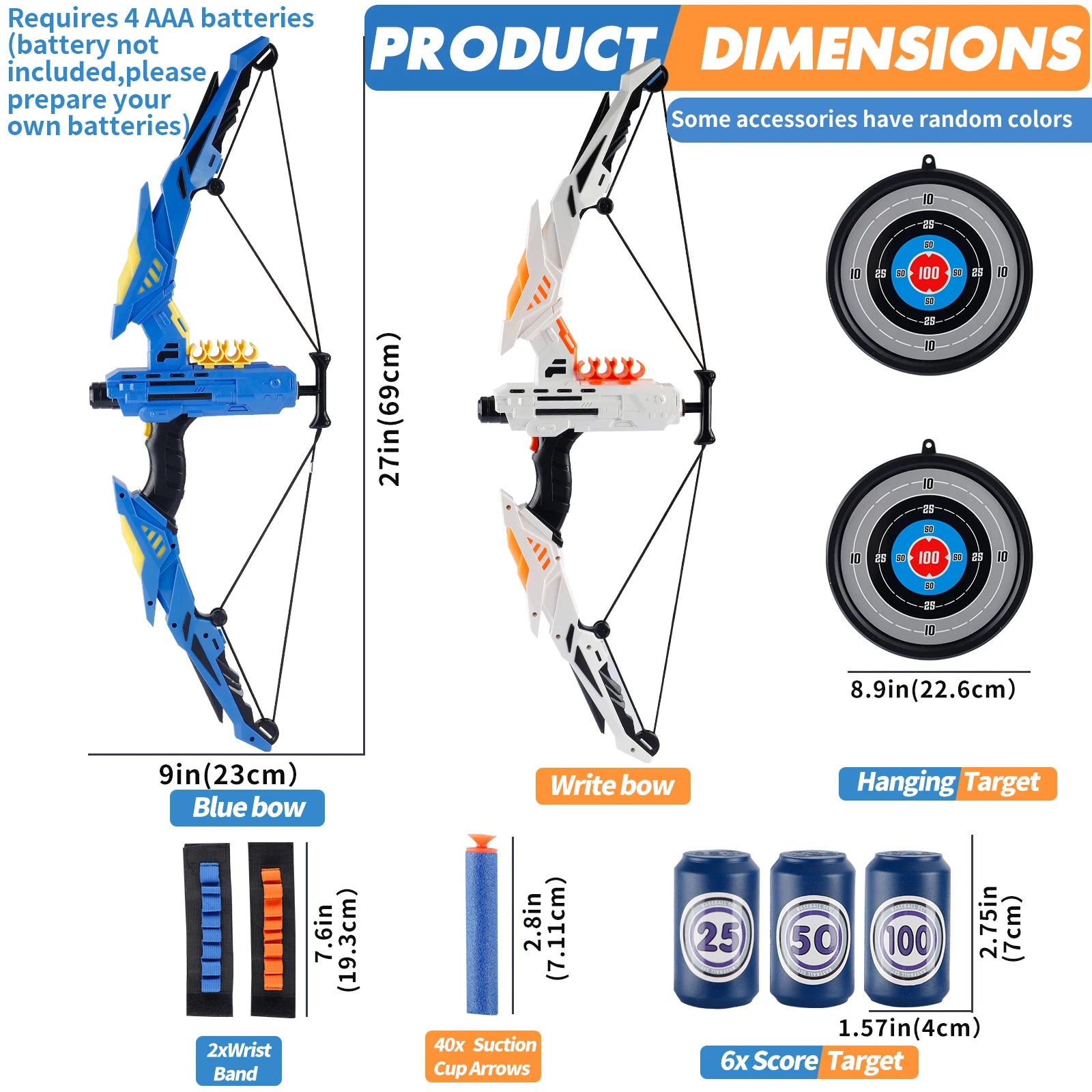
Toys to develop gross motor skills that grow confidence and control 💡 See it in action
Discover options designed for active, frustration-free play.
Active Games for Preschoolers That Build Real Skills
Active play ideas for preschoolers work best when they feel like games, not drills. Simple challenges that involve movement and imagination keep kids motivated.
Examples include:
- Aiming games that improve hand-eye coordination
- Obstacle paths that build balance and planning
- Throw-and-retrieve activities that boost endurance
- Role-play movement games that add creativity
These activities align well with collections such as Mobility & Training and Sensory Toys, which support active learning through motion.
One engaging option parents often explore is a safe, kid-friendly activity set like this kids archery set, which combines aiming, posture, and focus into a playful routine.
How This Type of Toy Compares to Passive Play
| Active Movement Toys | Passive Toys |
|---|---|
| Build strength and coordination | Minimal physical engagement |
| Encourage problem-solving | Limited skill transfer |
| Boost confidence through action | Short attention span |
| Support healthy energy release | May increase restlessness |
Parents comparing options often find that toys to develop gross motor skills deliver more lasting benefits than toys focused only on entertainment.
How to Choose the Right Toy for Your Child
When selecting a gross motor skills toy, consider your child’s age, space, and interests. The best choice matches ability while offering room to grow.
- Check safety features and soft-impact materials
- Choose adjustable difficulty or open-ended play
- Look for toys that encourage standing, reaching, or aiming
- Prioritize durability for repeated movement
Parents often pair active toys with supportive wellness routines from Health & Safety and calming downtime tools from Sleep & Comfort to balance activity and rest.
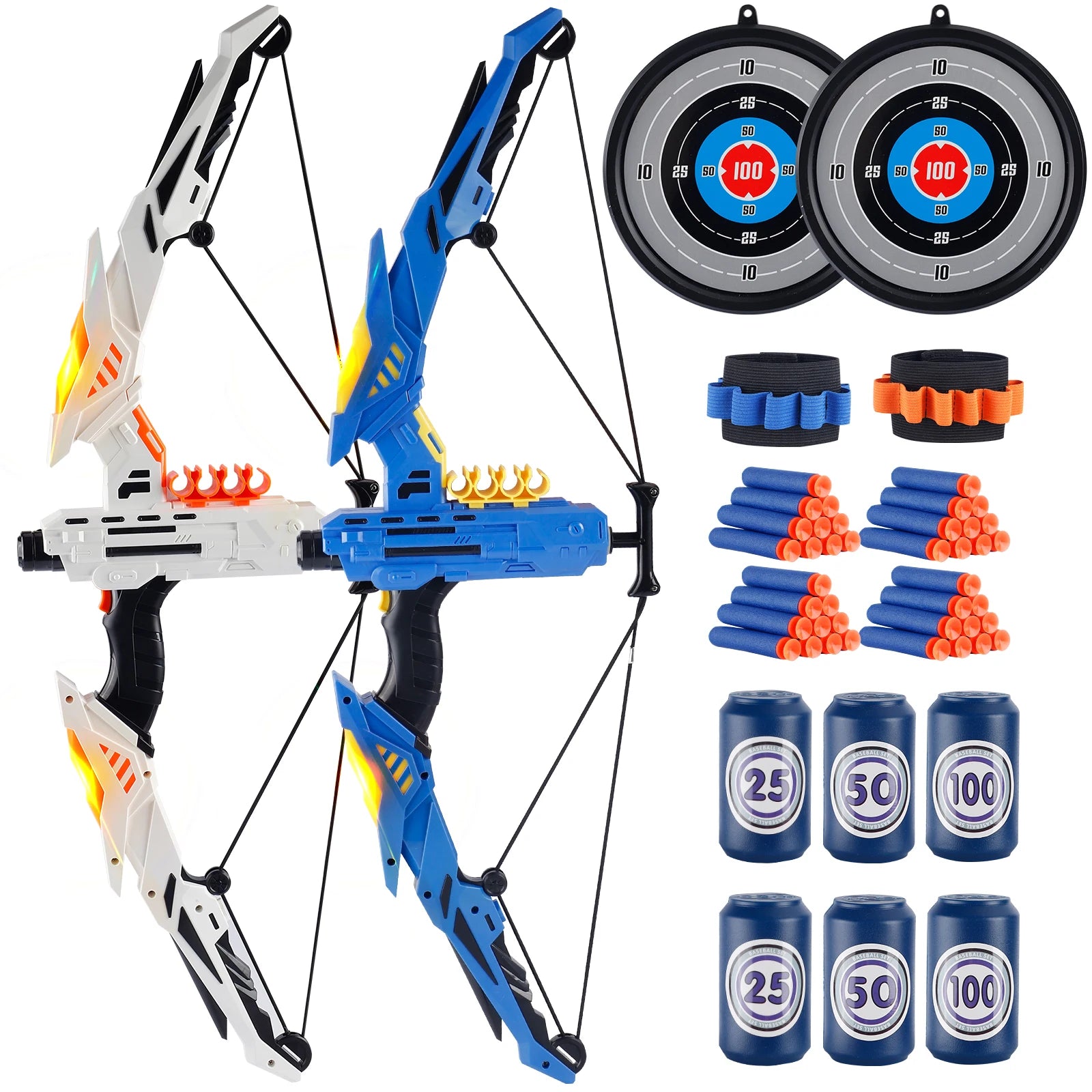
Active play ideas for preschoolers that build skills faster 💡 See it in action
Choose an activity that helps your child grow with every play session.
Mini FAQ
At what age can kids use a gross motor skills toy?
Many gross motor skills toys are suitable from toddler years through preschool, with simple movements for beginners and added challenges as coordination improves.
Are indoor active play toys effective?
Yes. Indoor-friendly designs allow kids to practice balance, aiming, and coordination safely, making them ideal for daily movement regardless of weather.
How often should children use active movement toys?
Short daily sessions of 15–30 minutes are often enough to support steady physical development without overwhelming young bodies.
Related Guide: Fine Motor Skills Development Toys: Features That Drive Results





