

Hand Eye Coordination Training Toy: How to Use It Effectively
Does a hand eye coordination training toy really improve reaction and control?
A hand eye coordination training toy improves timing, accuracy, and focus by pairing visual cues with quick hand responses. Used for 10–15 minutes a day, it helps children track movement, react faster, and build confident coordination through playful repetition that fits indoor play ideas and simple home basketball training.
Hand Eye Coordination Training Toy: How to Use It Effectively
⏱ 7 min read
Ever feel like your child has tons of energy but struggles to catch, aim, or react quickly? You’re not alone. Many parents want active play that actually builds skills—without complicated setups or screen time. A hand eye coordination training toy can turn everyday movement into focused practice that feels like fun, not work.
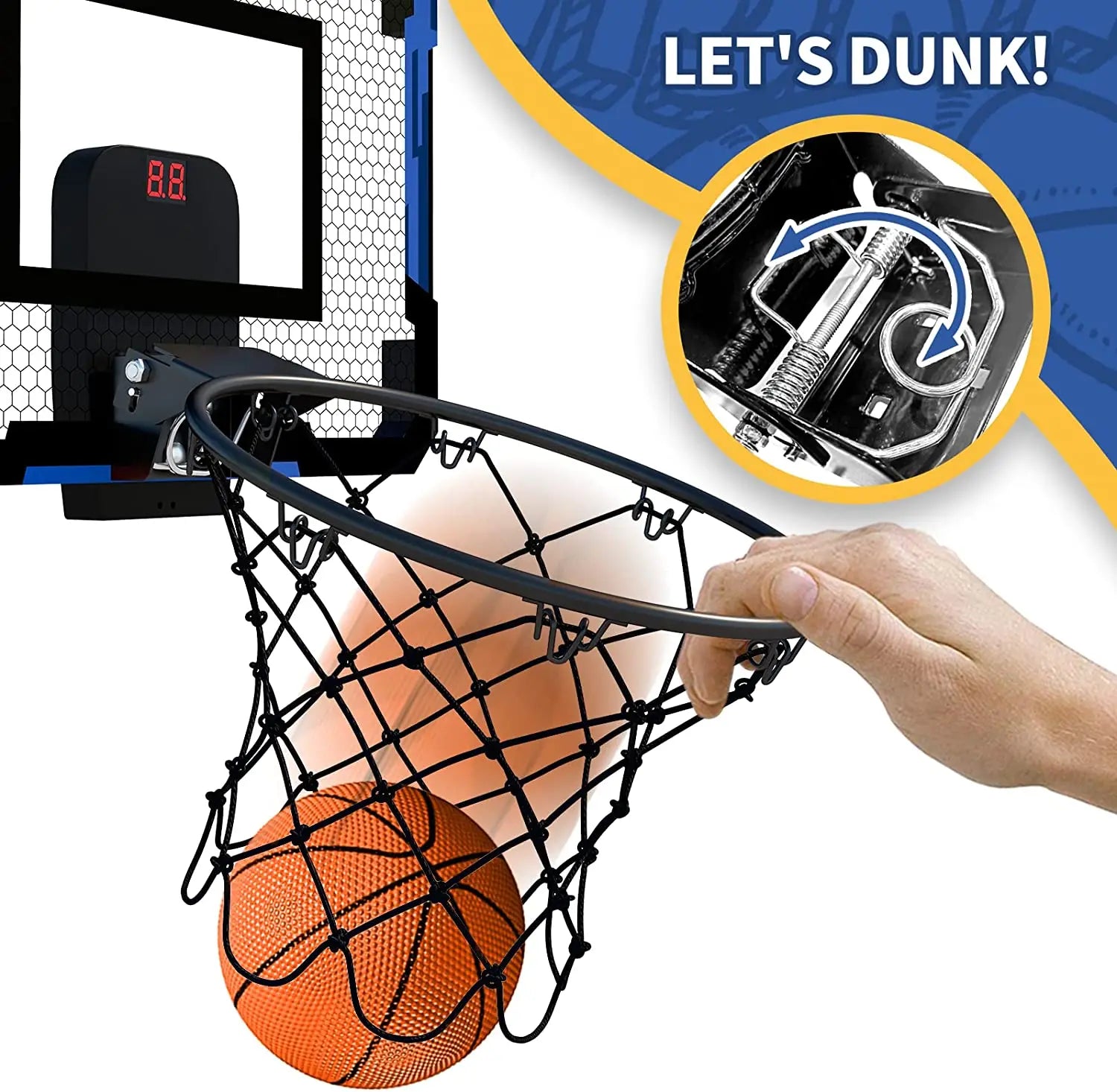
Hand eye coordination training toy with indoor play ideas — 💡 See it in action
Why Hand-Eye Coordination Matters for Kids
Hand-eye coordination is the bridge between seeing and doing. It supports writing, catching, kicking, and even daily tasks like buttoning clothes. When kids practice coordinated movement early, they gain confidence and body awareness that carries into sports, school, and play.
- Improves reaction speed and focus
- Builds balance and posture through movement
- Encourages active play over passive time
- Supports motor planning and accuracy
Parents often pair coordination toys with resources from Baby Growth & Learning to support both physical and cognitive development.
What Is a Hand Eye Coordination Training Toy?
A hand eye coordination training toy is designed to trigger visual cues and prompt quick, accurate hand responses. Unlike free play, it adds structure—targets, rebounds, or timed actions—that guide children to practice specific movements repeatedly while staying engaged.
Used alongside active play equipment children enjoy, these toys turn short sessions into measurable gains.
Set Up for Success in Small Spaces
You don’t need a big yard. Many families create effective setups right in the living room or hallway. The key is consistency and safety.
- Clear a 6x6 foot area for movement.
- Choose a wall or door for rebound-style drills.
- Use soft balls or lightweight accessories.
- Keep sessions short to maintain focus.
For movement-based options, explore supportive gear in Mobility & Training that fits home routines.
Step-by-Step Drills That Actually Work
A hand eye coordination training toy works best with clear drills. Start simple, then build complexity.
- Target Toss: Toss or roll toward a target, focusing on aim.
- Rebound Catch: Throw and catch after one bounce.
- Timed Reactions: Respond to a visual cue within seconds.
- Movement + Catch: Add a side step before catching.
Parents often combine these drills with sensory elements from Sensory Toys to keep kids motivated.
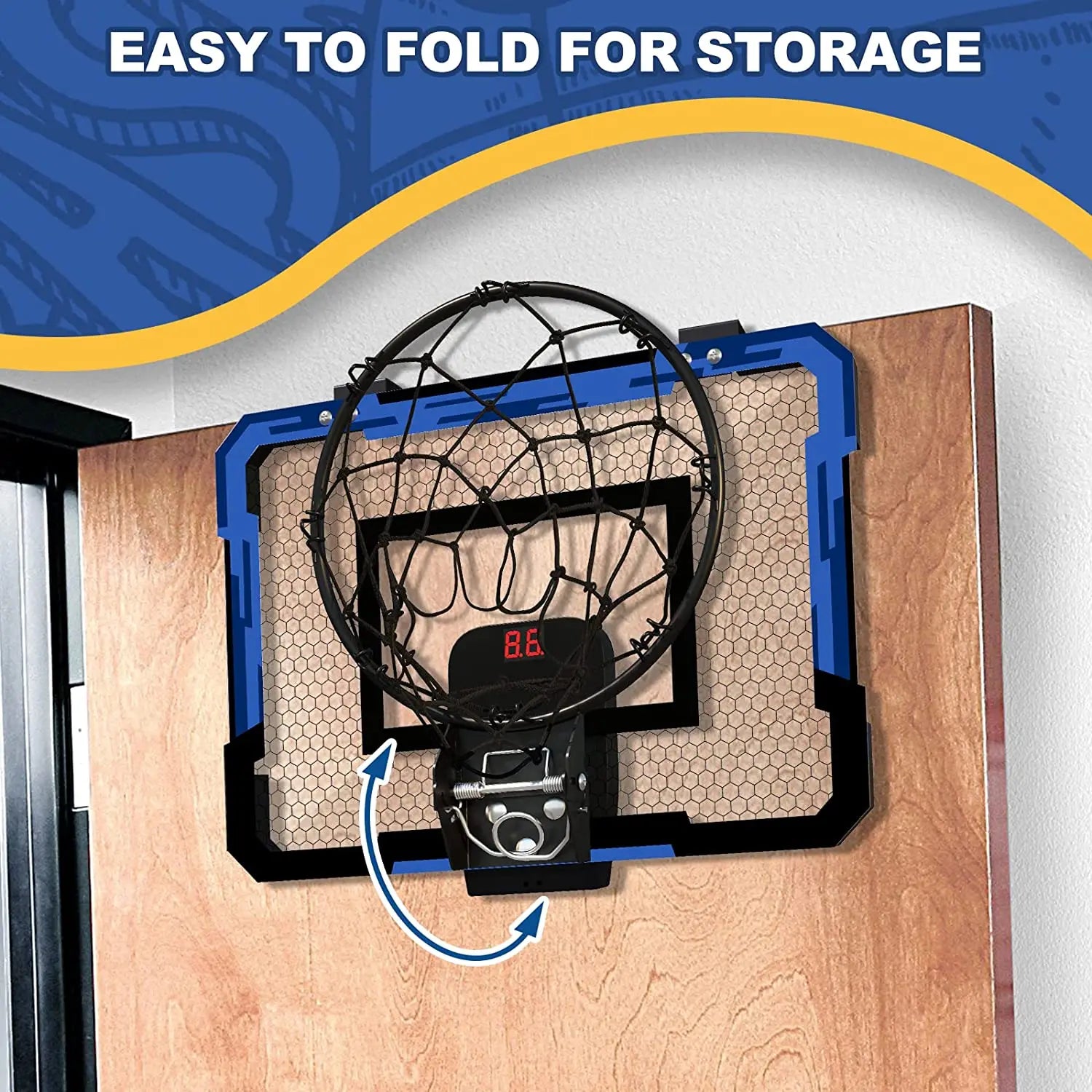
Active play equipment children enjoy for home basketball training — 💡 Try this drill
Progression Tips for Faster Gains
Progress happens when challenge increases gradually. Stick with a routine, then level up.
- Increase distance or speed slightly each week.
- Switch hands to balance coordination.
- Add counting or color cues for focus.
- Celebrate small wins to boost confidence.
Many families track progress alongside learning tools from Baby Growth & Learning Tips.
Common Mistakes That Slow Progress
| ❌ Mistake | ✅ Better Approach |
|---|---|
| Sessions that are too long | 10–15 focused minutes |
| Too much difficulty early | Start easy, build slowly |
| No routine | Same time each day |
Consistency matters more than intensity.
Real-Life Routines Parents Swear By
“We added a short drill after homework using a hand eye coordination training toy and a small hoop. In two weeks, catching improved and meltdowns dropped,” shares one parent.
Another family rotates drills with calming breaks using items from Sleep & Comfort to balance energy.
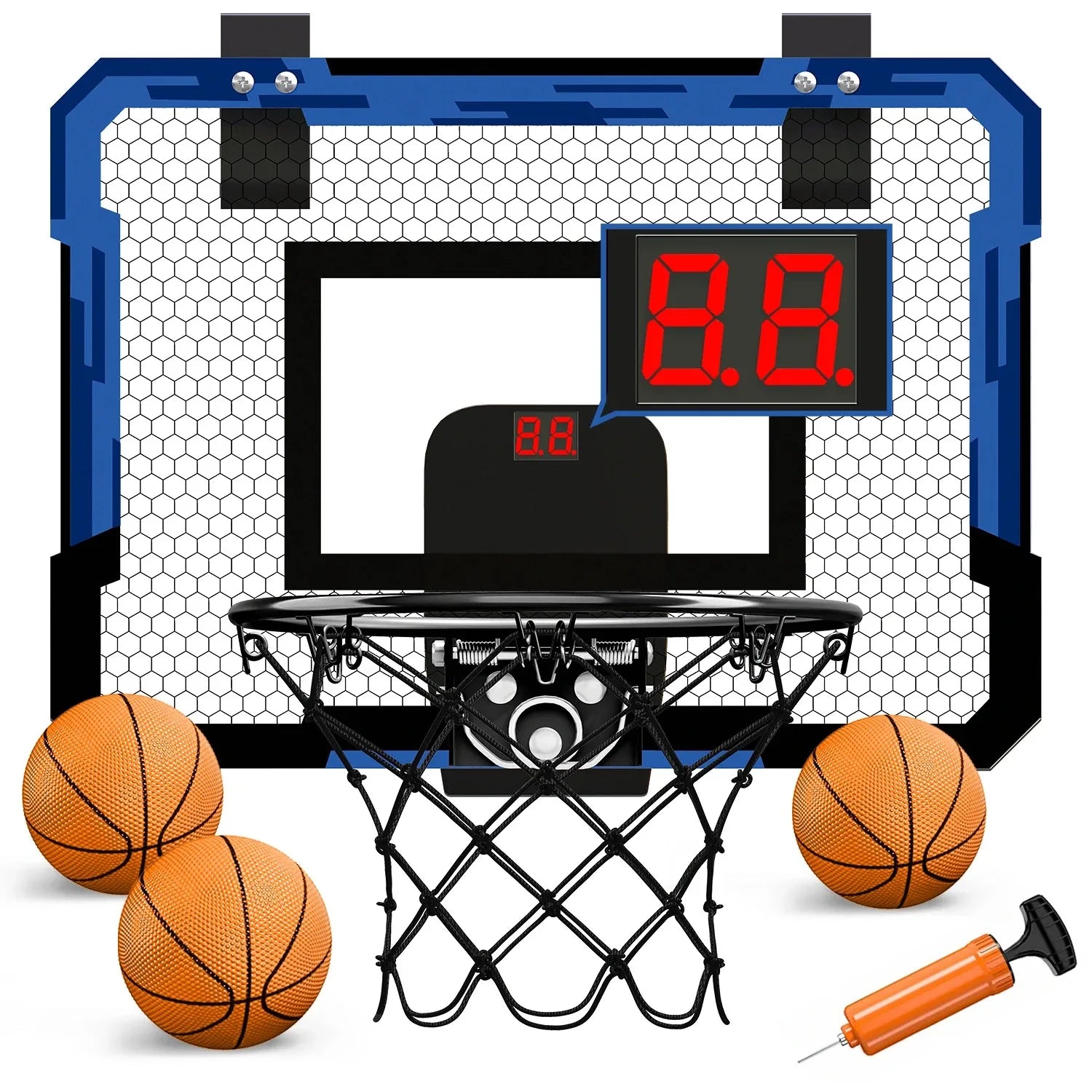
Indoor play ideas with a hand eye coordination training toy — 💡 Build skills daily
Mini FAQ
How often should kids use a hand eye coordination training toy?
Short daily sessions work best. Aim for 10–15 minutes, 4–6 times a week, to build skills without fatigue.
Is it suitable for small apartments?
Yes. Many drills are designed for compact spaces and pair well with indoor play ideas.
What age benefits most?
Preschool and early elementary ages see fast gains, but older kids can refine accuracy and reaction too.
Related Guide: How to Build Hand Eye Coordination With Simple Home Games





