

Hands On Engineering Toy for Curious Builders
What Is a Hands On Engineering Toy and Why Do Kids Love It?
A hands on engineering toy encourages children to build, test, and adjust real structures, helping them understand cause and effect through play. By stacking, connecting, and experimenting, kids strengthen problem-solving, patience, and spatial reasoning while staying fully engaged in creative discovery.
Hands On Engineering Toy for Curious Builders
A hands on engineering toy turns everyday play into meaningful discovery, blending creativity with real problem-solving. Designed to highlight the benefits of stem activities, it challenges kids to build, test, and rethink ideas while strengthening focus and confidence. As one of the most engaging toys for spatial awareness, it naturally supports visual spatial awareness activities that prepare young minds for math, design, and innovation—but what unexpected skills will emerge next?
⏱ 6 min read
Ever notice how some toys get abandoned after a week, while others stay on the floor because your child keeps going back to them?
The difference is engagement. Kids crave challenges they can control, change, and improve.
A thoughtfully designed hands on engineering toy does exactly that—transforming playtime into exploration that feels exciting rather than instructional.
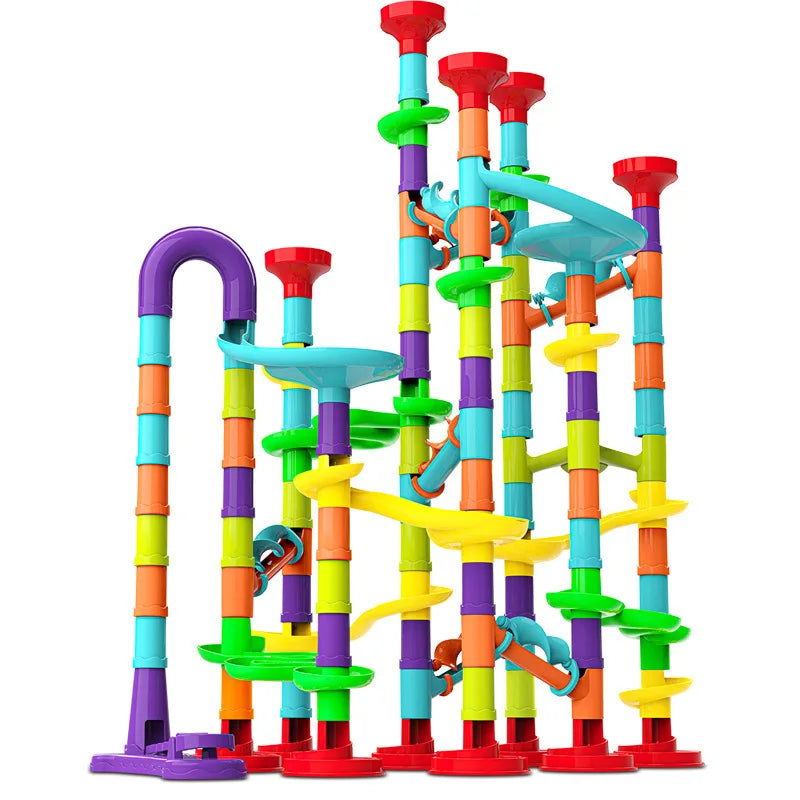
Building confidence through visual spatial awareness activities 💡 See it in action
👉 Want to explore more playful learning tools? Browse Baby Growth & Learning for ideas that support development through everyday play.
Why Creative Building Strengthens Young Minds
A hands on engineering toy does more than entertain—it introduces the benefits of stem activities in a way children can see and touch.
Instead of memorizing, kids experiment. They predict outcomes, test ideas, and adjust when something doesn’t work.
- Encourages independent thinking
- Builds persistence through trial and error
- Connects imagination with real-world mechanics
- Develops confidence through visible progress
These moments mirror how engineers, designers, and innovators solve problems every day—except your child experiences it as fun.
How Construction Play Improves Spatial Awareness
Many parents search for toys for spatial awareness without realizing that building systems naturally develop this skill.
When children connect pieces, adjust angles, or guide a marble through a structure, they’re practicing visual spatial awareness activities that strengthen how the brain interprets movement, distance, and direction.
| Play Action | Skill Developed | Future Benefit |
|---|---|---|
| Stacking and aligning pieces | Visual planning | Stronger math reasoning |
| Testing pathways | Logical sequencing | Problem-solving confidence |
| Adjusting structures | Spatial judgment | Engineering readiness |
Looking to combine movement and learning? Explore Mobility & Training resources that support hands-on discovery.
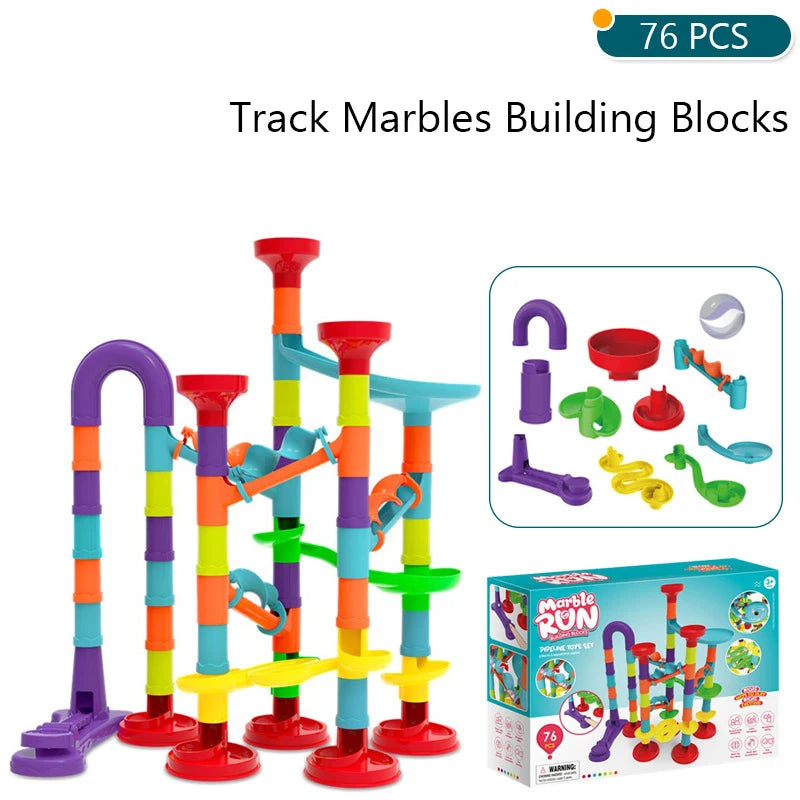
Toys for spatial awareness that make learning feel like play 💡 See it in action
👉 See how building transforms playtime into learning: Explore the engineering play set here.
Real-Life Skills Kids Learn Without Realizing
Children don’t think they’re developing life skills—they’re just trying to make their design work.
But behind the scenes, powerful abilities are forming:
- Planning before acting
- Evaluating mistakes calmly
- Understanding structure and balance
- Collaborating during shared builds
These are the same habits that support academic growth and long-term independence.
Which Children Benefit Most From Engineering Play
This type of play is especially helpful for:
- Curious kids who love taking things apart
- Visual learners who understand by seeing
- Hands-on problem solvers who prefer doing over listening
- Children needing confidence boosts through achievement
Pairing these tools with engaging options from Sensory Toys can create a balanced environment that supports both focus and creativity.
What Parents Notice After Introducing It
Many families report surprising changes once building play becomes routine:
“My son started explaining how things worked instead of just asking for help.”
“Screen time dropped naturally because she wanted to finish her structure.”
“We began solving challenges together—it became our favorite bonding activity.”
These moments highlight how the benefits of stem activities extend beyond academics into relationships and confidence.
How to Make the Most of Engineering Playtime
You don’t need complex instructions to unlock the value of a hands on engineering toy.
- Let children experiment freely before offering suggestions
- Ask open-ended questions like “What do you think will happen?”
- Celebrate redesigns, not just finished builds
- Encourage storytelling around their creations
Adding thoughtful tools from Smart Baby Gadgets can further support curiosity-driven environments at home.
👉 Ready to inspire your child’s next breakthrough? Take a closer look at the hands on engineering toy here.
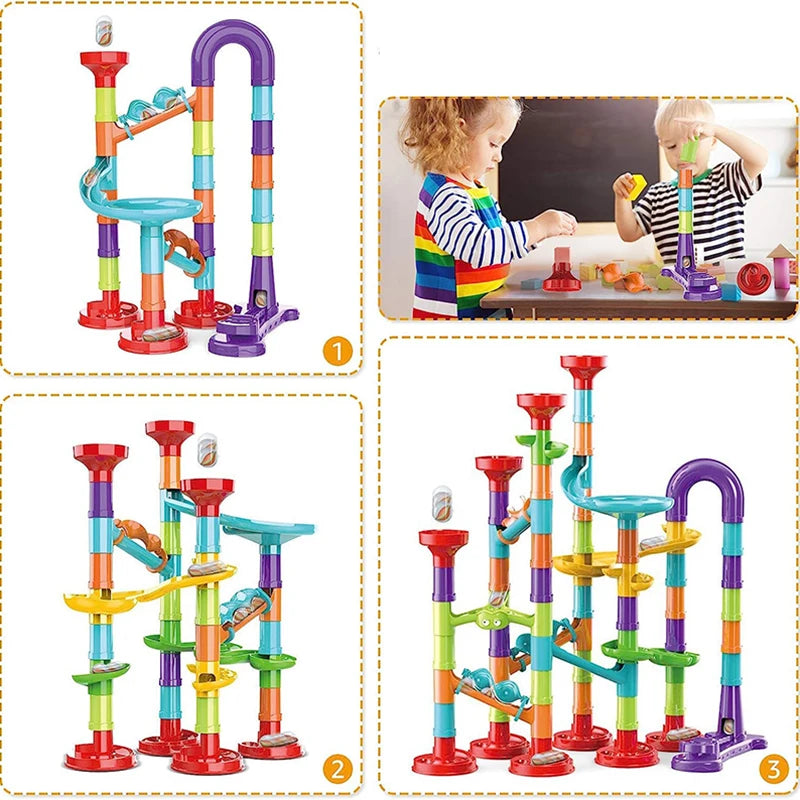
Discover the benefits of STEM activities through creative building 💡 See it in action
Quick Answers for Parents
How early can children start using engineering-style toys?
Many children as young as three can begin exploring simplified building systems. The key is choosing designs that encourage experimentation rather than perfection, allowing confidence to grow alongside coordination and reasoning.
Do building toys really support academic skills later on?
Yes. Activities that involve planning, sequencing, and spatial reasoning help form the cognitive foundations used in math, science, and design-based learning throughout school years.
How often should kids engage in this type of play?
Even 20 minutes of focused building a few times per week can reinforce problem-solving habits and creative thinking, especially when children are allowed to lead their own exploration.
What makes this different from traditional toys?
Instead of passive entertainment, engineering play invites children to interact, test ideas, and reshape outcomes—turning playtime into an active learning experience driven by curiosity.
By choosing tools that invite exploration, families create an environment where imagination, logic, and confidence grow together—one structure at a time.
Related Guide: Marble Run Building Blocks for Kids by Age





