

Hands On Learning for Kids vs Screen Toys: Which Wins?
Hands On Learning for Kids vs Screen Toys: Which Works Better?
⏱ 6 min read
Does hands on learning for kids really work better than screen toys?
Hands on learning for kids supports deeper understanding by encouraging children to touch, explore, and solve problems actively rather than passively watching a screen. Research shows it improves focus, creativity, fine motor skills, and long-term memory while reducing screen time learning concerns kids often face.
Parents today face a tough choice: screens promise convenience and education, while hands-on play feels more traditional but time-consuming. With so many digital toys claiming to teach letters, numbers, and logic, it’s easy to wonder which approach truly helps children grow. The answer may surprise you.
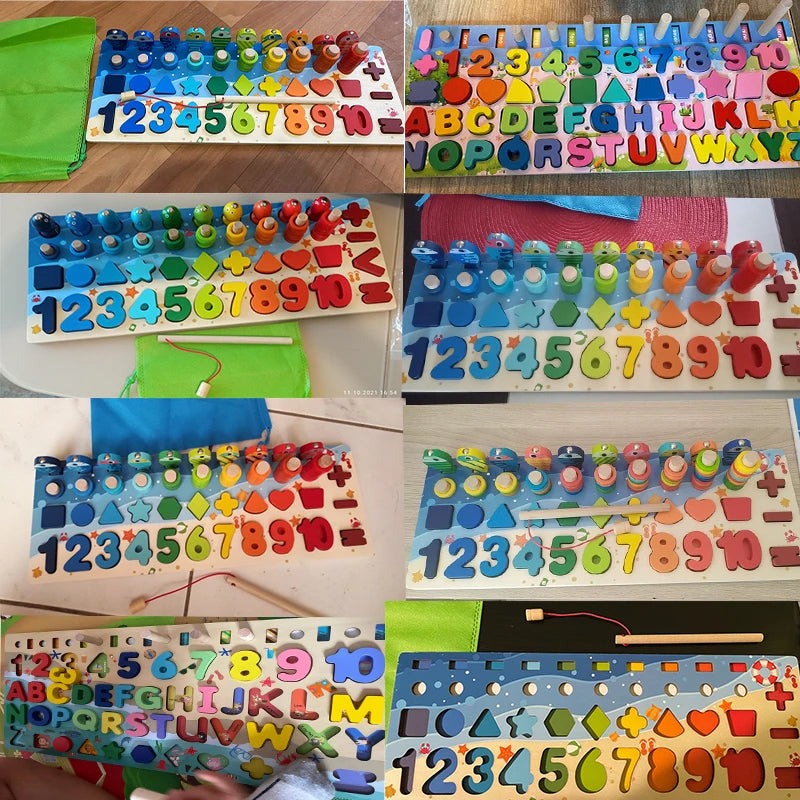
Hands on learning for kids encourages focus, creativity, and problem-solving 💡 See it in action
Why Hands On Learning Matters for Child Development
Hands on learning for kids allows children to explore concepts using movement, touch, and real-world interaction. Unlike screen-based learning, it engages multiple senses at once, helping information stick.
Educational specialists consistently highlight that children learn best when they actively participate. This is especially true during early childhood, when brain development is rapid and strongly influenced by physical interaction.
- Strengthens problem-solving and logical thinking
- Improves fine motor coordination
- Encourages independence and confidence
- Builds patience and attention span
Parents who focus on hands on learning activities for kindergarten often notice fewer behavioral issues and better engagement during learning time.
Hands On Learning vs Screen Toys: What’s the Real Difference?
Hands on learning for kids emphasizes doing, experimenting, and discovering. Screen toys, while entertaining, often limit interaction to tapping or watching.
| Feature | Hands On Learning | Screen Toys |
|---|---|---|
| Engagement | Active participation | Passive consumption |
| Skill Development | Motor, logic, creativity | Mostly visual/auditory |
| Attention Span | Builds focus naturally | Often shortens focus |
| Screen Exposure | None | High |
Many parents notice that children engaged with educational toys without screens stay focused longer and play more independently.
Hands On Learning Activities for Kindergarten That Actually Help
Hands on learning activities for kindergarten build foundational skills through play. These activities feel fun while reinforcing early math, language, and problem-solving abilities.
- Sorting and counting with wooden math toys
- Building patterns using blocks or shapes
- Role-playing with pretend play sets
- Hands-on puzzles and matching games
Parents looking for structured yet playful options often explore items from the Baby Growth & Learning collection, which focuses on tactile development and early education.
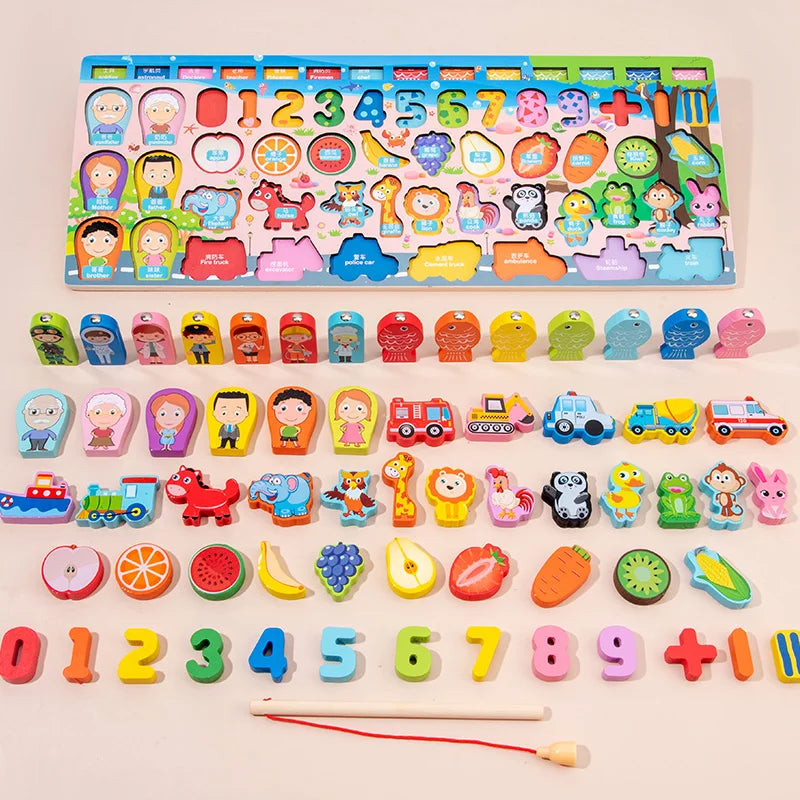
Educational toys without screens support focus and confidence 💡 See it in action
Screen Time Learning Concerns Kids Face Today
While digital tools can be useful in moderation, many parents worry about excessive screen exposure. Common concerns include reduced attention span, disrupted sleep, and lower emotional engagement.
Studies suggest that children under six benefit most from physical interaction rather than digital instruction. This is why many families are shifting back to hands on learning for kids and reducing daily screen use.
- Eye strain and sleep disruption
- Reduced imaginative play
- Shorter attention span
- Less parent-child interaction
Balancing technology with screen-free play helps children develop healthier learning habits.
How to Choose the Right Learning Tools for Your Child
Choosing the right educational toy doesn’t have to be overwhelming. Focus on tools that encourage movement, thinking, and creativity.
Look for toys that:
- Encourage open-ended play
- Grow with your child’s abilities
- Do not rely on screens or batteries
- Support hands on learning activities for kindergarten
Parents often combine learning toys with items from Sensory Toys or Mobility & Training to create a balanced learning environment.
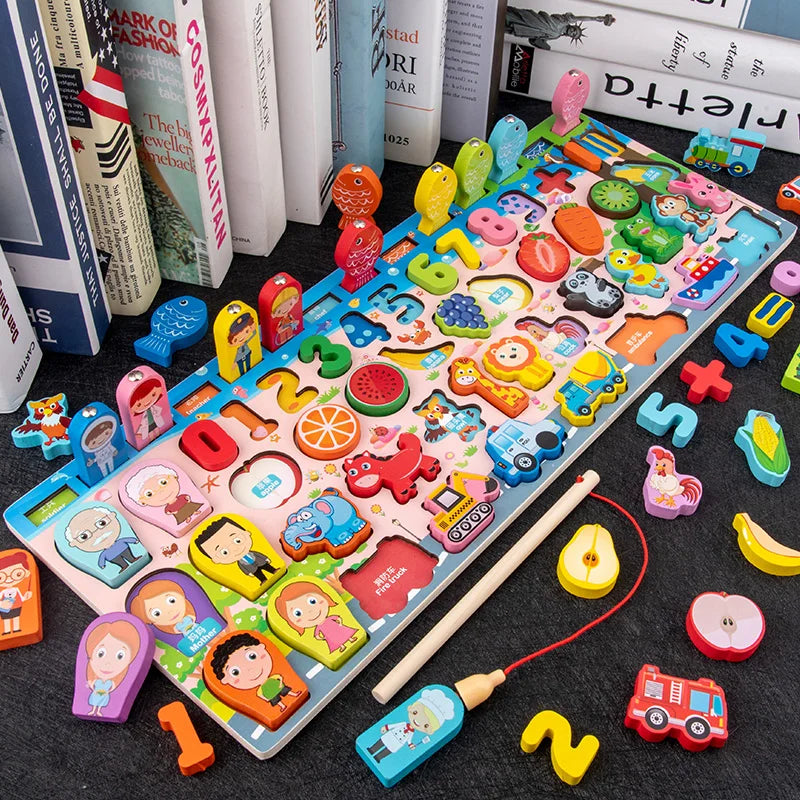
Hands on learning activities for kindergarten build confidence 💡 See it in action
Frequently Asked Questions
Is hands on learning better than screen learning?
Hands on learning for kids encourages deeper understanding, better focus, and stronger problem-solving skills than screen-based learning. It allows children to actively explore concepts rather than passively watch content.
What are examples of educational toys without screens?
Examples include wooden math toys, puzzles, stacking blocks, sensory boards, and pretend play sets. These tools promote creativity, fine motor skills, and independent thinking.
How much screen time is too much for young children?
Experts recommend limiting screen time for young children and prioritizing hands on learning activities, especially during early developmental years when brain growth is most active.
What’s the best age to start hands on learning?
Hands on learning can begin as early as infancy with sensory play and continues through kindergarten and beyond using age-appropriate activities.
In summary: Hands on learning for kids provides deeper understanding, stronger focus, and healthier development compared to screen-based toys. By choosing educational toys without screens, parents support curiosity, confidence, and long-term learning success.
Related Guide: Montessori Educational Wooden Toy Compared for Preschool Math





