

Hands On Math Learning Toddlers: Toy Options Compared
Does hands on math learning toddlers really help early number skills?
Hands on math learning toddlers benefit most when numbers are explored through touch, movement, and play. Using the right math learning toy, toddlers build counting, sorting, and pattern skills faster because they can see and feel concepts, making early childhood education toys more effective for developing math skills in early childhood.
⏱ 6 min read
Hands On Math Learning Toddlers: Toy Options Compared
Hands on math learning toddlers isn’t about memorizing numbers—it’s about discovery, curiosity, and confidence. If you’ve ever wondered whether your toddler is actually learning while they play, you’re not alone. The right math learning toy can turn everyday playtime into meaningful moments that support early childhood education toys goals and help with developing math skills in early childhood.
Which toy truly helps toddlers understand numbers instead of just keeping them busy? Let’s break it down.
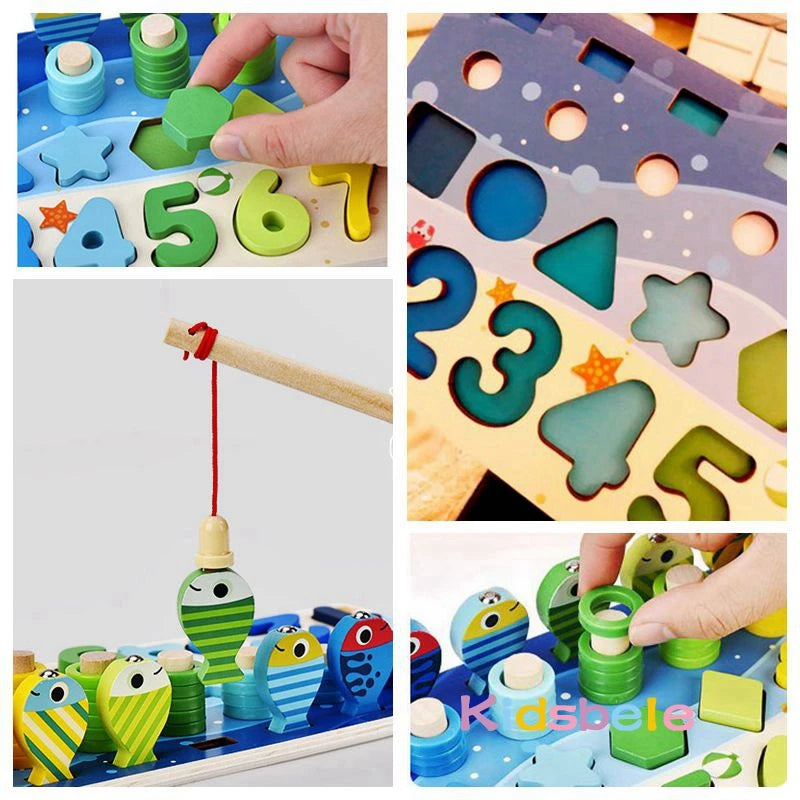
Hands on math learning toddlers begin with simple, tactile math learning toy play 💡 See it in action
Why Hands-On Math Matters for Toddlers
Hands on math learning toddlers works because young children learn best through doing. Instead of worksheets or screens, physical interaction helps numbers feel real. Early childhood education toys designed for touch and movement support brain development while keeping learning fun.
- Builds number sense through counting and matching
- Strengthens fine motor learning and coordination
- Encourages problem-solving without pressure
- Boosts confidence through self-directed play
Parents often notice that toddlers who use hands-on tools show more interest in numbers during everyday moments—like counting snacks or sorting toys.
Many families pair math toys with other Baby Growth & Learning items to create a balanced play environment.
What to Look for in a Math Learning Toy
Not all math learning toys are created equal. The best options support developing math skills in early childhood while staying age-appropriate and safe.
Key features that matter most
- Large, easy-to-grip pieces for small hands
- Clear number representation (dots, shapes, numerals)
- Open-ended play instead of one “right” answer
- Durable, child-safe materials
Toys that combine counting with sorting or pattern play often hold attention longer. These also pair well with sensory-based items found in Sensory Toys collections.
Hands-On Math Toy Options Compared
| Toy Type | Best For | Pros | Cons |
|---|---|---|---|
| Wooden Number Puzzles | Counting & matching | Durable, tactile, screen-free | Limited advanced concepts |
| Stacking & Sorting Sets | Patterns & quantity | Open-ended play | Needs adult guidance early |
| Electronic Math Toys | Audio learners | Immediate feedback | Less hands-on interaction |
This comparison helps parents avoid overwhelm and choose early childhood education toys that truly support learning, not just entertainment.
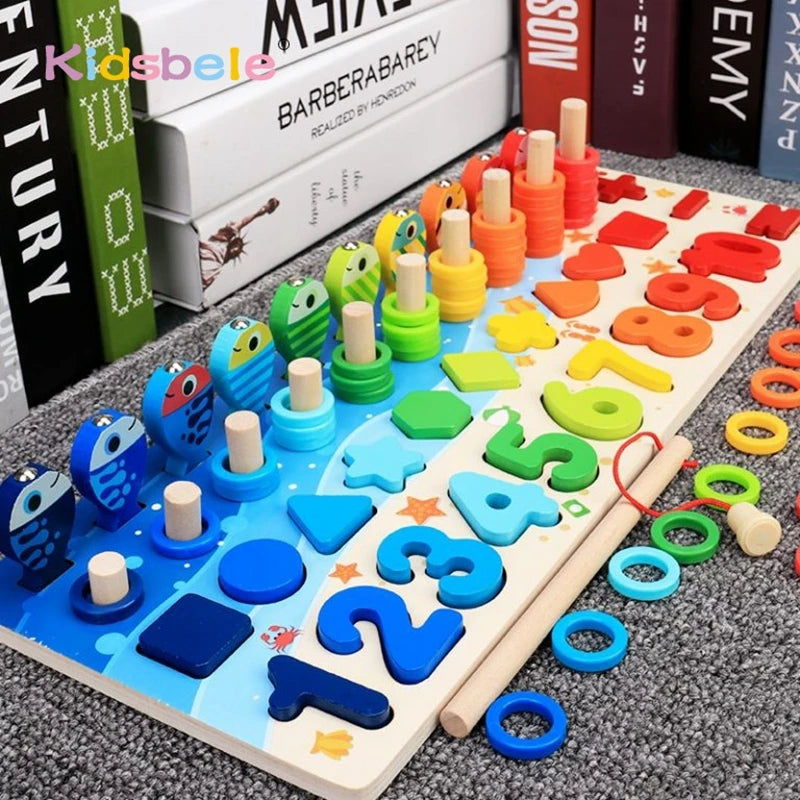
Comparing math learning toy options helps parents see what really supports developing math skills in early childhood 💡 See it in action
Montessori Wooden Math Puzzle: Best for Tactile Learning
Hands on math learning toddlers thrive with Montessori-style tools because they combine structure with freedom. This wooden math learning toy focuses on counting, number recognition, and matching through physical interaction.
Hands on math learning toddlers using Montessori puzzles often show better number recognition because the pieces reinforce quantity visually and physically, making abstract concepts easier to grasp during early childhood education.
- Encourages independent exploration
- Supports fine motor learning
- Clear link between numbers and quantities
- Quiet, focused playtime
This option fits well within a broader learning setup alongside Baby Growth & Learning Tips resources many parents follow at home.
Explore the Montessori-style option here: Wooden Math Puzzle
How to Use Math Toys in Daily Routines
Hands on math learning toddlers doesn’t stop at playtime. The real magic happens when toys connect to everyday life.
- Count steps while climbing or walking
- Sort snacks by size or color
- Match numbers to household objects
- Let toddlers “teach” you what they learned
Parents report that short, relaxed sessions work better than long structured ones. Mixing math toys with movement from Mobility & Training items keeps energy positive.
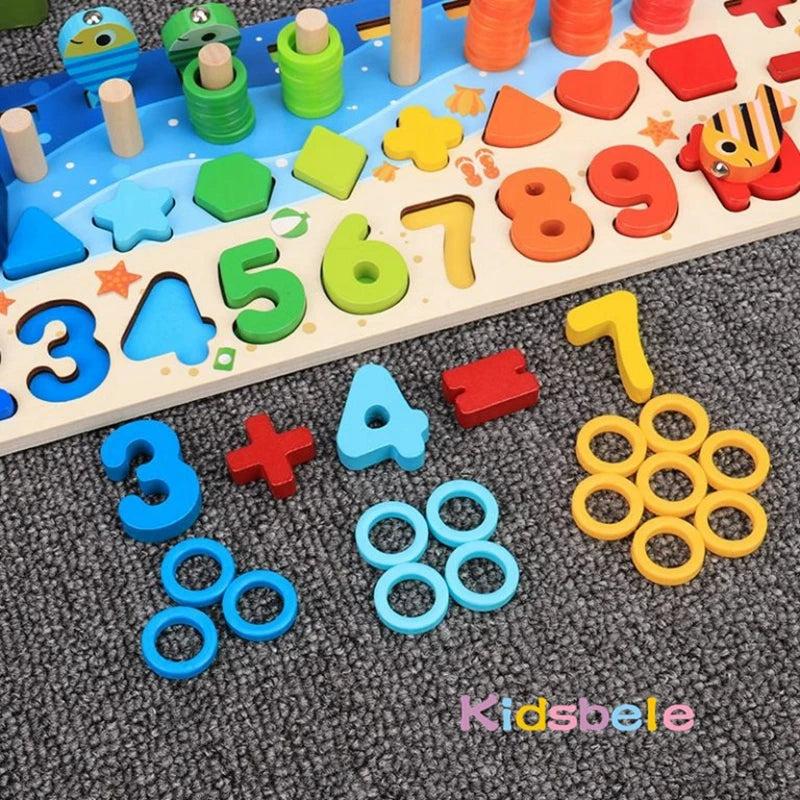
Hands on math learning toddlers becomes effortless when math learning toy play blends into daily routines 💡 See it in action
Quick Questions Parents Ask
At what age should toddlers start hands-on math play?
Most toddlers benefit from simple counting and sorting toys between 18–24 months, especially when play is guided and pressure-free.
How long should a toddler play with math toys?
Short sessions of 5–15 minutes are ideal. Consistent, relaxed play supports developing math skills in early childhood more than long drills.
Do math learning toys replace preschool learning?
No, they complement it. Hands on math learning toddlers helps reinforce concepts learned in preschool through real-world, tactile experiences.
Related Guide: Preschool Math Manipulatives Compared: Best Picks for Play





