

Hands On Science for Kids: 15 STEM Discovery Activities Using Nature, Microscopes, and Observation
Hands On Science for Kids: 15 Curiosity-Driven STEM Discovery Activities
Children are naturally curious about the world around them. They ask why leaves have veins, how insects fly, and what tiny details exist that our eyes can’t see. Hands-on science activities turn this curiosity into real learning experiences by allowing kids to explore, observe, and experiment.
Instead of memorizing facts, children learn science best by discovering it themselves. Simple activities like examining leaves, observing insects, or experimenting with household materials introduce the foundations of STEM learning—observation, experimentation, and critical thinking.
This guide explores 15 curiosity-driven science activities designed to help children develop early scientific thinking skills. Organized into discovery pathways, these activities combine outdoor exploration, microscope observation, simple experiments, and science journaling.
What Is Hands-On Science Learning for Kids?
Hands-on science learning is an educational approach where children actively explore scientific concepts through experiments, observation, and discovery rather than passive reading or watching.
In hands-on learning environments, kids interact with real objects, perform simple experiments, and observe natural phenomena. This approach helps children understand complex ideas by seeing them happen in real life.
Why Hands-On Learning Builds Strong STEM Skills
Active exploration strengthens the core principles of STEM education:
- Encourages curiosity and questioning
- Develops problem-solving skills
- Helps children understand cause and effect
- Builds confidence in scientific discovery
When kids investigate how things work—whether through simple experiments or microscopic observation—they begin thinking like scientists.
Core Skills Kids Develop Through Science Activities
- Observation – noticing patterns and details
- Hypothesis building – predicting what might happen
- Experimentation – testing ideas
- Recording results – documenting discoveries
- Critical thinking – comparing outcomes
These skills form the foundation for lifelong STEM learning.
How Kids Learn Science Through Observation
Observation is the first step in every scientific discovery. Before scientists conduct experiments, they carefully study the world around them.
Children can practice this same skill by exploring everyday objects in detail. Leaves, insects, soil, fabrics, and water all contain fascinating patterns that become visible when examined closely.
Observation Prompts to Encourage Scientific Thinking
Parents and teachers can guide discovery using simple questions:
- What do you notice first?
- What patterns or shapes do you see?
- How is this object different from others?
- What do you think this part does?
- What might happen if we change something?
These prompts help children analyze what they see and develop scientific reasoning.
Simple Tools That Turn Curiosity Into Discovery
Several basic tools can transform everyday exploration into deeper scientific learning:
- Magnifying glasses
- Beginner microscopes
- Nature journals
- Specimen jars
- Slides and droppers
Observation tools allow children to explore details that are normally invisible, making science both exciting and visually engaging.
Discovery Pathway 1: Nature Exploration Activities
Outdoor environments offer endless opportunities for scientific discovery. Simple nature activities help kids learn about plants, ecosystems, and biodiversity.
Activity 1: Leaf Pattern Detective
Collect leaves from different trees and examine their shapes and veins.
- Compare leaf sizes and edges
- Observe vein patterns
- Sort leaves by shape or color
This activity introduces plant biology and classification skills.
Activity 2: Soil Exploration Lab
Gather soil samples from different locations such as gardens, playgrounds, or parks.
- Compare textures (sand, clay, loam)
- Look for small rocks or organic material
- Observe how soil changes when water is added
Kids learn about earth science and natural materials.
Activity 3: Backyard Biodiversity Hunt
Encourage children to search for living organisms outdoors.
- Count insect types
- Identify plant species
- Record observations in a notebook
This activity builds ecological awareness and observation skills.
Discovery Pathway 2: Exploring the Micro World With a Microscope
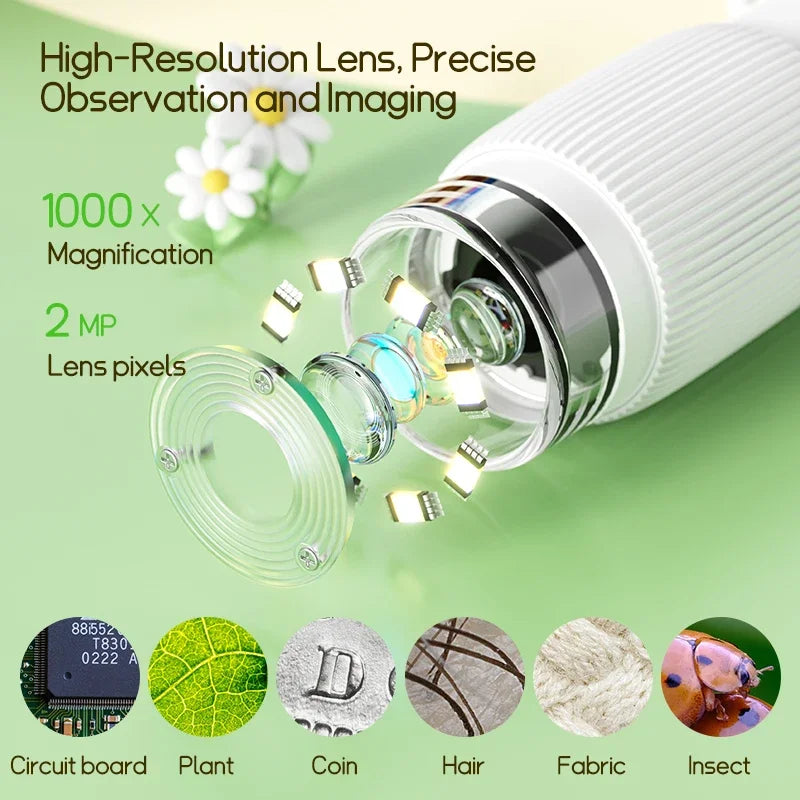
Many fascinating details exist beyond what the human eye can see. A beginner microscope reveals structures and patterns that spark curiosity about biology and microscopic life.
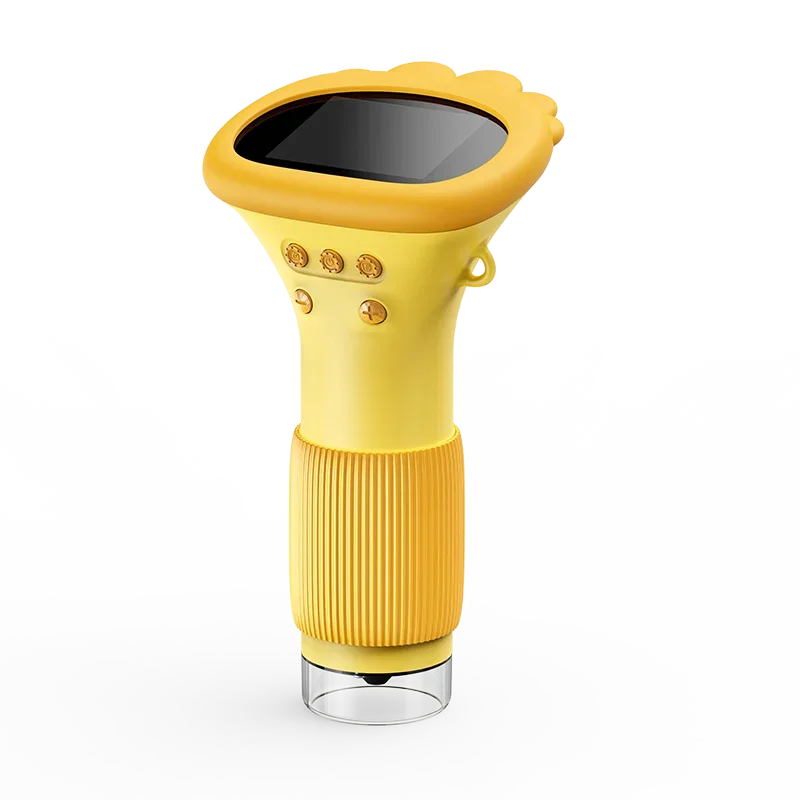
A simple digital microscope allows children to observe tiny details of leaves, insect wings, fabrics, and water samples.
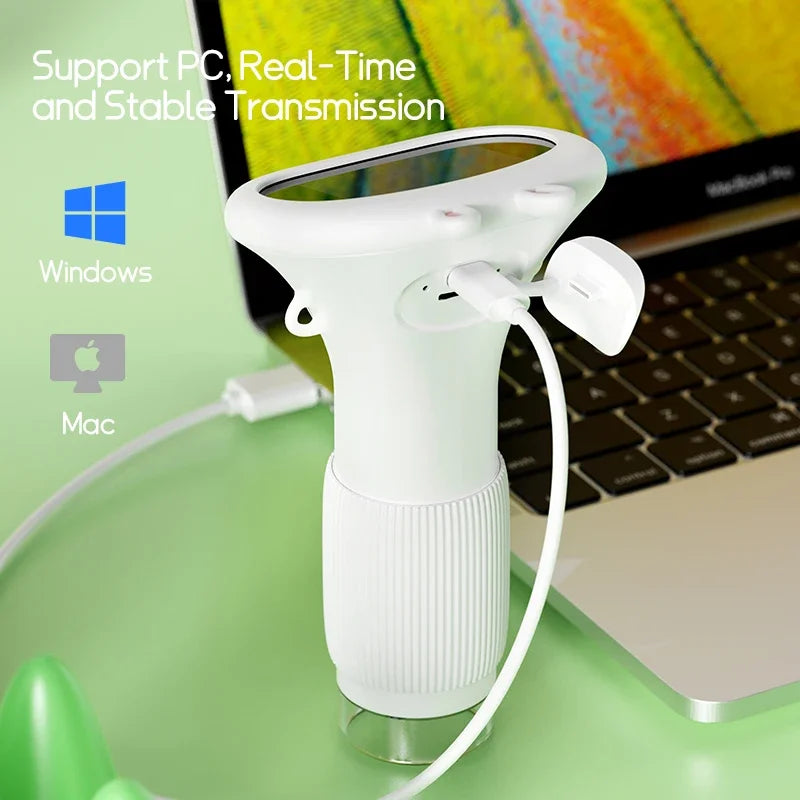
For example, the Kids Digital Microscope 1000x with Camera & LED Learning Tool lets children magnify everyday objects and capture photos of their discoveries. Features like LED lighting and photo capture help young explorers document what they see while learning basic scientific observation.
What Kids Can See With a Beginner Microscope
- Plant cells from onion or leaves
- Pollen grains
- Salt and sugar crystals
- Insect wings and legs
- Fabric fibers
- Water droplets
Each discovery reveals new patterns that spark curiosity about biology and chemistry.
Activity 4: Plant Cell Discovery
Place a thin slice of onion on a microscope slide.
- Add a drop of water.
- Place a cover slip.
- Observe the rectangular plant cells.
Kids can see cell walls that form the structure of plant tissue.
Activity 5: Water Drop Micro-Life Observation
Collect water from a pond or rain puddle.
Under magnification, children may observe tiny particles and microorganisms moving through the water.
This introduces the idea that entire ecosystems exist at microscopic levels.
Activity 6: Insect Wing Magnification
Carefully examine a fallen insect wing or photograph of one.
- Look for vein patterns
- Observe symmetrical structures
- Compare different insect species
This activity introduces insect anatomy and structural biology.
Discovery Pathway 3: Simple Home Science Experiments
Classic science experiments demonstrate basic chemistry and physics using everyday household materials.
Activity 7: Baking Soda Volcano Reaction
- Add baking soda to a container
- Pour vinegar on top
- Observe the bubbling reaction
This shows how chemical reactions produce gas.
Activity 8: Color Mixing Science
Use water and food coloring to mix primary colors.
Children learn how red, blue, and yellow combine to form new colors.
Activity 9: Surface Tension Magic
Fill a bowl with water and sprinkle pepper on the surface.
Touch the water with a drop of soap and watch the pepper move away. This demonstrates surface tension and molecular interaction.
Discovery Pathway 4: Observation Journaling and Scientific Thinking
Scientists carefully record their findings. Teaching children to document discoveries helps reinforce observation skills.
Activity 10: Create a Science Observation Journal
Encourage kids to draw what they see during experiments.
- Sketch plants or insects
- Record experiment results
- Write short notes about observations
This develops early scientific documentation skills.
Activity 11: Hypothesis Challenge
Before starting an experiment, ask children to predict what will happen.
After completing the activity, compare results with the original prediction.
Activity 12: Compare and Classify Nature Finds
Collect rocks, leaves, shells, or seeds.
Ask children to group items by shape, color, or texture. This introduces early data classification and pattern recognition.
Quick Setup Guide for Parents and Teachers
Preparing a simple science exploration kit makes hands-on learning easier and more consistent.
Basic Science Discovery Kit for Kids
- Magnifying glass or microscope
- Glass slides and droppers
- Specimen jars
- Notebook or science journal
- Pipettes and tweezers
These tools allow children to conduct dozens of discovery activities at home or in the classroom.
Parents interested in more educational tools can also explore learning resources in the Baby Growth & Learning collection.
Printable STEM Discovery Checklist
- Collect natural samples
- Observe with magnification
- Ask scientific questions
- Record results
- Discuss discoveries
Simple routines like this help children develop strong scientific thinking habits.
Hands-On Science Activity Comparison Matrix
| Activity Type | Main STEM Skill | Tools Needed | Learning Focus |
| Nature Exploration | Observation | Magnifier | Ecology & Plant Biology |
| Microscope Discovery | Magnification | Microscope | Cell Structures & Micro Patterns |
| Home Experiments | Experimentation | Household Items | Chemistry & Physics Basics |
| Science Journaling | Recording Results | Notebook | Scientific Method Skills |
Encouraging Lifelong Curiosity Through Hands-On Science
Science doesn’t begin in a laboratory—it begins with curiosity.
By encouraging children to observe the world closely, ask questions, and test ideas, parents and teachers help build the foundation for future STEM learning.
Simple tools such as magnifiers and beginner microscopes can transform everyday exploration into exciting discoveries. Activities that combine observation, experimentation, and recording results teach kids how scientists truly work.
If you want to help children explore the hidden details of the world around them, tools like the Kids Digital Microscope 1000x can make discovery even more engaging while supporting early STEM education.
For more educational tips and child development guides, visit the Baby Growth & Learning Tips resource center.
Pillar Article: Best Digital Microscope for Kids: 2026 Parent & STEM Learning Guide





