

Hip Seat Carrier for Toddler: Top Picks Compared
Does a hip seat carrier for toddler really reduce arm and back strain?
A hip seat carrier for toddler helps redistribute your child’s weight across your hips and core instead of your arms alone. With even weight distribution and a stable seat, it supports a healthy sitting posture for toddlers while making short carries, errands, and daily routines more comfortable for parents.
Hip Seat Carrier for Toddler: Top Picks Compared
⏱ 7 min read
If your toddler wants to be carried one minute and down the next, your arms and back feel it fast. A hip seat carrier for toddler use promises easier lifting, better balance, and comfort for both of you—but not all designs deliver the same results. Which options truly support growing hips, and where do common hip seat carrier disadvantages show up in real life?
Explore practical gear parents rely on in Baby Care Essentials.
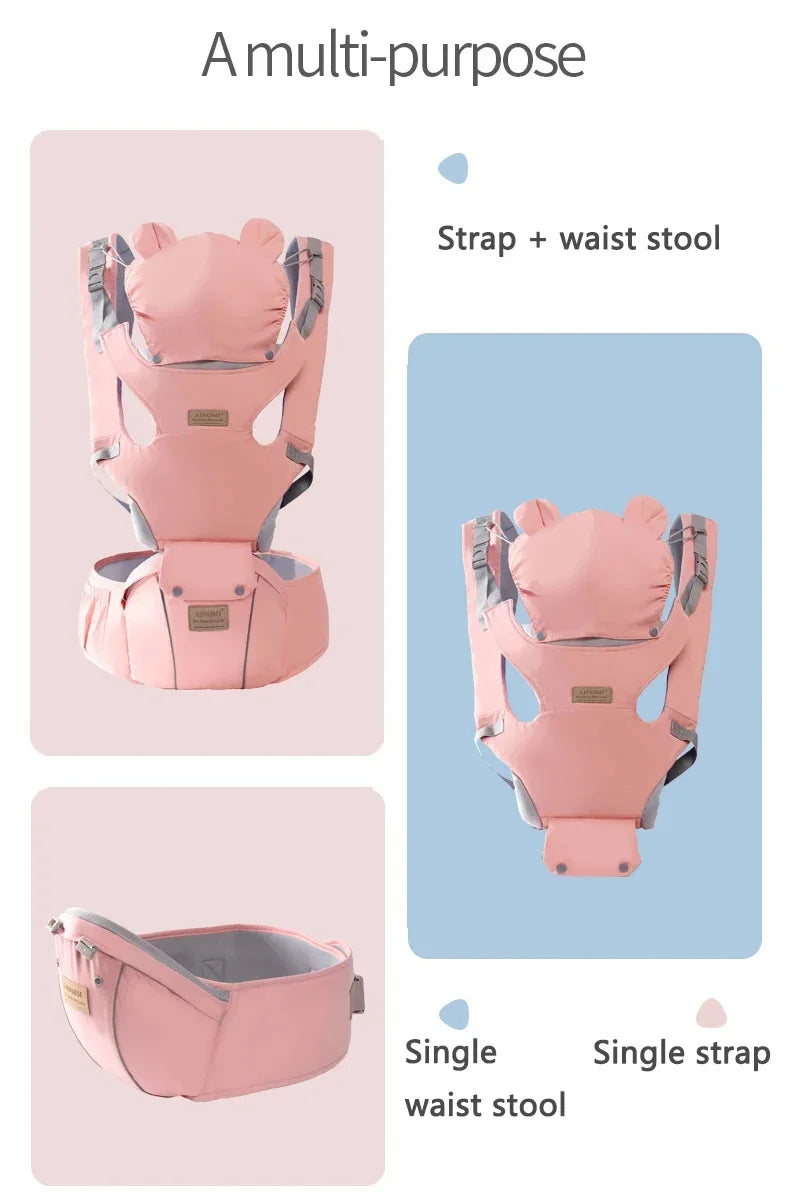
A hip seat carrier for toddler use promotes even weight distribution and quick ups-and-downs 💡 See it in action
Why Parents Choose a Hip Seat Carrier for Toddler Comfort
Traditional carriers work well for babies, but toddlers are heavier, squirmier, and more independent. Parents often turn to hip seat designs when:
- Arms tire quickly during short carries
- Back or shoulder strain builds up on errands
- Toddlers want freedom to get on and off
- Quick transitions matter more than hands-free wear
Unlike soft wraps, a hip seat carrier for toddler use creates a stable platform. Your child sits naturally while you stay upright instead of leaning to compensate.
How a Hip Seat Carrier Supports Even Weight Distribution
A well-designed hip seat places your toddler’s weight directly over your hip bones. This reduces pressure on your arms and shoulders and helps maintain balance.
Does it support healthy sitting posture?
A quality hip seat carrier for toddler use encourages a natural seated position with knees slightly bent and hips supported. This aligns better with a healthy sitting posture than carrying on one arm, which can twist both parent and child.
Parents pairing hip carriers with supportive daily routines often explore comfort-focused items in Mom Essentials for recovery and posture support.
Top Hip Seat Carrier Picks Compared
Not all hip seat carriers feel the same. Here’s a clear side-by-side look at common styles parents consider.
| Type | Best For | Key Strength | Watch Out For |
|---|---|---|---|
| Structured Hip Seat | Heavier toddlers | Strong even weight distribution | Bulkier to pack |
| Hip Seat + Strap | Longer carries | Added stability | Takes longer to put on |
| Minimal Hip Seat | Quick ups & downs | Lightweight convenience | Less support over time |
Browse practical movement solutions in Mobility & Training.
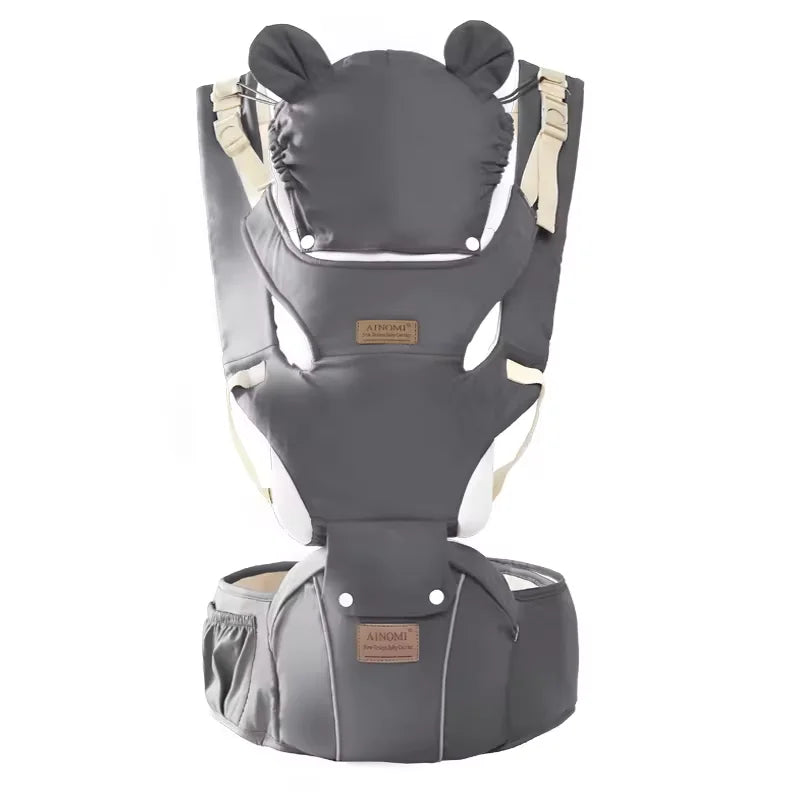
Comparing hip seat carrier designs helps balance comfort and healthy sitting posture 💡 See it in action
Hip Seat Carrier Advantages and Disadvantages
What parents love
- Reduces arm fatigue fast
- Easy on-and-off for active toddlers
- Improves balance and posture
- Great for short trips and errands
Hip seat carrier disadvantages to consider
- Less hands-free than full carriers
- Some models feel bulky
- Long carries may still tire hips
- Fit matters more for comfort
Understanding these trade-offs helps set realistic expectations, especially for parents juggling multiple daily tasks.
How to Choose the Right Hip Seat Carrier for Your Toddler
1. Match it to your toddler’s weight
Heavier toddlers benefit from wider, padded seats that spread weight evenly.
2. Check waist support
A firm, adjustable waistband keeps the seat stable and protects your lower back.
3. Think about daily use
For quick errands, lighter designs shine. For longer walks, added straps help.
4. Pair with supportive routines
Parents focused on safety and ergonomics often explore related guidance in Health & Safety to reduce strain.
Check availability here: Baby Hip Seat Carrier
What Real Parents Are Saying
Parents consistently mention feeling immediate relief in their arms. Many note improved balance and fewer back aches after switching from one-arm carrying.
- “I can carry my toddler longer without soreness.”
- “My child sits more naturally instead of sliding.”
- “Perfect for quick trips when a stroller is overkill.”
These experiences highlight why hip seat designs are becoming a daily essential.
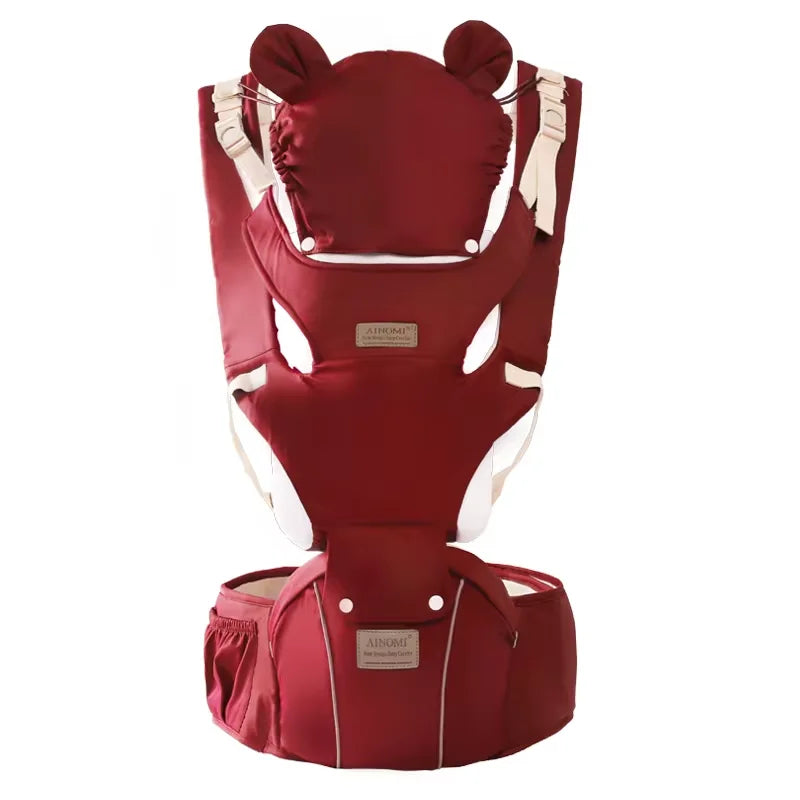
Parents choose a hip seat carrier for toddler comfort and even weight distribution 💡 See it in action
Explore the Baby Hip Seat Carrier while supplies last.
Mini FAQ
Is a hip seat carrier safe for toddlers?
Yes, when used as directed. Proper fit and positioning help maintain a healthy sitting posture and stable support.
At what age can toddlers use a hip seat carrier?
Most designs suit toddlers who can sit upright independently, often around 6 months and up.
Can a hip seat replace a full carrier?
It works best for short carries and quick transitions, while full carriers suit longer hands-free wear.
Related Guide: Best Baby Hip Seat Carrier: Side-by-Side Comfort Tests





