

How Cashier Toys Teach Math Step by Step
How do cashier toys teach math step by step?
How cashier toys teach math is by turning pretend play into real problem-solving. Kids count bills, recognize numbers, add totals, and make change through repeated role-play. This hands-on approach builds confidence and core cashier math skills while learning math through play, without pressure or worksheets.
⏱ 6 min read
How Cashier Toys Teach Math Step by Step
Many parents worry when numbers feel frustrating for their child. Worksheets cause resistance, apps lose attention fast, and progress feels slow. What if math could feel as natural as playtime? Understanding how cashier toys teach math reveals why pretend stores quietly build early math skills while kids stay focused, confident, and excited to learn.
Quick question: Have you noticed your child counting toys or pretending to “sell” snacks already? That instinct is the starting point for real math growth.
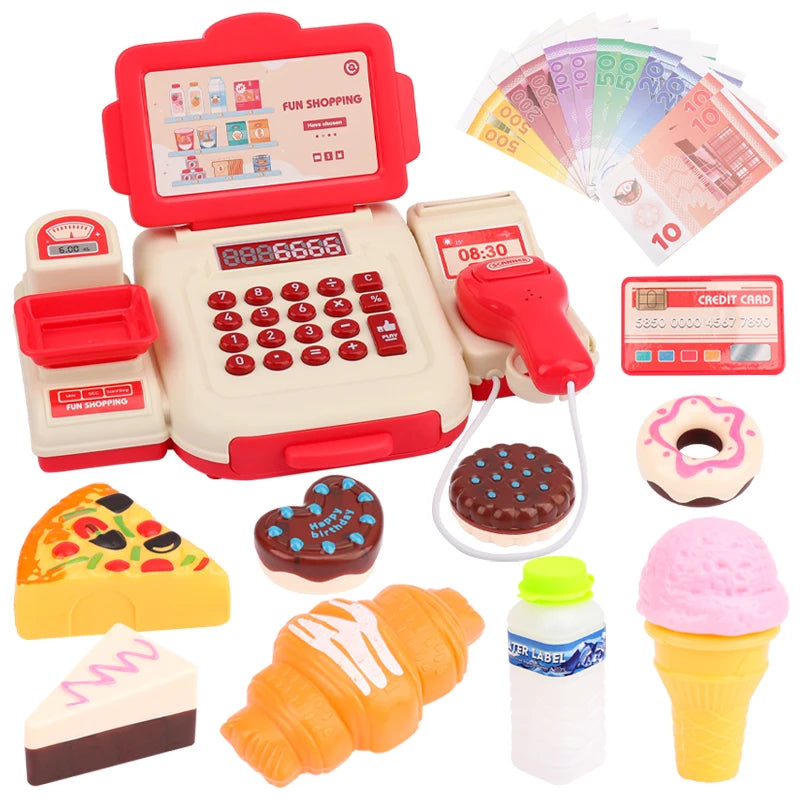
Learning math through play with cashier toys helps numbers feel real 💡 See it in action
👉 Explore learning-focused play tools in Baby Growth & Learning
Why play-based math works better for young kids
Children learn best when they feel safe, curious, and in control. Pretend play removes fear of mistakes. Instead of “getting it wrong,” kids simply try again. This is why learning math through play leads to faster understanding and stronger memory.
- Math feels meaningful, not abstract
- Repetition happens naturally
- Confidence grows with every role-play round
- Focus lasts longer than screen-based learning
How cashier toys teach math step by step
How cashier toys teach math is by breaking complex ideas into small, repeatable actions. Each pretend purchase becomes a mini lesson that builds on the last.
- Recognizing numbers on money and buttons
- Counting items and prices
- Adding totals
- Subtracting to make change
- Checking work through role-play feedback
Counting and number recognition start first
Before kids add or subtract, they must understand numbers visually and verbally. Cashier toys place numbers everywhere—on bills, coins, buttons, and price tags.
Parents often notice children:
- Counting items without prompting
- Matching numbers to quantities
- Repeating number names confidently
This early exposure builds a strong base for all cashier math skills later.
Addition and subtraction through pretend checkout
Once counting feels easy, kids naturally begin adding prices together. “This apple is two, the bread is three—five!” The toy cashier turns abstract math into visible actions.
Subtraction appears when making change. Even simple exchanges introduce mental math without stress.
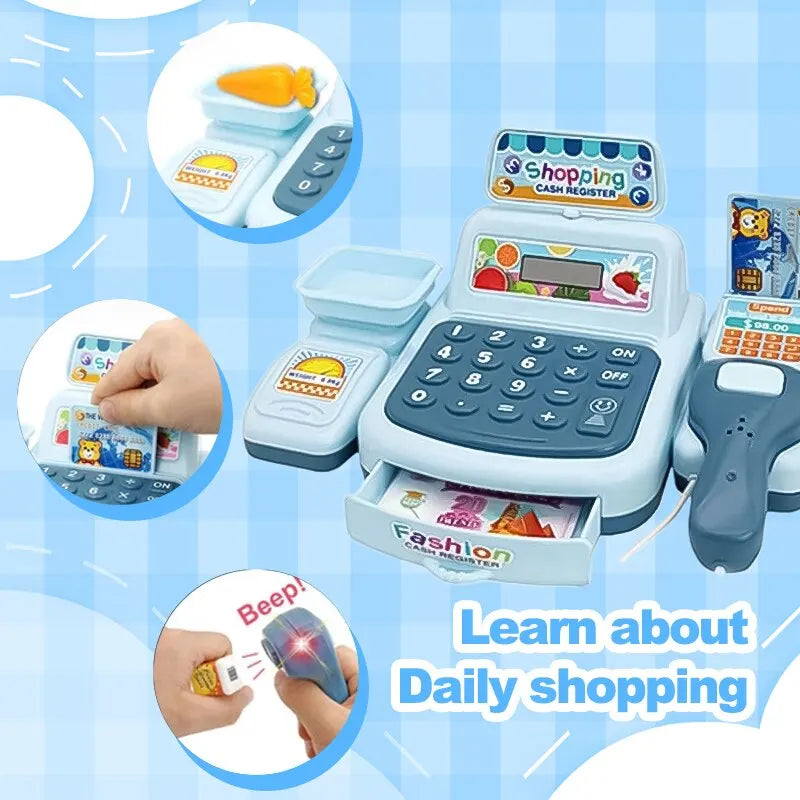
Practice cashier math builds real confidence 💡 See it in action
👉 Learn how play tools support skill growth in Sensory Toys
Making change teaches problem solving
Making change is where critical thinking develops. Kids must pause, think, and test solutions. This strengthens memory, patience, and logic.
| Skill | What kids practice |
|---|---|
| Subtraction | Finding what’s left after paying |
| Reasoning | Choosing correct coins or bills |
| Self-checking | Correcting mistakes independently |
How cashier toys build confidence and focus
Confidence grows when kids feel capable. Completing a sale—even pretend—creates a sense of success. Over time, focus improves as children stay engaged longer without reminders.
Parents often report:
- Longer independent play sessions
- Less math frustration
- Improved patience and attention
How to use cashier toys effectively at home
To get the most benefit, keep play simple and pressure-free. Let your child lead the experience.
- Start with small numbers (1–5)
- Use real-life items like snacks or toys
- Ask gentle questions instead of correcting
- Play regularly, even 10 minutes a day
👉 Discover more easy-learning tools in Baby Growth & Learning
Parent tips to support learning without pressure
- Praise effort, not speed
- Let mistakes happen
- Join play occasionally as the “customer”
- Keep sessions short and fun
These small choices help learning stick naturally.
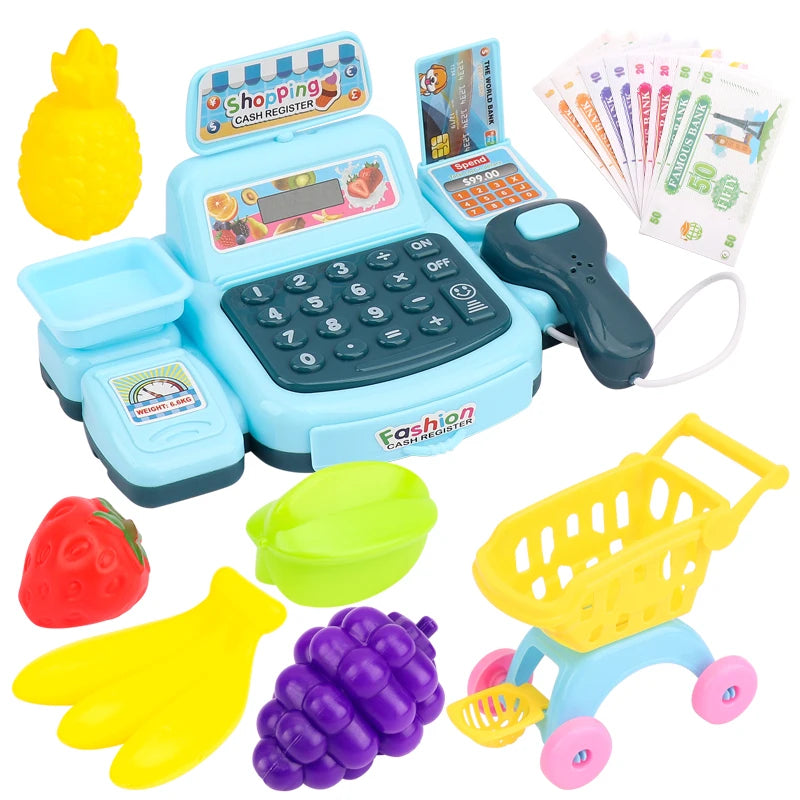
Cashier math skills grow with everyday play 💡 See it in action
👉 Try hands-on learning with the Simulation Cashier Toy
Frequently Asked Questions
What age is best for cashier toys?
Most children benefit between ages 3–7. Younger kids focus on counting, while older kids practice addition, subtraction, and making change.
Do cashier toys replace formal math learning?
No, they support it. Play builds understanding and confidence, making formal lessons easier later.
How often should kids play to see results?
Short, regular play works best. Even 10–15 minutes a few times a week can improve number confidence quickly.
👉 Get started today with the Simulation Cashier Toy — simple play, real math growth
Related Guide: Screen Free Play Ideas That Boost Daily Learning





