

How to Observe Insects Under a Microscope for Kids: Top 5
How Kids Observe Insects Microscope: A Step-by-Step STEM Activity Guide
To a child, insects already seem fascinating. But when kids observe insects with a microscope, the tiny creatures they see every day suddenly reveal an entirely new world of hidden structures and textures. Wings show intricate patterns, antennae appear like delicate sensors, and compound eyes look like miniature mosaics.
Learning how kids observe insects microscope is more than a fun activity—it introduces children to real scientific observation. By using simple microscopes and structured observation prompts, kids begin thinking like young scientists: asking questions, noticing patterns, and recording discoveries.
This guide shows parents, teachers, and homeschool educators exactly how to turn insect observation into a hands-on STEM activity. You’ll learn how to collect insects safely, set up a microscope, understand magnification, and guide children through a mini scientific investigation.

Why Observing Insects With a Microscope Is a Powerful STEM Activity for Kids
How microscopes turn curiosity into scientific discovery
Microscopes allow children to see details invisible to the naked eye. When kids examine insects under magnification, they notice features like tiny hairs on legs, wing veins, and the segmented structure of the insect body.
This experience transforms casual curiosity into structured discovery. Instead of simply noticing a bug, children begin asking scientific questions:
- Why does this insect have six legs?
- What do the antennae do?
- How are its wings attached?
- Why do some insects have compound eyes?
By exploring these questions, children practice scientific observation, a core skill in biology and STEM education.
STEM skills kids learn from insect observation
Observing insects with a microscope supports several early science skills:
- Careful observation
- Recording discoveries
- Comparing structures
- Understanding insect anatomy
- Learning basic biology concepts
Many educators use this type of activity to introduce children to the study of arthropods and other small organisms.
Parents looking for additional STEM ideas can also explore activities in the Baby Growth & Learning Tips section for more curiosity-driven learning activities.
Microscopes Kids Can Use to Observe Insects
Optical microscopes vs compound microscopes for insect viewing
Two common microscope types are used for children's science activities:
- Optical microscopes – Simple microscopes that magnify objects using lenses. These are easy for beginners.
- Compound microscopes – Use multiple lenses to provide higher magnification, ideal for studying very small details.
For insect observation, beginners usually start with lower magnification because it allows children to see the entire insect body before zooming into details.
Handheld digital microscopes for outdoor insect exploration
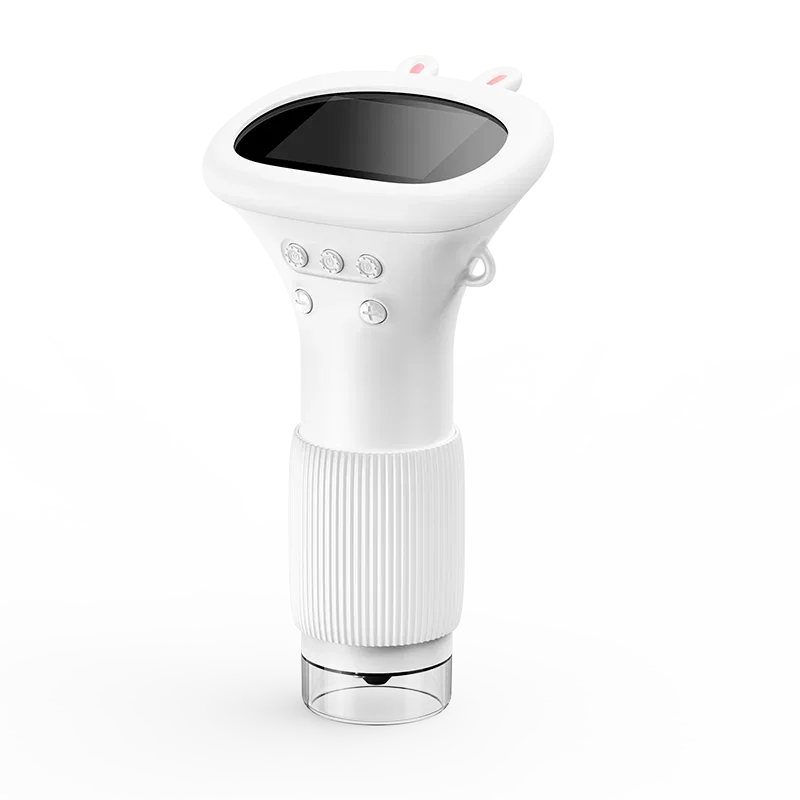
Many kids enjoy discovering insects outdoors, which makes handheld digital microscopes particularly useful. These devices allow children to observe insects directly without preparing microscope slides.
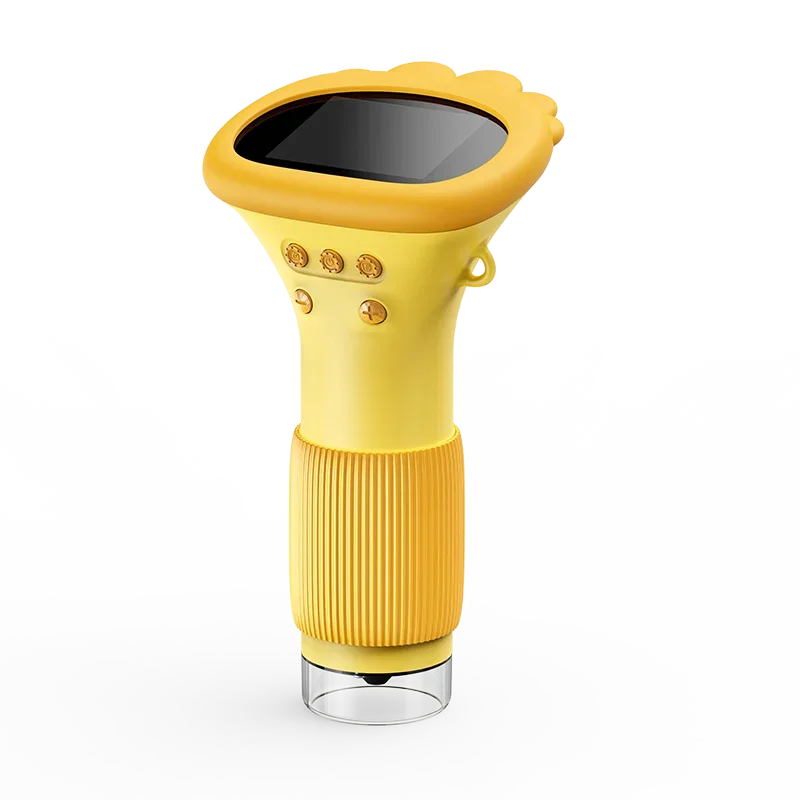
One example is the Kids Digital Microscope 1000x with Camera & LED Learning Tool, which lets children magnify insects, leaves, fabrics, and everyday objects while capturing photos of their discoveries.
The built-in LED light helps illuminate small specimens, and the camera function allows kids to document what they observe—encouraging them to build a simple science journal.
Parents interested in similar learning tools can explore the Baby Growth & Learning collection for other educational gadgets.
Understanding microscope magnification (10x, 40x, 100x)
Magnification determines how much larger an object appears under a microscope.
Common beginner magnifications include:
- 10x – Best for viewing the entire insect body.
- 40x – Reveals legs, wings, and antennae.
- 100x – Shows tiny textures and surface structures.
Starting with low magnification helps kids find the insect quickly before zooming in on smaller details.
Step-by-Step: How Kids Observe Insects Using a Microscope
Step 1: Find and safely collect an insect
Children can gently collect insects from gardens, parks, or outdoor areas. A small clear container works well for temporary observation.
Good beginner insects include:
- Ants
- Beetles
- Ladybugs
- Small flies
Always remind children to handle insects carefully and avoid squeezing or harming them.
Step 2: Prepare the microscope or viewing surface
If using a traditional microscope, place the insect on a flat surface or slide. If using a handheld digital microscope, children can simply position the device above the insect.
Make sure lighting is bright enough for clear viewing.
Step 3: Start with low magnification
Beginning at 10x magnification helps children locate the insect and understand its overall structure before examining smaller features.
Step 4: Adjust focus and lighting
Teach children how to gently adjust the focus wheel. Slowly changing the focus helps reveal sharp details like wing veins and leg joints.
Step 5: Observe and record what you see
Encourage kids to draw what they see or take photos if using a digital microscope. Recording observations helps develop scientific thinking.
Simple Insect Anatomy Kids Can Observe Under a Microscope
Legs, antennae, and wings
Insects have three main body sections: head, thorax, and abdomen. Under magnification, children can see:
- Six legs connected to the thorax
- Antennae used for sensing the environment
- Wing structures with delicate veins
These features help kids understand why insects belong to the arthropod family.
Compound eyes and tiny textures
One of the most exciting discoveries is the compound eye. Instead of a single lens like human eyes, insect eyes consist of many tiny lenses.
Magnification also reveals surprising textures—microscopic hairs, tiny ridges, and patterns on wings.
Magnification Examples: What Kids See at 10x, 40x, and 100x
| Magnification | What Kids Can See | Learning Focus |
| 10x | Entire insect body shape | Basic insect anatomy |
| 40x | Leg joints, antennae, wings | Structural comparison |
| 100x | Tiny textures and surface patterns | Microscopic biological structures |
10x: Whole insect body structure
This level helps children recognize the overall body segments and understand insect anatomy.
40x: Legs, antennae, and wing details
Children begin noticing how insects move and interact with their environment.
100x: Tiny textures and surface structures
At higher magnification, kids may see microscopic hairs and patterns invisible to the naked eye.
Insect Observation Checklist for Young Scientists
Questions kids should ask while observing
Encourage children to think like scientists by asking these questions:
- How many legs does the insect have?
- Do the wings have patterns or veins?
- What shape are the antennae?
- Does the body have segments?
- What colors or textures do you see?
Printable insect observation worksheet idea
Teachers and parents can create a simple worksheet including:
- Drawing area for the insect
- Magnification used
- Body parts observed
- Interesting discoveries
This structure turns a simple activity into a mini science investigation.
Safety Tips for Collecting and Observing Insects
Which insects kids should avoid handling
Children should avoid insects that may sting or bite, including:
- Wasps
- Bees
- Spiders
- Large ants
Adult supervision is always recommended during insect collection.
How to release insects safely after observation
After observing the insect, gently return it to the same outdoor location where it was found. This teaches children respect for nature and responsible exploration.
Parents can also explore helpful safety guidance inside the Health & Safety Tips section.
Turn Insect Observation Into a Mini Science Experiment
Comparing different insect species
Kids can compare two insects and record differences such as:
- Body size
- Wing shapes
- Leg length
- Antenna structure
This encourages pattern recognition and early scientific reasoning.
Comparing insects vs plant cells under magnification
To expand the lesson, children can observe plant samples such as leaves or stems. Comparing plant cells and insect structures helps kids understand different forms of life under magnification.
A digital microscope that captures photos makes this comparison easier. Tools like the Kids Digital Microscope 1000x allow children to record discoveries and build their own science journal.
More educational tools can be found in the Smart Baby Gadgets section.
Conclusion: Helping Kids Become Young Scientists
Learning how kids observe insects microscope activities can transform everyday nature exploration into a meaningful STEM experience. By guiding children through safe insect collection, proper magnification use, and structured observation questions, parents and teachers help them develop real scientific thinking skills.
With the right tools and curiosity, children can discover fascinating microscopic details in insects, plants, and the natural world around them.
If you want to make these discoveries even more exciting, tools like the Kids Digital Microscope 1000x with Camera allow children to capture and share their observations—turning simple curiosity into lifelong scientific curiosity.
Pillar Article: Best Digital Microscope for Kids: 2026 Parent & STEM Learning Guide





