

Dollhouse Safety for Young Children: What Parents Should Check
How do you choose safe dollhouse furniture for everyday play?
Choose safe dollhouse furniture by focusing on smooth, rounded edges, durable construction, and safe non toxic toy materials designed for frequent use. Quality pieces help reduce common hazards such as sharp edges, splinters, loose components, and choking risks while encouraging imaginative play. When furniture is age-appropriate, properly scaled, and made with child-safe finishes, it supports creativity, confidence, and the lasting benefits of pretend play.
How to Choose Safe Dollhouse Furniture for Everyday Play
⏱ 7 min read
Finding the right dollhouse furniture should be an exciting part of creating a child's play space. However, many parents have understandable concerns about toy safety, including small detachable parts, sharp corners, unstable construction, and potentially harmful finishes. Knowing what to look for makes it easier to choose safe dollhouse furniture that delivers both long-lasting durability and engaging imaginative play. This guide explains the essential safety features, materials, and buying considerations that help create a child-friendly dollhouse setup for everyday use.
Wondering whether your child's dollhouse furniture is truly safe for daily play? Paying attention to construction quality, materials, and age recommendations can significantly reduce risks while creating a more enjoyable play experience. The following guide highlights the key features parents should evaluate before choosing dollhouse furniture.
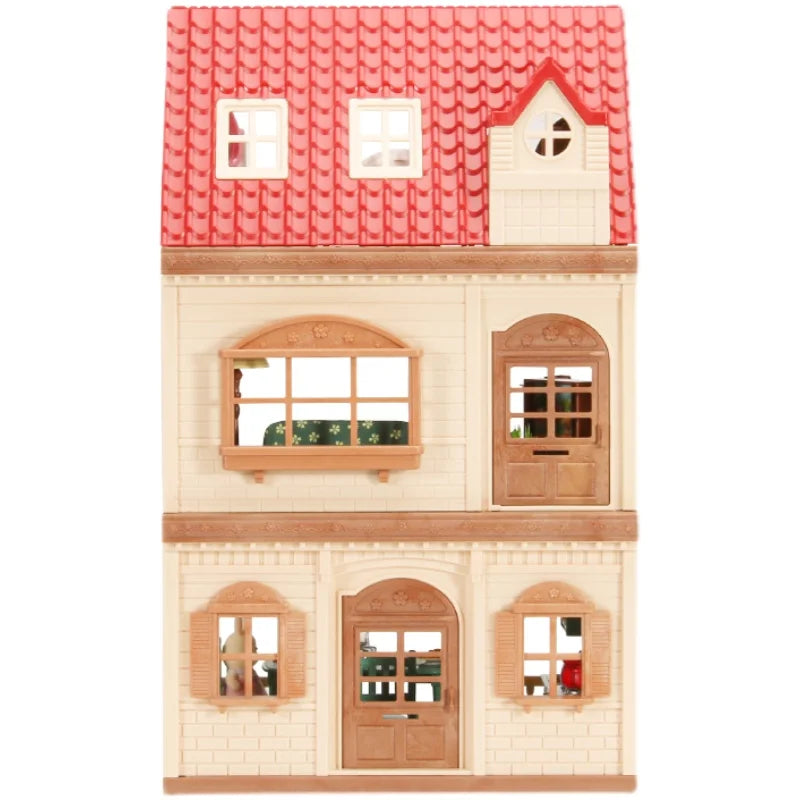
Choose safe dollhouse furniture made with safe non toxic toy materials for worry-free play. See it in action.
Why Safety Matters in Dollhouse Furniture
Dollhouse furniture is handled repeatedly during imaginative play, making safety one of the most important factors to consider before purchasing. Children often pick up, rearrange, stack, and occasionally mouth toy furniture, especially younger preschoolers. Well-made furniture with smooth finishes, rounded edges, secure joints, and durable materials helps reduce everyday risks such as splinters, chipped paint, broken pieces, and loose components that could become choking hazards.
Choosing a child safe dollhouse also supports more confident, independent play. Furniture that remains stable and withstands repeated use allows children to focus on storytelling, creativity, and problem-solving instead of dealing with damaged or unsafe toys. Parents focused on overall wellbeing often explore guidance from Health & Safety and Baby Growth & Learning to ensure toys support both healthy development and a safer play environment.
Safe Non Toxic Toy Materials to Look For
What materials make dollhouse furniture safer?
The safest dollhouse furniture is made from durable, child-friendly materials that can withstand everyday handling without easily breaking, splintering, or releasing harmful substances. Choosing products made with safe non toxic toy materials helps minimize unnecessary chemical exposure while ensuring furniture remains sturdy through years of imaginative play.
- Solid wood: A high-quality choice that offers excellent durability, smooth edges, and long-lasting performance when finished correctly.
- Water-based paints and finishes: Low-odor coatings that are less likely to contain harsh chemicals while providing a smooth, chip-resistant surface.
- BPA-free, rounded plastics: Lightweight yet durable materials that resist cracking and are easy for younger children to handle safely.
- Minimal decorative coatings: Simpler finishes reduce the chance of peeling paint or worn surface layers during frequent use.
- Secure hardware and strong joints: Well-constructed furniture stays intact longer, reducing the likelihood of loose pieces becoming safety hazards.
Before purchasing, inspect product descriptions for clear material information, smooth craftsmanship, and age recommendations. Families who prioritize safer materials often pair toys with learning-focused collections like Sensory Toys to encourage hands-on exploration while maintaining a safer play environment.
How Size and Scale Reduce Playtime Risks
Choosing the correct furniture size is just as important as selecting quality materials. Furniture that matches the dollhouse scale is easier for children to handle, remains more stable during play, and helps reduce common safety concerns. Extremely small accessories may present choking hazards for younger children, while oversized furniture can become unstable or difficult to use properly.
- Follow the manufacturer's recommended age range before purchasing miniature accessories.
- Select furniture designed for your dollhouse's scale to ensure proper fit and stability.
- Keep very small removable pieces away from children who still mouth toys.
- Choose sturdy furniture with wide, balanced bases that sit securely on flat surfaces.
- Inspect accessories regularly to confirm that no parts have loosened or become damaged through everyday play.
When furniture is appropriately sized and securely constructed, children can move pieces independently, create imaginative scenes with confidence, and enjoy longer, safer play sessions with minimal interruptions.
Designed for Everyday Play, Not Just Display
How do you choose safe dollhouse furniture for daily use?
Everyday play places far greater demands on dollhouse furniture than decorative display. Children regularly move, rearrange, stack, and role-play with miniature pieces, so durability is essential. Choose safe dollhouse furniture with reinforced joints, smooth rounded edges, sturdy construction, and finishes that resist chipping or peeling. Well-made furniture is less likely to crack, develop sharp edges, or loosen over time, helping maintain a safer play environment through years of imaginative use.
Many families find that complete dollhouse furniture sets offer better consistency than purchasing individual pieces separately. Matching sets are typically designed with compatible sizing, coordinated materials, and reliable construction, reducing guesswork when creating a child-friendly play space. One reliable option is the Forest Family Dollhouse Furniture Set , thoughtfully designed for everyday play, easy organization, and long-lasting enjoyment.
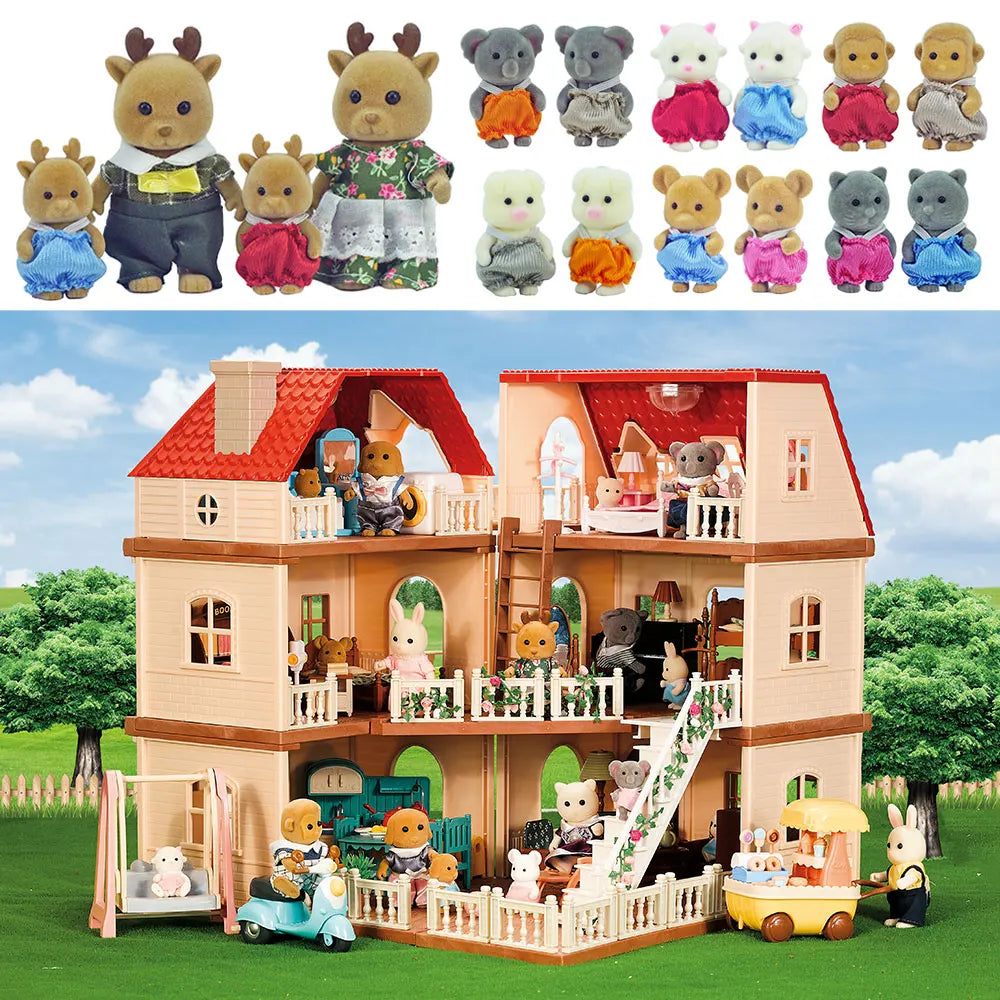
Safe non toxic toy materials combine with durable construction to create dollhouse furniture designed for everyday play. See it in action.
Benefits of Pretend Play for Growing Minds
Selecting safe, well-designed dollhouse furniture supports more than physical safety—it also creates opportunities for meaningful learning. The benefits of pretend play include helping children develop cognitive, emotional, and social skills while exploring everyday situations through imaginative storytelling. A secure, age-appropriate play environment allows children to focus on creativity without unnecessary distractions or safety concerns.
- Problem-solving: Inventing stories and arranging miniature spaces encourages planning, decision-making, and flexible thinking.
- Social and emotional development: Role-playing family routines, friendships, and everyday situations helps children practice empathy, cooperation, and communication.
- Confidence and independence: Creating their own imaginative worlds allows children to make choices, solve challenges, and build self-confidence through independent play.
- Language development: Storytelling, dialogue, and imaginative conversations naturally expand vocabulary and strengthen communication skills.
Parents interested in supporting healthy development often complement imaginative toys with resources such as Baby Growth & Learning Tips , helping create play experiences that encourage both learning and creativity.
When Dollhouse Furniture Sets Make More Sense
Choosing an entire dollhouse furniture set can make shopping simpler while helping create a safer and more consistent play environment. Instead of mixing pieces from different manufacturers, coordinated sets are typically designed with matching scale, compatible materials, and consistent construction quality. This reduces the chance of unstable furniture, mismatched sizing, or accessories that may not be appropriate for your child's age.
| Buying Individual Pieces | Choosing a Complete Furniture Set |
|---|---|
| Materials may vary between brands | Consistent safe materials throughout the collection |
| Furniture sizes may not match | Balanced proportions designed to work together |
| Construction quality can differ | Coordinated craftsmanship for everyday play |
| May require additional compatibility checks | Simplifies setup with matching pieces |
For busy families, a coordinated furniture set saves time while creating a cohesive play space that encourages imaginative storytelling and everyday use.
Easy Care and Long-Term Use Tips
Regular maintenance helps preserve both the appearance and safety of dollhouse furniture. A few simple habits can extend the lifespan of miniature furniture while allowing you to spot wear before it becomes a safety concern.
- Clean surfaces regularly using a soft, damp cloth and dry them thoroughly.
- Store furniture in a clean, dry container or organized play area when not in use.
- Inspect joints, legs, and decorative pieces for looseness, cracks, or damage.
- Remove or replace any broken accessories immediately to reduce injury or choking risks.
- Rotate toys occasionally to reduce excessive wear and keep playtime engaging.
Good storage and routine inspections help maintain a safer play environment while protecting your investment. Families looking for additional organization and care ideas can explore Baby Care Tips & Advice for practical ways to keep children's play spaces clean, organized, and safe.
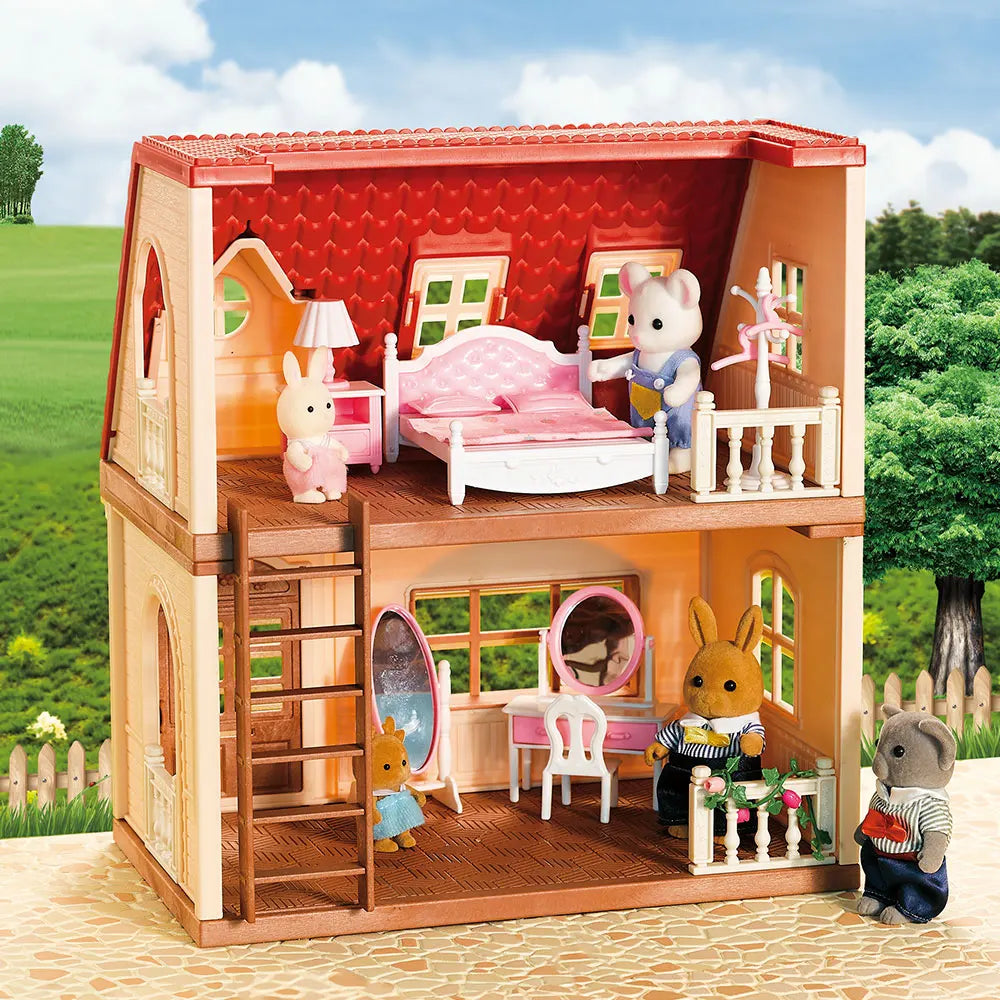
Durable dollhouse furniture supports the benefits of pretend play through everyday adventures. See it in action.
Frequently Asked Questions
How can I ensure the safety of dolls and dollhouses for my child?
Start by choosing age-appropriate toys made from safe non toxic toy materials with smooth edges and durable construction. Before each play session, inspect furniture for loose parts, cracks, chipped finishes, or damaged accessories, and always supervise younger children who may place small pieces in their mouths.
What is the safest age for a child to use a dollhouse?
Most dollhouses and miniature furniture are recommended for children aged 3 years and older. At this stage, children generally have the fine motor skills needed to handle small accessories more safely while enjoying imaginative, structured pretend play.
What safety certifications should a dollhouse have?
Look for products that clearly state compliance with recognized toy safety standards applicable to your region, along with clear age recommendations, material information, and manufacturer details. These labels indicate the product has been evaluated against established toy safety requirements.
Are wooden dollhouses safer than plastic ones?
Both wooden and plastic dollhouses can provide a safe play experience when manufactured with high-quality, non-toxic materials. Solid wood offers excellent durability and stability, while well-made BPA-free plastics are lightweight, easy to clean, and resistant to cracking.
What materials should I avoid in dollhouse furniture?
Avoid furniture with rough or splintered surfaces, peeling paint, sharp edges, loose decorative pieces, or unclear material descriptions. Products that lack age recommendations or quality construction may not be suitable for frequent play.
Can second-hand dollhouses be made safe?
Yes, provided they are carefully inspected before use. Check for damaged parts, missing hardware, loose accessories, unstable construction, and worn finishes. Replace broken components and thoroughly clean the dollhouse before allowing children to play with it.
How can I reduce choking hazards with dollhouse accessories?
Keep very small accessories away from children under the recommended age, remove damaged pieces immediately, and store loose items securely after play. Selecting furniture scaled appropriately for your child's developmental stage also helps reduce choking risks.
How often should I inspect a dollhouse for damage?
A quick visual inspection before regular play and a more thorough check every few weeks can help identify loose joints, cracked furniture, chipped finishes, or missing parts before they become safety concerns.
Related Guide: How to Encourage Pretend Play at Home With Simple Dollhouse Setups





