

How to Develop Hand Eye Coordination Through Daily Play
Does daily play really help develop hand eye coordination?
How to develop hand eye coordination starts with simple, repeatable play that trains the eyes and hands to work together. Daily activities like tossing, catching, and aiming help children improve timing, focus, and motor control naturally. When play is consistent and enjoyable, coordination skills grow faster without pressure.
How to Develop Hand Eye Coordination Through Daily Play
⏱ 7 min read
Ever notice how kids can spend hours tapping screens but struggle to catch a ball or aim a toy? Many parents worry their child is missing key motor skills, especially during long days indoors or when kids say they’re bored at home. The good news: learning how to develop hand eye coordination doesn’t require drills or pressure—it starts with the right kind of play.
The secret isn’t more toys. It’s using everyday active play examples that naturally train timing, focus, and movement while still feeling fun. With the right setup, even short play sessions can build confidence and coordination fast.
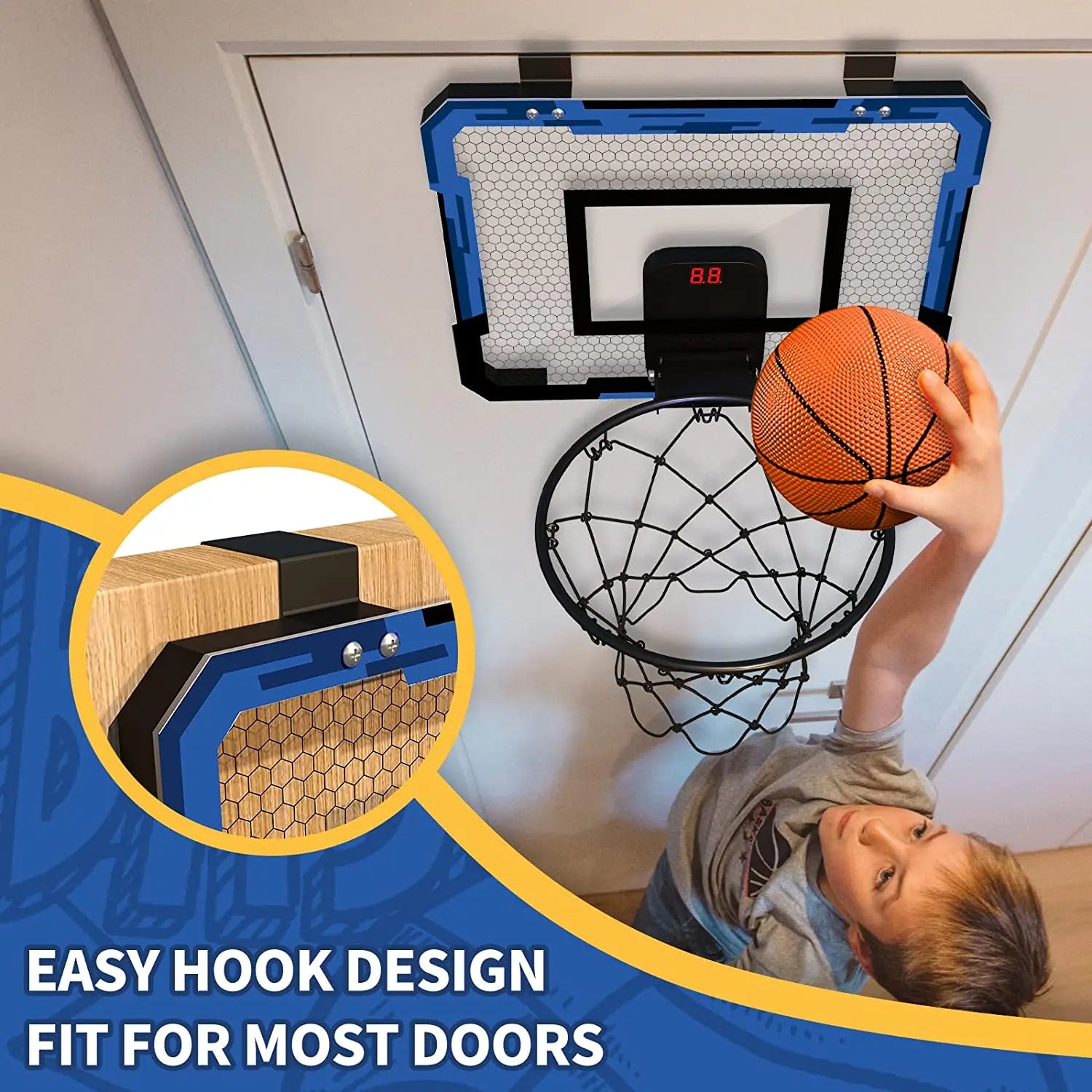
How to develop hand eye coordination through simple daily play 💡 See it in action
Why Hand Eye Coordination Shapes Everyday Confidence
Hand eye coordination is the ability to process visual information and guide hand movements accurately. It’s essential for tasks like writing, sports, self-feeding, and even getting dressed. When kids struggle here, frustration often follows.
- Improves focus and attention span
- Builds confidence during learning and play
- Supports fine and gross motor development
- Makes sports and school tasks easier
That’s why parents looking to develop hand eye coordination early often see smoother progress later in school and physical activities.
How to Develop Hand Eye Coordination at Home
How to develop hand eye coordination works best when play is frequent, short, and engaging. Instead of long sessions, aim for daily moments where kids track, reach, throw, or aim.
Simple home-based play trains the brain and body together, especially when kids don’t even realize they’re practicing.
- Start with large, easy-to-track targets
- Use repetition without pressure
- Increase challenge gradually
- Celebrate effort, not perfection
Many families pair these activities with tools from Baby Growth & Learning to keep skill-building playful and stress-free.
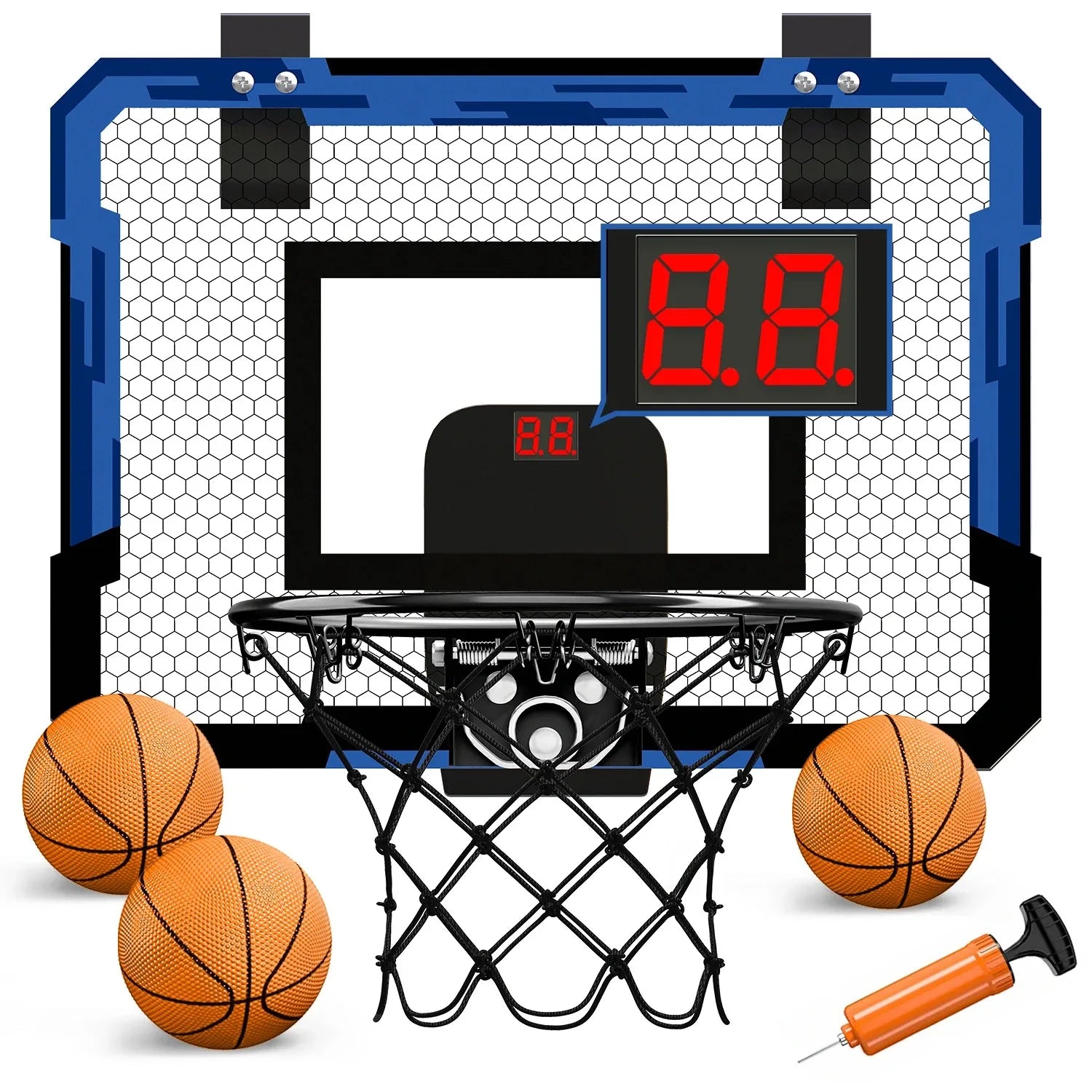
Develop hand eye coordination with active play examples 💡 See it in action
Daily Play Routines That Build Coordination Fast
Consistency beats intensity. A few minutes of intentional play each day can outperform long, irregular sessions.
Throw, Aim, Retrieve
Games that involve aiming at a target—like soft balls or hoops—train depth perception and timing. This is why home basketball training setups are so effective for kids.
Catch and React
Rolling or tossing balls at varying speeds improves reaction time and tracking skills.
Tap and Track
Wall targets, moving toys, or light-up cues encourage quick visual processing and hand response.
Parents often combine these routines with items from Mobility & Training to support active play at home.
Bored at Home Activities That Sneak in Skill Building
When kids say they’re bored, it’s often a chance to redirect energy into meaningful play.
- Target tossing with laundry baskets
- Indoor ball games using soft equipment
- Timed challenges with visual cues
- Follow-the-leader movement games
These bored at home activities don’t feel like practice, yet they consistently develop hand eye coordination through repetition and fun.
Choosing Toys That Actually Help Coordination
Not all toys are equal. The best hand eye coordination training toy encourages movement, tracking, and feedback.
| Helpful | Less Effective |
|---|---|
| Target-based play | Passive screen toys |
| Adjustable difficulty | Single-use gadgets |
| Encourages repetition | No movement involved |
Parents often explore Sensory Toys or active play equipment children enjoy to keep learning engaging.
One popular option for families working on aiming and timing is a simple home basketball setup like this kids basketball hoop, which allows kids to practice coordination independently.
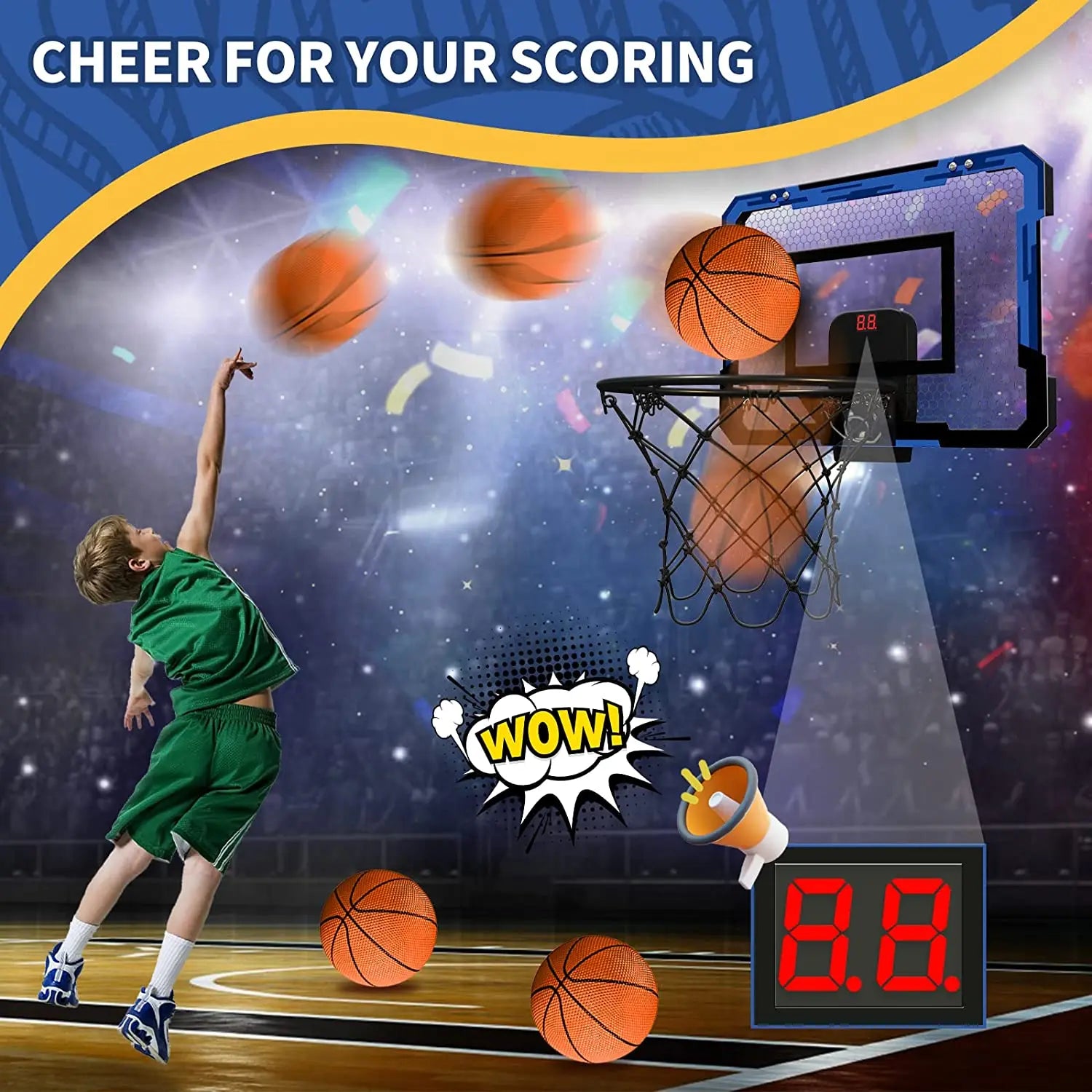
Active play equipment children love builds coordination 💡 See it in action
Quick FAQ for Parents
At what age should kids start coordination play?
Simple coordination play can begin as early as toddlerhood with rolling, reaching, and grasping activities.
How long should kids practice each day?
Even 10–15 minutes of focused play daily can show noticeable improvements over time.
Do indoor activities really work?
Yes. Indoor play ideas using targets, movement, and repetition can be just as effective as outdoor games.
Related Guide: How to Build Hand Eye Coordination With Simple Home Games





