

How to Fly a Kite Without Wind: What Actually Works
Can you really learn how to fly a kite without wind?
How to fly kite without wind is possible by using lightweight designs, smart movement techniques, and kites that fly in low wind. With the right setup and a stable kite, gentle motion can replace breeze, helping beginners and families enjoy kite flying even on calm days.
How to Fly Kite Without Wind: Smart Tricks That Work
⏱ 7 min read
How to fly kite without wind sounds impossible at first—especially when kids are excited, the sky is clear, and nothing moves. But calm air doesn’t have to end outdoor fun. With a few smart tricks, the right easy to fly kite, and simple adjustments, you can turn still days into memorable play moments.
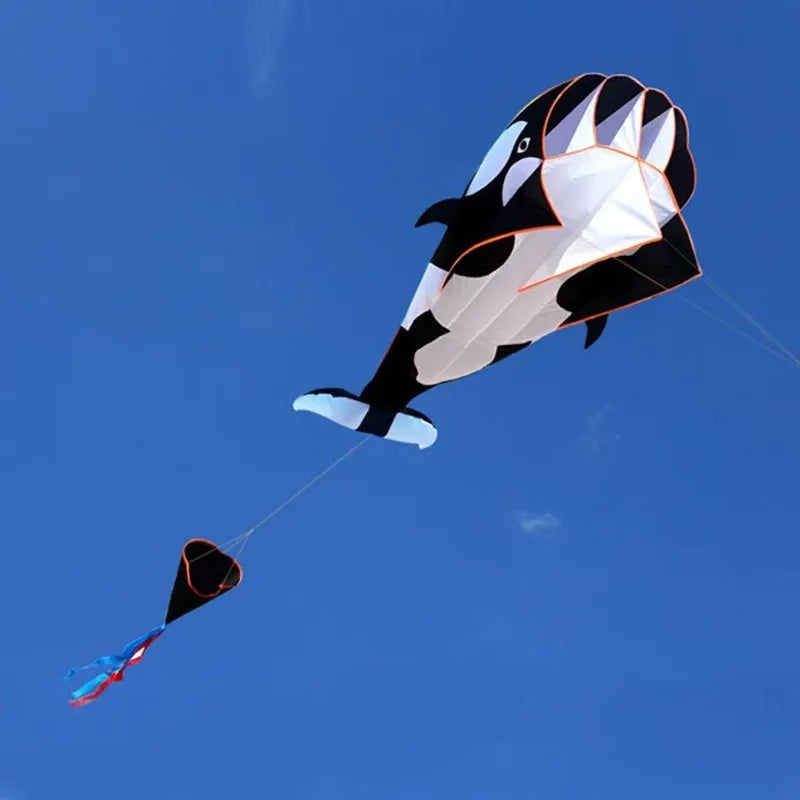
Lightweight, easy to fly kite designs make how to fly kite without wind feel possible See it in action
Why Flying a Kite Without Wind Feels So Hard
Kites rely on airflow to create lift. On windy days, nature does the work. On calm days, nothing pushes air over the kite’s surface, so it drops quickly.
This is frustrating for parents and kids alike—especially when outdoor time is limited and expectations are high.
The good news? Airflow doesn’t have to come from wind alone.
How to Fly Kite Without Wind: Step-by-Step
How to fly kite without wind works by replacing natural breeze with motion, angle, and design. A lightweight, stable kite combined with steady movement creates enough airflow to lift and hold the kite in the sky—even in still conditions.
- Choose open space: A park or field with room to move safely works best.
- Hold the kite high: Start with the kite above shoulder level.
- Walk or jog gently: Your movement creates airflow.
- Release line gradually: Let the kite find balance instead of forcing height.
Think of it like pushing a swing—you don’t shove once; you keep steady motion.
Choosing Kites That Fly in Low Wind
The biggest difference comes down to the kite itself. Not all kites are built for calm air.
What Makes an Easy to Fly Kite in Low Wind?
- Lightweight fabric that lifts with minimal airflow
- Wide surface area for better lift
- Balanced frame for steady flight
- Simple line setup for beginners
Animal-shaped designs often work well because they distribute weight evenly and stay stable.
A great example is the Whale & Dolphin Kite, designed to stay airborne with gentle movement—making it ideal for first-time flyers and kids.
Low Wind Kite Comparison
| Kite Type | Low Wind Performance | Beginner Friendly |
|---|---|---|
| Diamond Kite | ❌ Poor | ❌ |
| Box Kite | ✅ Good | ⚠️ Moderate |
| Animal-Shaped Stable Kite | ✅ Excellent | ✅ Easy |
Smart Movement Tricks That Create Lift
No wind? No problem. Your body becomes the breeze.
Walking Launch
Walk forward steadily while holding the line taut. This smooth airflow is often enough to lift kites that fly in low wind.
Gentle Zig-Zag
Small side-to-side movements increase air pressure across the kite’s surface.
Short Line Control
Start with less line. Shorter lines give you more control and faster lift response.
Parents often find kids love being “the wind,” turning learning into play.
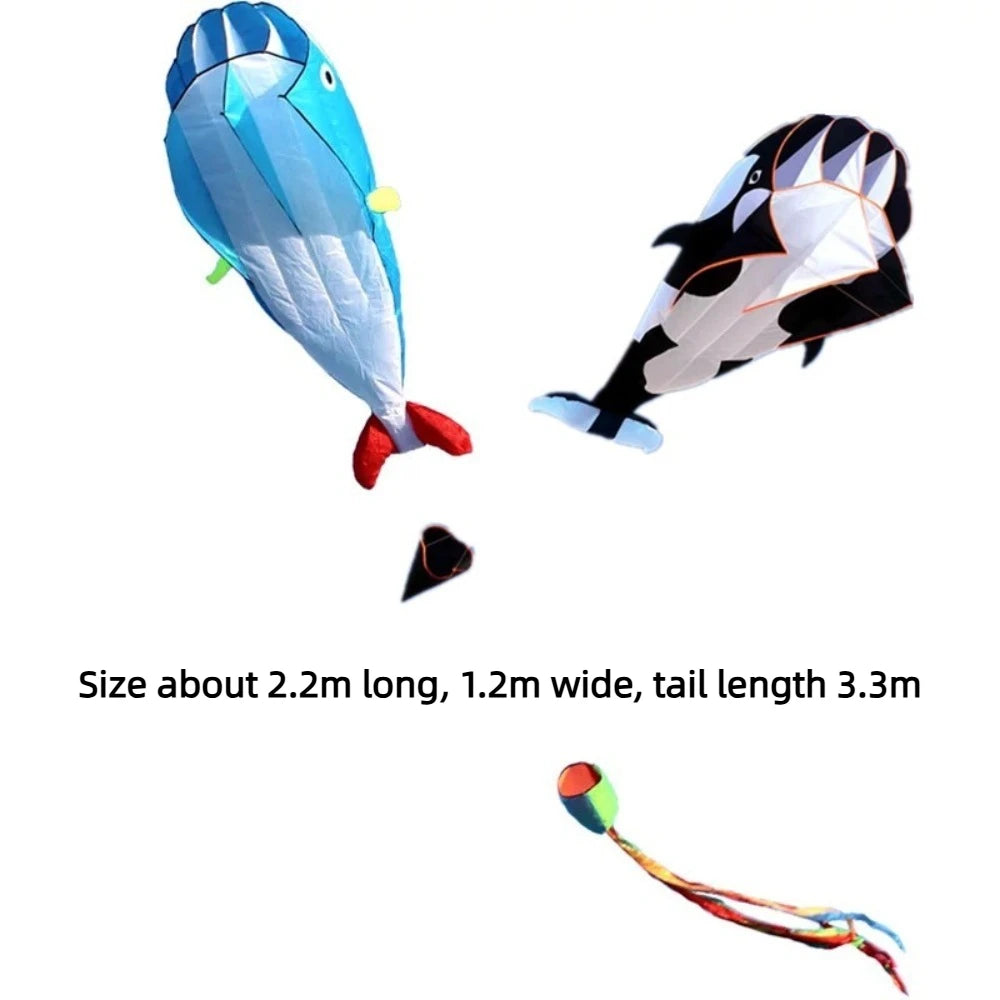
Using movement to help kites that fly in low wind stay airborne See it in action
How to Make a Kite More Stable in Calm Air
A stable kite matters even more when there’s no wind.
- Check the bridle: Balanced lines prevent spinning.
- Avoid sudden pulls: Smooth tension keeps lift steady.
- Watch the angle: Too steep causes stalls; too flat causes drops.
- Let the kite settle: Give it time to find its airflow pocket.
Stability is why many families prefer beginner-friendly designs over traditional sharp-edged kites.
Turning Kite Flying Into Family Outdoor Play
Calm days are perfect for relaxed outdoor bonding. Flying an easy to fly kite becomes less about performance and more about shared moments.
Pair kite time with other gentle activities kids enjoy, like sensory exploration or movement games. Many parents already combine outdoor play with items from Sensory Toys to keep children engaged longer.
Real parent feedback often mentions calmer kids, less frustration, and more confidence after mastering low-wind flying.

A stable kite makes how to fly kite without wind simple and fun See it in action
Mini FAQ
Can beginners really learn how to fly kite without wind?
Yes. With an easy to fly kite designed for calm air and simple movement techniques, beginners can successfully keep a kite airborne even on still days.
What type of kite works best in low wind?
Lightweight, wide-surface, stable kite designs—especially animal-shaped kites—perform best in low wind conditions.
Is running necessary to fly a kite without wind?
No. Gentle walking or steady movement is usually enough when using kites that fly in low wind.
Is kite flying safe for young kids?
Yes, when done in open spaces with stable, beginner-friendly kites and calm supervision, kite flying is a safe and confidence-building outdoor activity.
Related Guide: How to Fly a Kites: Step-by-Step Setup and First Launch
UPGRADE PLAN { "outline": [ { "action": "MODIFY", "h2": "Can You Fly a Kite Without Wind? The Quick Answer", "h3": [ "Myth vs. Reality", "When It Is and Isn't Possible" ], "focus": [ "Answer the question immediately", "Clarify that airflow is required even without natural wind", "Set realistic expectations", "Introduce solutions covered below" ], "keywords": [ "how to fly a kite without wind", "can you fly a kite without wind", "can a kite fly without wind", "can you fly a kite with no wind" ] }, { "action": "MODIFY", "h2": "Why a Kite Needs Airflow to Fly", "h3": [ "How Lift Works", "How Your Movement Replaces Wind" ], "focus": [ "Explain lift in simple terms", "Differentiate wind from relative airflow", "Show why movement creates lift", "Connect physics to practical techniques" ], "keywords": [ "how to make a kite fly without wind", "how to fly kite without wind" ] }, { "action": "MODIFY", "h2": "How to Fly a Kite Without Wind: Step-by-Step", "h3": [ "Walking Launch", "Running Launch", "Helper Launch", "Keep the Kite Moving" ], "focus": [ "Choose the right location", "Create airflow through movement", "Maintain steady line tension", "Adjust technique as conditions change" ], "keywords": [ "how to fly a kite without wind", "how to fly kite without wind", "how to fly a kite with no wind" ] }, { "action": "MODIFY", "h2": "Choosing Kites That Fly in Low Wind", "h3": [ "What Makes an Easy to Fly Kite?", "Best Kites for Low-Wind Conditions", "Indoor and Zero-Wind Kites" ], "focus": [ "Compare lightweight designs", "Explain indoor/zero-wind kites", "Recommend beginner-friendly options", "Match kite type to conditions" ], "keywords": [ "kites that fly in low wind", "easy to fly kite", "stable kite" ] }, { "action": "MODIFY", "h2": "Smart Movement Techniques That Improve Lift", "h3": [ "Walking Patterns", "Gentle Zig-Zag", "Short Line Control", "Smooth Direction Changes" ], "focus": [ "Maintain continuous airflow", "Avoid sudden movements", "Improve stability", "Reduce stalls" ], "keywords": [ "how to fly kite in low wind", "stable kite" ] }, { "action": "ADD", "h2": "Common Problems and How to Fix Them", "h3": [ "Kite Nose-Dives", "Kite Spins", "Kite Won't Climb", "Line Goes Slack" ], "focus": [ "Identify common failures", "Explain likely causes", "Provide quick fixes", "Know when conditions are unsuitable" ], "keywords": [ "how to fly kite in low wind", "stable kite" ] }, { "action": "MODIFY", "h2": "How to Make a Kite More Stable in Calm Air", "h3": [], "focus": [ "Adjust line angle", "Use smooth inputs", "Choose open flying areas", "Know when to stop trying" ], "keywords": [ "stable kite", "how to fly kite in low wind" ] }, { "action": "ADD", "h2": "Ideal Wind Speeds and Safety Tips", "h3": [ "Best Conditions", "Safety Checklist" ], "focus": [ "Recommend minimum wind ranges", "Highlight safe launch areas", "Avoid hazards and storms", "Supervise children" ], "keywords": [ "how to fly a kite without wind" ] }, { "action": "REMOVE", "h2": "Turning Kite Flying Into Family Outdoor Play", "h3": [], "focus": [], "keywords": [] }, { "action": "MODIFY", "h2": "FAQ", "h3": [], "focus": [ "Answer long-tail questions", "Address beginner concerns", "Clarify equipment choices", "Reinforce realistic expectations" ], "keywords": [ "can kite fly without wind", "kites that fly in low wind" ] } ], "internal_links": [ "Beginner guide to flying a kite", "How to choose the right kite", "Best outdoor activities for kids", "Wind safety tips for outdoor recreation" ], "faq": [ "Can you fly a kite without any wind at all?", "Can you fly a kite by running?", "What wind speed is too low for a regular kite?", "What type of kite works best in low wind?", "Are indoor kites different from regular kites?", "Why does my kite keep nose-diving in calm weather?", "Can children fly a kite in low-wind conditions safely?" ], "trim": [ "Reduce repetitive beginner advice between movement and stability sections", "Replace family-play content with troubleshooting and safety", "Merge overlapping low-wind technique tips into the step-by-step guide" ] } Approved linked products: - Whale & Dolphin Kite (/products/whale-dolphin-kite) Product Rules - Keep all approved products. - Only approved products may contain affiliate links. - You may add real competitor products when useful. - Competitor products must not contain links unless already present. - Only create comparison tables when they genuinely improve the article. RULES - Apply every instruction in the Upgrade Plan. - Keep all existing affiliate links unchanged. - Keep all existing internal links unchanged. - Keep all existing image URLs unchanged. - Preserve sections such as Related Articles, Related Posts and Recommended Reading. - Avoid duplicate headings. - Insert new sections only where specified. - Improve clarity, topical coverage, EEAT and readability. - Expand weak sections only when required. - Use natural keyword placement. - Keep semantic HTML clean. YEAR UPDATE If visible article text contains "2005", replace it with "2026". Do not modify years inside: - URLs - href attributes - image filenames OUTPUT REQUIREMENTS Return ONLY the final upgraded HTML article. The output must be valid HTML and ready to publish. Do NOT return: - Markdown - Explanations - Notes - Code fences - JSON - XML Return the HTML beginning with the first HTML element and ending with the last HTML element.





