

How to Improve Balance and Coordination: A Science-Backed Step-by-Step Training Plan
How to Improve Balance and Coordination: 4 Progressive Phases That Actually Work
If you’ve ever felt unsteady on one leg, struggled with quick direction changes in sports, or noticed frequent small stumbles during daily life, you’re not alone. The good news? Balance and coordination are trainable at any age.
This guide shows you exactly how to improve balance and coordination using a science-backed, progressive 4-phase framework. Instead of random exercises, you’ll follow a structured path: foundation → controlled stability → dynamic coordination → reactive control. You’ll also get self-assessment tests, weekly routines, and clear progression cues.
What Balance and Coordination Really Mean (And Why They Matter)
Balance is your ability to maintain your center of mass over your base of support. Coordination is your ability to execute smooth, efficient, well-timed movement patterns.
Strong balance reduces fall risk, improves athletic performance, and enhances movement efficiency. Coordination determines how fluidly your muscles fire together under the control of your nervous system.
The 3 Systems That Control Balance
Your body relies on three integrated systems:
- Vestibular system – Located in the inner ear, the vestibular system detects head movement and spatial orientation.
- Proprioception – Proprioception is your body’s awareness of joint position and movement.
- Vision – Your eyes provide environmental reference points.
When one system is challenged (for example, closing your eyes), the others must compensate. Training strategically improves integration among all three.
How the Cerebellum Coordinates Movement
The cerebellum is the brain’s movement calibration center. It fine-tunes timing, rhythm, and precision. Every repetition you perform strengthens neural pathways through motor learning. That’s why consistent practice—not random workouts—drives coordination improvements.
Why Core Stability Is the Foundation of Balance
Core stability refers to your ability to control the trunk during movement. Without it, force leaks occur between upper and lower body, reducing efficiency and increasing injury risk. Strong core control stabilizes the spine, improves posture, and supports precise limb movement.
Quick Self-Assessment: How Good Is Your Balance Right Now?
Single-Leg Balance Test (At-Home Benchmark)
The single-leg balance test is a simple starting point:
- Stand barefoot near a wall for safety.
- Lift one foot slightly off the floor.
- Time how long you maintain control (hands on hips).
Benchmarks (eyes open):
- Under 10 seconds: needs foundational work
- 10–30 seconds: average control
- 30+ seconds: strong baseline stability
Progression: Repeat with eyes closed to challenge vestibular and proprioceptive systems.
Dynamic Control Check (Step-Down or Reach Test)
Dynamic testing evaluates neuromuscular control—how well muscles coordinate during movement.
Try a controlled step-down from a low step. Watch for knee collapse inward or hip drop. Asymmetry between sides indicates targeted strength and coordination work is needed.
Phase 1 – Foundation: Build Static Stability
This phase develops posture, alignment, and trunk control.
Core Activation and Postural Control Drills
- Dead bugs (slow and controlled)
- Bird dogs (opposite arm/leg reach)
- Front and side plank variations
Focus on breathing and neutral spine alignment.
Static Balance Progressions
- Feet together stance
- Semi-tandem stance
- Tandem stance
- Single-leg stance
Progress from eyes open to eyes closed.
Common Mistakes to Avoid in Phase 1
- Holding your breath
- Rushing progressions
- Allowing posture collapse
Phase 2 – Stability Under Movement
Now we introduce controlled motion while maintaining alignment.
Single-Leg Strength and Control Exercises
- Split squats
- Step-downs
- Lateral lunges
Slow tempo increases motor control demands.
Unstable Surface Training (When and How to Use It)
Tools like a BOSU ball can increase proprioceptive challenge—but only after mastering solid ground stability. Overuse of unstable surfaces may reduce force production if done too early.
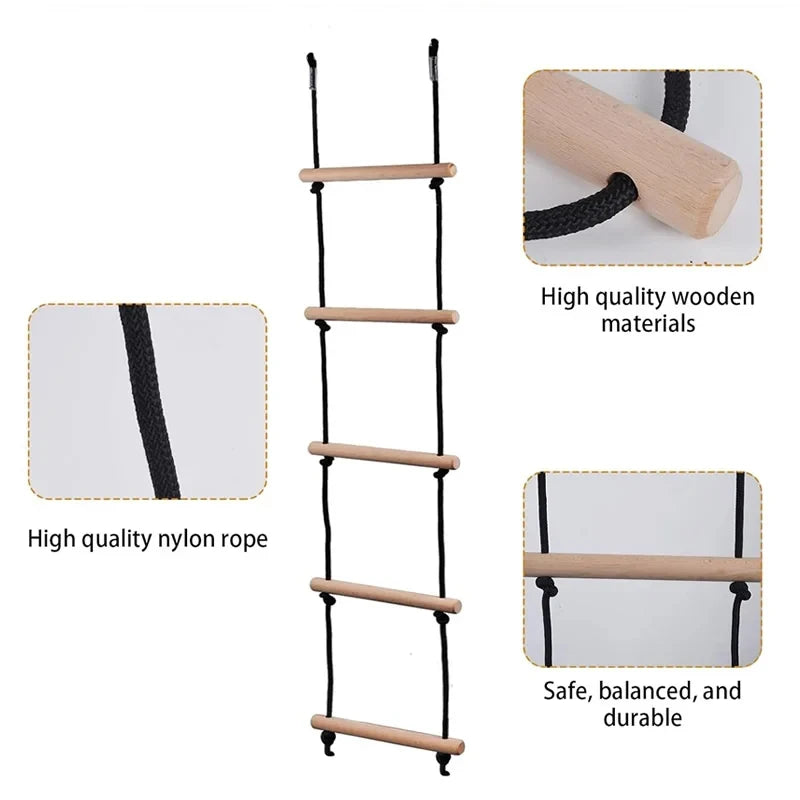
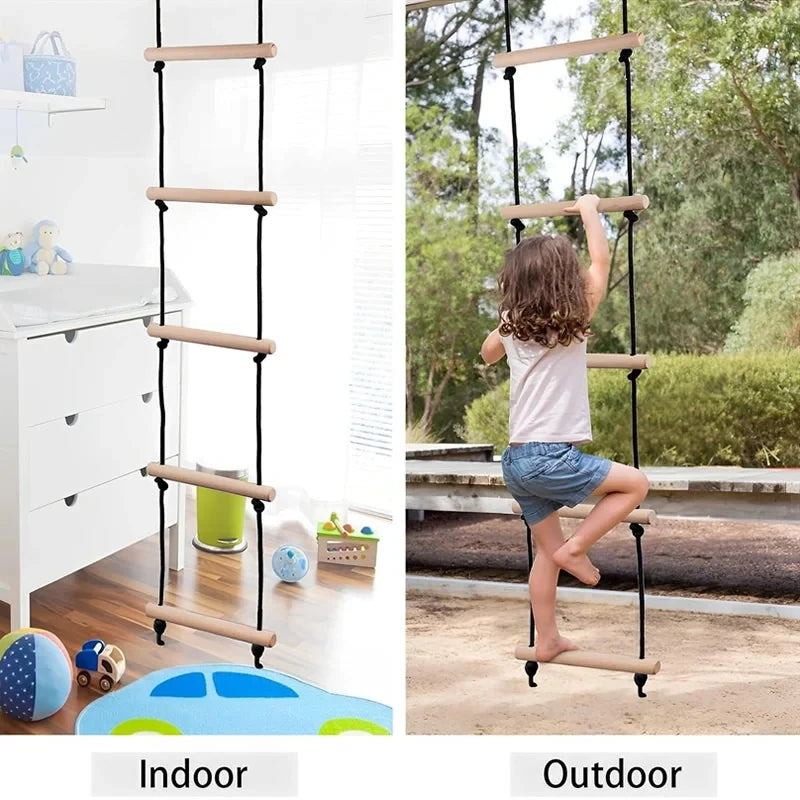
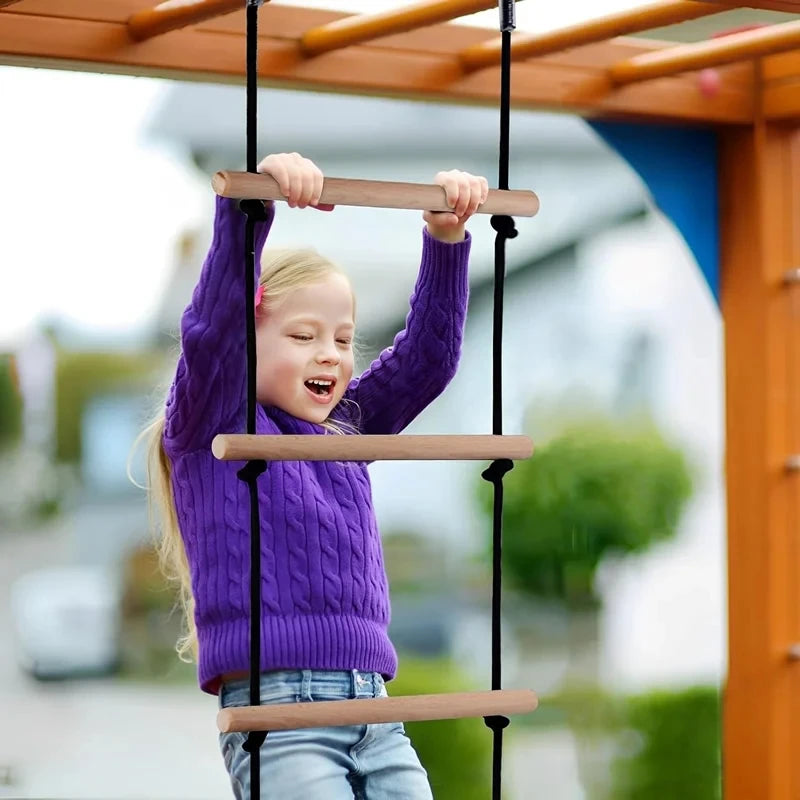
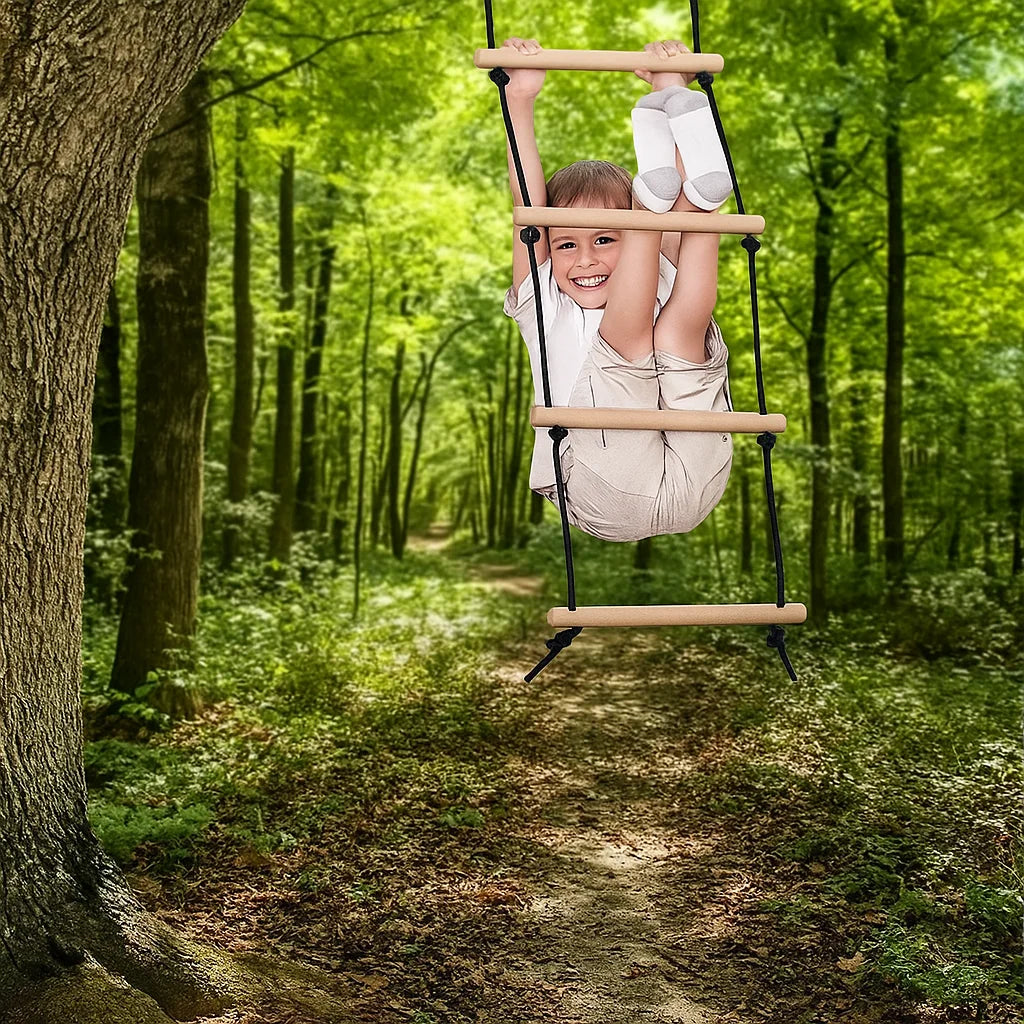
For children developing coordination, climbing activities are highly effective. The Children Climbing Rope Ladder – Indoor Outdoor Fun encourages full-body engagement and controlled grip-to-foot sequencing, which enhances balance and spatial awareness during play.
Parents can explore related developmental resources in the Baby Growth & Learning Tips section for additional movement-based ideas.
Functional Movement Training for Real-Life Strength
Functional movement training integrates multi-joint patterns like carries, rotational reaches, and controlled lifts. These movements mimic real-world demands and reinforce coordinated strength.
Phase 3 – Dynamic Coordination and Athletic Control
This phase develops timing and direction changes.
Agility and Direction-Change Drills
- Cone drills
- Lateral shuffles
- Crossover steps
Reaction Time Training for Faster Responses
Reaction time training improves neural processing speed. Use visual cue drills (partner points left/right) or ball drop drills to train fast motor responses.
Sport-Specific Examples
- Runners: Single-leg bounding
- Tennis players: Lateral shuffle to rotational reach
- Team sports: Multi-direction cone reaction drills
Phase 4 – Reactive and Unpredictable Control
Advanced training prepares you for unexpected movement demands.
Perturbation Training Basics
Have a partner apply light, controlled pushes while you maintain stance. This improves reflexive stability.
Dual-Task Balance Challenges
Add cognitive tasks (count backward, respond to cues) while balancing. This challenges cerebellar processing and motor coordination under distraction.
7-Day Starter Plan (Beginner-Friendly)
- Day 1: Core activation + single-leg holds
- Day 2: Split squats + tandem stance
- Day 3: Rest or light mobility
- Day 4: Step-down drills
- Day 5: Single-leg holds (eyes closed progression)
- Day 6: Light agility drill introduction
- Day 7: Rest and reassess single-leg balance test
If training children, consider pairing structured drills with active play equipment from the Mobility & Training collection to keep engagement high.
30-Day Progressive Plan (Structured Advancement)
- Week 1: Phase 1 focus
- Week 2: Add Phase 2 exercises
- Week 3: Introduce agility drills
- Week 4: Add light perturbation and reaction drills
Track your single-leg hold time and dynamic control symmetry weekly.
How Long Does It Take to Improve Balance and Coordination?
Most people notice measurable improvements within 2–4 weeks of consistent training (3–4 sessions per week). Neural adaptations occur first, followed by strength gains. Significant improvements typically appear within 6–8 weeks.
Common Causes of Poor Balance (And When to Seek Help)
Causes may include:
- Deconditioning
- Inner ear dysfunction
- Joint instability
- Neurological conditions
If you experience dizziness, frequent unexplained falls, or rapid decline in stability, consult a licensed professional in physical therapy.
Comparison: The 4 Phases of Balance Training
| Phase | Focus | Primary Goal |
| Phase 1 | Static stability | Postural control |
| Phase 2 | Controlled movement | Single-leg strength |
| Phase 3 | Dynamic drills | Timing and direction |
| Phase 4 | Reactive control | Reflexive stability |
Balance improves through progressive overload—just like strength training.
Conclusion: Build Balance With Structure, Not Random Exercises
Learning how to improve balance and coordination requires progression across four phases: foundation, controlled stability, dynamic coordination, and reactive control.
Measure your baseline. Train consistently. Progress intentionally. Whether you're an adult improving athletic performance or supporting a child’s development through active play, structured movement is the key.
Pillar Article: Playground Equipment at Home: The 2026 Fit-Based Buying Guide by Size, Age & Budget





