

How to Improve Scooter Balance for Children Quickly
How can parents improve scooter balance for children quickly?
Scooter balance for children improves fastest with short, playful practice that builds confidence and body awareness. Simple drills, clear lean to steer cues, and a properly sized beginner scooter help kids stabilize their posture, reduce wobbles, and ride smoothly within days—often in just a few focused minutes each day.
How to Improve Scooter Balance for Children Quickly
Scooter balance for children improves faster when parents focus on simple, playful drills instead of pressure. This guide shares practical scooter balance tips that build confidence, explain why kids should lean to steer, and show how the right beginner scooter setup prevents wobbles. You’ll learn quick routines, common mistakes, and safety tweaks that turn frustration into fun—ready to see how a few minutes a day can unlock smooth riding?
⏱ 7 min read
Explore supportive riding gear designed for early confidence.
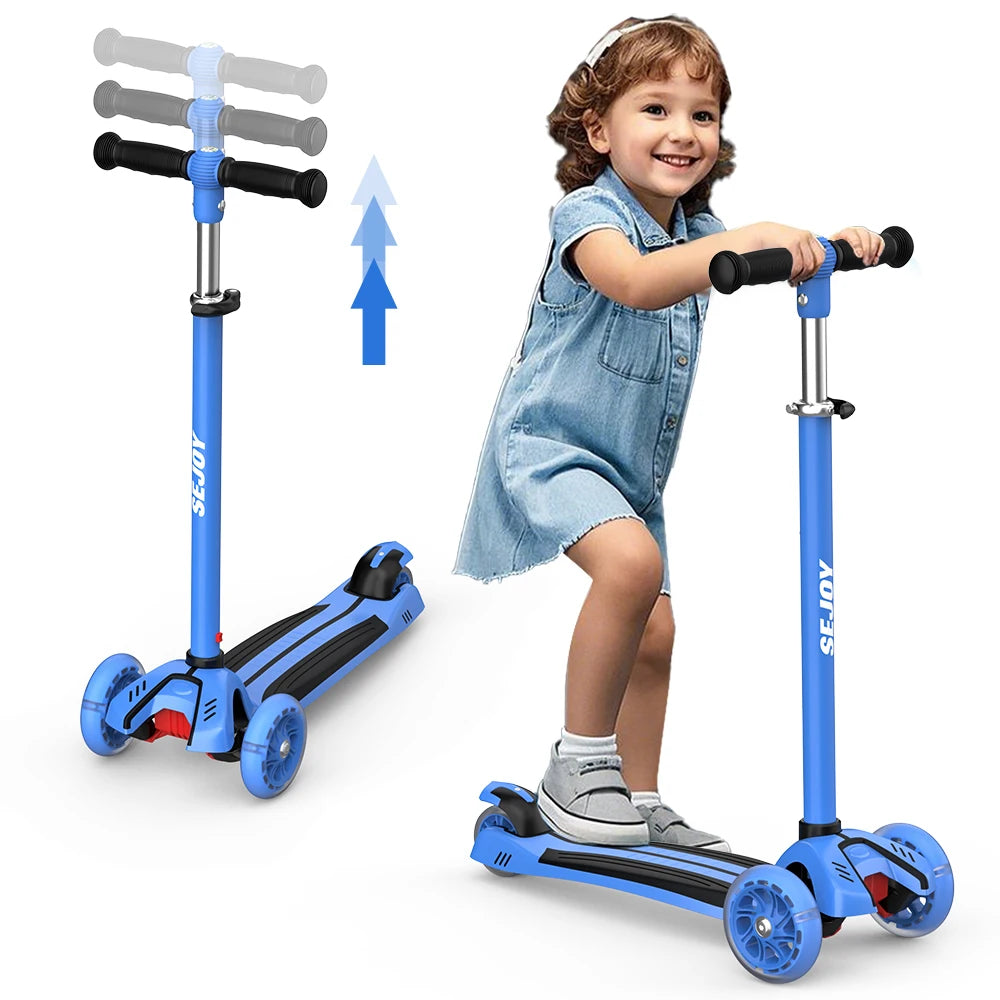
Scooter balance for children starts with the right setup and playful practice 💡 See it in action
Why Scooter Balance Matters for Kids
Balance is the foundation of every scooter skill. When children feel steady, they relax their bodies, look ahead, and enjoy riding. Poor balance, on the other hand, often leads to fear, stiff posture, and frequent stops.
Parents often worry that their child is “behind,” but balance develops at different speeds. The good news? With the right approach, progress can happen surprisingly fast.
The Fastest Way to See Improvement
Scooter balance for children improves most quickly when practice is short, consistent, and playful. Five to ten minutes a day beats one long session a week. Kids learn best when they don’t feel tested.
- Practice on flat, open ground.
- Focus on gliding, not speed.
- Encourage relaxed knees and soft arms.
- End sessions on a success.
Set Up a Beginner Scooter for Stability
The right beginner scooter can instantly reduce wobbling. A poorly adjusted scooter makes balance harder than it needs to be.
- Handlebars at waist height for control.
- Wide deck for stable foot placement.
- Smooth-rolling wheels to maintain momentum.
Many parents find that an adjustable scooter with light-up wheels keeps kids motivated and upright. You can see a child-friendly option here.
For more tools that support physical development, explore Mobility & Training designed for growing kids.
How Lean to Steer Builds Natural Control
Scooter balance for children improves when they learn to lean to steer instead of twisting the handlebars sharply. Leaning uses the whole body, which naturally stabilizes movement.
Quick tip: Ask your child to “lean like a tree in the wind.” This image helps them understand balance without overthinking.
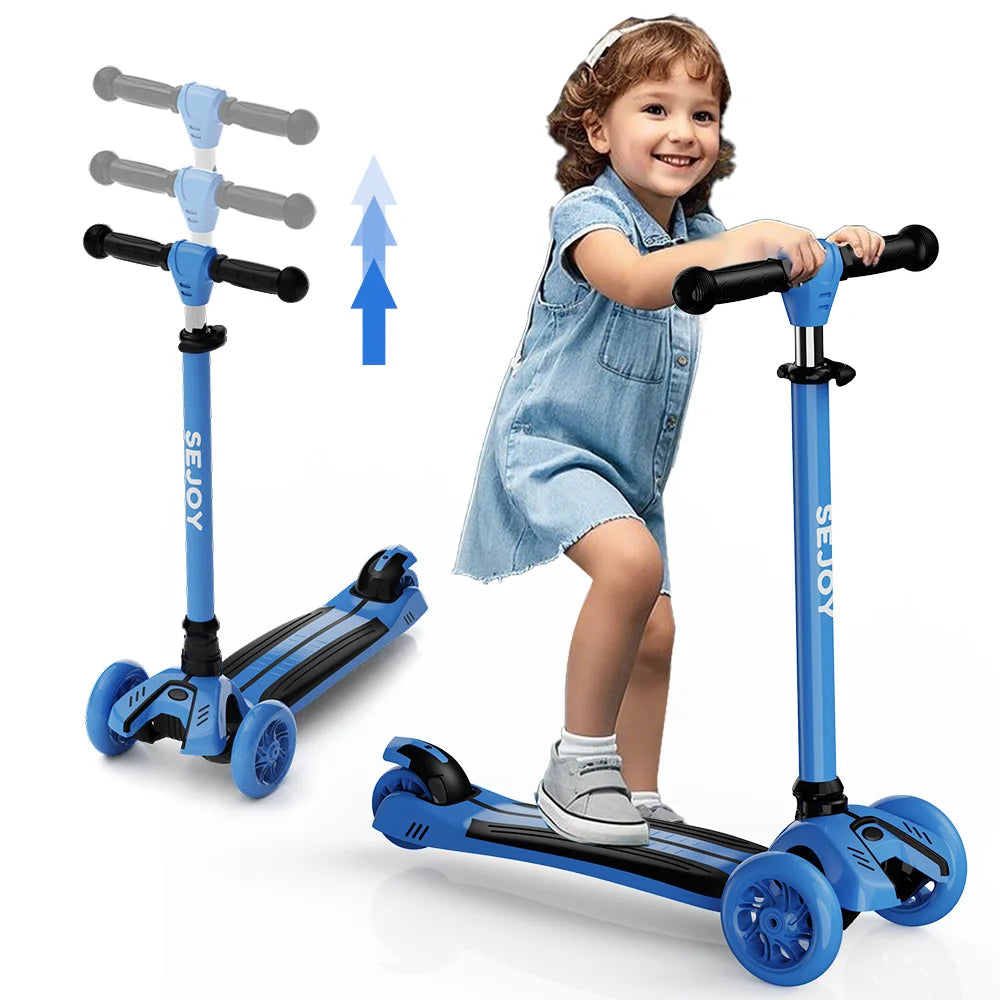
Lean to steer cues help beginner scooter riders feel stable 💡 See it in action
5 Fun Drills That Improve Balance Fast
These scooter balance tips feel like games, not lessons.
- One-foot glide: Push, then glide on one foot for two seconds.
- Slow race: Ride as slowly as possible without stopping.
- Line follow: Glide along a chalk line.
- Lean turns: Make wide turns using body lean.
- Freeze game: Stop and balance when you say “freeze.”
Discover supportive gear and learning tools parents trust.
Common Mistakes That Slow Progress
Even well-meaning parents can unintentionally make balance harder.
- Holding the scooter instead of letting kids feel movement.
- Practicing on slopes too early.
- Correcting too often during rides.
Balance grows through experience. Small wobbles are part of learning.
Simple Safety Tweaks Parents Overlook
Feeling safe helps kids relax, which directly improves balance.
- Helmet that fits snugly.
- Closed-toe shoes with grip.
- Clear practice space.
Browse protective essentials in Health & Safety to support worry-free practice.
Building Confidence Without Pressure
Confidence is the secret ingredient. Celebrate effort, not distance or speed. When children feel supported, scooter balance for children improves naturally.
Parents often share that after one week of relaxed practice, their child rides farther and smiles more. That emotional shift matters as much as physical balance.

Beginner scooter practice builds scooter balance for children 💡 See it in action
Check out a balance-friendly scooter parents love.
Quick Questions Parents Ask
How long does it take to improve scooter balance?
Most children show noticeable improvement within a week of daily five-minute practice, especially when drills are playful and pressure-free.
What age is best to start?
Many kids begin developing scooter balance around ages 2–3 with a stable beginner scooter and close supervision.
Should parents hold the scooter?
It’s better to let children feel movement on their own. Stand nearby for safety, but avoid holding the scooter during practice.
Related Guide: How to Choose the Right Scooter for 4 Year Olds





