

Avoid Common Mistakes When Using an Infant Swim Float Ring
What Is an Infant Swim Float Ring and How Should It Be Used Safely?
An infant swim float ring is a flotation aid designed to support a baby's body while introducing them to calm, shallow water under direct adult supervision. It can help babies experience gentle movement and become familiar with water, but it is not a lifesaving device and should never be relied upon to prevent drowning.
What an infant swim float ring can and cannot do
Knowing how to use an infant swim float ring safely begins with understanding its purpose. A properly fitted float ring may help keep your baby comfortably positioned in the water while allowing gentle kicking and movement. However, it cannot replace an attentive caregiver, swimming skills, or approved personal flotation equipment.
- Supports water familiarization during short sessions
- Allows gentle movement while helping maintain a comfortable position
- Requires an adult to remain within arm's reach at all times
- Should never be used as a substitute for hands-on supervision
Swim float rings vs. life jackets and swim trainers
Swim float rings are recreational support products, whereas properly fitted child life jackets are designed for emergency flotation and boating situations. Swim trainers may also provide different levels of body support depending on age and swimming ability. Always choose equipment according to the manufacturer's recommended age, weight, and intended use.
How to Use an Infant Swim Float Ring Safely Step by Step
Infant swim float ring safety doesn't have to be confusing when you follow evidence-based safety practices. This guide explains how to use an infant swim float ring safely, how to choose the correct size, when an infant neck float swim ring may or may not be appropriate, and the practical precautions that help make every water session safer and more enjoyable.
⏱ 7 min read
See the baby swimming pool float
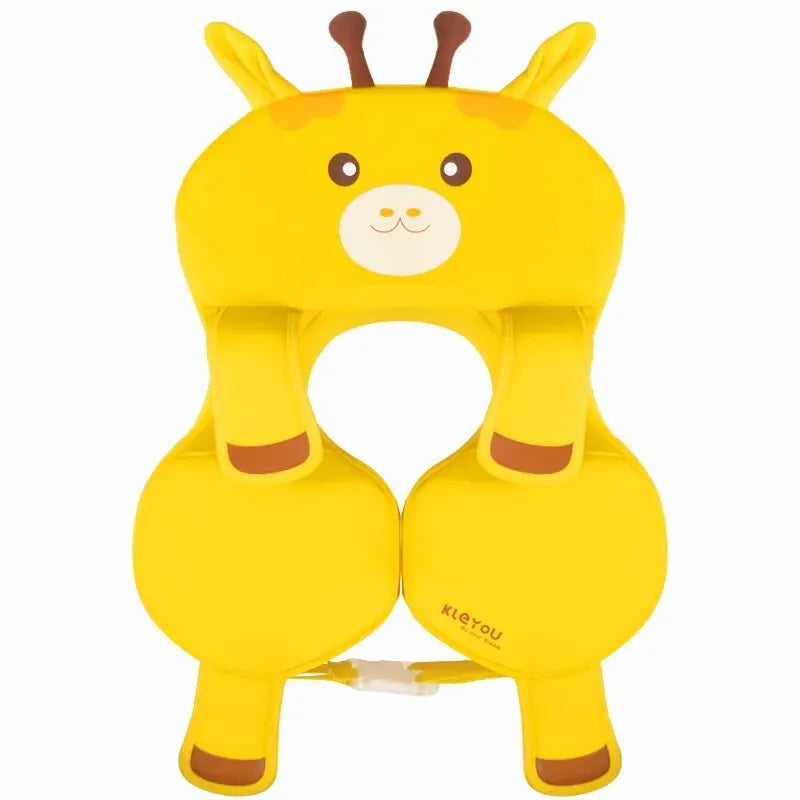
Infant swim float ring basics for calm first water moments. See it in action.
Why Infant Swim Float Ring Safety Matters
An infant swim float ring is intended to support recreational water play—not to prevent drowning. Understanding its limitations helps parents make safer decisions before and during every swimming session.
Pediatric and water safety guidance
Water incidents involving infants can happen silently and within seconds. That's why pediatric and water safety organizations consistently recommend uninterrupted, touch-distance supervision whenever babies are in or near water, regardless of whether a flotation aid is being used.
Common risks parents should understand
- Babies have limited neck and core strength, especially during early infancy.
- Inflatable products can shift position if improperly fitted or underinflated.
- Water depth, temperature, and distractions can quickly increase risk.
- Short, well-supervised sessions are safer than extended play.
Building safe habits from the first swim creates a stronger foundation for future water confidence.
How to Choose the Right Infant Swim Ring
The safest infant swim ring is one that matches your baby's current age, weight, body size, and developmental readiness—not simply the biggest or most feature-rich model.
Age, weight, and developmental readiness
Before purchasing or using any float ring, check the manufacturer's recommended:
- Minimum and maximum age range
- Weight limits
- Chest, torso, or neck sizing guidance where applicable
- Developmental milestones required for safe use
If your baby cannot comfortably hold their head in the recommended position or exceeds the stated weight limit, choose a different product or postpone water activities.
Safety features and product labels to check
- Multiple independent air chambers
- Secure, leak-resistant inflation valves
- Smooth seams and skin-friendly materials
- Clear safety instructions and weight recommendations
- Visible warning labels from the manufacturer
Parents often pair swim time with bath routines. Items from Baby Bath Accessories can help create a smooth transition before and after water play.
Step-by-Step: How to Use an Infant Swim Float Ring Safely
Following the same routine every time helps reduce mistakes and keeps swimming sessions calm.
Inspect the float before every use
Check the float ring carefully for punctures, worn seams, loose valves, or slow air leaks. Do not use the product if you notice any damage.
Inflate and secure the valves
Inflate the ring according to the manufacturer's instructions. The chambers should feel firm while still allowing slight flexibility. Close every valve securely before entering the water.
How to put your baby in the swim float correctly
- Prepare shallow, calm, comfortably warm water.
- Guide your baby's legs and body gently into the opening.
- Confirm the ring sits evenly without twisting.
- Check that your baby's face remains well above the waterline.
- Adjust the fit if the product shifts or feels unstable.
Monitor your baby while in the water
- Keep one or both hands close enough to provide immediate support.
- Watch breathing, posture, and comfort continuously.
- Stop immediately if your baby appears tired, upset, cold, or uncomfortable.
- Most infants enjoy sessions lasting about 5–10 minutes.
Remove your baby safely after swimming
Lift your baby slowly from the float, support their body securely, dry them promptly, and warm them with a towel before changing into dry clothing.
Browse Health & Safety
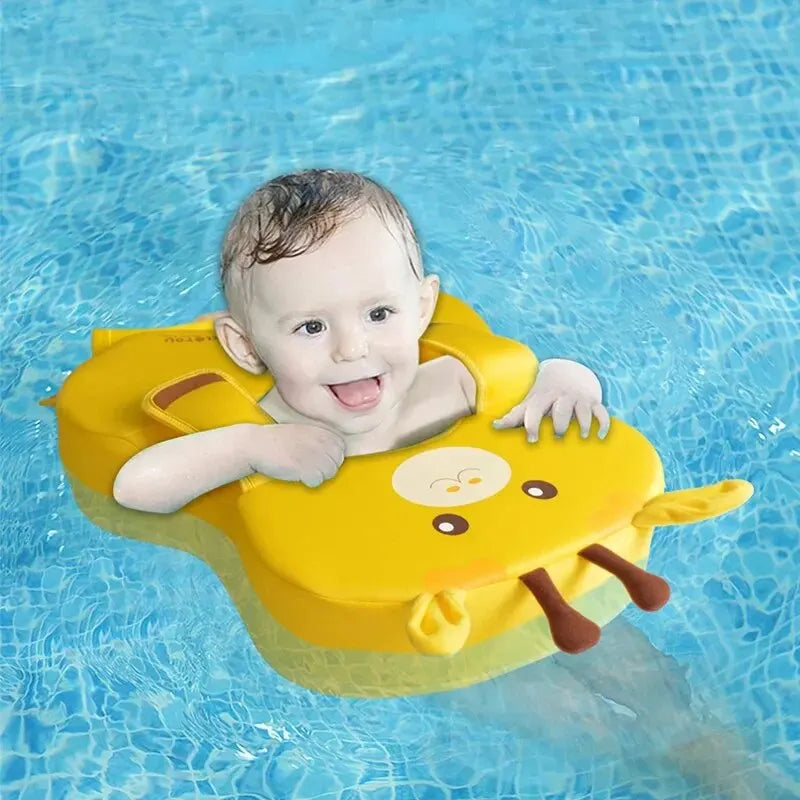
Using an infant swim ring step by step builds confidence. See it in action.
When Is an Infant Neck Float Appropriate?
Infant neck float swim rings are designed differently from body-supported float rings and require extra caution. They should only be used exactly as instructed by the manufacturer and with uninterrupted adult supervision.
Are infant neck floats safe?
Some manufacturers market neck floats for short, calm water sessions, but opinions among healthcare professionals vary. Parents who are uncertain should discuss their baby's developmental readiness with their pediatrician before using one.
If used, the float should:
- Fit without compressing the neck.
- Allow unrestricted breathing.
- Support the baby without forcing an awkward position.
- Be used only for brief sessions with an adult within arm's reach.
Situations where neck floats should be avoided
- Newborns without sufficient neck control
- Babies outside the recommended weight or age range
- If the float leaves marks or appears too tight
- In deep water, waves, or crowded pools
For added reassurance, some caregivers combine swim time with monitoring tools from Monitoring Devices.
Common Infant Swim Float Ring Mistakes to Avoid
| ❌ Risky Habit | ✅ Safer Alternative |
|---|---|
| Leaving baby unattended | Maintain continuous touch supervision. |
| Using the float in deep water | Choose shallow, calm water. |
| Using a damaged or leaking float | Inspect before every session and replace if damaged. |
| Incorrect inflation or poor fit | Inflate properly and verify sizing every use. |
| Using in rivers, lakes, or ocean waves | Limit use to controlled swimming environments. |
What Constant Water Supervision Really Means
Touch supervision explained
Constant supervision means remaining close enough to touch your baby instantly. Avoid phones, conversations, or any activity that divides your attention.
Indoor vs. outdoor pool considerations
- Check water temperature before entering.
- Watch for slippery surfaces around the pool.
- Use additional sun protection outdoors.
- Avoid busy pools where unexpected splashing may startle your baby.
What to do if the float tips or slips
If the float shifts unexpectedly, immediately support your baby with both hands, lift them out of the water, and inspect the product before deciding whether it is safe to continue. Never attempt to reposition a slipping float while relying on it for support.
Families who already follow structured care routines often find helpful reminders in Baby Care Tips & Advice.
After-Swim Care and Float Ring Maintenance
Cleaning and drying
After each use, rinse the float ring with clean water to remove chlorine, salt, or pool chemicals. Let it air dry completely before storing.
Storage and routine safety checks
- Store away from direct sunlight and heat.
- Avoid folding sharply along the same seams.
- Inspect valves and air chambers regularly.
- Check for discoloration, cracking, or sticky surfaces.
When to replace the float ring
Replace the float if it develops leaks, weakened seams, damaged valves, brittle material, or if your child has outgrown the manufacturer's recommended age or weight range.
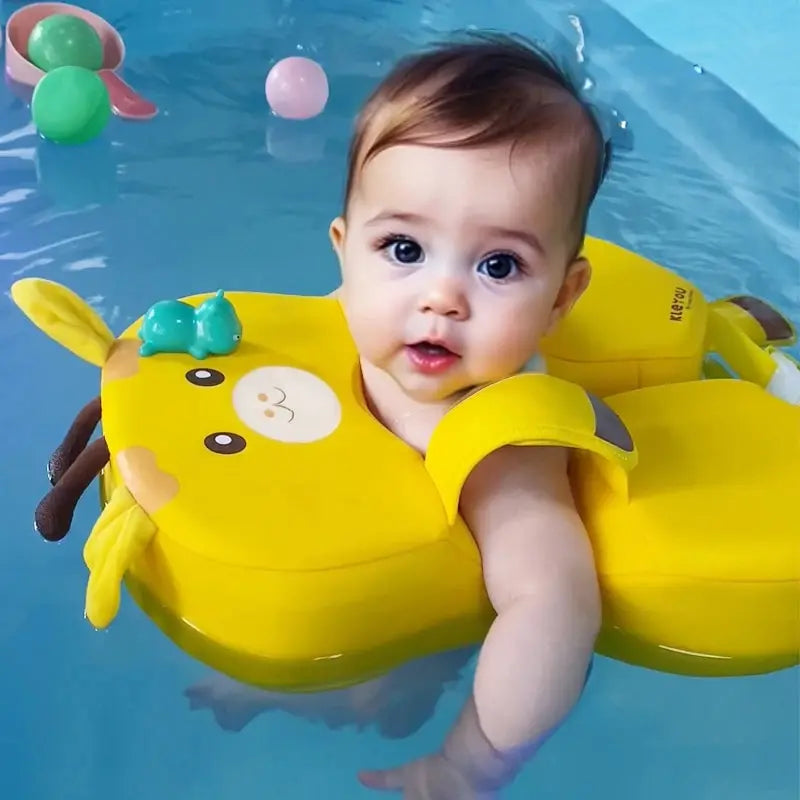
Calm water moments with an infant swim float ring. See it in action.
Get the baby swimming pool float now
Frequently Asked Questions About Infant Swim Float Ring Safety
How long can a baby stay in an infant swim float ring?
Most babies enjoy sessions lasting about 5–10 minutes. End the session sooner if your baby becomes tired, cold, or fussy.
Can an infant swim ring be used in a bathtub?
Yes, provided the water is shallow, the surface is stable, and an adult maintains constant hands-on supervision throughout the entire bath.
Do infant neck float swim rings replace holding your baby?
No. Neck floats and body-supported float rings are support aids only and never replace direct adult assistance.
What is the most important water safety tip?
Never leave a baby unattended in or near water, even for a few seconds, regardless of the flotation device being used.
When should I stop using an infant swim float ring?
Stop using the float if your baby exceeds the manufacturer's age or weight recommendations, the product becomes damaged, or it no longer fits securely.
Can an infant swim float ring be used at the beach or in open water?
No. Open water introduces waves, currents, changing depths, and unpredictable conditions that make inflatable float rings unsuitable for safe infant use.
Are infant swim float rings safe for newborns?
Not necessarily. Many float rings are not designed for newborns. Always follow the manufacturer's minimum age recommendations and consult your pediatrician if you have questions about developmental readiness.
How do I know if the swim float ring fits correctly?
A correctly fitted float supports your baby comfortably without excessive movement, pressure, or slipping, while keeping the face well above the water.
Can a baby wear a swim float ring without an adult holding them?
No. A caregiver should remain within arm's reach and ready to provide immediate support throughout the session.
What should I check before every swimming session?
Inspect the float for leaks, confirm proper inflation, verify the correct fit, check water conditions, and make sure your baby is alert, comfortable, and healthy enough for swimming.
Can an infant swim float ring tip over?
Yes. Improper sizing, sudden movement, uneven inflation, or rough water can increase the chance of tipping, which is why active supervision remains essential.
How often should I replace an inflatable swim float ring?
Replace it immediately if you notice air leaks, damaged seams, brittle material, faulty valves, or any wear that could affect safe performance.
Do swim float rings help babies learn to swim?
They can introduce babies to water in a comfortable setting, but they do not teach swimming skills. Water confidence develops gradually through supervised experiences and age-appropriate instruction.
Related Guide: How to Choose Baby Float for Safer First Pool Days





