

How to Use an Infant TV Remote Toy to Encourage Imitation
Does an infant TV remote toy really help babies learn imitation?
An infant TV remote toy supports early imitation by letting babies safely copy button pressing, sounds, and pretend actions they see adults use daily. By encouraging cause-and-effect play and simple role modeling, an infant TV remote toy helps build focus, memory, and early communication skills without screens.
How to Use an Infant TV Remote Toy to Encourage Imitation
⏱ 7 min read
Babies love copying what they see—especially everyday actions like pressing buttons or “changing channels.” If you’ve ever noticed your child reaching for the real remote, you’re already seeing imitation at work. An infant TV remote toy turns that natural curiosity into a safe, screen-free learning moment that builds focus, confidence, and early thinking skills.
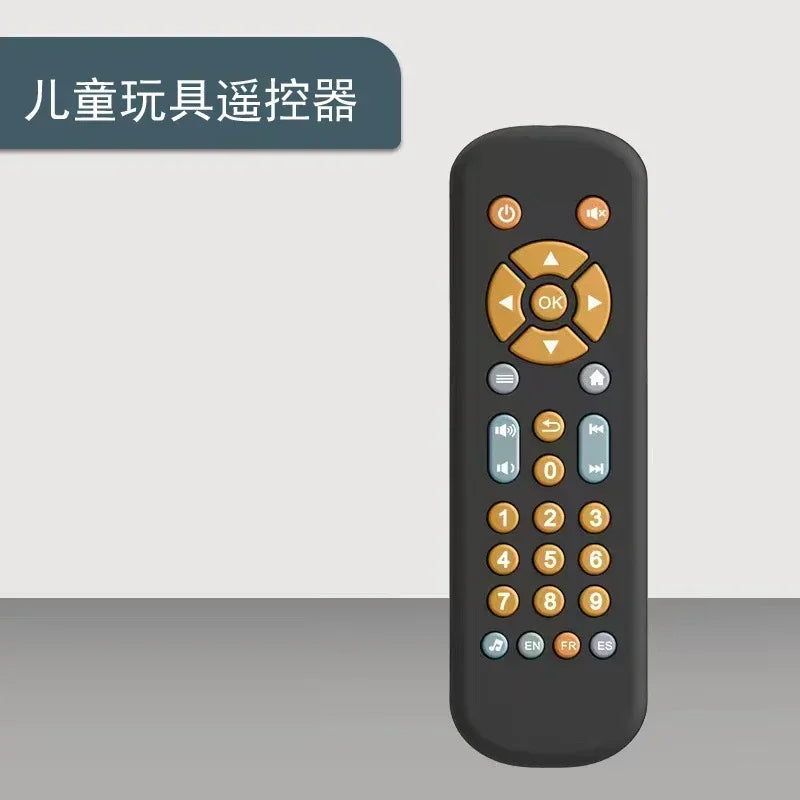
Infant TV remote toy encourages imitation activities for infants 💡 See it in action
Why Imitation Matters for Infant Development
Imitation is one of the first ways babies learn about the world. Before words fully form, copying actions helps infants understand cause and effect, social cues, and simple routines.
- Builds attention and focus through repeated actions
- Supports early language by pairing sounds with movements
- Strengthens memory as babies repeat familiar patterns
- Encourages confidence when actions “work”
Tools that mirror real-life objects make these skills easier to practice naturally.
What Is an Infant TV Remote Toy?
An infant TV remote toy is a child-safe, lightweight toy designed to look and feel like a real remote while offering sounds, lights, or buttons sized for small hands. It allows babies to copy adult behaviors without the risk of screens, batteries coming loose, or accidental device changes.
Parents often pair it with items from Baby Growth & Learning to create intentional play routines that fit daily life.
Step-by-Step: How to Use a Toy TV Remote Control
How do you use an infant TV remote toy for imitation?
An infant TV remote toy works best when adults model simple actions slowly and consistently. By pressing buttons together, naming actions, and pausing for baby responses, caregivers turn play into a clear learning moment that strengthens imitation and understanding.
- Sit face-to-face so your baby can see your hands clearly.
- Press one button slowly and say a simple phrase like “on.”
- Hand the toy to your baby and wait.
- Celebrate any attempt to copy, even partial presses.
Simple Imitation Activities for Infants
Short, repeatable games keep babies engaged without overstimulation.
- Button Copy Game: Press one button, pause, and wait for imitation.
- Sound Match: Repeat the toy’s sound verbally to link action and language.
- Turn Taking: You press once, baby presses once.
- Pretend Moments: Hold the toy like a real remote during family routines.
Pairing playtime with soft textures or lights from Sensory Toys can help maintain focus during longer sessions.
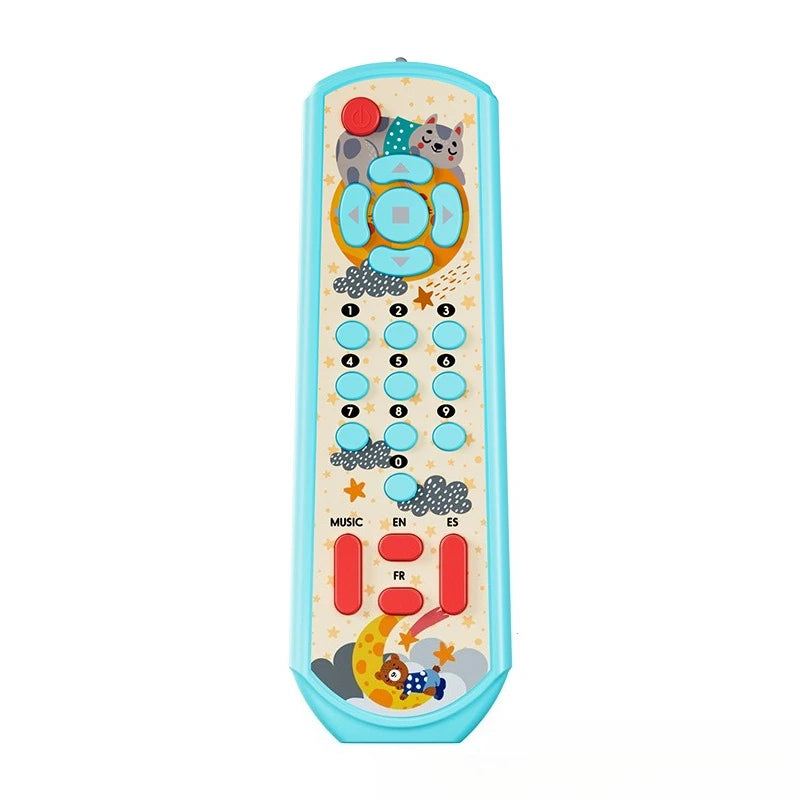
Toy TV remote control builds cause and effect skills 💡 See it in action
How It Helps Encourage Pretend Play
Pretend play starts earlier than many parents expect. When babies copy everyday actions, they’re practicing problem-solving and social understanding.
An infant TV remote toy helps encourage pretend play by:
- Reflecting real-life routines babies observe daily
- Letting them “control” an object safely
- Supporting independence without screens
Many families combine this toy with calming routines from Sleep & Comfort to wind down evenings peacefully.
Safety Tips for Confident Play
Choose toys designed specifically for infants, with smooth edges and secure battery compartments. Always supervise play and rotate toys to prevent overstimulation.
For parents focused on peace of mind, exploring items in Health & Safety can help create a safer play environment overall.
What Parents Are Saying
“My 8-month-old stopped grabbing the real remote and started copying us with his own,” one parent shared. Another noted improved focus during playtime within a week of consistent use.
These small wins build confidence for both baby and caregiver.
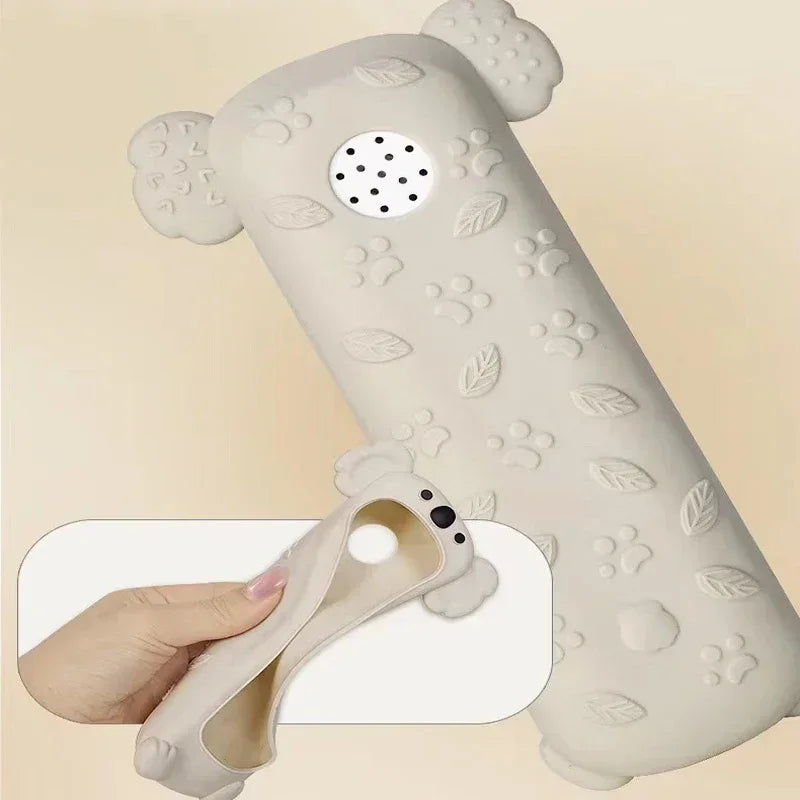
Infant TV remote toy encourages pretend play without screens 💡 See it in action
Mini FAQ
At what age can babies use an infant TV remote toy?
Most babies can begin using an infant TV remote toy around 6 months, when they start grasping objects and responding to sounds and lights.
Does a toy TV remote control replace real interaction?
No. It works best as a shared activity with caregivers modeling actions and language.
Is pretend play important this early?
Yes. Early pretend play supports cognitive growth, social understanding, and emotional development from infancy onward.
Related Guide: Keeping Baby Entertained Safely: A Simple Daily Play Guide





