

How to Use Sensory Toys With Music for Calm Playtime
Do sensory toys with music really help calm kids?
Sensory toys with music help calm kids by combining gentle sound, rhythm, and touch to guide focus and regulate emotions. A well-designed play music toy, paired with vibration sensory toys and soft lights n sounds, can reduce overstimulation, slow breathing, and turn restless moments into calm playtime routines.
How to Use Sensory Toys With Music for Calm Playtime
⏱ 7 min read
Sensory toys with music can turn chaotic afternoons into peaceful moments of connection. When noise, energy, and emotions feel overwhelming, the right sounds, textures, and rhythms help children reset. If you’ve ever wondered how to use these toys without adding more stimulation, you’re in the right place.
Busy parents often struggle with short attention spans, emotional meltdowns, and bedtime resistance. The solution isn’t more distraction—it’s calmer, intentional play. Used correctly, sensory toys with music support self-regulation, comfort, and focus while still feeling fun.
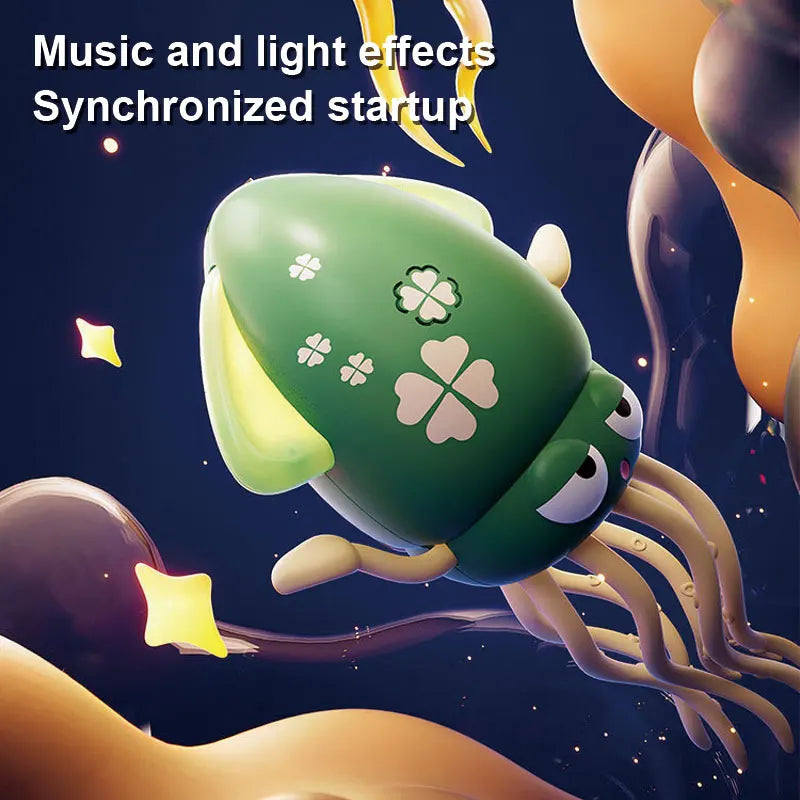
sensory toys with music and play music toy moments that invite calm 💡 See it in action
Why Calm Playtime Matters for Growing Minds
Children absorb stress just like adults. Loud environments, fast screens, and constant transitions can overwhelm their developing nervous systems. Calm playtime gives their brains space to slow down, process feelings, and regain balance.
- Supports emotional regulation and patience
- Encourages longer attention spans
- Creates smoother transitions to naps or bedtime
- Builds a sense of safety and predictability
Many parents notice fewer tantrums when calm play becomes part of the daily rhythm—especially after daycare, outings, or before sleep.
What Are Sensory Toys With Music?
Sensory toys with music combine sound, movement, texture, and sometimes light to gently engage multiple senses at once. Unlike noisy electronic toys, they are designed to soothe rather than excite.
They often include:
- A play music toy with soft melodies or rhythmic beats
- Vibration sensory toys that provide grounding feedback
- Subtle lights n sounds that guide attention without overstimulation
- Soft, safe materials sized for little hands
When used intentionally, these elements work together to help children calm their bodies and minds.
A Step-by-Step Calm Play Routine That Works
Sensory toys with music work best when paired with a simple, repeatable routine. Consistency helps children know what to expect and feel secure.
- Create a quiet space: Dim the lights, reduce background noise, and choose a familiar spot.
- Introduce one toy: Start with a single play music toy to avoid sensory overload.
- Encourage slow interaction: Show your child how to hold, press, or listen calmly.
- Add gentle vibration: Vibration sensory toys can be placed in hands or on laps for grounding.
- End with stillness: Let the music fade and sit together quietly for a moment.
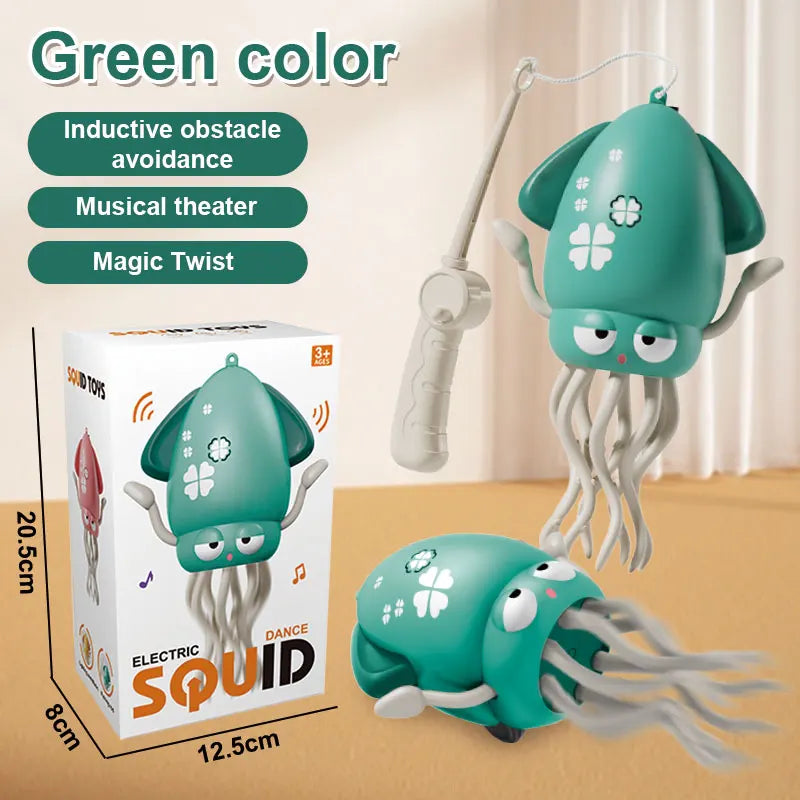
play music toy and vibration sensory toys with lights n sounds for focused play 💡 See it in action
How to Choose Sensory Toys That Truly Calm
Not all sensory toys are created equal. Look for designs that prioritize softness, control, and simplicity.
| Feature | Why It Helps |
|---|---|
| Soft, adjustable music | Prevents overstimulation and supports relaxation |
| Gentle vibration | Provides grounding sensory feedback |
| Low-intensity lights | Guides focus without overwhelming |
| Easy on/off controls | Gives parents control over stimulation |
Collections like Sensory Toys and Baby Growth & Learning often group calming options designed specifically for developmental support.
What Parents Are Saying About Calm Play
Many caregivers report noticeable changes after introducing sensory toys with music into daily routines.
- “My toddler settles faster after daycare and asks for music time.”
- “The gentle vibration helps my child relax before naps.”
- “We’ve replaced screen time with calm play, and bedtime is smoother.”
These small shifts add up to calmer evenings and more confident parenting.
A Simple All-in-One Calm Play Solution
Sensory toys with music are most effective when sound, movement, and interaction work together. The Dancing Octopus Toy combines rhythmic music, gentle motion, and engaging textures into one easy-to-use option that supports calm playtime at home.
- Soft melodies encourage relaxed breathing
- Movement and vibration keep hands engaged
- Friendly design feels playful, not overwhelming
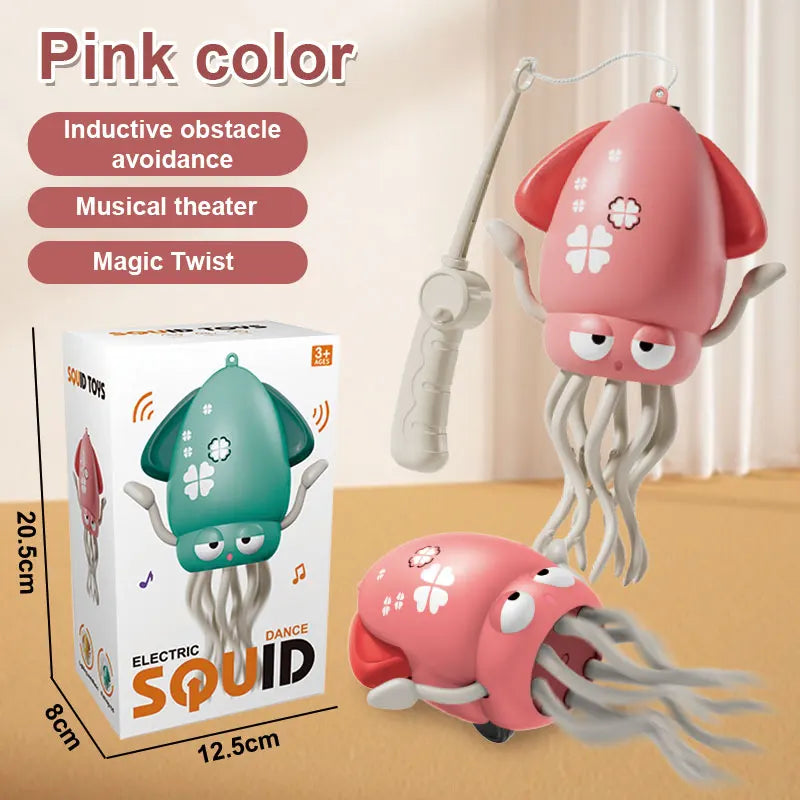
sensory toys with music and lights n sounds for calm play 💡 See it in action
For a complete calming setup, many parents pair sensory play with comfort-focused items from Sleep & Comfort or gentle relaxation tools from Massage & Relaxation.
Frequently Asked Questions
When is the best time to use sensory toys with music?
They work best during transitions—after active play, before naps, or as part of a bedtime wind-down routine.
Can sensory toys with music overstimulate my child?
When chosen carefully and used at low volume with gentle lights, they are designed to calm rather than excite.
Are these toys suitable for toddlers?
Yes, many sensory toys with music are designed specifically for toddlers, using soft materials and simple controls for safe, soothing play.
Related Guide: Toys for 2 Year Olds Learning How to Play With Purpose





