

Imaginative Active Play Toy Features That Boost Engagement
Does an imaginative active play toy really boost engagement?
An imaginative active play toy works by combining movement, storytelling, and problem-solving into one experience. Unlike passive toys, an imaginative active play toy invites kids to jump, think, and pretend, keeping preschoolers engaged longer while supporting coordination, focus, and creativity without screens.
Imaginative Active Play Toy Features That Boost Engagement
Imaginative active play toy design is reshaping how children move, learn, and stay curious. Instead of toys that lose appeal after a few days, these designs invite kids back through movement challenges, pretend play, and adaptable difficulty. The result is deeper engagement, happier playtimes, and more confident learners.
⏱ 6 min read
Parents often ask: how do you keep kids active indoors without screens, boredom, or chaos? The answer increasingly points to the imaginative active play toy—tools that turn energy into creativity and learning.
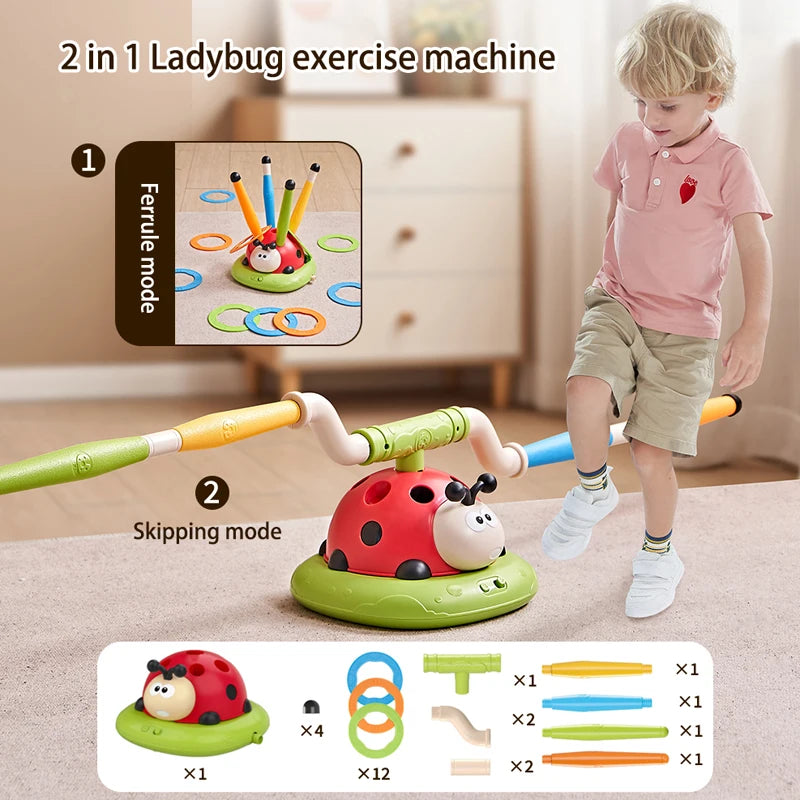
Imaginative active play toy in action—movement-driven fun that sparks preschool play ideas 💡 See it in action
What Makes an Imaginative Active Play Toy Engaging?
An imaginative active play toy stands out by offering open-ended play instead of fixed outcomes. Kids decide how to move, what story to create, and how challenges evolve, which keeps curiosity alive far longer than single-function toys.
- Encourages self-directed play
- Adapts to different ages and skill levels
- Blends physical movement with pretend scenarios
- Reduces reliance on screens for stimulation
Many parents browsing Baby Growth & Learning collections look for toys that support development without pressure. These toys fit naturally into that goal.
How Movement and Imagination Work Together
The most effective imaginative active play toy uses motion as a trigger for creativity. Jumping, stepping, or swinging becomes part of a story, turning exercise into adventure.
Why This Combination Works
- Movement increases focus and memory
- Imagination keeps play emotionally rewarding
- Physical challenges feel purposeful, not forced
- Kids stay engaged longer without adult prompting
For example, a jump-based game can become a mission, a race, or a pretend journey. Toys like the Ladybug Jump Rope Game Toy quietly build coordination while fueling imaginative play activities for preschoolers.
Features That Keep Kids Coming Back Day After Day
An imaginative active play toy keeps engagement high by evolving with the child. Instead of one fixed mode, it offers variety that grows alongside skills and confidence.
1. Adaptive Challenges
Difficulty that scales naturally prevents frustration and boredom. Kids feel capable while still being challenged.
2. Storytelling Prompts
Visual cues or character themes invite kids to invent narratives, making every session feel new.
3. Full-Body Interaction
Using arms, legs, and balance turns play into a whole-body experience, supporting healthy development.
4. Quick Setup and Easy Storage
Parents value toys that fit real routines. Simple setups mean more play, less cleanup.
Many families pair active toys with options from Mobility & Training to support balance and coordination in everyday play.
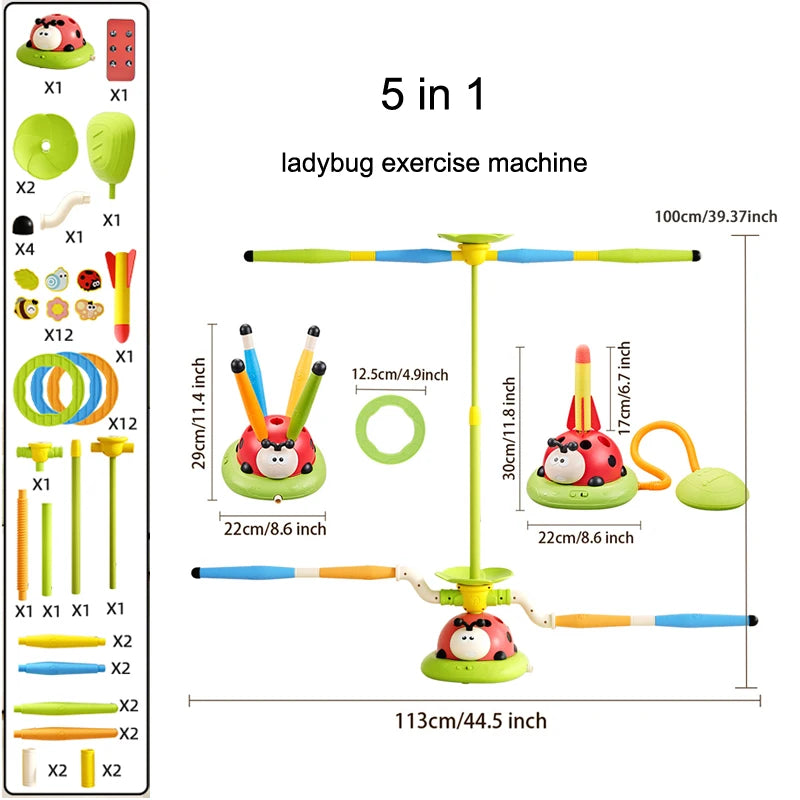
Active play toys that adapt—perfect for imaginative play activities for preschoolers 💡 See it in action
How It Compares to Standard Active Play Toys
| Feature | Standard Active Play Toys | Imaginative Active Play Toy |
|---|---|---|
| Engagement Time | Short, repetitive | Long, varied sessions |
| Creativity | Limited | High, open-ended |
| Adaptability | One-size play | Grows with the child |
| Indoor Use | Often restricted | Designed for indoor energy release |
This difference explains why parents comparing active play toys often lean toward designs that blend imagination with movement.
Real-Life Results Parents Notice
Parents consistently report longer independent play, better mood regulation, and improved coordination. One parent shared that their preschooler now asks to play instead of reaching for a tablet.
- Fewer “I’m bored” moments
- More confident movement
- Improved focus after play
- Positive bedtime transitions
These outcomes align closely with products featured in Sensory Toys, where engagement and development go hand in hand.
How to Choose the Right Imaginative Active Play Toy
Choosing well means looking beyond bright colors. Focus on how the toy supports creativity, movement, and longevity.
- Check if play is open-ended
- Look for age-flexible design
- Consider indoor space requirements
- Read real parent experiences
Toys like the Ladybug Jump Rope Game Toy stand out for blending storytelling with active play ideas that work in small spaces.
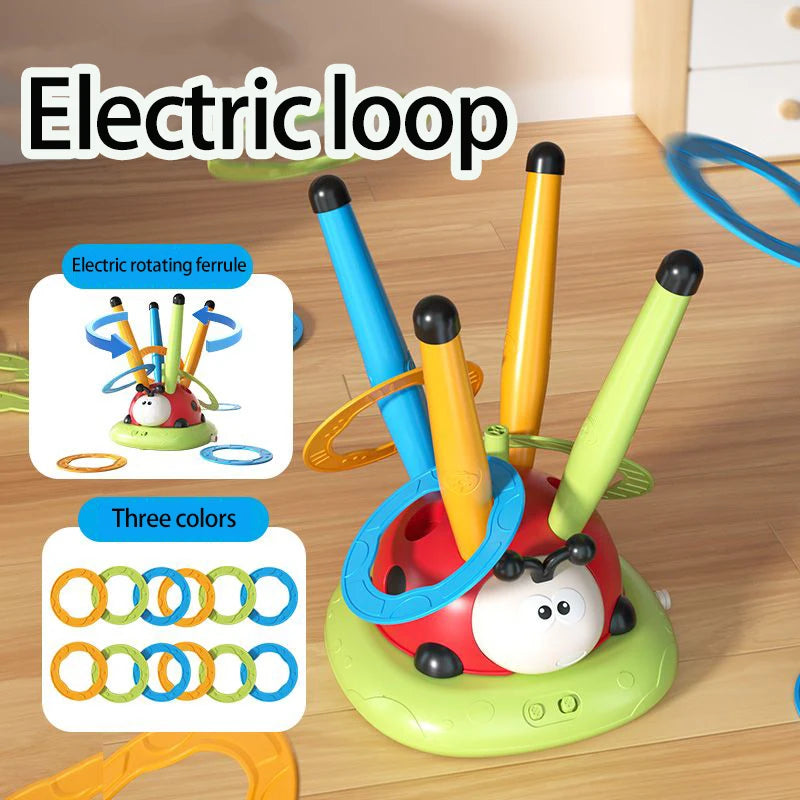
Indoor active play toys that inspire movement and imagination 💡 See it in action
Mini FAQ
What age is an imaginative active play toy best for?
Most imaginative active play toys are ideal for preschoolers aged 3–6, but adaptable designs can grow with children beyond that range.
Are imaginative play activities for preschoolers safe indoors?
Yes, when designed for indoor use, these toys focus on soft materials, stable movement, and controlled challenges.
Do active play toys really replace screen time?
Many families find that engaging active play toys naturally reduce screen use by offering a more rewarding alternative.
Related Guide: Rope Jump Benefits That Drive Real Active Play Results





