

Improve Balance Motor Development With Daily Play
Does daily play really improve balance motor development?
Improve balance motor development by using daily play that combines movement, coordination, and focus. Simple activities like jumping, hopping, and rhythm games strengthen muscles and neural pathways together. Over time, this consistent play builds motor coordination skills, reduces poor motor coordination, and boosts confidence without complex routines or equipment.
Improve Balance Motor Development With Daily Play
⏱ 7 min read
Improve balance motor development doesn’t require rigid schedules or expensive classes. For many families, the biggest gains come from small, playful moments woven into everyday routines. If you’ve noticed clumsiness, frequent falls, or hesitation during movement, you’re not alone—and the solution may be simpler than you think.
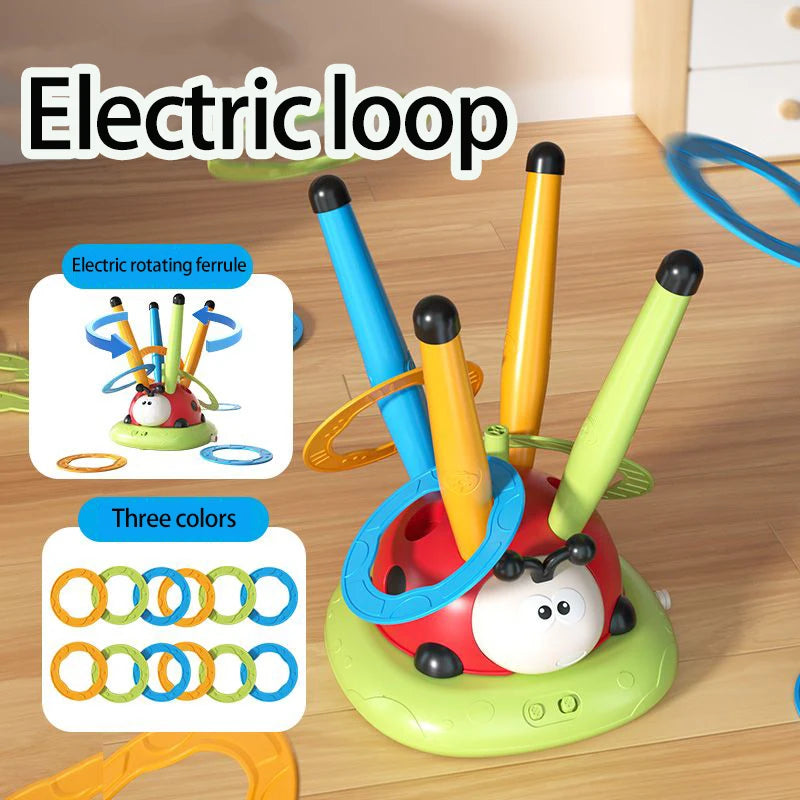
Daily play helps improve balance motor development and motor coordination skills 💡 See it in action
Why Balance Matters for Growing Kids
Balance is the foundation of nearly every physical skill a child uses. From walking up stairs to kicking a ball, stable balance allows movements to feel natural instead of forced. When balance develops early, kids explore more freely and learn faster through movement.
- Supports posture and body awareness
- Helps prevent injuries from falls
- Builds confidence in active play
- Strengthens focus and spatial awareness
Many parents worry when they see their child avoid physical play. Often, it’s not fear—it’s frustration from struggling with balance and coordination.
Common Signs of Poor Motor Coordination
Not all coordination challenges look the same. Some children are energetic but clumsy, while others prefer quiet activities to avoid physical frustration.
- Frequent tripping or bumping into objects
- Difficulty jumping or hopping on one foot
- Avoidance of playground equipment
- Trouble syncing arms and legs during movement
Recognizing these signs early allows parents to introduce gentle, fun coordination exercises before habits of avoidance form.
How Daily Play Builds Strong Coordination
Improve balance motor development through repetition that doesn’t feel repetitive. Daily play works because it blends learning with enjoyment, helping the brain and body connect naturally.
- Short bursts of movement practiced consistently
- Activities that challenge balance from different angles
- Games that require timing, rhythm, and control
- Positive reinforcement through fun outcomes
Parents often notice improvements within weeks when play becomes intentional yet pressure-free.
Fun Coordination Exercises Kids Love
Children stick with what feels fun. These activities improve balance motor development while keeping smiles intact.
- Jump-and-stop games that challenge control
- Line walking using tape on the floor
- Rhythm-based skipping or hopping
- Catch-and-throw with varying distances
Many families explore playful movement ideas through Baby Growth & Learning collections to keep activities fresh and engaging.
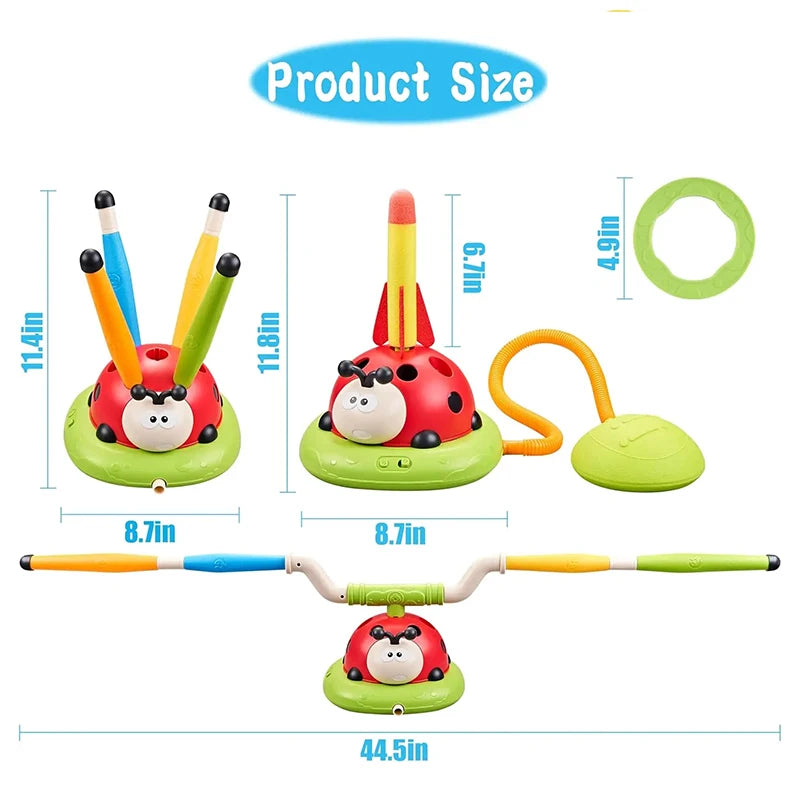
Fun coordination exercises support motor coordination skills 💡 See it in action
A Simple Tool That Makes Practice Feel Like Play
Some kids need an extra nudge to stay engaged. The Ladybug Jump Rope Game Toy transforms coordination practice into an inviting game.
This playful design encourages rhythm, timing, and balance without feeling like exercise. Parents often share that children ask to play again—turning practice into habit.
- Encourages full-body coordination
- Supports balance through rhythmic movement
- Easy to store and use indoors or outdoors
- Fits naturally into daily movement play
Pairing tools like this with open-ended activities from Mobility & Training collections helps maintain progress without overwhelm.
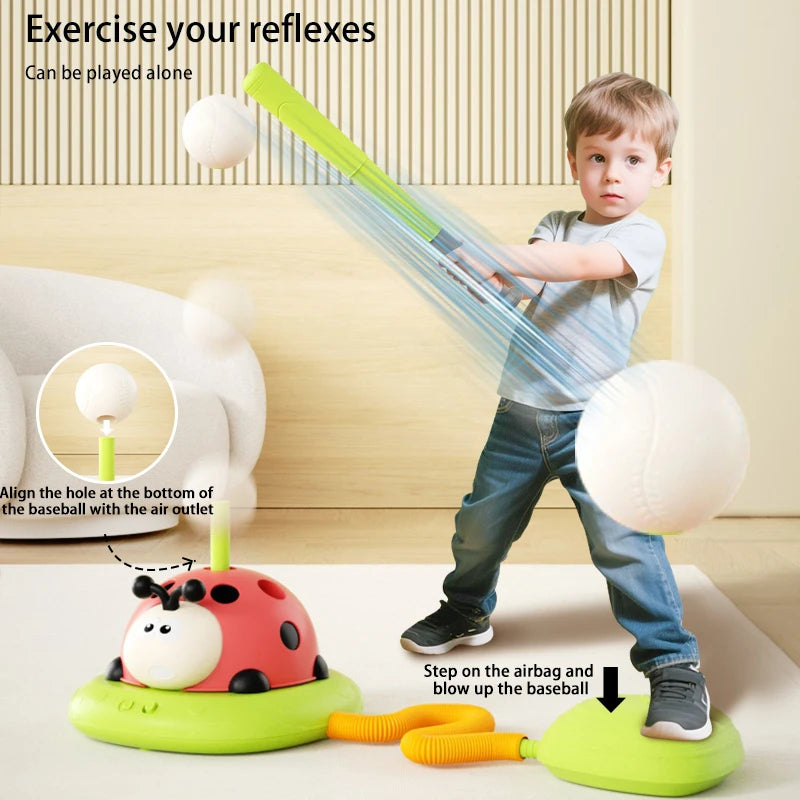
Playful tools can reduce poor motor coordination 💡 See it in action
Expert Tips for Consistent Progress
Consistency matters more than intensity. Experts recommend focusing on enjoyment and repetition rather than perfection.
- Keep sessions short and positive
- Rotate activities to prevent boredom
- Celebrate effort, not outcomes
- Model movement by playing together
Parents often combine play routines with calming tools from Sensory Toys to help children regulate energy before and after movement.
Mini FAQ
How long does it take to see improvement?
Most families notice better balance and coordination within a few weeks of consistent daily play, especially when activities are fun and pressure-free.
Can indoor play still help coordination?
Yes. Simple indoor games like jumping, skipping, or balance challenges are highly effective when space or weather limits outdoor play.
What if my child resists movement games?
Start small and playful. Tools that feel like toys—not exercises—often help children engage without frustration.
Related Guide: Kids Active Play Sports Toy for Every Energy Level





