

Improved Balance and Coordination Through Smart Active Play
Does improved balance and coordination really work for kids?
Improved balance and coordination help children move with control, react faster, and feel confident during play. Through smart active play and fun coordination exercises, kids strengthen motor coordination skills naturally, reducing the effects of poor motor coordination while building habits that support safer, smoother movement at home.
Improved Balance and Coordination Through Smart Active Play
Improved balance and coordination can change how kids move, play, and gain confidence every day. Smart active play turns fun coordination exercises into powerful tools that quietly strengthen motor coordination skills while reducing the challenges linked to poor motor coordination. Instead of repetitive drills, playful movement encourages faster reactions, better body control, and lasting habits that support growth at home. What if the right kind of play could unlock smoother movement sooner than you expect?
⏱ 6 min read
Many parents notice early signs of clumsiness, frequent falls, or hesitation during movement. These moments can feel worrying. The good news is that the right kind of play helps children practice balance training and coordination development without pressure.
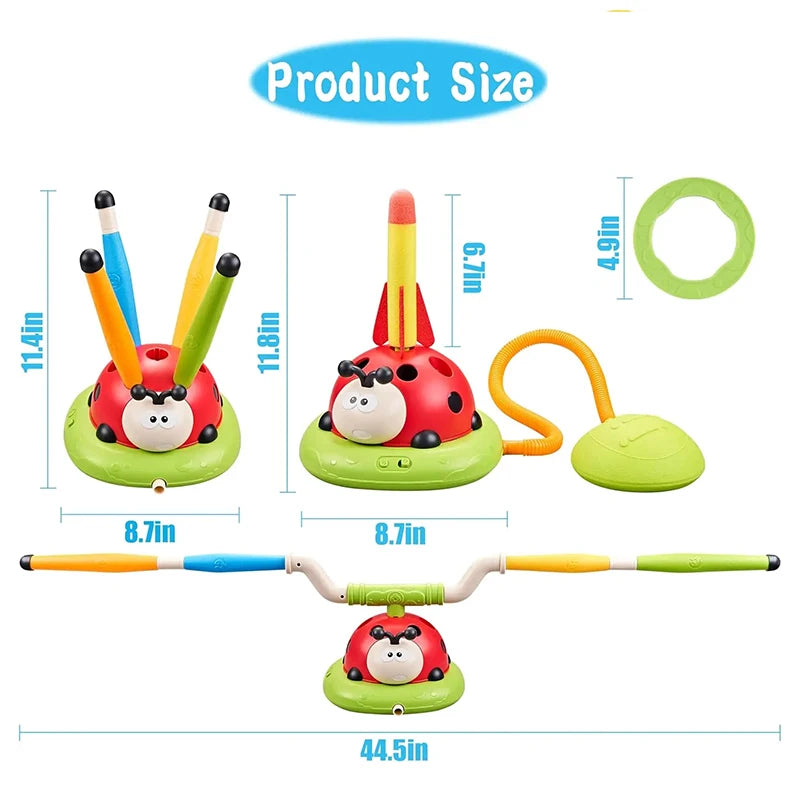
Improved balance and coordination start with fun coordination exercises kids enjoy 💡 See it in action
👉 Curious how playful movement supports growth? Explore tools designed for active learning in Baby Growth & Learning.
Why Better Balance Changes Everyday Play
Improved balance and coordination affect more than sports. They shape how children sit, walk, climb, and even focus. When balance feels natural, kids explore freely and confidently.
- Fewer trips and falls during daily movement
- Stronger posture and body awareness
- Better confidence when trying new activities
- Reduced frustration linked to poor motor coordination
For caregivers, this means calmer playtime and fewer safety worries.
How Smart Active Play Builds Coordination
Improved balance and coordination develop best through repetition that feels like play. Smart active play combines rhythm, timing, and movement in ways kids enjoy.
Jumping, hopping, and timing-based games challenge the brain and body together. This strengthens motor coordination skills faster than static drills.
Many families pair active play with movement-friendly items from Mobility & Training to create safe indoor routines.
Why This Jump Rope Game Improves Results
Improved balance and coordination improve fastest when play is engaging and adjustable. The Ladybug Jump Rope Game Toy is designed to meet kids where they are.
Direct answer: Improved balance and coordination are supported through rhythmic jumping, visual cues, and adjustable difficulty. This game strengthens timing, posture, and lower-body control while keeping kids motivated through playful design and short, repeatable sessions.
- Soft rope design supports safe indoor play
- Visual movement cues guide timing and rhythm
- Encourages repeated practice without boredom
- Supports kids experiencing poor motor coordination
Parents often compare this option with traditional balance boards or drills and notice higher engagement and consistency.
👉 Explore the game here: Ladybug Jump Rope Game Toy
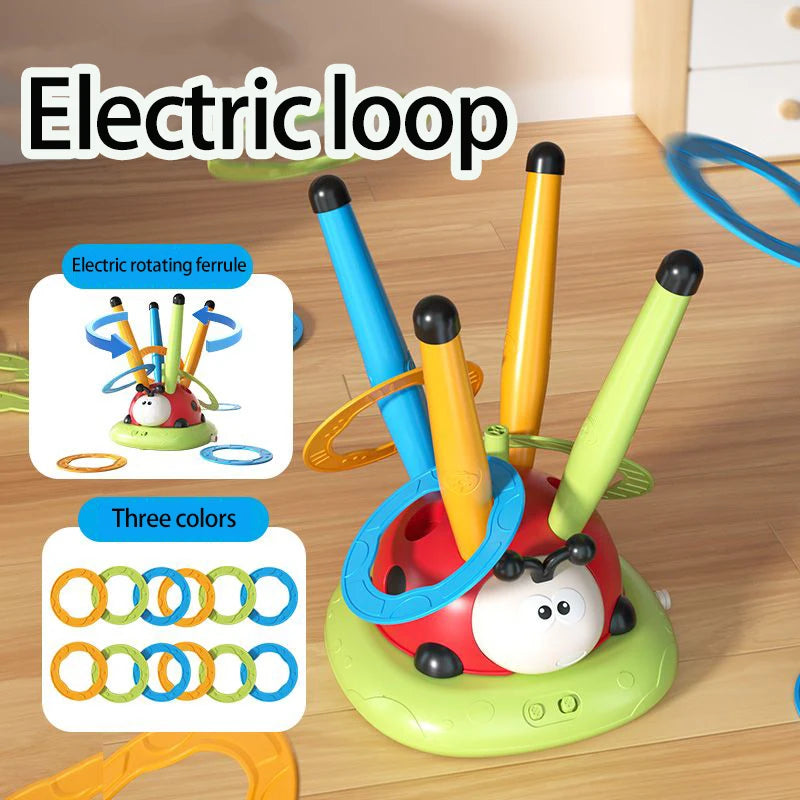
Fun coordination exercises that build motor coordination skills 💡 See it in action
Smart Play vs Traditional Exercises
| Approach | Engagement | Consistency | Skill Development |
|---|---|---|---|
| Traditional drills | Low | Short-term | Limited |
| Smart active play | High | Ongoing | Improved balance and coordination |
Families often add sensory elements from Sensory Toys to keep routines fresh and stimulating.
👉 Want ideas that fit busy schedules? Discover simple movement setups that work in small spaces.
How to Use Active Play at Home
- Start with short sessions (5–10 minutes)
- Play on a clear, flat surface
- Encourage rhythm, not speed
- Repeat daily for best results
Consistency matters more than intensity. Many parents notice smoother movement within weeks.
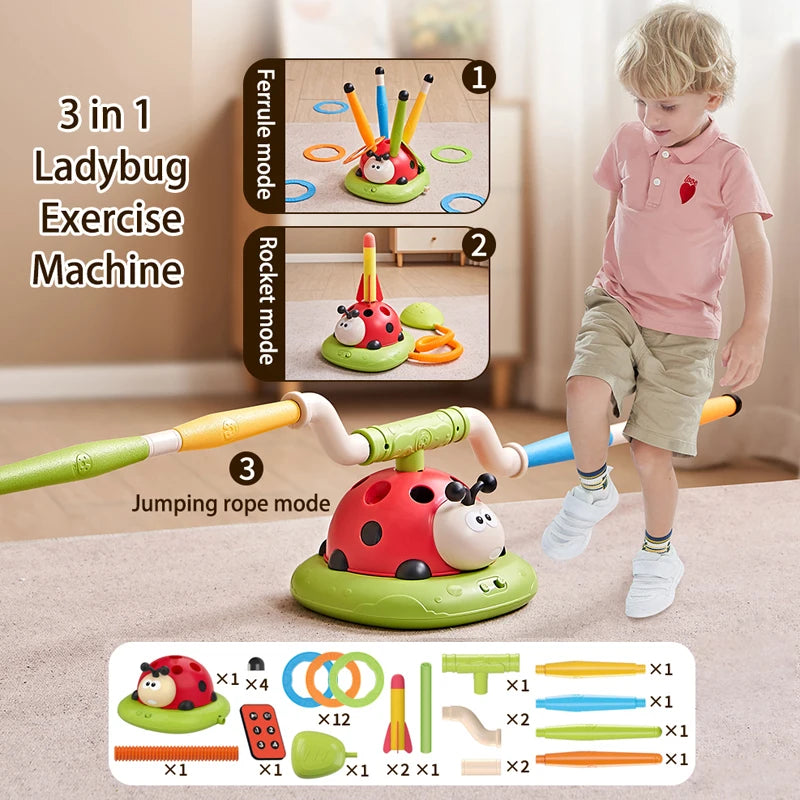
Active play ideas that reduce poor motor coordination 💡 See it in action
👉 Ready to support confident movement? The Ladybug Jump Rope Game Toy fits easily into daily play.
Quick FAQ
What age benefits most from coordination games?
Most children benefit from ages 3–8, when motor coordination skills develop rapidly.
Can this help with poor motor coordination?
Yes. Repetitive, enjoyable movement helps strengthen balance and timing gradually.
Is indoor use safe?
With clear space and supervision, soft-design active play tools are well suited for indoor routines.
Related Guide: Rope Jump Benefits That Drive Real Active Play Results





