

Independent Learning Montessori Play How to Set It Up Easily
Does independent learning montessori play really help children focus and learn on their own?
Independent learning montessori play builds focus, confidence, and problem-solving by giving children control over their environment and choices. With simple setups and hands on learning for preschoolers and kindergarteners, children engage longer, make decisions independently, and develop real-life skills through calm, purposeful workspace education.
Independent Learning Montessori Play: How to Set It Up Easily
Independent learning montessori play transforms everyday moments into confident, self-directed growth by giving children control of their space and choices. With simple setups that encourage hands on learning for preschoolers and hands on learning for kindergarten, families can turn any corner into meaningful workspace education. The result is deeper focus, problem solving, and calmer routines that actually stick. But what does an easy setup really look like at home?
⏱ 7 min read
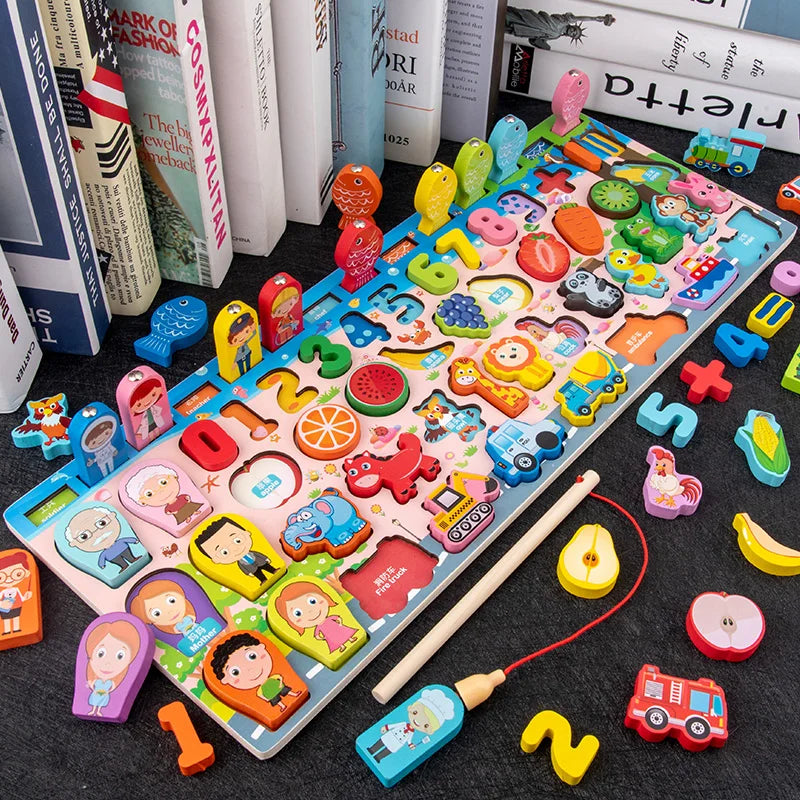
Independent learning montessori play encourages hands on learning for preschoolers. 💡 See it in action
What Is Independent Learning Montessori Play?
Independent learning montessori play is a child-led approach where kids choose activities, work at their own pace, and learn through hands-on experiences. The environment is prepared so children can succeed without constant adult direction, making learning feel natural and empowering.
Key characteristics parents notice quickly
- Children return to activities without reminders
- Longer attention spans during play
- Fewer power struggles during learning time
- Increased pride in completing tasks alone
Why Independent Play Builds Focus Faster
Independent learning montessori play works because it aligns with how young brains naturally develop. When children are free to explore, repeat, and correct themselves, learning becomes internal rather than forced.
Research and parent observations consistently show that hands on learning for preschoolers improves memory, coordination, and emotional regulation. Instead of rushing through worksheets, children build skills through meaningful repetition.
How to Set Up Montessori Play at Home
Setting up independent learning montessori play does not require a full room makeover. A few intentional choices can transform any space.
- Choose a low, accessible area so children can reach materials without help.
- Limit options to 6–8 activities to prevent overwhelm.
- Use real, functional materials that invite hands on learning.
- Rotate activities weekly to maintain curiosity.
Many families start with materials from the Baby Growth & Learning collection because they support self-correction and open-ended exploration.
Styling tips that keep spaces calm
- Neutral colors reduce visual noise
- Open shelves encourage responsibility
- Baskets define activity boundaries
Creating a Workspace Education Zone That Works
Workspace education focuses on giving children a defined place where learning happens naturally. This helps children mentally shift into focus mode.
A simple child-sized table, floor mat, or shelf can become a powerful learning signal. Pair it with purposeful tools like counting boards or manipulatives that children can explore independently.
Hands on materials, such as wooden math toys, allow children to see and feel abstract concepts. One example is a Montessori wooden math toy, which supports counting, sequencing, and problem-solving through touch.
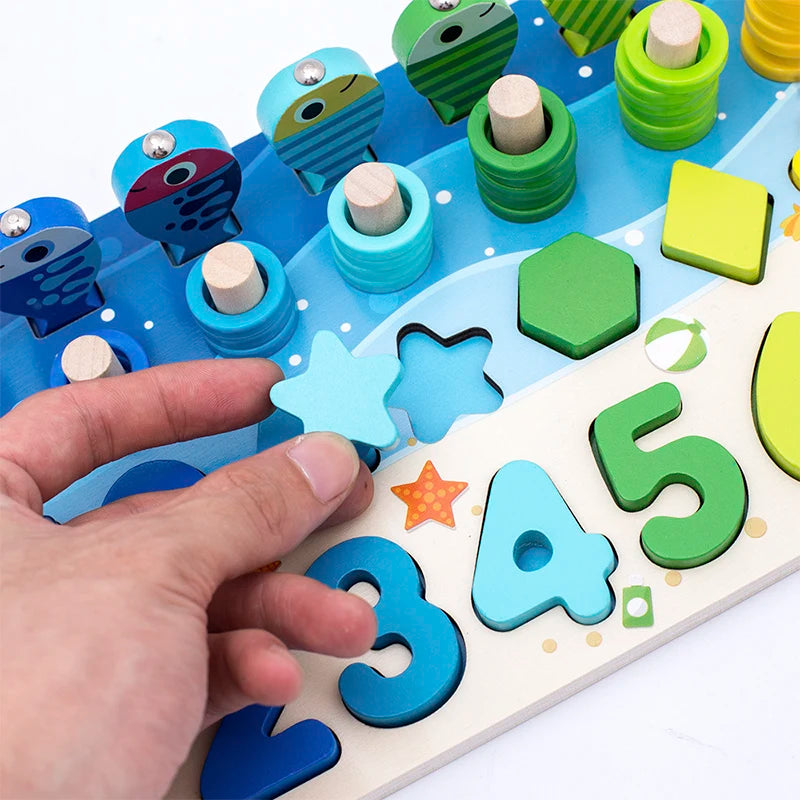
Workspace education supports hands on learning for kindergarten. 💡 See it in action
Hands On Learning for Preschoolers and Kindergarten
Hands on learning for preschoolers builds foundational skills like coordination, language, and early math. For kindergarten-age children, it strengthens logic, sequencing, and independent thinking.
Activities children can do independently
- Sorting objects by size or color
- Counting with physical manipulatives
- Simple practical life tasks like pouring
- Pattern building and matching
Parents often notice calmer routines when children have meaningful work available. Tools from Sensory Toys can also support regulation and focus, especially during transitions.
Common Mistakes to Avoid When Starting
Even with good intentions, a few habits can limit the benefits of independent learning montessori play.
- Too many toys out at once can overwhelm children.
- Correcting too quickly removes the chance for self-discovery.
- Over-directing play shifts control back to adults.
- Ignoring safety by placing breakable items out of reach.
Choosing age-appropriate tools from trusted collections like Health & Safety helps maintain a secure environment while encouraging independence.
Real Parent Experiences With Independent Play
Many parents report noticeable changes within weeks:
- “My child plays independently for 30 minutes now.”
- “Mornings feel calmer and more predictable.”
- “Homework frustration has dropped significantly.”
These shifts happen because children feel capable and trusted, which naturally boosts confidence.
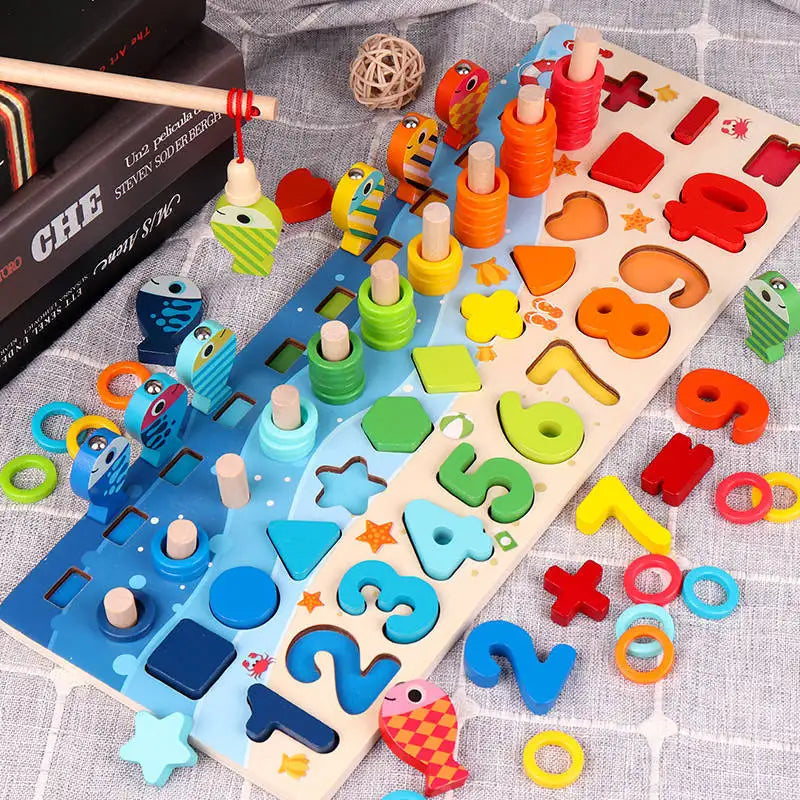
Independent learning montessori play builds confidence through workspace education. 💡 See it in action
Mini FAQ
At what age can children start independent learning montessori play?
Children can begin as early as 18 months with simple, safe activities. The key is matching materials to developmental ability and allowing repetition.
How long should independent play sessions last?
Start with 10–15 minutes and gradually increase. Many preschoolers naturally reach 30–45 minutes when the environment is prepared well.
Do I need special furniture for workspace education?
No. A low table, shelf, or floor mat works perfectly. Accessibility and consistency matter more than design.
How often should activities be rotated?
Weekly rotation keeps interest high while allowing enough time for mastery.
Related Guide: How to Teach Numbers Preschool With Simple Daily Steps





