

Indoor Recess Games for Kindergarten: How to Keep Kids Moving
What are the best indoor recess games for kindergarten?
Indoor recess games for kindergarten work best when they mix simple rules, whole-body movement, and playful imagination. The right games help kids release energy, practice motor skills, and reset focus without needing large spaces or screens. With clear structure, even short activities can keep an entire class engaged and happy.
Indoor Recess Games for Kindergarten: How to Keep Kids Moving
Indoor recess games for kindergarten can turn noisy, restless moments into structured fun that supports learning and emotional balance. When weather or space limits outdoor play, the right indoor activities for kindergarten help children move their bodies, cooperate with friends, and return to lessons calmer and more focused.
⏱ 6 min read
Ever notice how quickly energy builds up when kids can’t go outside? Teachers and parents often worry about chaos, safety, or kids zoning out during indoor breaks. The good news: with a few smart routines and playful tools, indoor games for family or classroom use can feel just as exciting as outdoor play.
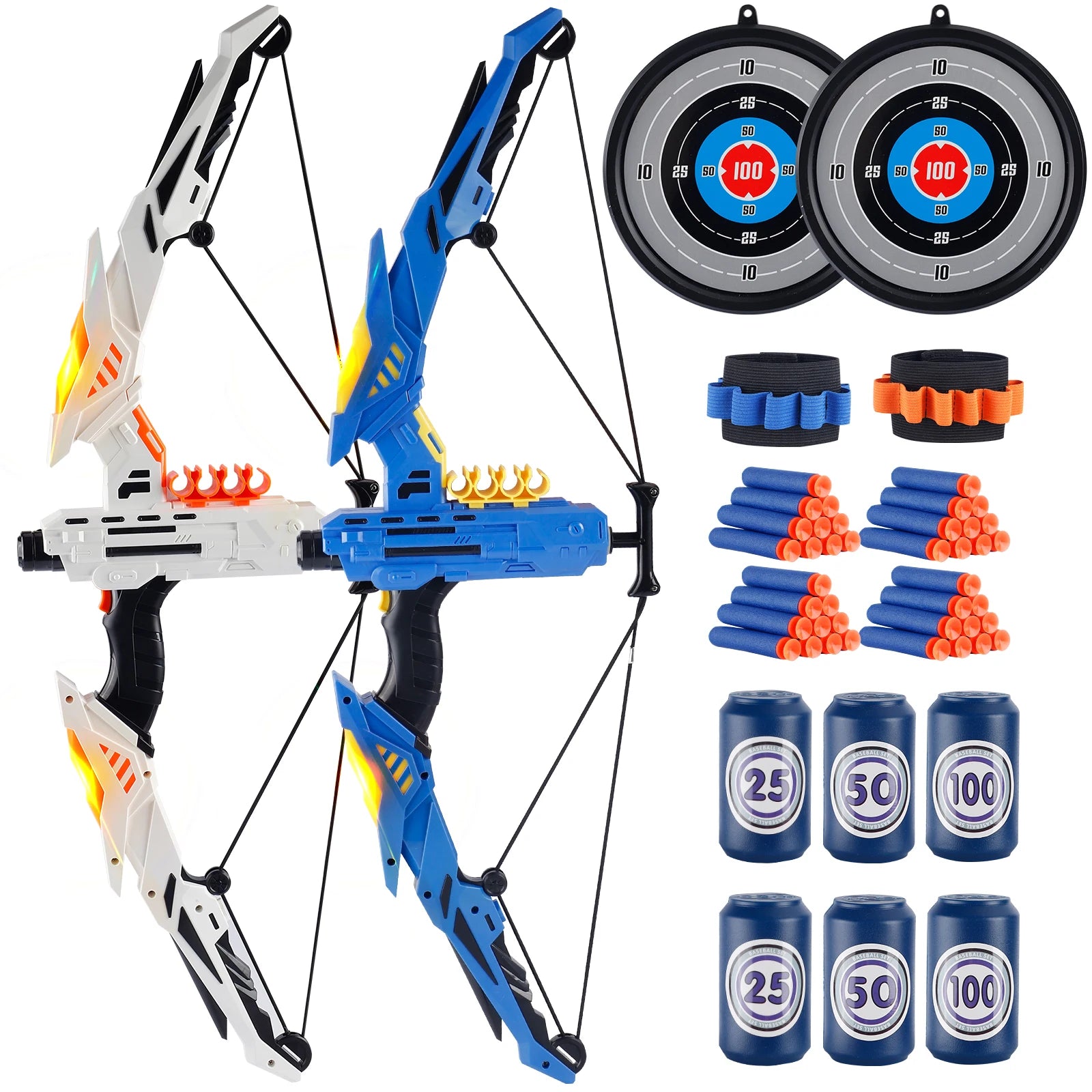
Indoor recess games for kindergarten that spark movement and joy 💡 See it in action
Why Movement Matters During Indoor Recess
Kindergarten-aged children learn through motion. When movement is removed, frustration builds fast. Active games for preschoolers help regulate emotions, strengthen muscles, and improve attention once lessons resume.
- Releases built-up energy safely
- Improves balance and coordination
- Encourages cooperation and turn-taking
- Supports healthy routines during long school days
Many teachers also notice fewer behavior issues when indoor activities for kindergarten include structured movement rather than free roaming.
How to Structure Indoor Recess Without Chaos
Indoor recess doesn’t have to mean shouting and running in circles. A simple structure keeps kids engaged and safe.
- Explain the rules before starting
- Demonstrate each movement once
- Set a clear start and stop signal
- Rotate games every 5–7 minutes
Using visual cues or soft music helps transitions feel smoother and reduces overstimulation.
Top Indoor Recess Games for Kindergarten That Keep Kids Moving
Indoor recess games for kindergarten are most effective when they balance excitement with simple control. These options work well in classrooms, gyms, or even living rooms.
1. Freeze and Move
Play music and let kids dance, hop, or march. When the music stops, everyone freezes. This builds listening skills and body control.
2. Animal Walk Challenge
Call out animals and let kids move like them—frog jumps, bear crawls, or penguin waddles. Great for strength and laughter.
3. Target Toss Adventure
Set up soft targets using cups or boxes. Lightweight toy sets encourage aiming, focus, and controlled movement. Simple archery-style sets work well here.
For classrooms focusing on skill-building play, pairing movement games with tools from Baby Growth & Learning supports coordination and confidence.
4. Follow-the-Leader Fitness Trail
One child leads simple moves—clapping, jumping, spinning—while others copy. Rotate leaders to build confidence.
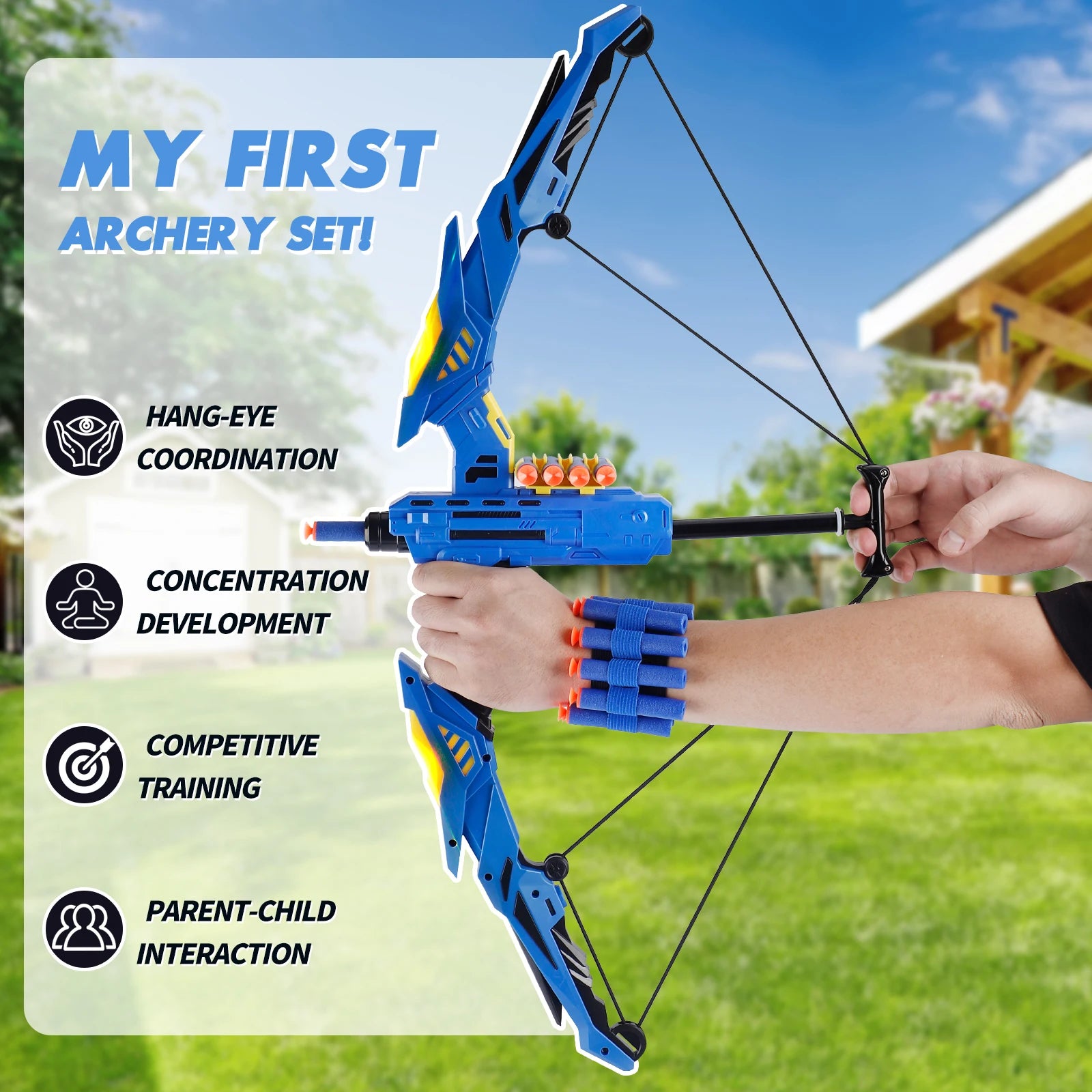
Indoor activities for kindergarten that build focus and teamwork 💡 See it in action
Step-by-Step: Setting Up an Active Indoor Recess Routine
Consistency makes indoor recess smoother for everyone. Follow this simple setup to reduce stress.
- Clear the floor and define boundaries
- Choose 2–3 games ahead of time
- Keep equipment soft and lightweight
- End with a calming stretch or breathing game
Teachers often combine movement with sensory breaks using items from Sensory Toys to help kids transition back to quiet activities.
Indoor Recess Games That Work in Small Spaces
Limited room doesn’t mean limited fun. These indoor activities for kindergarten work even between desks.
- Chair exercises (twists, toe taps)
- Spot jumping or hopping patterns
- Shadow movements on the wall
- Stretch-and-count games
Short bursts of movement every few minutes often work better than one long game.
Safety Tips for Active Indoor Play
Keeping kids safe is always the top concern. Simple precautions go a long way.
- Use non-slip footwear or play barefoot if allowed
- Avoid hard or sharp equipment
- Maintain clear walkways
- Supervise closely during high-energy games
Many educators rely on guidance and tools from Health & Safety collections to support safe classroom routines.
From Classroom to Home: Indoor Games for Family Fun
These same indoor recess games for kindergarten easily translate into indoor games for family time. Parents can reuse the routines after school or on rainy days.
Simple movement challenges help siblings play together while parents feel confident kids are staying active indoors.
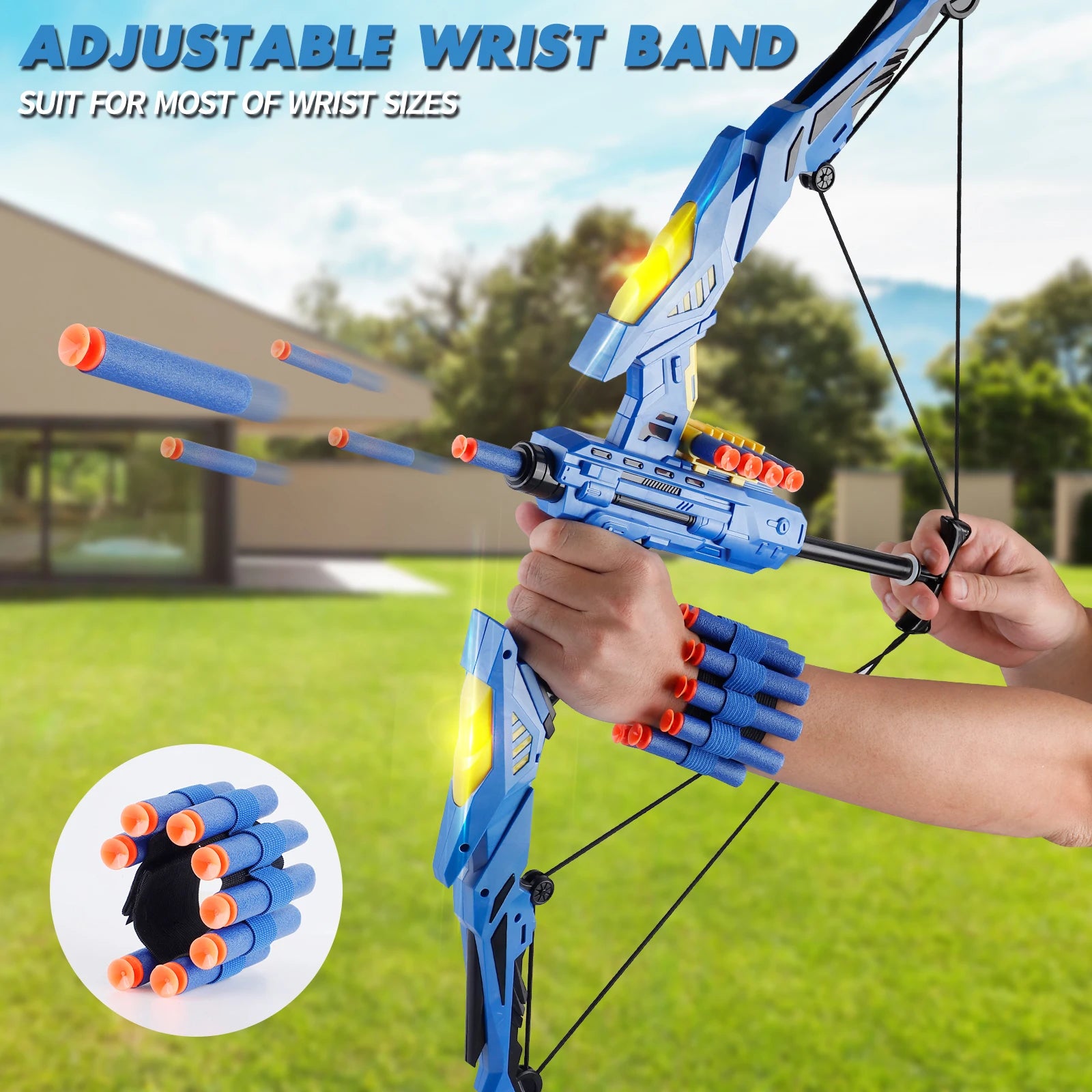
Active games for preschoolers that fit home routines 💡 See it in action
Mini FAQ
How long should indoor recess last for kindergarten?
Most classrooms benefit from 15–25 minutes. Short, structured games keep energy balanced without overstimulation.
What if kids get too excited?
Rotate high-energy games with calming activities like stretching or deep breathing to reset focus.
Can these games support learning goals?
Yes. Many indoor recess games for kindergarten improve listening skills, coordination, and social interaction.
Are these activities suitable for mixed ages?
Most active games for preschoolers can be adapted by adjusting speed, rules, or movement difficulty.
Related Guide: Toys to Develop Fine Motor Skills: How to Use Them Right





