

Infant Fine Motor Skills Activities You Can Do at Home
What are the best infant fine motor skills activities you can do at home?
Infant fine motor skills activities help babies strengthen tiny hand muscles, improve grasping, and build early coordination through simple, safe play. Using everyday objects and gentle guidance, these activities support infant fine motor skills development during fine motor skills infancy while boosting focus, confidence, and sensory awareness.
Infant Fine Motor Skills Activities You Can Do at Home
⏱ 7 min read
Infant fine motor skills activities can turn ordinary moments into meaningful learning experiences. If you’ve ever wondered how to help your baby grip, release, and explore with purpose—without overwhelming toys or complicated setups—you’re in the right place. These hands-on ideas support infant fine motor skills development during the most important stage of fine motor skills infancy, using calm, playful routines that fit real life.
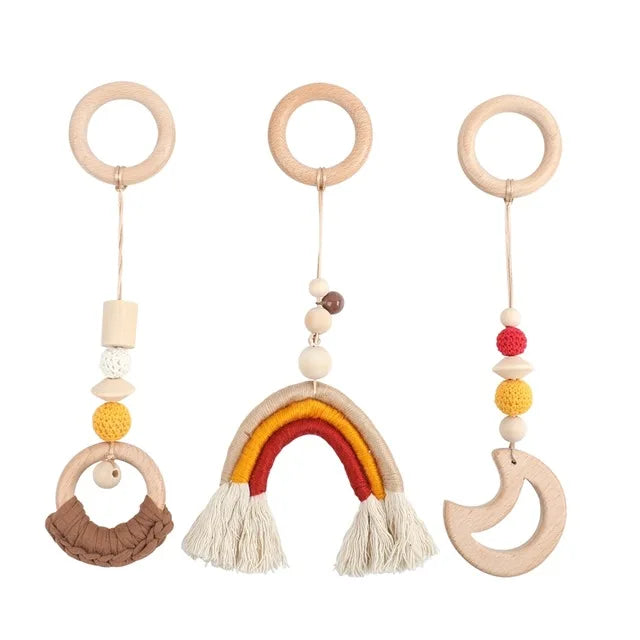
Infant fine motor skills activities that encourage grasping and coordination 💡 See it in action
Curious which simple play ideas actually help tiny hands grow stronger? Let’s break it down in a way that feels doable and reassuring.
Why Fine Motor Skills Matter in Infancy
Fine motor skills infancy is all about small, repeated movements that build control. When babies practice grasping, holding, and releasing, they’re laying the groundwork for feeding themselves, exploring toys, and eventually drawing and writing.
- Strengthens hand and finger muscles
- Improves hand-eye coordination
- Supports focus and problem-solving
- Builds confidence through small wins
Simple Infant Fine Motor Skills Activities at Home
Infant fine motor skills activities work best when they’re simple, safe, and repeated often. You don’t need a playroom full of gear—just thoughtful interaction.
Direct answer: Infant fine motor skills activities include grasping soft rattles, transferring objects between hands, and exploring textured toys. These actions support infant fine motor skills development by strengthening finger muscles and improving coordination during fine motor skills infancy, especially when practiced daily in short, calm play sessions.
- Grasp and Release: Offer a lightweight rattle and encourage your baby to hold, then gently help them let go.
- Hand-to-Hand Transfer: Hold an object at midline and guide it from one hand to the other.
- Texture Exploration: Let fingers explore safe fabrics or wooden surfaces.
- Reach and Touch: Place toys slightly out of reach to invite purposeful movement.
Many parents find that rotating a few favorite items keeps babies engaged without overstimulation. Thoughtfully chosen options from Sensory Toys can add variety while staying development-focused.
Step-by-Step Play That Builds Confidence
Consistency matters more than length. Short, focused play sessions help babies feel successful.
- Choose a calm time when your baby is fed and rested.
- Sit at eye level to offer reassurance.
- Introduce one object at a time.
- Pause and allow your baby to explore at their own pace.
Parents often notice improved baby hand coordination within weeks when these steps become part of daily play.
Sensory Motor Activities for Infants
Sensory motor activities for infants combine touch, movement, and curiosity. These experiences strengthen neural connections while keeping play enjoyable.
- Rolling a wooden rattle between palms
- Exploring cool vs. warm (room-temperature safe items)
- Gentle massage paired with finger play
- Reaching for hanging objects during tummy time

Sensory motor activities for infants that support fine motor skills development 💡 See it in action
Pairing these activities with calm routines—like after a bath or before a nap—helps babies associate learning with comfort. Items from Massage & Relaxation can support these soothing transitions.
Using Daily Routines to Support Development
Daily care moments are perfect opportunities for fine motor practice.
- Feeding time: Let babies hold a spoon or bottle briefly with support. Helpful tools can be found in Feeding Tools.
- Bath time: Squeezing soft toys builds grip strength. Explore safe options in Baby Bath Accessories.
- Diaper changes: Offer a small toy to encourage grasping and distraction.
These moments reduce pressure because learning happens naturally, without extra setup.
Tools That Make Fine Motor Practice Easier
While everyday objects work well, thoughtfully designed tools can simplify play.
Many caregivers appreciate how a wooden rattle play gym encourages reaching, batting, and gripping in one safe space. The Baby Wooden Rattle Play Gym supports infant fine motor skills development while fitting seamlessly into calm routines.
| Feature | Benefit |
|---|---|
| Lightweight wooden rattles | Easy for small hands to grasp |
| Stable play gym frame | Encourages safe reaching and batting |
| Natural textures | Supports sensory motor activities for infants |
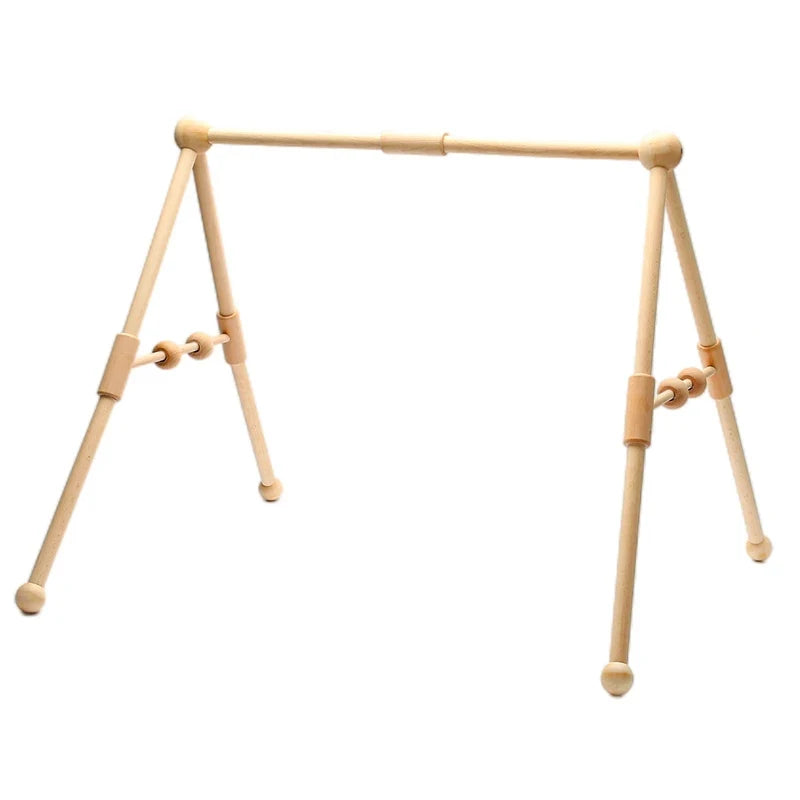
Infant fine motor skills activities made easier with supportive play tools 💡 See it in action
Parents often share that having one reliable setup reduces toy overwhelm and makes daily play more intentional.
Mini FAQ
How often should I do fine motor activities with my infant?
Short sessions once or twice a day are enough. Consistency matters more than duration, especially during fine motor skills infancy.
When do infants start developing fine motor skills?
Fine motor skills development begins in the first months of life, starting with reflexive grasping and gradually becoming more controlled.
Do I need special toys for infant fine motor skills activities?
No. Simple household items work well, though purpose-built options can make play easier and more engaging.
Related Guide: How to Stimulate Newborns With Simple Daily Play Routines





