

Infant Hip Seat: How to Choose a Safe, Comfy Fit
What is the best infant hip seat carrier in 2026?
The best infant hip seat carrier balances comfort, hip-healthy positioning, adjustability, and long-term value. Hybrid carriers with a supportive hip seat, ergonomic back panel, and secure waist belt generally perform best for everyday use because they reduce strain on parents while helping keep babies in a safe, natural seated position.
Best Infant Hip Seat Carriers of 2026: Reviews & Top Picks
⏱ 8 min read
Finding the right infant hip seat carrier can make everyday parenting easier, whether you're calming a newborn, running errands, or carrying an active toddler. We compared the most popular styles based on comfort, ergonomics, ease of adjustment, storage, and overall value to help you choose the best hip seat carrier for your family's needs.
Baby Care Essentials
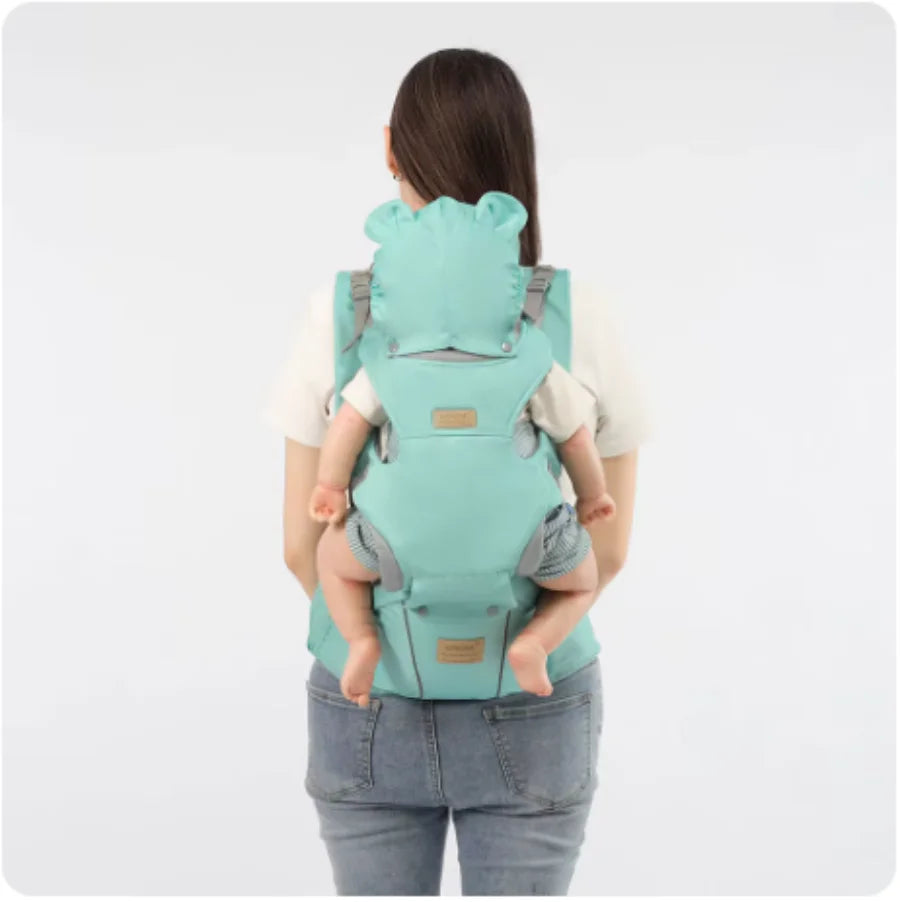
Infant hip seat carrier supporting safe babywearing guidelines. See it in action.
Best Infant Hip Seat Carriers of 2026: Reviews & Top Picks
Our top overall pick
Hybrid infant hip seat carriers combine a supportive seat with a detachable carrier panel, making them the most versatile option for newborns through toddlerhood. They deliver the best balance of comfort, support, and long-term value for most families.
Best budget hip seat carrier
A simple hip seat without a full carrier is ideal for parents who frequently pick up and put down older babies. These models are lightweight, affordable, and excellent for quick errands.
Best premium hip seat carrier
Premium ergonomic models typically include breathable fabrics, wider lumbar belts, larger storage pockets, and multiple carrying positions that improve comfort during extended outings.
Best for newborn support
Choose a hybrid design with an adjustable back panel, head support, and newborn-compatible positioning. Always follow the manufacturer's minimum age and weight recommendations before using any carrier with a newborn.
Best for toddlers
For heavier children who frequently ask to be carried, look for a wide, non-slip seat, reinforced waist belt, and higher weight capacity to reduce pressure on your back and shoulders.
How We Tested These Hip Seat Carriers
Our evaluation focuses on the factors parents notice during everyday use rather than marketing claims. Each style was compared using practical carrying scenarios, including walks, shopping trips, household chores, and frequent pick-up situations.
Comfort for parent and baby
We assessed pressure distribution across the hips and waist, shoulder comfort, baby stability, and how naturally the child sat during use.
Hip support and ergonomics
Higher scores were given to carriers that encouraged a wide seated position while helping parents maintain better posture during longer carrying sessions.
Ease of adjustment
We compared buckle quality, strap adjustments, fit across different body types, and how quickly caregivers could switch users.
Storage, cleaning, and durability
Useful storage compartments, machine-washable materials, quality stitching, and durable buckles all contributed to higher overall ratings.
What Is an Infant Hip Seat Carrier and How Does It Work?
An infant hip seat carrier uses a structured waist belt with a firm padded seat to transfer much of your baby's weight from your arms to your hips. This design helps reduce fatigue while making it easier to carry your child for short or moderate periods throughout the day.
Hip seat only vs hybrid carriers
- Hip seat only: Best for babies who want frequent ups and downs.
- Hybrid carrier: Combines a hip seat with a supportive carrier panel for longer hands-free carrying.
Who benefits most
- Parents carrying babies several times each day
- Caregivers with shoulder or arm fatigue
- Families with older infants transitioning between walking and being carried
- Parents looking for faster on-and-off convenience than traditional wraps
Baby Carrier vs Hip Seat: Which Should You Choose?
| Feature | Traditional Soft Carrier | Hip Seat Carrier | Hybrid Carrier |
|---|---|---|---|
| Best Age | Newborn+ | 6 months+ | Newborn to toddler |
| Quick Pick-ups | Moderate | Excellent | Very Good |
| Hands-Free Support | Excellent | Limited | Excellent |
| Long Walks | Very Good | Good | Excellent |
Hip Seat Carrier Safety: What Matters Most
Safety depends on proper positioning and using a carrier that matches your baby's age, weight, and developmental stage.
International Hip Dysplasia Institute guidance
Hip-healthy carriers allow babies to sit with knees slightly higher than the hips while supporting the thighs instead of letting the legs hang straight down.
Safety certifications and standards
Look for manufacturers that perform safety testing, publish recommended weight ranges, and provide clear fitting instructions for caregivers.
Correct positioning
- Baby's face remains visible at all times.
- Airway stays clear with the chin off the chest.
- Back is naturally supported.
- Hips remain in a comfortable "M" position.
Common safety mistakes
- Using newborns without proper support.
- Loose waist belts that allow excessive movement.
- Exceeding the recommended weight limit.
- Allowing baby's face to become covered.
Parents especially focused on everyday safety can also browse curated resources in Health & Safety .
Benefits and Disadvantages of Hip Seat Carriers
Key benefits
- Reduces arm and shoulder fatigue.
- Excellent for frequent pick-ups.
- Supports more balanced weight distribution.
- Often includes convenient storage pockets.
- Comfortable for errands and travel.
Potential drawbacks
- Hip seat-only models are less hands-free.
- Premium ergonomic designs cost more.
- Some models are bulkier than soft wraps.
Who should avoid them
Parents seeking extended hiking or all-day babywearing may prefer a fully structured carrier designed specifically for long-distance carrying.
Infant Hip Seat Carrier Comparison Table
| Type | Age Range | Storage | Machine Washable | Best Value |
|---|---|---|---|---|
| Basic Hip Seat | 6 months+ | Small | Some models | Budget |
| Ergonomic Hip Seat | 3 months+ | Medium | Usually | Excellent |
| Hybrid Carrier | Newborn to toddler* | Large | Usually | Best Overall |
*Always follow the manufacturer's recommended minimum age and weight requirements.
Baby Care Tips & Advice
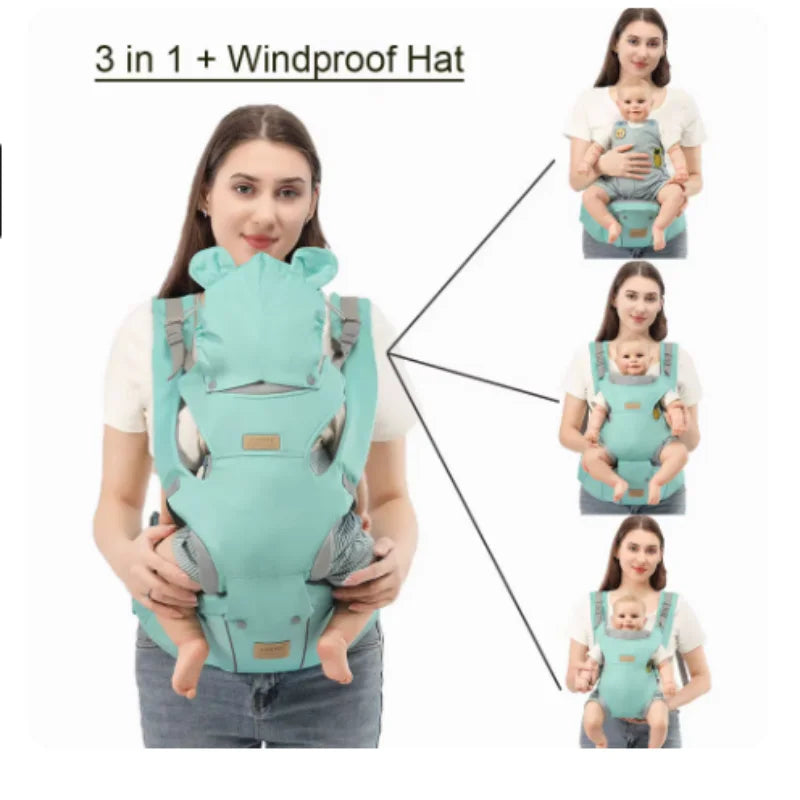
Comparing infant hip seat carrier designs for comfortable everyday carrying. See it in action.
How to Choose the Right Hip Seat Carrier
Newborns
Select a model specifically approved for newborn use with full upper-body support and carefully follow the fitting instructions.
6–12 months
At this stage, many parents benefit from ergonomic hip seats that make frequent carrying easier while babies become more active.
Toddlers
Choose reinforced waist support and higher weight capacity if your child often alternates between walking and wanting to be carried.
Fit for different caregivers
Wide adjustment ranges make sharing one carrier between parents or grandparents much easier while maintaining a secure fit.
For additional parenting resources, visit Mom Essentials .
Final Verdict: Which Hip Seat Carrier Is Best?
The best hip seat carrier depends on your child's age and how you plan to use it, but hybrid ergonomic designs provide the strongest overall performance thanks to their combination of comfort, flexibility, and long-term usability.
Best overall
Hybrid ergonomic infant hip seat carriers offer the best balance of support, convenience, and versatility.
Best value
Mid-range ergonomic hip seats provide excellent everyday comfort without premium pricing.
Best premium
High-end models justify their cost with better materials, improved lumbar support, and greater carrying flexibility.
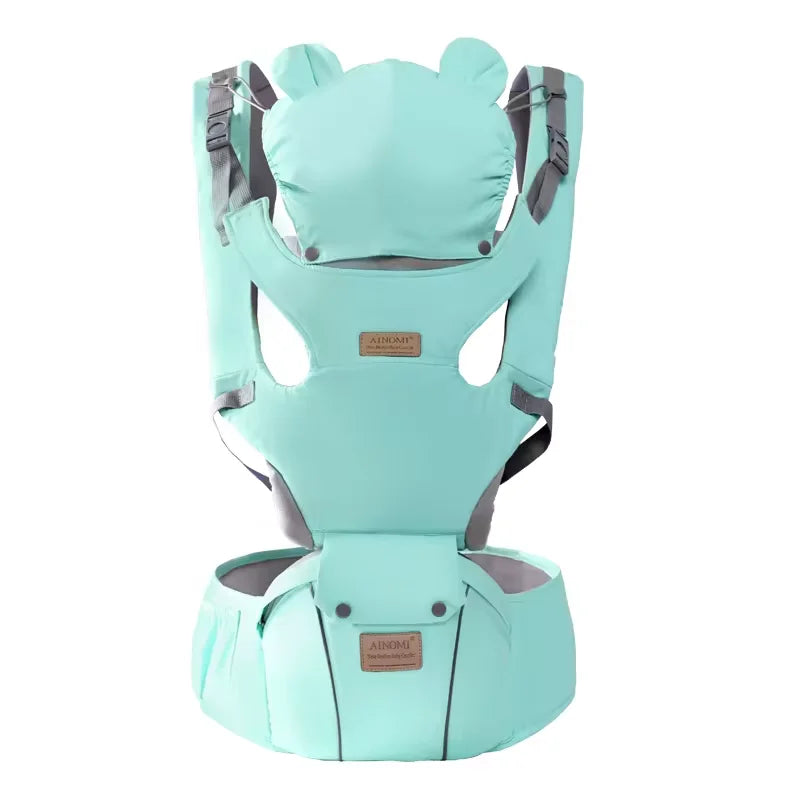
Choosing an infant hip seat carrier that supports comfortable everyday babywearing. See it in action.
View Infant Hip Seat Carrier
Frequently Asked Questions
Can a hip seat carrier be used for newborns?
Yes, but only if the model is specifically designed and approved for newborn use with appropriate head, neck, and back support.
Is a hip seat good for baby development?
When used correctly and with proper positioning, an ergonomic hip seat can support a comfortable seated posture while reducing strain on caregivers.
Is a baby carrier with a hip seat better than a regular carrier?
Hybrid carriers combine the hands-free benefits of traditional carriers with the convenience of a hip seat, making them a versatile choice for many families.
When should I stop using a hip seat carrier?
Stop using it once your child exceeds the manufacturer's recommended weight limit or no longer fits safely within the carrier.
How do I know my baby's hips are supported correctly?
Your baby's knees should sit slightly higher than the hips, with the thighs supported and the face remaining visible throughout use.
Related Guide: Best Baby Hip Seat Carrier: Side-by-Side Comfort Tests





