

Baby Bruised Knees From Crawling? Safe Ways to Protect Them
Baby Bruised Knees From Crawling: Is It Normal?
Baby bruised knees from crawling are usually a normal part of learning to move. As babies spend more time exploring on hands and knees, repeated pressure against floors can cause temporary redness, mild marks, or small bruises. Many healthy crawlers experience this, especially when practicing on hard surfaces like tile or hardwood.
If you are wondering, “is it normal for babies knees to bruise when crawling?” the answer is often yes. Crawling places repeated stress on areas that are still developing, and babies do not yet have the same muscle strength, coordination, or protective padding as older children.
However, not every bruise should be ignored. Swelling, severe pain, unusual bruising patterns, or marks that do not improve may require advice from a pediatrician. The goal is not to stop crawling, but to make the environment more comfortable and reduce unnecessary irritation.
Infant Knee Bruising Crawling: How to Cushion and Protect
⏱ 7 min read
Infant knee bruising crawling can catch parents off guard. One day your baby is scooting happily, the next you notice red marks or small bruises on tiny knees. Understanding why it happens and knowing how to protect sensitive skin can help babies continue exploring comfortably and confidently.
Crawling supports important skills like balance, coordination, strength, and independence. With the right floor setup, clothing choices, and gentle protection, parents can reduce discomfort without limiting natural movement.

Infant knee bruising crawling relief with soft crawling knee pads See it in action
Explore gentle knee protection options
Why Babies Get Bruised or Red Knees When Crawling
Babies knees bruised from crawling are usually caused by a combination of pressure, friction, and repeated movement. Crawling requires babies to place much of their body weight directly on their knees, which can create irritation over time.
Skin and Soft Tissue Pressure
A baby's knees have delicate skin and developing tissues that are more sensitive to repeated pressure. Crawling hundreds of times each day can leave temporary red marks or mild bruising, especially during early crawling stages when babies spend longer periods practicing movement.
Friction From Different Floor Surfaces
Floor texture plays a major role in why a baby’s knees are red from crawling. Hard or rough surfaces can increase rubbing and pressure.
- Hardwood and tile floors create more impact
- Rough carpets may increase friction
- Uneven surfaces can place extra pressure on certain areas
- Thin clothing may provide little protection
Why Some Babies Bruise More Easily
Every baby is different. Some babies naturally have more sensitive skin or show marks more easily than others. Activity level, crawling style, clothing, and the surfaces they explore can all affect how noticeable knee redness or bruising becomes.
Normal Bruising vs Signs You Should Call a Pediatrician
A baby knee bruised from crawling is often harmless, but parents should know the difference between common crawling marks and symptoms that need medical attention.
Normal Bruises
Typical crawling-related marks are usually:
- Small and limited to the knee area
- Linked to active crawling sessions
- Mildly red, pink, or slightly bruised
- Improving with rest and reduced friction
Warning Signs
Contact a healthcare professional if you notice:
- Significant swelling around the knee
- Your baby avoids using one leg or stops crawling
- Bruises appear without an obvious cause
- The area becomes hot, painful, or increasingly irritated
- Marks do not improve over time
When Urgent Care Is Needed
Seek prompt medical advice if bruising is accompanied by signs of injury, severe pain, unusual bleeding, or other concerning symptoms.
How to Protect Baby Knees When Crawling
Learning how to protect baby knees when crawling does not require stopping movement. Small adjustments can reduce pressure while allowing babies to explore naturally.
Choose Appropriate Clothing
Soft, breathable pants can add a lightweight barrier between knees and the floor. Avoid clothing with rough seams or materials that may increase rubbing.
Create a Softer Crawling Surface
A comfortable play area helps reduce repeated impact. Foam mats, padded play areas, and soft rugs can make daily crawling easier on sensitive knees.
Limit Unnecessary Friction
Keep crawling spaces clean and remove rough materials that may irritate skin. Rotating play locations can also prevent constant pressure on the same areas.
Supervise Active Play
Supervision helps parents notice discomfort early and adjust the environment when needed. Combining safe spaces with engaging activities supports healthy movement.
For more guidance on creating safe movement areas, explore Baby Growth & Learning and learn more about baby-proofing floors and play spaces.
Do Babies Need Knee Pads for Crawling?
Many parents ask, “do babies need knee pads for crawling?” The answer depends on the baby, the crawling environment, and how much irritation occurs.
Benefits of Crawling Knee Pads
Baby crawling knee pads can provide extra cushioning during active play, especially on hard floors.
- Reduce direct pressure on knees
- Help limit friction against rough surfaces
- Add a comfortable protective layer
- Support longer crawling sessions when discomfort is a problem
Possible Drawbacks
Knee pads should not replace a safe crawling environment. Poorly fitted pads may feel uncomfortable, trap heat, or restrict movement if they are too tight.
When Knee Pads Make Sense
Knee protection can be useful when babies frequently crawl on hard flooring, develop repeated irritation, or need extra comfort during long play sessions.
How to Choose and Use Them Safely
Select soft, breathable knee protection that fits securely without squeezing. Check your baby’s skin regularly and remove knee pads during sleep or extended rest.
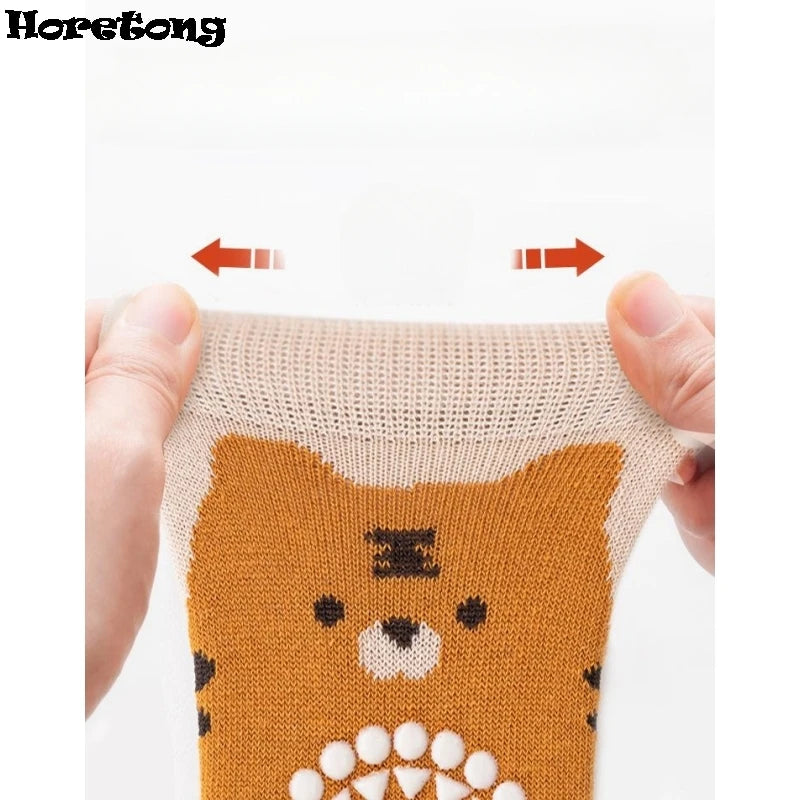
Crawling knee pads and cotton knee sleeve combo See it in action
Browse Health & Safety
How Long Do Crawling Knee Bruises Take to Heal?
Knees bruise from crawling because the same areas experience repeated pressure. In many cases, mild redness or small bruises improve within several days as irritation decreases.
To support recovery:
- Reduce repeated friction on affected areas
- Use softer crawling surfaces
- Keep skin clean and comfortable
- Monitor whether marks are improving
If bruises continue appearing frequently or do not improve, consider discussing them with a pediatrician.
Floor Setup for Safer Crawling
Infant knee bruising crawling is not only about protective gear. The environment where babies practice movement makes a major difference.
- Use play mats in high-traffic crawling zones
- Avoid rough rugs with stiff fibers
- Keep floors clean to reduce irritation
- Create a comfortable crawling area with enough space
Pairing knee protection with play can encourage longer, happier exploration. Many families combine crawling support with Sensory Toys to keep babies motivated.
Frequently Asked Questions
Is it normal for babies to get bruised knees when crawling?
Yes. Mild bruising or redness is common because babies place repeated pressure on their knees while learning to crawl. However, unusual bruising, swelling, or persistent discomfort should be checked by a healthcare professional.
Why are my baby's knees red after crawling?
A baby's knees red from crawling are usually caused by pressure and friction from repeated movement. Hard floors, rough carpets, and long crawling sessions can make redness more noticeable.
Can crawling on carpet still cause bruises?
Yes. Although carpet is softer than tile or hardwood, rough fibers or repeated rubbing can still irritate a baby’s knees.
Should I stop my baby from crawling if the knees are bruised?
No. Crawling is an important developmental activity. Instead of stopping movement, improve the crawling environment, reduce friction, and add gentle protection when needed.
Are knee pads recommended for every baby?
No. Not every baby needs knee pads. They can be helpful for babies who crawl frequently on hard surfaces or experience repeated irritation, but they should be comfortable and used correctly.
How can I protect my baby's knees while crawling?
You can protect your baby’s knees by using soft flooring, breathable clothing, supervising play areas, and choosing gentle knee protection when extra cushioning is needed.
When should bruised knees be checked by a pediatrician?
Seek advice if bruises appear without clear causes, become swollen or painful, affect movement, or do not improve.
Can crawling damage a baby's knees?
Normal crawling does not damage healthy baby knees. Crawling is a natural developmental stage, and comfort measures can help reduce irritation during active exploration.
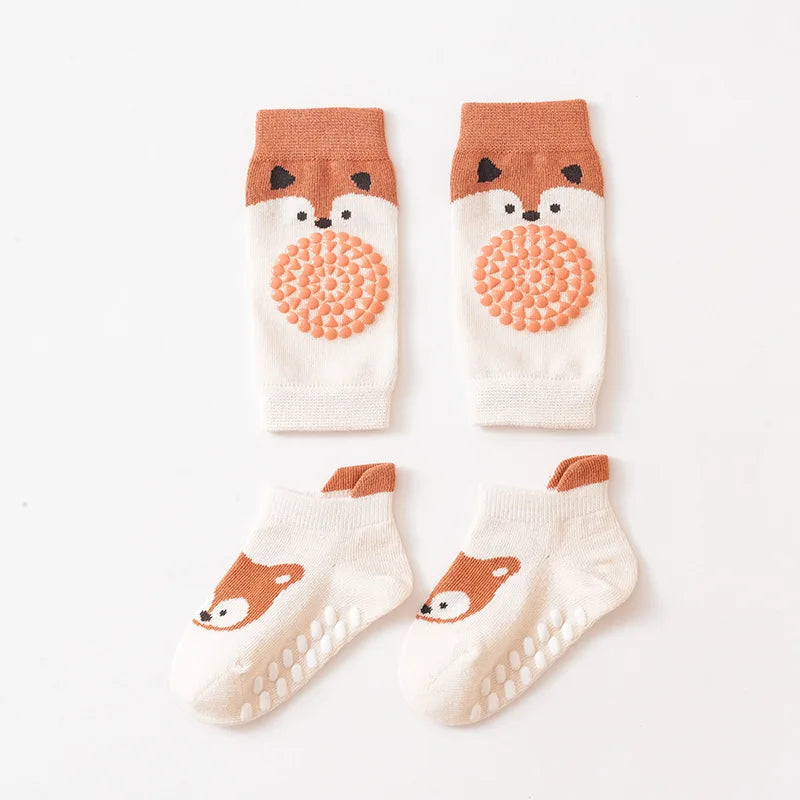
Protect newborn knee caps during crawling See it in action
Get gentle knee protection now
Related Guide: Prevent Baby Slipping Indoors Step by Step Safety Guide





