

Infant Lullabies Songs: Sound Features That Help Babies Settle
Infant Lullabies Songs: Sound Features That Help Babies Settle
⏱ 7 min read
Do infant lullabies songs really work?
Infant lullabies songs help babies settle by using slow tempo, gentle melodies, and repetitive sound patterns that signal safety to a developing brain. Research-backed sleeping infant music can reduce fussiness, shorten settling time, and support longer sleep cycles when used consistently as part of a calming bedtime routine.
Infant lullabies songs are more than background noise—they use rhythm, tempo, and soft tones to signal safety and rest to a developing brain. When paired with gentle lullabies for babies, sleeping infant music can shorten settling time and reduce nighttime fussiness. Even sound patterns used in the best musical crib mobile are designed to mimic the womb and steady breathing.
Does your baby fight sleep even when they seem exhausted? Many parents struggle with overtired infants who need extra cues to relax. The right sounds can become one of the most reliable tools in your bedtime routine.
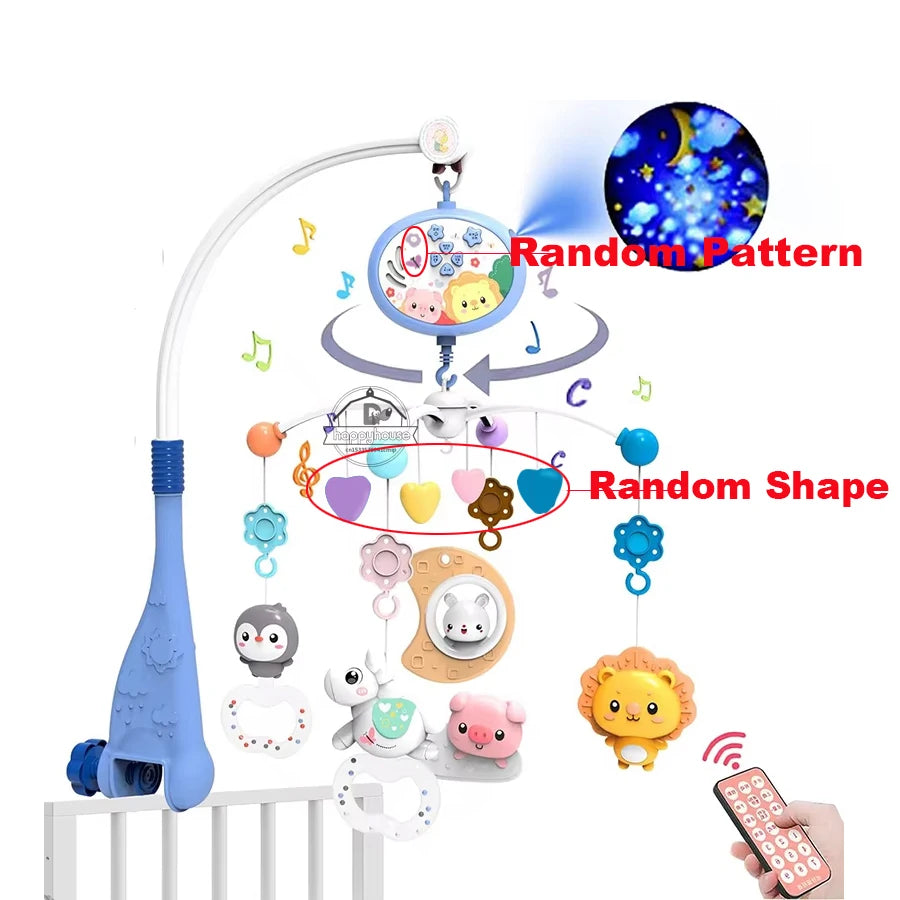
Infant lullabies songs paired with gentle lullabies for babies help signal rest — 💡 See it in action
👉 Curious which sleep tools support calmer nights? Explore soothing solutions designed for rest in Sleep & Comfort.
Why Sound Matters for Infant Sleep Development
From birth, babies rely on sensory cues to understand their environment. Sound is one of the earliest signals their nervous system can process consistently, even before vision fully develops.
- Slow rhythms mirror a parent’s resting heartbeat
- Soft tones reduce stress hormones
- Predictable melodies build sleep associations
- Low-frequency sounds feel grounding and secure
Parents often notice that babies calm faster when the same sleeping infant music is used every night. Over time, the brain links those sounds with safety and rest.
What sound features make infant lullabies songs effective?
Infant lullabies songs work best when they combine slow tempo, limited pitch range, and repetitive structure. These features reduce stimulation while helping the baby’s nervous system shift from alertness to rest. Gentle lullabies for babies are intentionally simple, avoiding sudden changes that could trigger startle responses.
Slow Tempo That Matches Natural Breathing
Lullabies typically stay between 60–80 beats per minute. This pace encourages slower breathing and heart rate, making it easier for babies to drift toward sleep.
Consistent Repetition Builds Predictability
Repetition reassures infants. Familiar sound loops reduce uncertainty and help babies relax faster, especially during nighttime wake-ups.
Soft Instrumentation and Human-like Tones
Sounds resembling humming, strings, or gentle chimes are processed as soothing rather than stimulating. This is why many parents prefer sleeping infant music over upbeat songs.
👉 Learn how to choose calming sensory tools in Sensory Toys for bedtime wind-down routines.
Lullabies vs White Noise vs Silence: Which Is Better?
Every baby responds differently, but understanding the differences helps parents choose wisely.
| Option | Best For | Limitations |
|---|---|---|
| Infant lullabies songs | Building emotional comfort and routines | May distract very sensitive sleepers |
| White noise | Masking sudden household sounds | Lacks emotional connection |
| Silence | Light sleepers in quiet homes | No sleep cues or consistency |
Many families find the best results come from combining gentle lullabies for babies with a predictable bedtime environment.
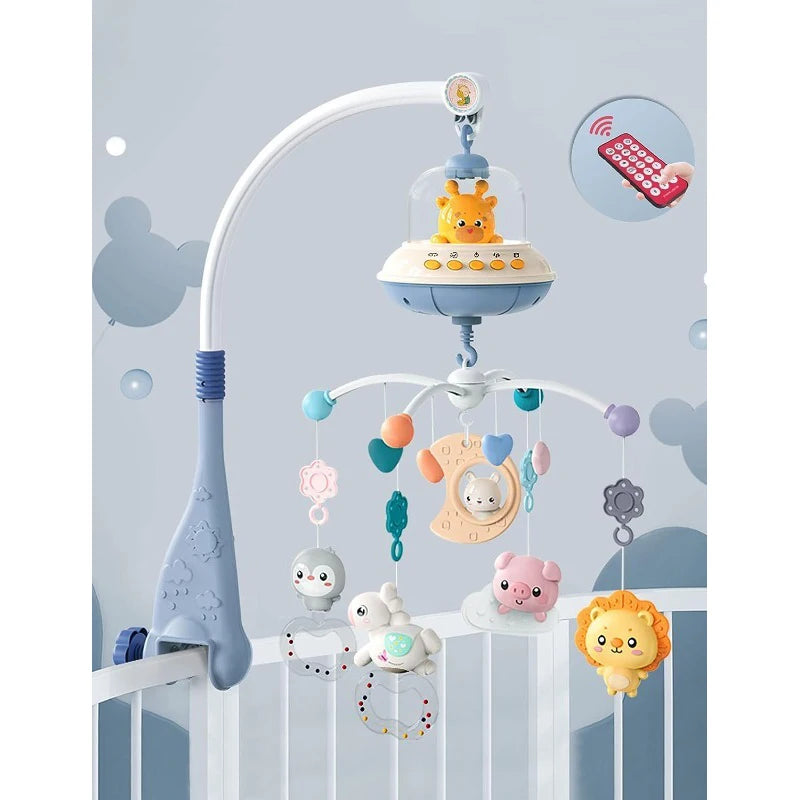
Sleeping infant music used with visual motion supports deeper calm — 💡 See it in action
Why the best musical crib mobile supports faster settling
The best musical crib mobile combines sound with slow, predictable movement. This dual-sensory approach gently holds attention without overstimulation, making it easier for babies to relax.
- Soft motion encourages eye tracking without excitement
- Built-in lullabies maintain consistent sound quality
- Hands-free use supports safe sleep routines
- Repeating melodies reinforce bedtime cues
Parents often report fewer protests at bedtime when music and motion are paired together. You can explore options like the musical baby crib mobile designed specifically for infant sleep cues.
👉 Discover comfort-focused sleep tools inside Sleep & Comfort collections.
How to use infant lullabies songs for best results
- Start the music 5–10 minutes before sleep time
- Use the same songs every night
- Keep volume low and consistent
- Pair with dim lighting and gentle routines
Consistency matters more than volume or variety. Babies thrive on predictability, and repeating the same sleeping infant music strengthens sleep associations.
How lullaby-based sleep tools compare
| Feature | Musical Crib Mobile | Standalone Speaker |
|---|---|---|
| Visual calming | ✔ Yes | ✖ No |
| Consistent placement | ✔ Fixed | ✖ Variable |
| Routine reinforcement | ✔ Strong | ✔ Moderate |
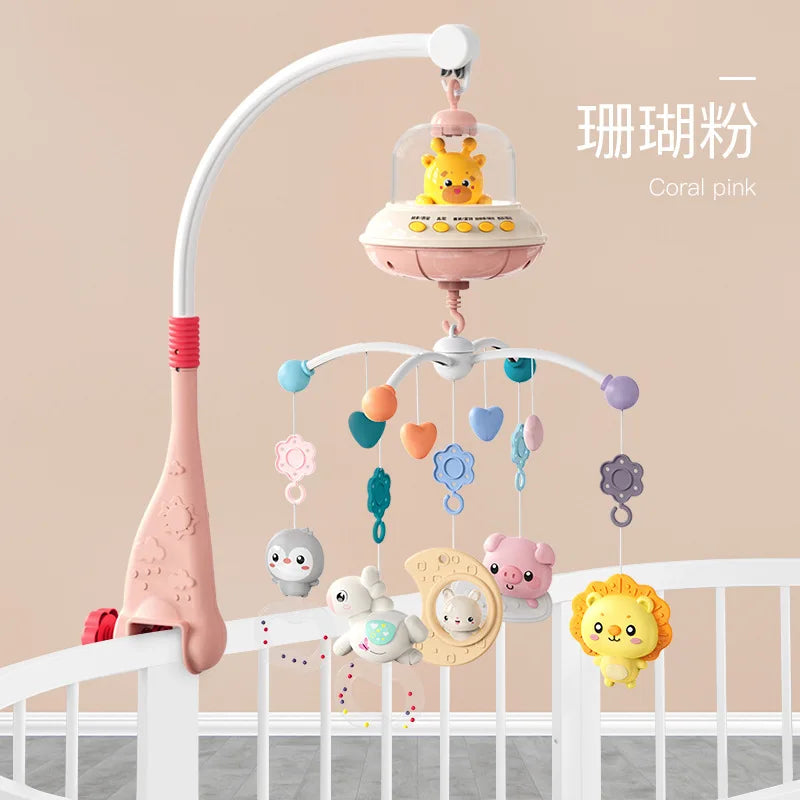
Best musical crib mobile designs use infant lullabies songs — 💡 See it in action
👉 Ready to simplify bedtime? View calming sleep solutions in Sleep & Comfort today.
Frequently Asked Questions
Are infant lullabies songs safe for newborns?
Yes. When played at low volume, infant lullabies songs are safe and can support emotional regulation and sleep cues from the earliest weeks.
How long should lullabies play during sleep?
Many parents use 20–40 minutes or looped low-volume playback. Some babies settle faster with continuous gentle sound.
Do babies become dependent on sleeping infant music?
Most babies simply associate the sound with comfort. Over time, many can transition to quieter environments without difficulty.
Related Guide: Infant Sensory Development Features That Boost Calm and Focus





