

Socks for Babies on Hardwood Floors That Help Prevent Slips
Do infant non skid socks really help on hardwood floors?
Yes. Infant non skid socks can improve stability on hardwood, laminate, and tile floors by adding flexible traction beneath little feet without limiting natural movement. High-quality designs combine breathable cotton infant socks with silicone grip patterns that help babies crawl, cruise, and practice standing more confidently. While they cannot prevent every fall, they reduce unnecessary slipping and provide a practical solution for hardwood floor baby safety during early mobility.
Infant Non Skid Socks Review for Hardwood Floors
⏱ 7 min read
As babies become more active, smooth indoor flooring can present unexpected challenges. Hardwood and tile allow easy movement, but they also reduce traction when little ones begin crawling, pulling up, and taking their first supported steps. Infant non skid socks are designed to bridge that gap by combining soft, breathable comfort with textured grip that helps support balance without replacing healthy foot movement. In this guide, we'll explore how they work, what features matter most, and how to choose socks that genuinely improve confidence on slippery indoor surfaces.
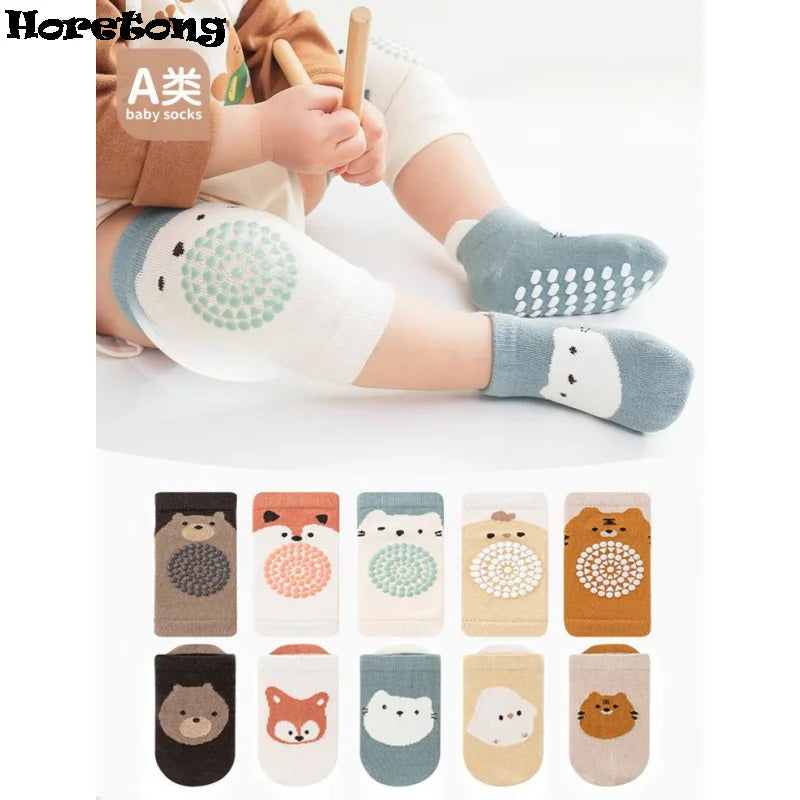
Infant non skid socks supporting crawling safety on smooth floors See it in action
Why Slippery Floors Are a Real Crawling Risk
Hardwood, laminate, and tile floors are durable and easy to clean, but they provide far less friction than carpet. As babies progress from crawling to cruising and eventually standing independently, they rely on secure footing to shift weight, push forward, and recover their balance. When feet slide unexpectedly, even a small loss of traction can interrupt confidence and make movement less predictable.
Parents often notice slipping during everyday activities such as crawling toward a favorite toy, pulling up on furniture, or taking supported steps along the couch. Repeated slips rarely cause serious injury on their own, but they can discourage exploration and make babies more cautious while developing new motor skills.
Bare feet can offer excellent grip on clean, warm floors, but they are not always practical. Cooler indoor temperatures, daycare requirements, or the need for light foot protection often mean babies wear socks. Unfortunately, ordinary socks frequently reduce traction because smooth fabric glides across polished surfaces and oversized socks may bunch or twist underfoot.
Infant non skid socks address this problem by adding flexible grip beneath the sole while preserving natural foot movement. Instead of replacing barefoot development, they provide additional stability in situations where slippery flooring, cooler temperatures, or daily routines make wearing socks the more comfortable choice.
What Are Infant Non Skid Socks?
Infant non skid socks are soft, flexible socks designed with textured silicone or rubber grips across the sole to improve traction on smooth indoor surfaces. Unlike regular socks, they help reduce unwanted sliding while allowing babies to move their feet naturally as they crawl, cruise, and practice standing. Most high-quality options use breathable cotton infant socks blended with a small amount of stretch for a secure, comfortable fit.
The goal isn't to restrict movement but to provide reliable contact with the floor. When properly fitted, baby socks with grips allow developing feet to flex, spread, and respond naturally while offering extra confidence on hardwood, laminate, and tile floors.
How Do They Improve Crawling Safety?
Non skid socks improve crawling safety by increasing friction between the sole of the sock and the floor. Instead of the fabric sliding across polished surfaces, the silicone grip pattern helps babies generate a more controlled push-off while shifting their weight forward.
This additional traction can be especially helpful during developmental milestones such as:
- Crawling efficiently without repeated slips.
- Pulling up using furniture for support.
- Cruising sideways along sofas or tables.
- Practicing early assisted steps indoors.
Because the socks remain lightweight and flexible, babies continue receiving natural sensory feedback from their feet, which is important for developing balance and coordination.
Key Features That Actually Improve Safety
Not every pair of anti slip baby socks performs equally well. Grip quality, material selection, fit, and construction all influence how effectively the socks support everyday movement. Focusing on these practical features makes it easier to choose infant non skid socks that perform consistently instead of relying on appearance alone.
Grip Patterns That Stay Effective
One of the most important design features is full-sole grip coverage. Silicone dots or textured patterns distributed from heel to toe provide more consistent traction than grips placed only under the heel or forefoot. Babies change foot position constantly while crawling and cruising, so wider coverage helps maintain stability from multiple angles.
Look for grips that are securely bonded to the fabric and remain slightly raised without feeling overly stiff. Durable silicone generally retains traction better through repeated washing than thin decorative prints.
Soft cotton blends remain one of the best choices for daily indoor wear because they balance comfort, breathability, and durability. Cotton helps reduce overheating while absorbing moisture that could otherwise make feet damp and slippery.
Many premium baby socks with grips also include a small percentage of spandex or elastane to improve stretch and help the socks return to their original shape after washing.
Secure Fit Without Tight Elastic
A proper fit is just as important as the grip itself. Socks that are too large can bunch beneath the foot, reducing traction and creating wrinkles that interfere with movement. Socks that are too tight may leave pressure marks around the ankle or limit comfort during extended wear.
For the best performance, choose infant non skid socks that:
- Match your baby's current foot length instead of age alone.
- Stay securely in place during crawling without twisting.
- Use soft, stretchy ankle cuffs rather than tight elastic bands.
- Allow toes to move and spread naturally inside the sock.
Comparison Table: Baby Socks for Hardwood Floors
| Feature | Standard Socks | Infant Non Skid Socks | Bare Feet |
|---|---|---|---|
| Traction on hardwood | Low | High | High on clean, dry floors |
| Comfort for crawling | Moderate | High | High |
| Warmth | Good | Good | None |
| Support during cruising | Limited | Excellent | Good |
| Risk of slipping | High | Reduced | Low on clean surfaces |
| Best use | General indoor wear | Crawling, cruising, and early walking | Warm, supervised indoor play |
For many families, infant non skid socks offer the best balance between natural movement, warmth, and traction. They provide added confidence on hardwood floors while remaining lightweight enough for developing feet. Parents comparing mobility products often pair grip socks with other items from Mobility & Training to create a safer indoor environment.
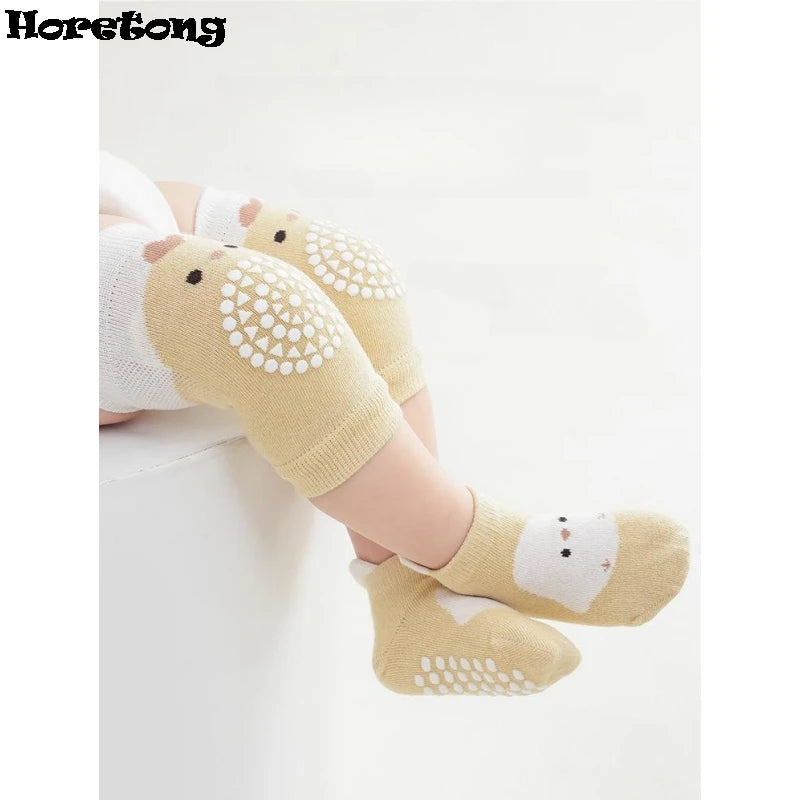
Cotton infant socks with grip for hardwood floor baby safety See it in action
Real-Life Performance on Hardwood, Tile, and Laminate
Traction can vary depending on the type of flooring. While hardwood remains the most common surface where parents notice slipping, polished tile and laminate can present similar challenges for babies learning new movements.
Hardwood floors: Grip socks help babies generate better push-off during crawling and provide more confidence while cruising along furniture.
Tile floors: Cool, smooth tiles often become slippery when worn with regular socks. Silicone grip patterns improve stability while keeping feet warm during indoor play.
Laminate flooring: Since laminate offers limited natural friction, well-fitted baby grip socks can reduce sliding during quick direction changes and early standing practice.
Scenario 1: A 9-month-old eagerly crawls toward a favorite toy across a hardwood floor. Instead of losing traction during each push-off, properly fitted grip socks provide steadier movement and fewer unexpected slips.
Scenario 2: A baby practicing cruising along a coffee table shifts weight from one foot to the other. Full-sole grip patterns help the feet stay planted while balance continues to develop.
Scenario 3: During supervised playtime on laminate flooring, a new walker takes several assisted steps. Flexible grip socks offer additional confidence without restricting natural foot motion the way indoor shoes sometimes can.
Although no sock can eliminate falls completely, consistent traction helps babies move more confidently while allowing normal motor development to continue.
Pairing With Other Safety Essentials
Grip socks work best as one part of a broader childproofing strategy. Keeping floors dry, securing rugs, padding sharp furniture corners, and providing clear play areas all contribute to safer movement during the crawling and cruising stages.
For families focused on creating a safer home environment, non slip socks complement resources available in Health & Safety , particularly for homes with open floor plans and smooth flooring throughout.
Care, Durability, and When to Replace Grip Socks
Infant non skid socks are designed for everyday wear, but proper care helps preserve both the fabric and the silicone grips that provide traction. Regular washing is expected, especially during the crawling stage, yet using the right cleaning routine can significantly extend their lifespan.
How Washing Affects Grip
Repeated exposure to high heat and harsh detergents can gradually reduce the flexibility of silicone grip patterns. Washing socks inside out on a cold, gentle cycle helps protect both the grip elements and the cotton fibers. Air drying or tumble drying on low heat further reduces unnecessary wear.
- Wash in cold water on a gentle cycle.
- Turn socks inside out before washing.
- Avoid fabric softeners, which may leave residue on grip surfaces.
- Air dry whenever possible or use a low-heat dryer setting.
Signs the Grips Are Worn Out
Even high-quality baby grip socks eventually lose effectiveness. Inspect them regularly, especially if they are worn daily on hardwood or tile floors.
- Silicone grips appear smooth or flattened.
- Grip dots begin peeling or separating from the fabric.
- The socks twist easily during crawling.
- Your baby starts slipping more frequently on surfaces where traction was previously reliable.
- The fabric becomes stretched and no longer fits securely.
Replacing worn socks before the grip pattern completely disappears helps maintain consistent traction during important mobility milestones.
Choosing the Right Baby Grip Socks
Selecting the right pair depends on your baby's stage of development, the flooring in your home, and how often the socks will be worn. Rather than focusing on appearance alone, prioritize comfort, fit, and durable grip.
Cotton vs. Bamboo vs. Wool Blends
- Cotton: Soft, breathable, and suitable for year-round indoor use.
- Bamboo blends: Naturally moisture-wicking with a silky feel that works well for sensitive skin.
- Wool blends: Ideal for colder climates but generally better suited to winter indoor use because they provide additional warmth.
Sizing and Proper Fit
Choose socks according to your baby's foot length whenever possible rather than relying solely on age recommendations. A properly fitted sock stays in place throughout crawling and cruising without leaving deep marks around the ankle.
Grip socks are particularly useful during these developmental stages:
- 6–9 months: Babies beginning to crawl on smooth flooring.
- 8–12 months: Babies pulling to stand and cruising along furniture.
- 10–18 months: Early walkers who benefit from additional indoor traction while practicing balance.
Grip Coverage and Pattern
Look for socks with evenly distributed silicone grips covering most of the sole rather than small patches near the heel. Wider coverage helps maintain traction as babies shift weight, crawl, squat, and take supported steps from different angles.
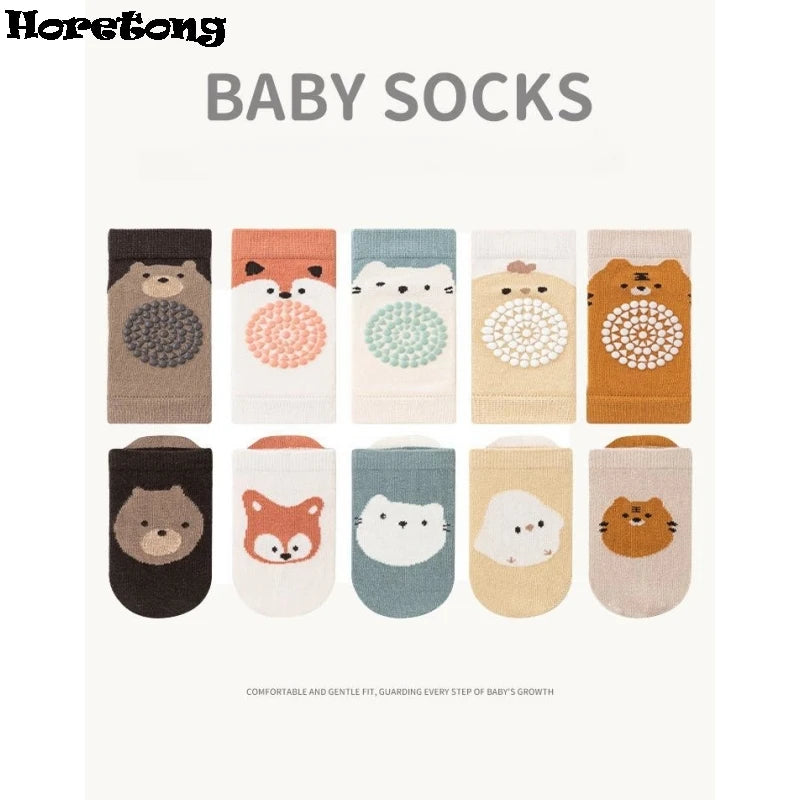
Non slip baby socks supporting confident movement See it in action
Buying Mistakes Parents Should Avoid
Even the best baby grip socks perform poorly if they are the wrong size or made from low-quality materials. Avoiding a few common mistakes can help improve comfort, traction, and durability.
- Buying oversized socks: Loose socks bunch beneath the foot, reducing grip and increasing the chance of slipping.
- Ignoring worn grip patterns: Silicone dots naturally wear over time. Replace socks once the traction noticeably declines.
- Choosing style over function: Decorative socks without full-sole grip may look appealing but often provide limited stability on hardwood or tile floors.
- Selecting rough or poorly breathable fabrics: Soft cotton or cotton-blend materials generally provide better comfort for everyday indoor wear.
- Using socks as a substitute for supervision: Non skid socks improve traction, but babies still require close supervision while crawling, cruising, and learning to walk.
Review: Infant Non Skid Socks With Knee Pad Set
This infant non skid socks and knee pad set offers a thoughtful combination of comfort and practical protection for babies who spend much of the day crawling or practicing their first supported steps. The breathable cotton construction keeps feet comfortable during extended indoor play, while the full-sole silicone grip pattern provides dependable traction on hardwood, laminate, and tile flooring.
The included knee pads add another layer of protection by cushioning active crawlers on hard surfaces. Together, the set supports natural movement without adding the bulk or stiffness associated with many indoor shoes.
Best for: Babies who are crawling, pulling to stand, cruising along furniture, or beginning to take their first assisted steps indoors.
- Soft, breathable cotton infant socks for everyday wear.
- Full-sole grip pattern designed for reliable indoor traction.
- Comfortable stretch fit that stays in place without tight elastic.
- Protective knee pads for active crawlers.
- Available as the baby knee pads socks non slip set.
Families often pair mobility products with complementary items from Sleep & Comfort to create a more comfortable indoor environment throughout the day.
Quick FAQ for Parents
Are non skid socks safe for babies?
Yes. Properly fitted non skid socks are safe for most babies who are crawling, cruising, or learning to walk indoors. They improve traction while allowing natural foot movement. Choose breathable materials and replace socks once the grip begins to wear.
Do babies need grip socks on hardwood floors?
Not always. Bare feet often provide excellent traction on clean, warm floors. However, grip socks are a practical alternative when babies need warmth, light foot protection, or must wear socks on smooth indoor surfaces.
Are grip socks better than barefoot for learning to walk?
Barefoot movement remains beneficial whenever conditions are safe. Grip socks become helpful when wearing socks is necessary because they offer better traction than standard socks while preserving flexibility.
How often should baby grip socks be replaced?
Replace them whenever the silicone grips become smooth, begin peeling, or no longer provide reliable traction. For babies who wear them daily, this may occur after several months of regular use.
Can baby grip socks be used on tile floors?
Yes. Quality baby grip socks perform well on tile, laminate, vinyl, and hardwood floors, although they should always be used on clean, dry surfaces for the best traction.
What materials are best for baby grip socks?
Breathable cotton blends are the most popular choice because they combine softness, moisture control, stretch, and durability. Bamboo blends are another good option for babies with sensitive skin.
Do silicone grips wear out after washing?
Over time, yes. Proper care—including washing in cold water, avoiding fabric softener, and air drying when possible—helps extend the life of the grip pattern.
Related Guide: Best Non Slip Baby Socks Compared for Safer Crawling





