

Infant Safe Toys: How to Choose Safe Toys by Age
Infant Safe Toys: Complete Safety Guide, Materials, and Age-Based Picks (2026)
Choosing safe toys for infants isn’t about picking the most popular product—it’s about understanding safety, materials, and your baby’s developmental stage. This guide replaces guesswork with clear safety criteria, practical checklists, and age-based recommendations to help you confidently choose toys that support healthy development without unnecessary risks.
⏱ 6 min read
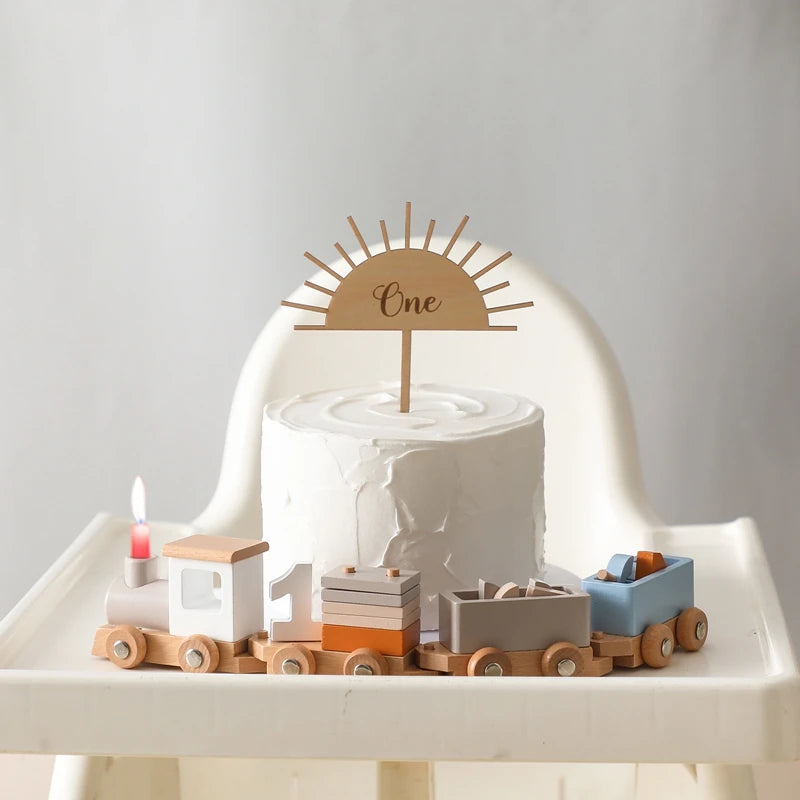
safe toys for infants designed for early development and safety awareness
What Makes a Toy Safe for Infants?
Age-Appropriate Design
Infant safe toys are designed specifically for a baby’s developmental stage. Newborns and infants explore primarily through touch and mouthing, so toys must be large enough to prevent swallowing, simple enough to avoid confusion, and safe for sensory exploration.
Secure Construction and Non-Toxic Materials
Safe toys for infants should have:
- Firm construction with no loose or detachable parts
- Rounded edges with no sharp points
- Non-toxic finishes and BPA-free materials
- Sealed seams and secure stitching
Always distinguish between toys meant for independent play and those that require supervision. Even the safest toy design does not eliminate the need for active monitoring.
Infant Toy Safety Checklist
Check for Choking Hazards and Loose Parts
- Avoid toys with small detachable components
- Ensure parts cannot fit entirely in a baby’s mouth
- Test durability by gently pulling on attachments
Inspect Batteries, Magnets, Cords, and Sharp Edges
- Battery compartments must be screwed shut
- Avoid toys with strong magnets
- No cords, loops, or strings longer than recommended limits
- Edges should be smooth and rounded
Check for Breakage, Toxic Materials, and Recalls
- Avoid cracked plastic or splintered wood
- Look for labels indicating non-toxic finishes
- Check product recall databases before purchase
Best Infant Toys by Age: 0–12 Months
0–3 Months: High-Contrast and Easy-to-Grasp Toys
At this stage, babies benefit from simple visual and tactile stimulation:
- Black-and-white contrast cards
- Soft rattles with easy grip
- Lightweight fabric toys
3–6 Months: Tummy-Time and Sensory Toys
- Soft mirrors and textured mats
- Teething toys made from safe silicone
- Crinkle fabric toys
6–9 Months: Grasping, Reaching, and Cause-and-Effect Toys
- Stacking rings
- Soft blocks
- Simple cause-and-effect toys
9–12 Months: Interactive and Early Problem-Solving Toys
- Shape sorters (large pieces only)
- Push-and-pull toys
- Simple building toys
As babies grow, their safety needs change. Always reassess toys regularly based on new abilities like crawling, pulling, or chewing.
Which Materials Are Safe for Infant Toys?
Plastic and Silicone Toys
Choose BPA-free, phthalate-free plastics. Silicone is often safer for teething because it is durable, flexible, and easy to clean.
Wooden and Painted Toys
Wooden toys can be safe if they use:
- Non-toxic paints and finishes
- Smooth sanding with no splinters
- Strong construction without cracking
Fabric and Plush Toys
Look for machine-washable fabrics with reinforced stitching. Avoid toys with loose fibers or poorly attached decorations.
Infant Toys to Avoid
Small Parts and Choking Hazards
Any toy with small detachable pieces poses a choking risk. This includes beads, buttons, and removable eyes.
Button Batteries and Strong Magnets
These can cause serious internal injury if swallowed. Avoid toys that use exposed or easily accessible batteries.
Long Cords, Loops, Sharp Edges, and Breakable Toys
- Cords can create strangulation hazards
- Sharp edges can cause injury
- Fragile toys can break into dangerous pieces
Age labels help guide purchases but should never replace supervision.
How to Inspect, Clean, and Store Baby Safe Toys
Inspect Toys Before Each Use
Check for cracks, loose parts, or damaged surfaces before giving toys to your baby.
Clean Toys According to Their Material
- Silicone and plastic: warm water and mild soap
- Fabric: machine wash when possible
- Wood: wipe clean, avoid soaking
Replace Damaged or Worn Toys
Discard toys that show signs of wear, mold, or structural damage. Safe storage in clean, dry areas helps prevent contamination.
Recalls, Safety Standards, and Toy Labels
How to Check for Toy Recalls
Always verify products through official recall databases and manufacturer announcements. This ensures you avoid items with known safety risks.
How to Read Age and Safety Labels
Labels provide important guidance on:
- Recommended age range
- Material safety certifications
- Usage warnings
Choose toys from reputable brands with transparent safety standards.
Safe Toy Use and Supervision
Toys for Supervised Play
Even the safest toys require adult supervision, especially during early developmental stages when babies explore by mouthing objects.
Keep Toys Out of the Infant Sleep Environment
Toys should never be placed in cribs during sleep, as they can increase the risk of suffocation or entrapment.
How to Choose Infant Safe Toys Before Buying
Use the Age Rating and Safety Warnings
Always check the manufacturer’s age recommendation and safety notes before purchasing.
Check Construction, Materials, and Cleanability
Choose toys that are:
- Durable and well-constructed
- Made from non-toxic materials
- Easy to clean and maintain
Match the Toy to the Infant's Developmental Stage
A toy should support your baby’s current abilities—not overwhelm or under-stimulate them.
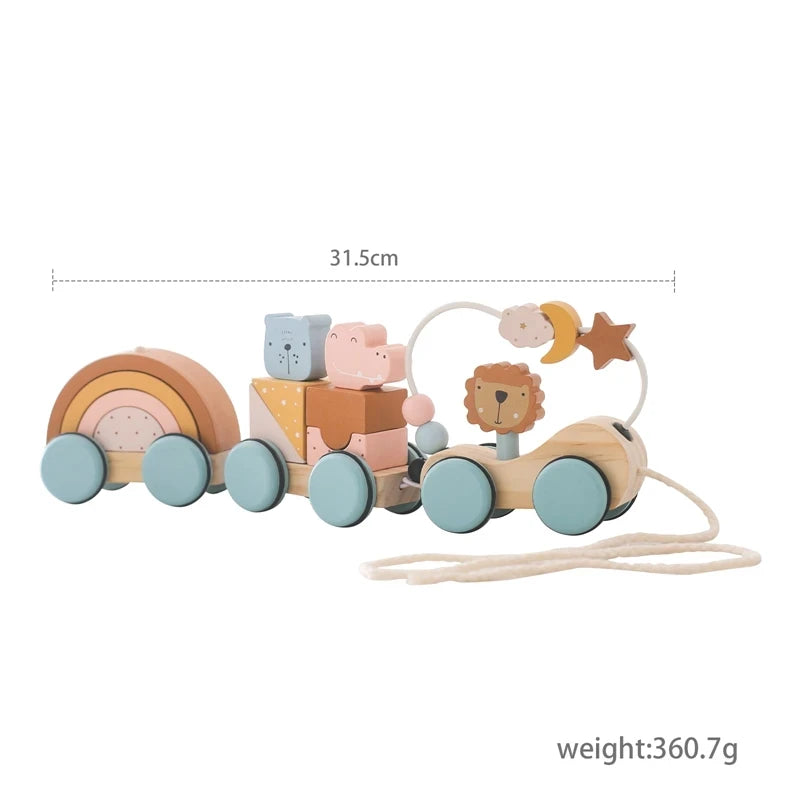
non toxic infant toys and safe materials for early development
FAQ
What toys are safe for newborns?
Safe toys for newborns include soft rattles, high-contrast visual cards, and lightweight fabric toys with no small parts.
What toys are choking hazards for infants?
Any toy with small detachable components, loose parts, or pieces small enough to fit entirely in a baby’s mouth is a choking hazard.
How do I know if a baby toy is safe?
Check for age labeling, non-toxic materials, secure construction, and absence of small parts. Also verify that the toy has not been recalled.
Are Montessori toys safe for infants?
Montessori toys can be safe if they follow infant safety standards—large pieces, non-toxic materials, and age-appropriate design.
What materials are best for non-toxic infant toys?
Silicone, untreated or safely finished wood, and BPA-free plastics are among the safest materials for infant toys.
Pillar Article: educational toys for 2 year olds: Real Parent Reviews & Best Picks Compared
Other Related Articles:
Explore More:





