

Educational Toys for 3 Year Olds Worth Buying for Real Learning
educational toys for 3 year olds: Best vs Worst Value Toys Reviewed
Do educational toys for 3 year olds really help kids learn?
Yes. The best educational toys for 3 year olds help preschoolers develop important early skills through hands-on exploration rather than passive entertainment. At this age, children rapidly build language, early math concepts, problem-solving abilities, fine motor coordination, creativity, and social confidence. Toys that encourage open-ended play give children repeated opportunities to practice these skills naturally while having fun.
Finding educational toys for three year olds isn't always easy. Many products advertise learning benefits, yet some lose a child's interest after only a few uses. Others continue to engage preschoolers for months by encouraging building, sorting, storytelling, pretend play, and creative thinking. This guide explains what makes educational toys for age 3 worth buying, how play supports healthy development, and why simple, versatile toys often deliver better long-term value than flashy alternatives.
Rather than expecting any single toy to make a child "learn faster," think of educational toys as tools that create opportunities for practice. Regular interaction with age-appropriate toys, combined with conversations and shared play with caregivers, helps reinforce new concepts in a relaxed and enjoyable way.
⏱ 7 min read
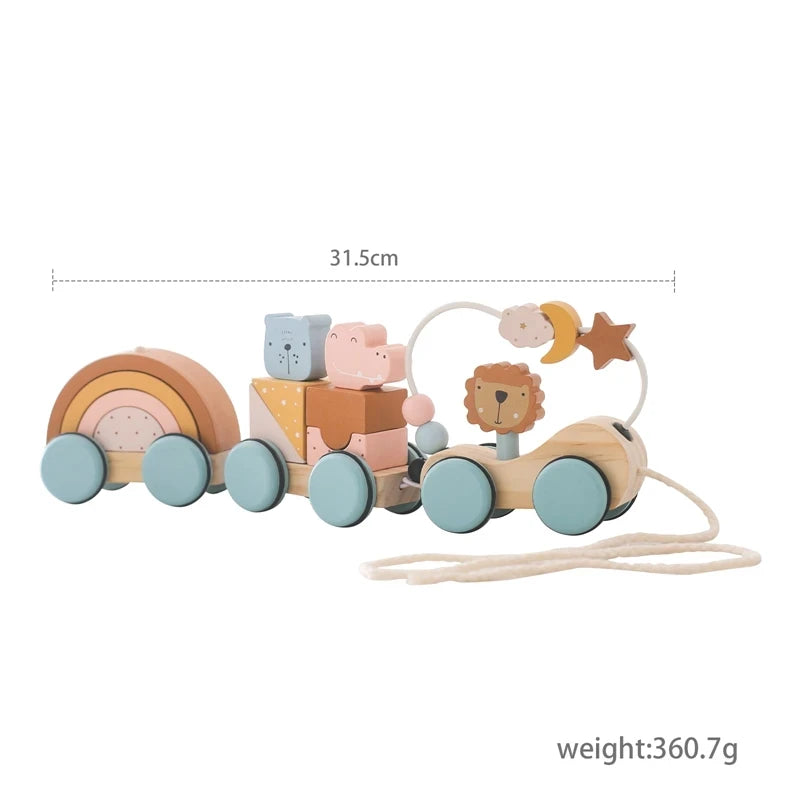
Educational toys for 3 year olds that encourage creativity, early math, and imaginative play.
Explore hands-on options like the wooden train toy for kids that encourage counting, creativity, and independent play.
Why Some Educational Toys Work Better Than Others
Not every toy labeled "educational" provides the same developmental benefits. The biggest difference is how actively a child participates. Learning toys for 3 year olds are most effective when they invite children to explore, experiment, solve problems, and create their own play experiences instead of simply pressing buttons or watching lights flash.
High-value educational toys typically:
- Encourage open-ended play with many ways to use the toy
- Support repetition, experimentation, and independent discovery
- Adapt to growing abilities as children become more confident
- Develop multiple skills such as language, counting, fine motor control, creativity, and problem solving
- Promote parent-child interaction through conversation and shared play
What to look for when choosing learning toys
- Age-appropriate challenges that build confidence without causing frustration
- Durable materials that can handle frequent everyday play
- Simple designs that encourage imagination rather than scripted activities
- Opportunities to combine the toy with other learning activities at home
Parents often notice that preschoolers repeatedly return to timeless toys such as wooden trains, building blocks, puzzles, and pretend play sets because these toys offer something new every time they play. That repeated engagement helps reinforce important developmental skills over months and even years.
Explore more development-focused options in Baby Growth & Learning designed to support early preschool skills.
Real-Life Scenarios Where Low Light Features Matter Most
Nighttime security challenges vary from one property to another, but dependable low-light performance consistently makes the biggest difference when important events happen outside normal daylight hours. A camera that produces sharp, balanced images can help homeowners verify alerts quickly instead of trying to interpret grainy footage.
- Front entrances: Clearly identify visitors, package deliveries, or unfamiliar individuals approaching your door without relying on bright exterior lighting.
- Driveways and garages: Capture vehicles entering or leaving the property, helping preserve identifying details during nighttime activity.
- Backyards and side gates: Monitor fences, sheds, patios, and other low-light areas where intruders often remain partially hidden.
- Indoor hallways and living spaces: Observe movement quietly while family members sleep, using infrared illumination that does not disturb occupants.
Families often pair cameras with broader safety solutions from Health & Safety collections to support peace of mind across the home.
Choosing a Video Surveillance System for Home That Fits You
The best video surveillance system for home use depends on your property's layout, available lighting, installation location, and monitoring goals. Rather than choosing the highest resolution alone, prioritize reliable low-light performance, dependable night vision, and features that match your environment.
- Evaluate your lighting conditions. Identify entrances, driveways, pathways, and other areas that become especially dark after sunset.
- Select cameras based on location. Indoor cameras often prioritize quiet infrared operation, while outdoor models should offer weather resistance and longer IR range.
- Compare night vision capabilities. Look for larger sensors, adaptive infrared illumination, wide-aperture lenses, and intelligent image processing instead of megapixel count alone.
- Consider installation and connectivity. Choose a system that integrates easily with your existing Wi-Fi network or wired infrastructure while providing reliable remote access.
Many homeowners appreciate systems like the Tuya 8MP WiFi IP Camera for combining high-resolution recording with strong low-light performance, making nighttime monitoring more dependable without adding unnecessary complexity.
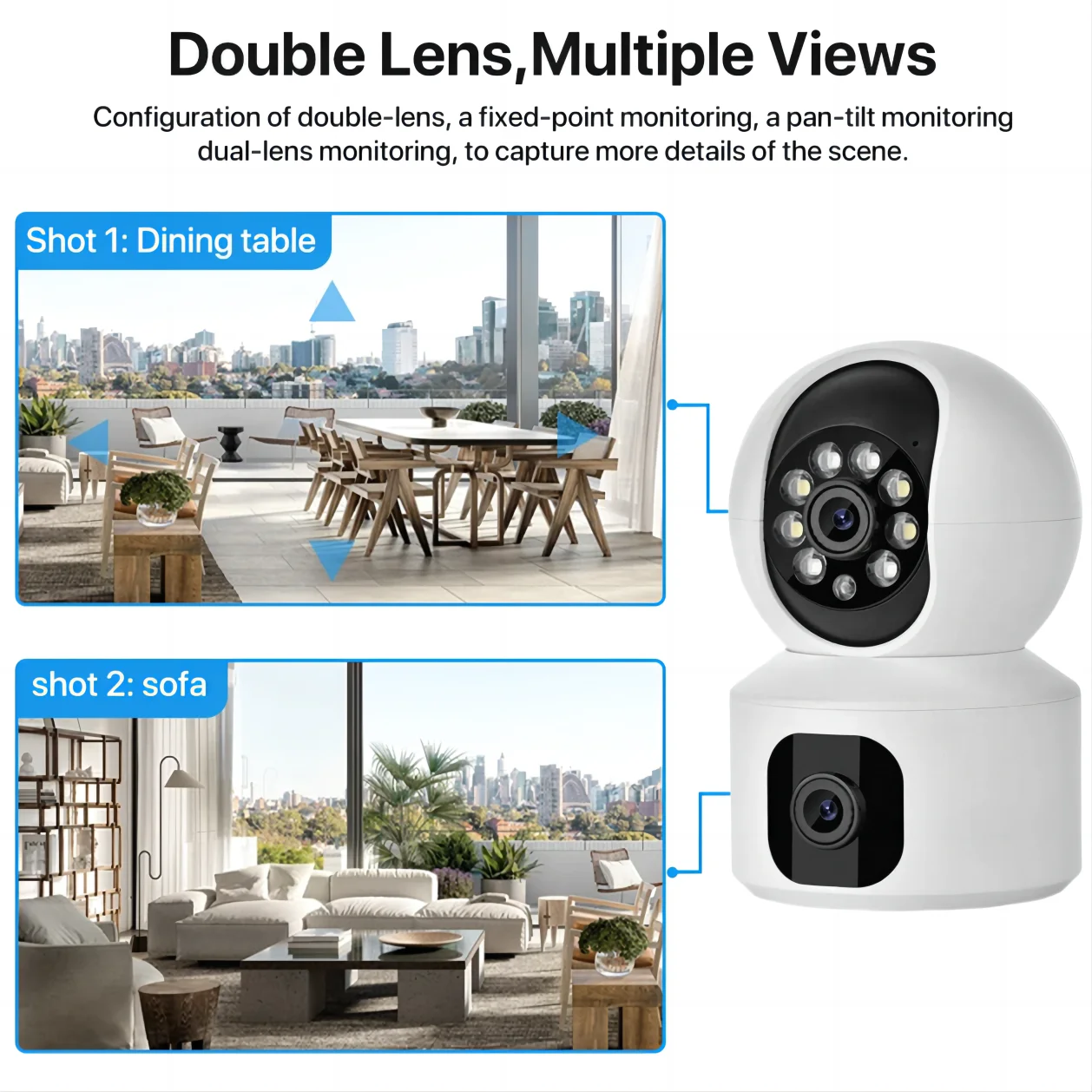
A reliable video surveillance system for home reduces low-light worries. See it in action.
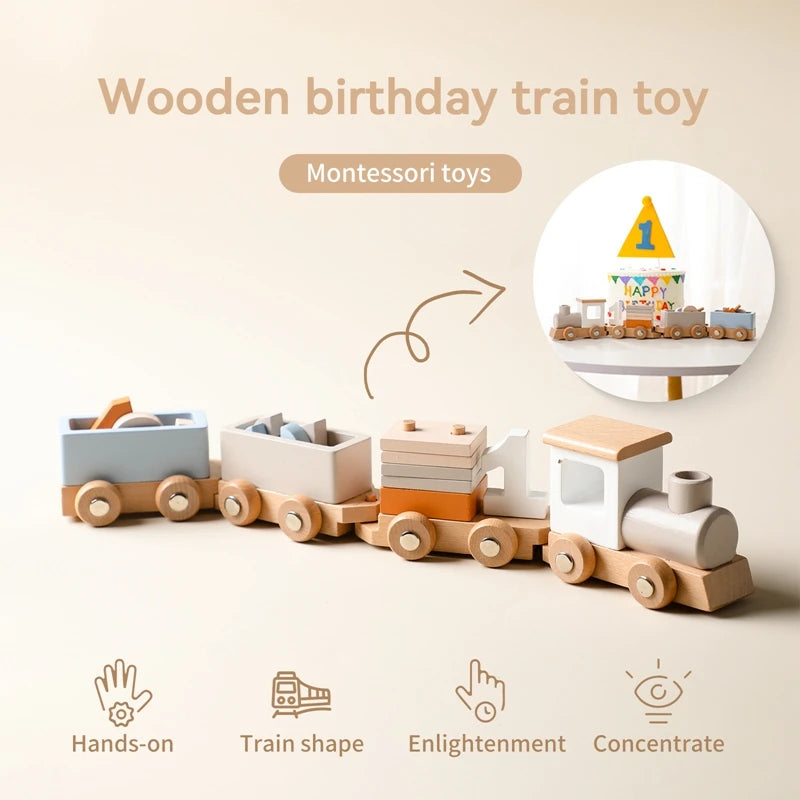
Educational toys that encourage counting, creative thinking, and hands-on preschool learning.
The wooden train toy for kids combines counting, creativity, and storytelling in one simple toy that grows with your child's abilities.
Simple Learning Activities to Maximize Educational Toys
Even the best educational toys for 3 year olds become more valuable when parents join in the play. Short, engaging activities help reinforce early math, language, creativity, and fine motor skills without making learning feel like a lesson.
Counting Games
- Count train cars, blocks, or puzzle pieces together.
- Sort objects into groups and compare which group has more or fewer items.
- Create simple number challenges such as building towers with a specific number of blocks.
- Practice counting forward and backward during cleanup.
Language-Building Play
- Ask children to describe what they are building.
- Introduce new vocabulary while playing.
- Encourage storytelling with toys and characters.
- Practice taking turns during conversations.
Pretend Play Ideas
- Create a train station with passengers and destinations.
- Pretend to run a grocery store using toy foods and blocks.
- Assign different roles to family members during imaginative play.
- Invent simple adventures that encourage problem solving.
Fine Motor Challenges
- Stack blocks into increasingly taller towers.
- Sort pieces by color, shape, or size.
- Connect train tracks in different layouts.
- Practice picking up small objects with child-safe tongs or fingers.
Simple routines like these encourage repeated practice while keeping children engaged. Many preschoolers naturally revisit favorite activities when toys offer multiple ways to play and explore.
How to Choose Educational Toys Based on Your Child's Interests
The best educational toys for 3 year olds are the ones your child wants to play with repeatedly. Matching toys to your preschooler's personality helps maintain engagement while supporting healthy cognitive, physical, and social development.
For Active Children
- Choose construction toys that encourage movement and hands-on exploration.
- Look for toys that involve building, transporting, or organizing objects.
- Select activities that combine physical play with simple problem solving.
For Creative Children
- Offer open-ended toys with multiple ways to play.
- Encourage storytelling through pretend play.
- Include art supplies, blocks, and imaginative play sets.
For Curious Problem Solvers
- Select age-appropriate puzzles and sorting activities.
- Choose toys that allow experimentation rather than one correct answer.
- Look for learning experiences that gradually become more challenging.
For Early Readers and Language Learners
- Combine books with alphabet puzzles and storytelling games.
- Encourage conversation during play instead of simply identifying objects.
- Choose toys that introduce new words naturally through everyday activities.
Toy Safety and Buying Considerations
- Choose toys designed for children aged 3 years and older.
- Check for sturdy construction and durable, child-safe materials.
- Avoid products with loose small parts that may present a choking hazard.
- Select toys that are easy to clean after regular use.
- Prioritize quality and long-term play value over the number of included features.
Explore helpful options in Baby Growth & Learning for more preschool development ideas.
Why Open-Ended Educational Toys Offer Long-Term Value
Open-ended educational toys continue to challenge children as their abilities grow. Instead of following a single scripted activity, preschoolers can build, imagine, experiment, and solve problems in different ways every time they play. This flexibility helps maintain interest while supporting multiple areas of development.
- Encourage independent thinking and decision-making
- Support creative and imaginative play
- Strengthen problem-solving and critical thinking skills
- Reduce reliance on passive screen-based entertainment
- Adapt to new developmental milestones over several years
Many families find that versatile toys such as the wooden train toy for kids remain favorites because children can expand their play with new track layouts, stories, and building challenges as they grow.
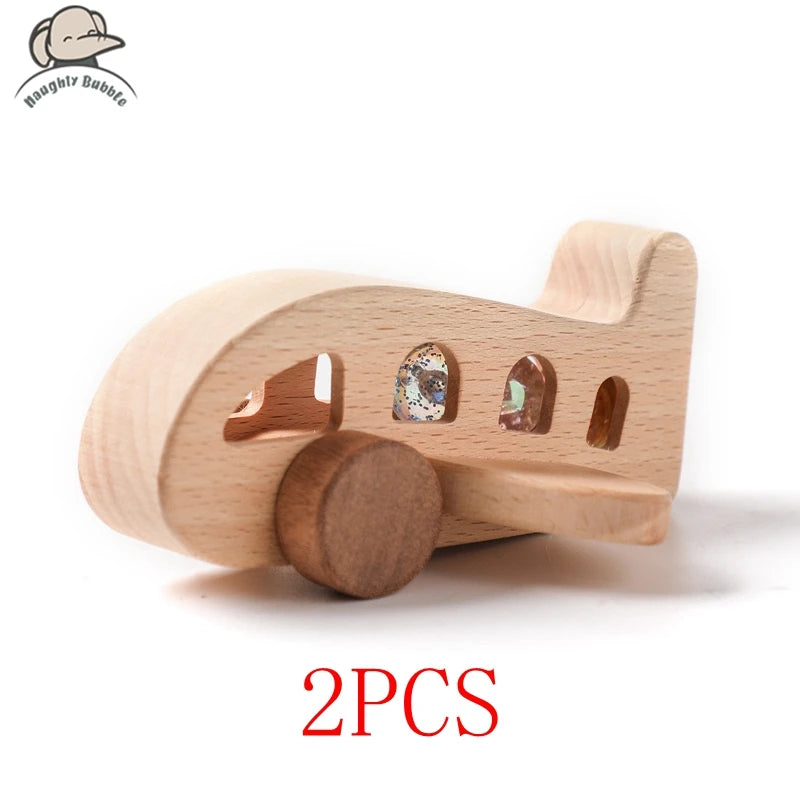
Open-ended educational toys encourage creativity, confidence, and independent learning through everyday play.
Help your preschooler build creativity, problem-solving skills, and confidence through everyday play with the wooden train toy for kids .
Frequently Asked Questions
What are the best educational toys for 3 year olds?
The best educational toys for 3 year olds encourage open-ended play while developing multiple skills. Building blocks, wooden train sets, sorting games, pretend play toys, puzzles, and Montessori-inspired materials all support creativity, language development, fine motor skills, and early problem solving.
What skills should a 3 year old be developing?
Most preschoolers are developing communication, early counting, shape and color recognition, fine motor coordination, social interaction, imaginative play, and basic problem-solving abilities. Educational toys should provide opportunities to practice these skills through enjoyable, hands-on activities.
Are electronic learning toys good for preschoolers?
Electronic learning toys can be helpful when they encourage active participation and problem solving. However, toys that rely mainly on repetitive sounds, lights, or button pressing generally offer fewer developmental benefits than open-ended learning experiences.
How many educational toys should a 3 year old have?
A smaller collection of high-quality toys often provides greater long-term value than a large number of single-purpose toys. Rotating a few engaging toys can also keep playtime fresh while reducing clutter.
What educational toys are best for a 3 year old boy?
The best educational toys for a 3 year old boy depend on individual interests rather than gender. Construction toys, train sets, puzzles, pretend play toys, art supplies, and sorting activities all encourage valuable developmental skills for any child.
Are Montessori toys better than traditional toys?
Montessori-inspired toys emphasize simple, hands-on learning and independent exploration, while many traditional toys encourage imaginative storytelling and cooperative play. Both approaches can be beneficial when the toys are age-appropriate, durable, and encourage active engagement.
Pillar Article: educational toys for 4 year olds: Montessori vs Traditional Best Picks
Other Related Articles:
- educational toys for 6 year olds: Top Picks vs Real Learning Impact
- great toys for 2 year olds: Top Picks Compared for Learning Value
- learning toys for 5 year olds: Best Educational Toy Comparison Guide
- toys for fine motor skills: Best Development Toys Compared 2026
Explore More:





