

How to Store an Inflatable Pool Without Mold or Damage
How to Store an Inflatable Pool: Step-by-Step Overview
Learning how to store an inflatable pool properly helps prevent mold, mildew, bad odors, vinyl damage, and unnecessary replacements. The best inflatable pool storage guide starts with six simple steps: drain completely, clean the surface, dry every seam, deflate safely, fold carefully, and pack it in a cool, dry location.
Whether you own a small kiddie pool, a portable backyard pool, or cheap inflatable swimming pools designed for seasonal use, proper storage can help protect the material and make setup easier next summer.
Inflatable Pool Storage Guide to Save Space and Avoid Mold
This inflatable pool storage guide explains how to store an inflatable pool safely while protecting against mold, cracks, leaks, and wasted storage space. From drying hidden seams to choosing the right storage location, these practical steps help families keep their portable backyard pool ready for future summers. A few extra minutes of care now can prevent frustrating repairs later—are you storing your pool the right way?
⏱ 9 min read
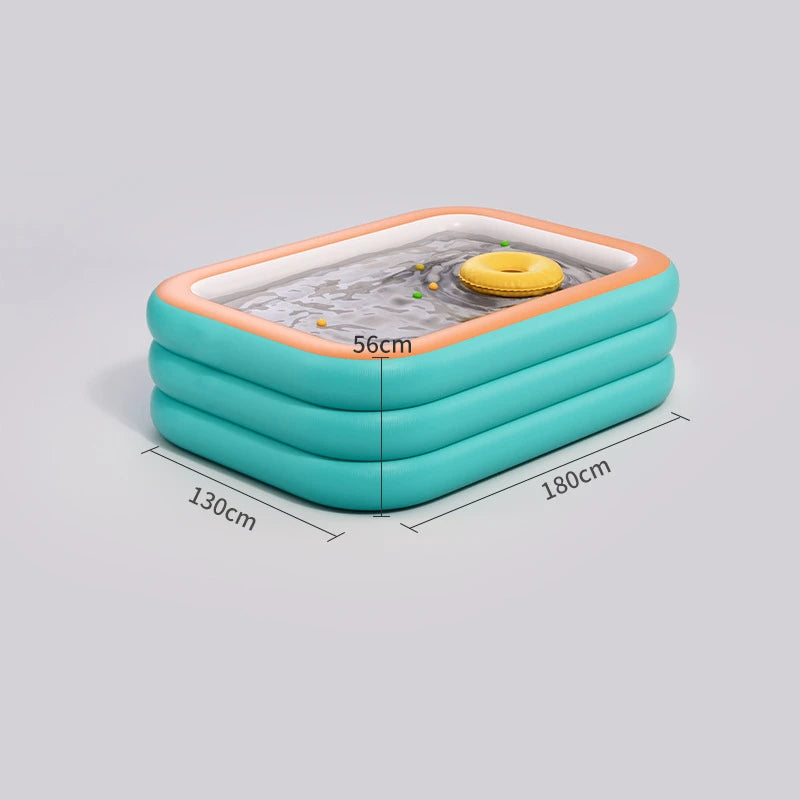
Inflatable pool storage guide basics for portable backyard pool care
How to Store an Inflatable Pool: Step-by-Step Overview
To store an inflatable pool correctly, follow a simple workflow that protects the material from moisture, pressure damage, and temperature changes.
- Drain all water: Remove standing water and check corners, seams, and air chambers for trapped moisture.
- Clean the pool: Wash away sunscreen, dirt, grass, and residue that can encourage mold growth.
- Dry completely: Allow every surface and seam to dry before folding.
- Deflate carefully: Remove air slowly to reduce stress on valves and seams.
- Fold loosely: Avoid sharp creases that may weaken vinyl over time.
- Store properly: Keep the pool in a cool, dry, protected area away from sunlight and pests.
This inflatable pool storage guide works because each step solves a common problem. Drying prevents mildew, careful folding protects vinyl, and proper storage conditions reduce cracking and leaks.
Why Proper Inflatable Pool Storage Matters for Families
An inflatable pool creates easy summer fun for families, but how it is stored between seasons has a major impact on how long it lasts. Poor inflatable pool storage can lead to mold, unpleasant smells, sticky vinyl, and weakened seams.
Families who store inflatable pools correctly can reduce replacement costs and avoid discovering damage when warm weather returns. Proper storage also helps maintain a cleaner play environment for children.
- Reduces mold and mildew buildup
- Helps prevent vinyl cracking and leaks
- Extends the lifespan of seasonal pools
- Makes next-season setup faster
- Protects your investment in backyard equipment
Common Inflatable Pool Storage Mistakes to Avoid
Many inflatable pool problems happen during storage rather than normal use. Avoid these common mistakes when you deflate and store inflatable pool equipment.
- Storing while damp: Hidden moisture inside folds can create mold and musty odors.
- Folding too tightly: Sharp creases can weaken vinyl and stress seams.
- Using hot storage areas: Extreme temperatures can damage pool materials.
- Ignoring small damage: Tiny leaks or weak valves may become bigger problems next season.
- Using airtight storage without drying: Trapped humidity creates the perfect environment for mildew.
Step-by-Step Inflatable Pool Storage Guide
This inflatable pool storage guide provides a complete process for preparing a portable backyard pool for long-term storage.
Step 1: Drain the Pool Completely
Start by removing all water from the pool. Pay attention to corners, seams, and areas around drain valves where water can collect.
Leaving even small amounts of water behind increases the chance of mold and unpleasant odors during storage.
Step 2: Clean the Vinyl Surface
Before storing, clean away sunscreen, dirt, grass, and other residue. These materials can trap moisture and create buildup over time.
Use mild soap and warm water with a soft cloth or sponge. Avoid harsh cleaners because they may weaken inflatable materials.
This cleaning step supports safer family use and follows the same organized care approach found in Health & Safety routines.
Step 3: Dry the Pool Thoroughly
Drying is the most important part of inflatable pool storage. Moisture trapped inside folds or seams can cause mold during long-term storage.
- Place the pool in a sunny, ventilated area
- Flip the pool to expose both sides
- Dry around valves, seams, and corners
- Use a soft towel for remaining moisture
- Allow extra drying time in humid weather
Step 4: Deflate the Pool Safely
Deflate the pool slowly instead of forcing air out quickly. Gentle deflation reduces stress on valves and seams.
Make sure all air chambers are completely empty before folding to save space.
Step 5: Fold the Pool by Size and Shape
Different inflatable pools require different folding methods. Avoid repeatedly folding along the same sharp lines because this can weaken vinyl.
- Fold larger pools into wide sections first
- Keep valves protected from pressure
- Avoid compressing the pool under heavy items
- Leave some flexibility instead of creating tight folds
Step 6: Pack and Label for Storage
Place the folded pool in a breathable storage bag or container. Label the package with pool accessories so setup is easier next season.
Store pumps, repair patches, and accessories separately to prevent scratches or misplaced parts.
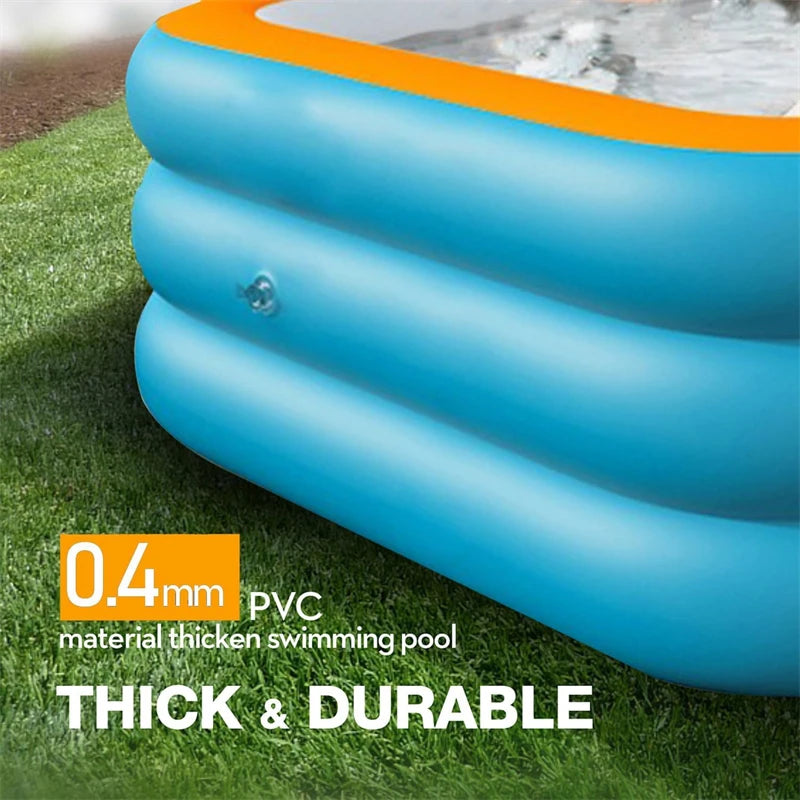
Inflatable pool storage tips for cheap inflatable swimming pools
Where to Store an Inflatable Pool
The best inflatable pool storage location is cool, dry, shaded, and protected from moisture. Choosing the right place helps prevent mold, pests, and material damage.
Garage
A garage can work well if temperatures remain stable and the pool is kept away from chemicals, sharp tools, and direct sunlight.
Basement
A basement is suitable only if humidity is controlled. Damp basements can create mold problems even when the pool is clean.
Shed
A shed provides protection from outdoor weather, but it should have ventilation and protection from rodents or insects.
Indoor Closet
An indoor closet can be a good option for smaller pools as long as there is enough airflow and no nearby heat source.
For winter storage, keep the pool elevated from cold floors and avoid areas with extreme temperature changes.
Space-Saving Storage Tips for Small Homes
Not every family has extra garage space. These inflatable pool storage tips can help organize small homes, apartments, and compact storage areas.
Storage Bags and Bins
- Use breathable bags instead of trapping moisture in sealed containers
- Store accessories in labeled containers
- Keep the pool upright or vertical when possible
- Avoid placing heavy items on top
Compact organization methods are similar to storage habits used for Baby Care Essentials—clean, accessible, and protected until needed.
Where NOT to Store an Inflatable Pool
- Hot attics with large temperature swings
- Damp basements with poor ventilation
- Outdoor areas exposed to rain or sunlight
- Locations accessible to rodents or pests
How Storage Differs by Inflatable Pool Type
Small Kiddie Pools
Small pools are easier to store but still require complete drying. Focus on cleaning folds and protecting thinner vinyl from sharp creases.
Large Family Pools
Larger pools often use thicker materials and require more drying space. Fold gradually and avoid forcing the material into a small package.
Portable Backyard Pools
A portable backyard pool used frequently during summer should be cleaned and inspected carefully before storage. Keep pumps, covers, and accessories organized together for easier setup.
Even cheap inflatable swimming pools can last multiple seasons when they receive proper care.
Off-Season Care That Extends Pool Life
Seasonal care does not end after folding the pool. A quick inspection before storage and before reuse can prevent unexpected problems.
Inspect Before Next Season
- Check seams for signs of stress
- Inspect valves for damage
- Look for small leaks or weak areas
- Clean dust or debris before reinflation
Repair Small Leaks Before Reuse
Small repairs are easier to handle before the pool is filled again. Follow manufacturer instructions for patching vinyl damage and allow repairs to fully set before use.
Families who follow a consistent inflatable pool storage guide often experience fewer leaks and smoother summer setup.
If you are replacing an old pool or upgrading your setup, choosing a durable option like an inflatable swimming pool designed for family use can simplify future storage.
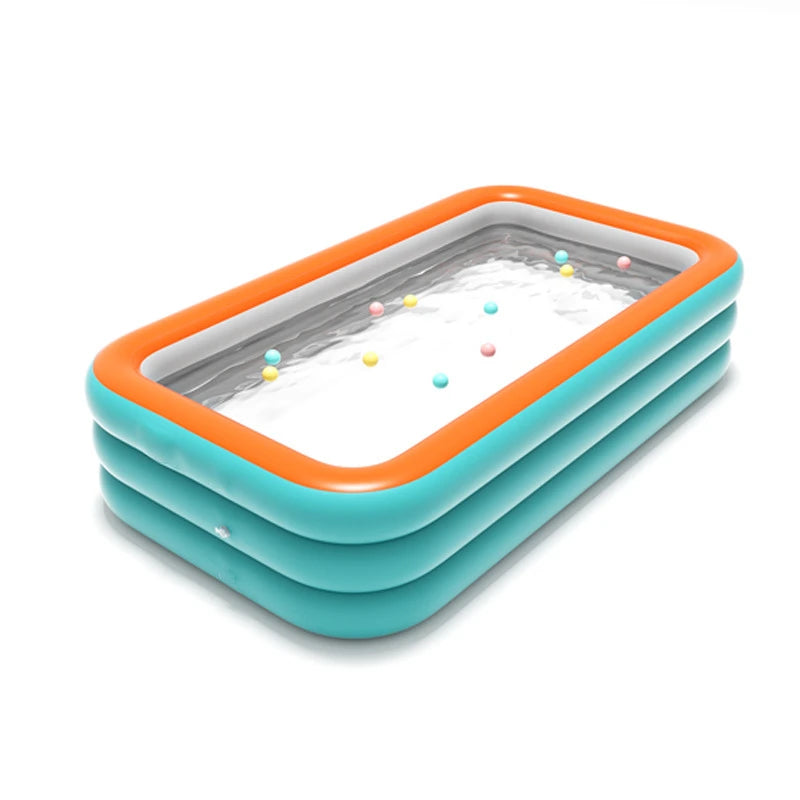
Portable backyard pool storage made simple
Quick Inflatable Pool Storage FAQ
How do you store an inflatable pool for winter?
Drain, clean, dry completely, deflate, fold loosely, and store the pool in a cool, dry indoor or protected area away from sunlight and moisture.
How long should an inflatable pool dry before storage?
An inflatable pool should dry completely before storage. Depending on humidity and weather, this may take 12 to 24 hours or longer.
Can you store an inflatable pool outside?
Outdoor storage is not recommended unless the pool is fully protected from rain, sunlight, pests, and temperature changes. Indoor storage is usually safer.
Should you fold or roll an inflatable pool?
Folding is generally better because it allows controlled storage. Avoid tight rolling that creates pressure points or sharp bends.
What is the best container for inflatable pool storage?
A breathable storage bag is usually best because it protects the pool while allowing airflow. Avoid sealed containers unless the pool is completely dry.
How do you remove mold before storing an inflatable pool?
Clean the affected area with mild soap and water, dry the pool completely, and avoid storing it again until all moisture is gone.
Can cheap inflatable swimming pools be reused every summer?
Yes. Proper inflatable pool storage, careful cleaning, and leak prevention can help budget-friendly pools last for multiple seasons.
Should pool accessories be stored separately?
Yes. Store pumps, repair kits, and accessories separately in labeled containers to keep them organized and prevent damage.
Related Guide: How to Inflate a Pool the Right Way for Fast Setup





