

What Are Interactive Baby Toys and Why Do Babies Love Them?
Do interactive play toys really keep babies engaged safely?
Answer: Yes, interactive play toys can keep babies engaged safely when they match a child’s age, use baby-safe materials, and encourage simple cause-and-effect learning. The best interactive baby toys combine gentle sounds, textures, movement, and hands-on discovery while avoiding overstimulation, helping infants explore and learn through everyday play.
Interactive Play Toys Review: Which Keep Babies Engaged Safely
⏱ 6 min read
Interactive play toys can do far more than keep little hands busy—they can support early learning, sensory exploration, and emotional development. This guide explains what makes interactive baby toys effective, why interactive toys for 6 month old babies are popular, and how parents can choose safe infant toys that encourage curiosity without overwhelming young children.
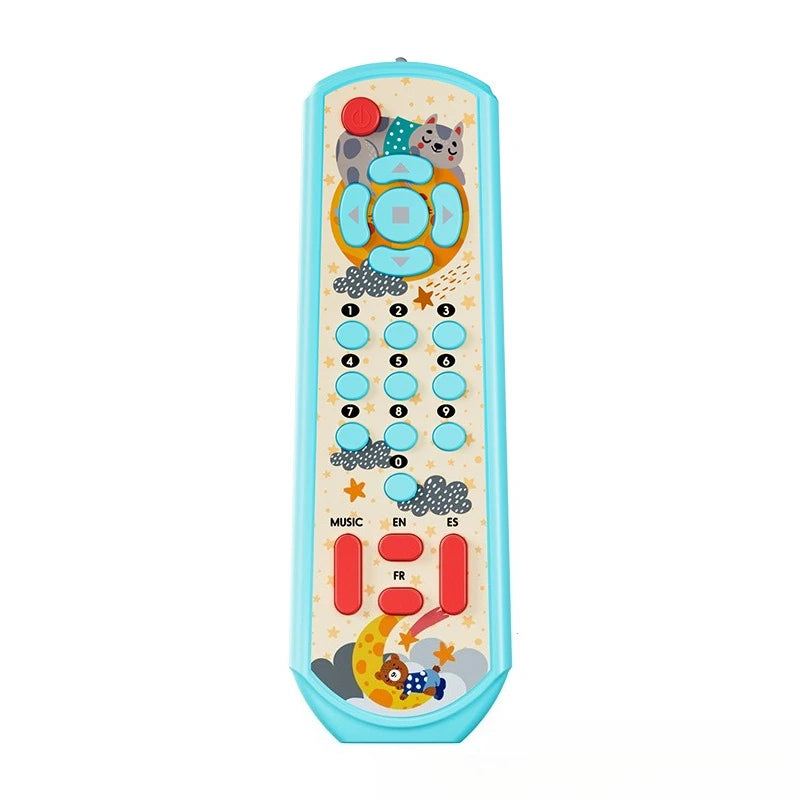
Interactive play toys for everyday discovery See it in action
What Are Interactive Baby Toys?
Interactive baby toys are designed to respond when babies touch, shake, press, move, or explore them. Unlike simple passive toys that mainly provide an object to hold or look at, interactive toys create feedback through sounds, textures, lights, movement, or changes that encourage babies to continue exploring.
What makes a toy interactive?
A toy becomes interactive when a baby’s action creates a noticeable response. For example, pressing a button may trigger a sound, squeezing a soft toy may reveal a texture, or moving a toy may activate gentle motion. This connection between action and response helps babies understand cause and effect.
Interactive vs passive toys
| Toy Type | How Babies Use It | Learning Opportunity |
|---|---|---|
| Interactive toys | Baby touches, presses, shakes, or moves the toy to create a response | Cause-and-effect, problem solving, sensory discovery |
| Passive toys | Baby observes, holds, or explores the object without a direct response | Imagination, grasping, visual exploration |
Common interactive features
- Buttons, switches, or movable parts designed for small hands
- Soft textures and sensory materials
- Gentle sounds or music
- Safe mirrors, colors, and visual patterns
- Simple movement or reaction features
How Do Interactive Toys Benefit a Baby's Early Learning?
Interactive baby toys benefits go beyond entertainment. When babies repeatedly explore a toy and receive a response, they practice important developmental skills through play. These experiences support curiosity, coordination, communication, and confidence.
Cognitive development
Interactive toys help babies learn that their actions create results. Pressing a button and hearing a sound teaches early problem-solving skills and encourages babies to experiment with different movements.
Sensory exploration
Textures, colors, sounds, and movement allow babies to safely explore the world around them. Sensory play helps infants understand differences in touch, sight, and hearing while building awareness.
Motor skill development
Reaching, grasping, pushing, and turning toy parts support fine and gross motor development. Toys with easy-to-hold designs encourage hand control and coordination.
Language and social interaction
Caregiver involvement makes interactive toys even more valuable. Parents can name colors, describe actions, repeat sounds, and encourage responses, helping build early communication skills.
Parents can explore more age-based activities through Baby Growth & Learning and discover additional sensory ideas in Sensory Toys .
Why Interactive Toys Matter at 6 Months
At around six months, babies become more curious and active. They begin reaching for objects, transferring toys between hands, making repeated movements, and enjoying predictable responses. This makes interactive toys for 6 month old babies a useful choice for supporting early exploration.
Can a 6 month old play with toys?
Yes. A 6 month old can play with toys that are designed for their developmental stage. At this age, babies usually enjoy toys that are easy to grip, safe to mouth, and provide simple reactions when touched or moved.
6 month old playing with toys
Common play behaviors include shaking toys to hear sounds, pressing large buttons, touching different textures, and repeating actions that create interesting results. These repeated experiences help strengthen attention and coordination.
Developmental milestones
- Improved hand-eye coordination
- More controlled reaching and grasping
- Increased interest in cause-and-effect activities
- Growing curiosity about sounds, movement, and textures
Types of Interactive Baby Toys by Age
0–3 months
Young newborns benefit from simple interactive toys that focus on visual and sensory stimulation. Soft rattles, high-contrast toys, and gentle textured items can encourage early attention.
3–6 months
At this stage, babies begin actively grabbing and exploring. Teething-friendly sensory toys, soft activity toys, and simple sound-making toys can support discovery.
6–12 months
Babies can handle more interactive challenges, including button toys, activity cubes, musical toys, and pretend-play objects that encourage movement and imitation.
12+ months
Toddlers may enjoy more advanced interactive toys that involve problem solving, pretend scenarios, stacking, matching, and imaginative play.
Examples of Safe Interactive Baby Toys
The best interactive baby toys encourage exploration while keeping designs simple, durable, and age appropriate.
Cause-and-effect toys
Button toys, pop-up toys, and simple activity boards teach babies that their actions create responses. These toys support problem solving and coordination.
Musical and sensory toys
Soft musical toys, textured plush toys, and sensory balls introduce babies to different sounds and materials while encouraging touch and movement.
Activity centers
Activity centers combine multiple features such as spinning parts, mirrors, buttons, and textures. They can support longer exploration sessions when used with supervision.
Everyday interactive learning toys
Pretend-play items inspired by familiar objects help babies imitate everyday actions. Simple designs such as toy phones, remotes, or household objects encourage imagination without requiring screens.
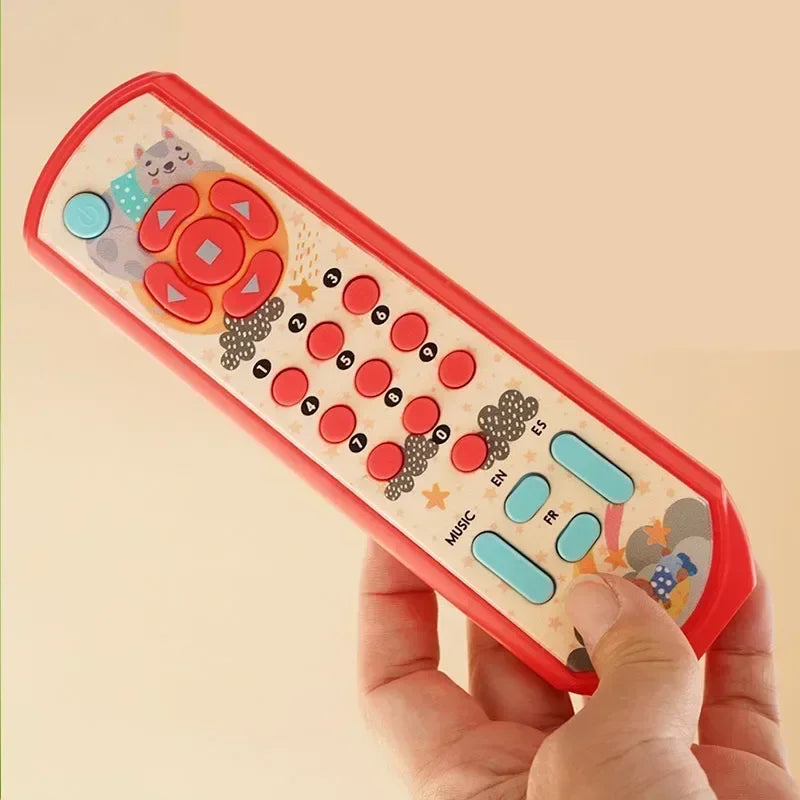
Safe infant toys designed for curiosity See it in action
How to Choose Safe Interactive Baby Toys
Choosing safe interactive baby toys requires balancing entertainment, developmental value, and safety. The best choices encourage active exploration without unnecessary complexity.
Safety certifications
- Choose toys made from baby-safe, non-toxic materials.
- Check that parts are securely attached and cannot become choking hazards.
- Select designs with rounded edges and durable construction.
Age recommendations
Always follow manufacturer age guidance. Toys designed for older children may contain features or parts that are unsuitable for infants.
Avoiding overstimulation
More sounds and lights do not always mean better learning. Babies often benefit from simple interactive features that allow them to focus, repeat actions, and explore at their own pace.
Screen-free considerations
Hands-on interactive toys encourage physical exploration and caregiver interaction without relying on screens. Toys that promote touching, moving, and imagining can support healthy play habits.
Parents often combine interactive toys with comfort-focused items from Sleep & Comfort to create balanced play and rest routines.
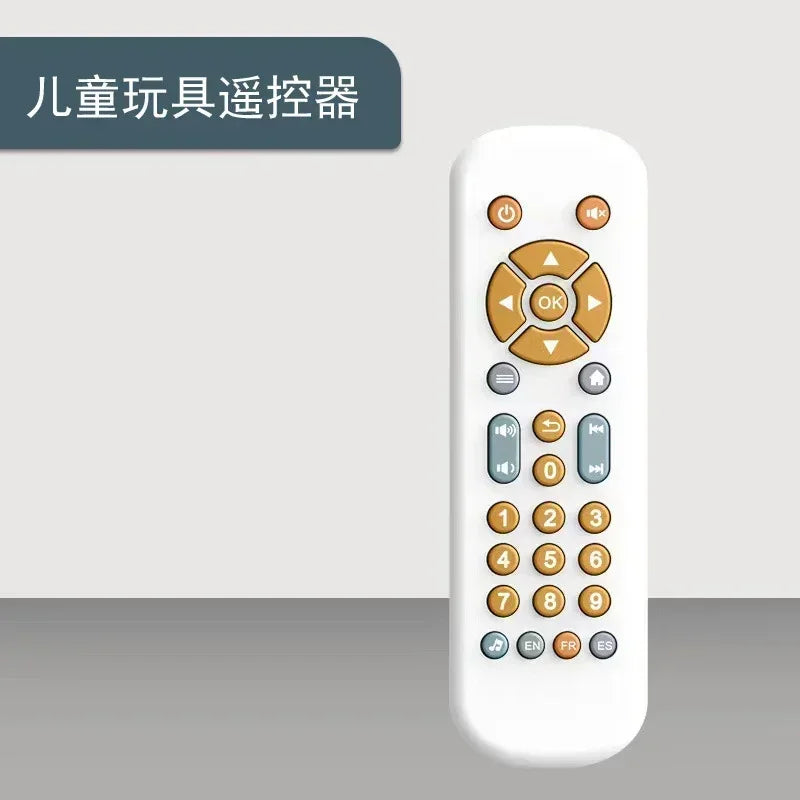
Interactive toys for 6 month old babies that encourage pretend play See it in action
Frequently Asked Questions
What are interactive baby toys?
Interactive baby toys are toys that respond to a baby's actions through sounds, textures, movement, lights, or other feedback. They encourage exploration and help babies learn cause and effect.
What are interactive toys?
Interactive toys are designed to create engagement by allowing users to influence what happens next. For babies, this usually means touching, pressing, shaking, or moving the toy to receive a response.
What is the difference between interactive and passive toys?
Interactive toys respond to a baby's actions, while passive toys mainly provide objects for observation, holding, or imaginative exploration without direct feedback.
Can a 6 month old play with interactive toys?
Yes. Interactive toys for 6 month old babies can support grasping, sensory exploration, and cause-and-effect learning when they are designed for infant use and supervised appropriately.
How do interactive toys benefit a baby's early learning?
Interactive toys help baby development by encouraging problem solving, sensory discovery, motor skills, communication, and caregiver interaction through playful experiences.
Are interactive baby toys safe for everyday use?
When made for infants and used correctly, interactive baby toys can be safe for daily play. Parents should check materials, age recommendations, and small parts before use.
What are the best interactive toys for infants?
The best interactive toys for infants are simple, durable, age-appropriate designs such as sensory toys, cause-and-effect toys, musical toys, and activity toys that encourage hands-on exploration.
Can babies have too many interactive toys?
Yes. Too many toys at once can overwhelm some babies. Rotating a small selection of interactive toys helps keep play interesting while allowing babies to focus.
Related Guide: Infant Interactive Toys: Best Options Compared for Safe Play





