

Interactive Toddler Remote Toy: How to Teach Cause and Effect
Do fine motor skill development toys really work?
Fine motor skill development toys help children strengthen hand control, coordination, and focus through repeatable play actions. When designed correctly, fine motor skill development toys guide small muscles to practice grasping, pressing, stacking, and turning—skills that directly support early independence, problem-solving, and confidence during everyday routines.
Fine Motor Skill Development Toys That Deliver Real Results
⏱ 8 min read
Fine motor skill development toys do more than keep little hands busy—they actively strengthen coordination, focus, and confidence during everyday play. From fine motor skills toys for infants that encourage grasping to clear fine motor development examples like stacking, sorting, and pressing, the right early learning toy can support visible progress parents can actually notice at home.
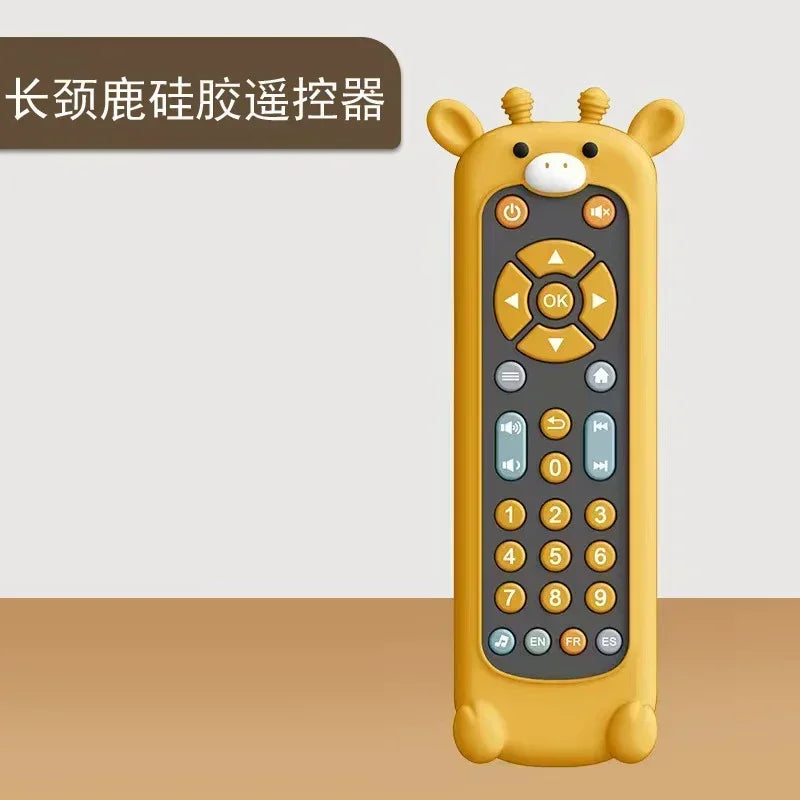
Fine motor skill development toys that build hand control early 💡 See it in action
Why Fine Motor Skills Matter More Than Parents Think
Fine motor skills affect nearly every daily task a child learns—from holding a spoon to turning pages and pressing buttons. These small movements rely on muscle strength, timing, and hand-eye coordination working together. When these skills develop smoothly, children feel capable. When they lag, frustration often follows.
Parents often focus on big milestones like crawling or walking, but fine motor control quietly shapes independence. Buttons, zippers, crayons, and simple toys all demand precision. Without practice, children may avoid activities that feel difficult, slowing learning momentum.
That’s where fine motor skill development toys shine. They create low-pressure repetition through play, allowing children to practice movements without realizing they’re learning.
What Makes Fine Motor Skill Development Toys Effective?
Fine motor skill development toys work best when they guide specific movements repeatedly while keeping play engaging. The most effective designs don’t overwhelm children—they invite exploration, reward cause-and-effect actions, and grow with a child’s ability.
Strong designs typically include:
- Buttons, dials, or switches sized for small hands
- Clear feedback like lights, sounds, or movement
- Textures that encourage gripping and pressing
- Simple challenges that build confidence step by step
Unlike passive toys, these tools require active participation. Each press, turn, or grasp reinforces muscle memory and control.
Why Interactive Play Builds Skills Faster
Interactive play strengthens neural pathways by linking movement to outcomes. When a child presses a button and sees a response, the brain connects action and result. Over time, movements become smoother, quicker, and more intentional.
This is why many parents exploring Baby Growth & Learning collections prioritize toys that respond clearly to touch. Engagement keeps practice consistent.
Fine Motor Skills Toys for Infants: Where Progress Begins
Fine motor skills toys for infants focus on foundational movements—grasping, squeezing, and pushing. At this stage, toys should be lightweight, easy to activate, and safe for exploration.
How early learning toys support infants
Fine motor skill development toys introduce simple actions that strengthen tiny muscles without strain. Repeated exposure helps infants understand their hands can influence the world around them.
Effective infant toys often include:
- Large buttons that require gentle pressure
- High-contrast visuals to guide attention
- Soft textures that encourage holding
- Cause-and-effect responses that feel rewarding
Parents browsing Sensory Toys often notice infants returning to interactive toys more frequently than static ones, a sign of growing confidence and curiosity.
Real Fine Motor Development Examples in Daily Play
Fine motor development examples appear in everyday moments. Stacking blocks, turning pages, pressing toy buttons, or fitting shapes all require precision. Over time, children move from awkward attempts to controlled movements.
Common progress parents report includes:
- Stronger grip when holding toys or utensils
- Improved accuracy when pressing buttons
- Longer focus during seated play
- Less frustration with small tasks
These improvements often show up first during play, then carry into feeding, dressing, and drawing.
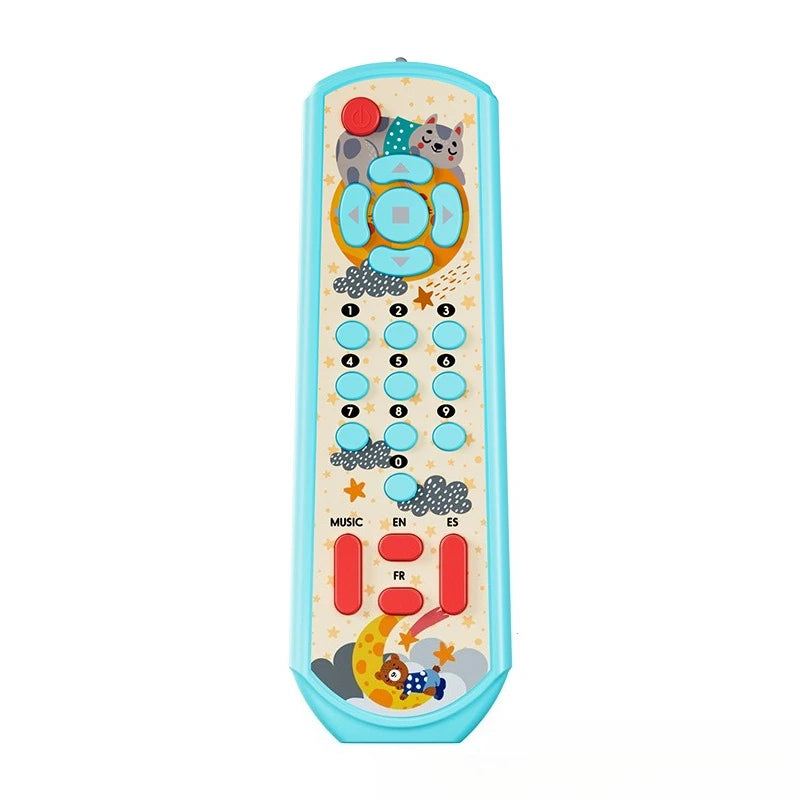
Fine motor development examples through interactive play 💡 See it in action
Which Toys Deliver Better Results?
| Toy Type | Skill Focus | Engagement Level |
|---|---|---|
| Stacking toys | Grip & alignment | Moderate |
| Shape sorters | Precision & problem-solving | High |
| Interactive button toys | Finger strength & coordination | Very high |
Interactive button-based toys often deliver faster visible improvements because they encourage repetition without boredom. Children return to them naturally, increasing practice time.
Families exploring Mobility & Training options often combine movement-based toys with fine motor tools to support whole-body coordination.
How to Choose the Right Early Learning Toy
- Match the toy to your child’s current ability—not future skills
- Look for clear cause-and-effect feedback
- Choose durable designs that handle repeated use
- Prioritize toys that invite independent exploration
An effective early learning toy doesn’t need to be complex. Simplicity encourages mastery, and mastery builds confidence.
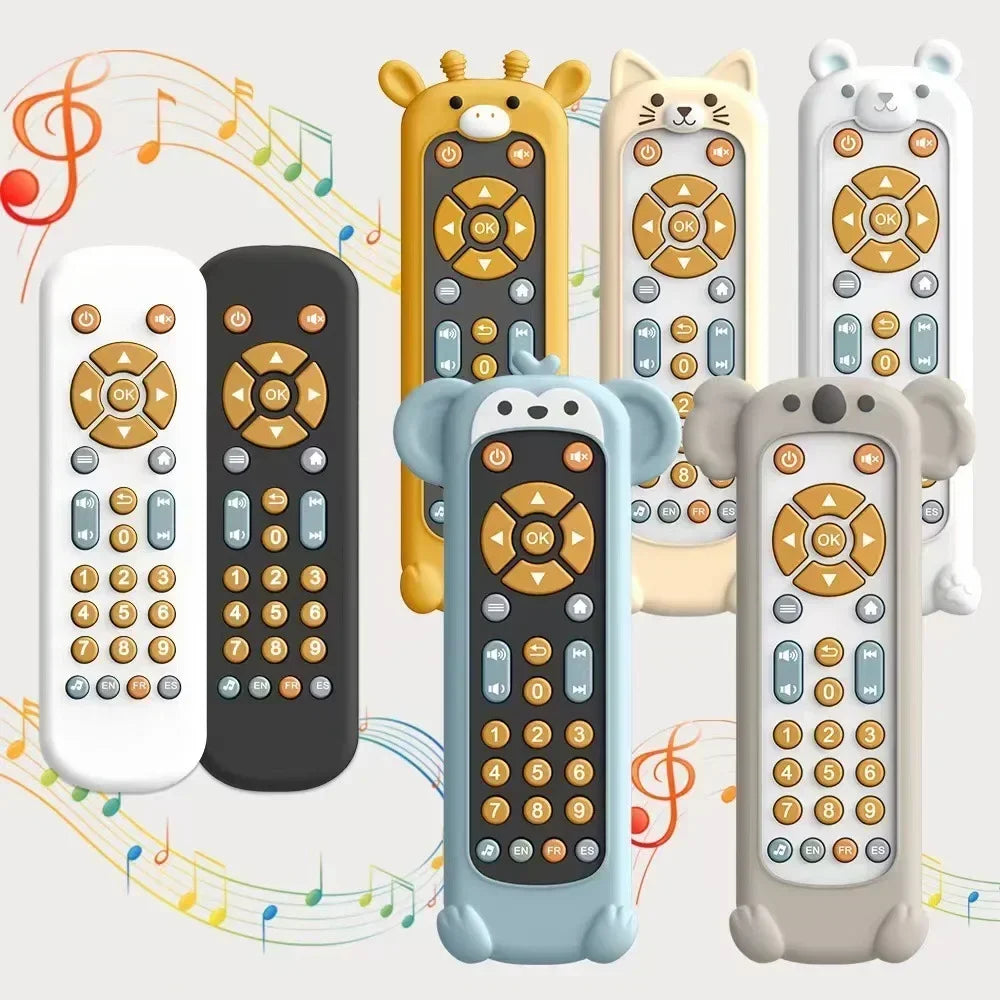
Early learning toy designed for real fine motor skill development 💡 See it in action
Frequently Asked Questions
At what age should children start using fine motor skill development toys?
Many children begin benefiting from fine motor skill development toys as early as 6 months, when grasping and pressing emerge. The key is choosing toys designed for their current strength and coordination level.
How often should children play with fine motor skills toys?
Short, frequent play sessions work best. Even 10–15 minutes a day can support steady improvement when toys encourage repeated hand movements.
Can one early learning toy support multiple skills?
Yes. Well-designed early learning toys often strengthen fine motor control, attention span, and cause-and-effect understanding at the same time.
Related Guide: Keeping Baby Entertained Safely: A Simple Daily Play Guide





