

Keeping Baby Safe Crawling: 7 Hidden Danger Zones
How can parents keep baby safe crawling at home?
Keeping baby safe crawling starts with removing common floor-level hazards, securing furniture, and creating soft, enclosed play zones. By identifying unsafe areas for crawling babies and using flexible play area ideas, parents can reduce injuries while allowing healthy movement and exploration throughout everyday rooms.
Keeping Baby Safe Crawling Through Everyday Rooms
⏱ 7 min read
Keeping baby safe crawling is one of the biggest worries parents face once their little one starts moving. One day they’re staying put, the next they’re on a mission—under tables, toward cords, and straight into rooms that suddenly feel full of danger. Wondering how to protect your baby without stopping their curiosity?
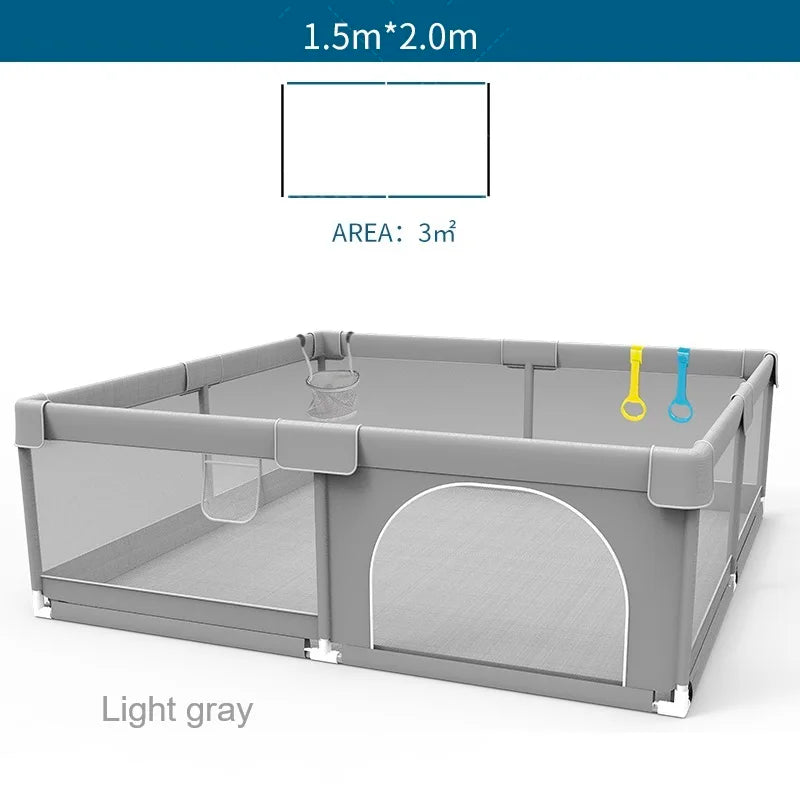
Keeping baby safe crawling with smart room layout choices 💡 See it in action
Why Crawling Safety Matters More Than You Think
Keeping baby safe crawling isn’t just about avoiding bumps—it’s about building confidence. Babies learn through movement. When spaces feel secure, they explore more freely, strengthen muscles, and develop coordination without constant “no, stop!” moments.
- Reduces falls and minor injuries
- Encourages independent movement
- Supports healthy physical development
- Gives parents peace of mind
What Are the Most Unsafe Areas for Crawling Babies?
Keeping baby safe crawling begins with spotting risk zones at floor level. Many dangers adults overlook are exactly what attracts babies.
- Loose cords and power strips
- Unstable furniture or shelving
- Sharp table edges
- Open doorways and stairs
Rooms like living areas, kitchens, and bathrooms often contain the highest concentration of hazards.
How to Make the Living Room Crawl-Friendly
Keeping baby safe crawling in shared spaces means balancing safety with daily family life.
Start by anchoring heavy furniture, padding sharp corners, and clearing small objects from the floor. Soft floor mats help cushion falls while defining a safe boundary.
- Secure TV stands and bookcases
- Cover outlets and manage cords
- Use soft barriers to block unsafe zones
- Keep remote controls and décor off the floor
For structured play, many parents rely on enclosed setups combined with items from Baby Care Essentials to maintain comfort and safety.
Kitchen and Bathroom: High-Risk Rooms Explained
Kitchens and bathrooms are full of unsafe areas for crawling babies. Slippery floors, cleaning products, and hard surfaces increase risk quickly.
- Install cabinet locks
- Keep doors closed or gated
- Store chemicals up high
- Use non-slip mats
Monitoring movement in these areas is easier with help from Monitoring Devices that alert you when baby moves out of a safe zone.
Play Area Ideas That Adapt as Baby Grows
Keeping baby safe crawling doesn’t mean confining them forever. The best play area ideas grow with your child.
Flexible setups allow crawling, sitting, and early standing without constant rearranging.
- Soft play mats with visual contrast
- Modular barriers that open and close
- Age-appropriate sensory toys
- Clear sightlines for supervision
Many families combine a central play space with developmental items from Baby Growth & Learning to keep babies engaged longer.
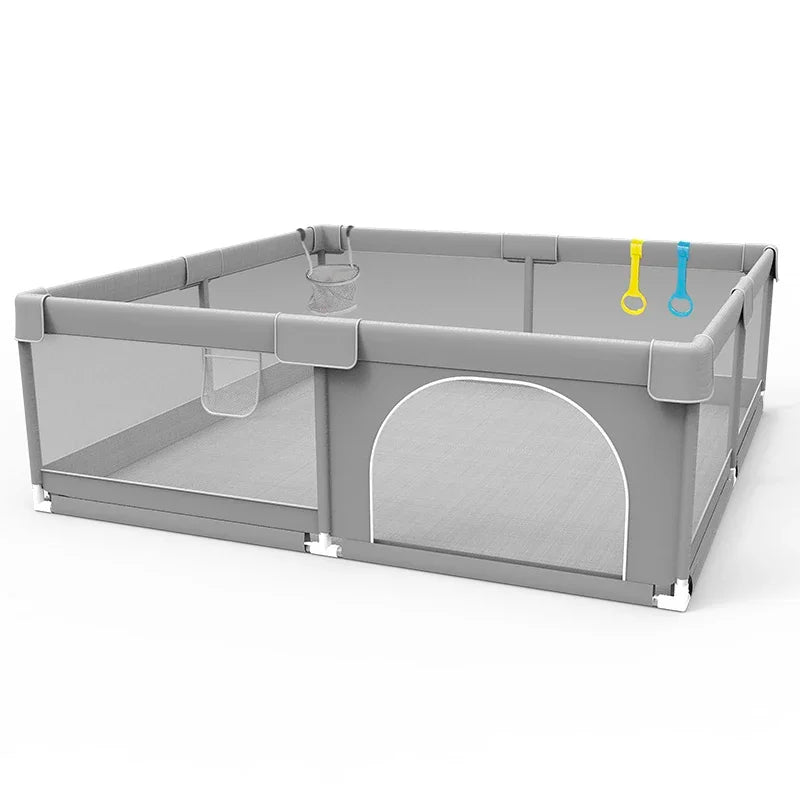
Play area ideas that reduce unsafe areas for crawling babies 💡 See it in action
Helpful Tools That Make Safety Easier
When a month old needs constant attention, tools that simplify supervision make a real difference. Simple setups can reduce daily stress.
- Soft enclosures like playpens
- Temperature and environment monitors
- Rounded-edge furniture covers
- Quiet sensory distractions
Parents often pair enclosed play solutions with calming options from Sleep & Comfort to support smoother routines.
Real Parent Experiences: Before and After
“Once we defined a crawl-safe zone, our baby explored more confidently—and we worried less,” shares a first-time parent.
Another parent noted fewer falls and longer independent playtime after reorganizing furniture and blocking unsafe areas for crawling babies.
Many families say the biggest change wasn’t the room—it was their peace of mind.
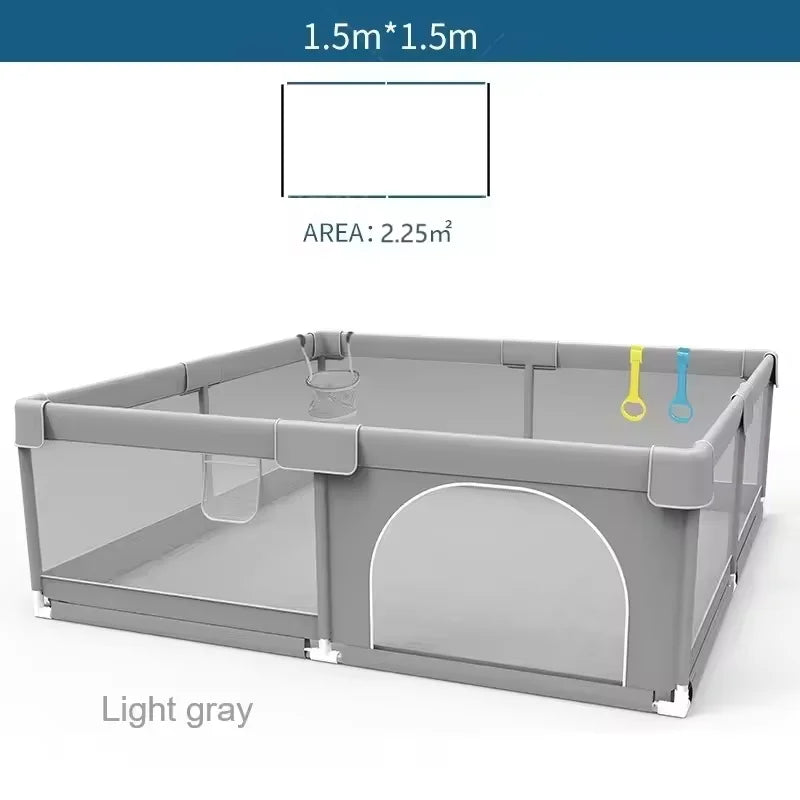
Keeping baby safe crawling while encouraging exploration 💡 See it in action
Mini FAQ: Keeping Baby Safe Crawling
Do crawling babies really need a dedicated play area?
Yes. A defined space reduces unsafe areas for crawling babies and allows consistent supervision while encouraging movement.
When should parents start baby-proofing for crawling?
Ideally before crawling begins. Babies often move suddenly, and preparation prevents rushed fixes.
How much supervision does a crawling baby need?
A month old needs constant attention. Even with safety measures, active supervision is essential.
Can play areas limit development?
No—well-designed play area ideas support exploration while keeping risks low.
Related Guide: How to Create Safe Play Area for Babies at Home





