

Kids Struggle Learning Numbers Try These Hands On Methods
Why do kids struggle learning numbers?
Kids struggle learning numbers when abstract symbols are introduced before real understanding develops. Without hands on learning for preschoolers, numbers feel meaningless and frustrating. Using early math practice with physical objects helps children connect quantity, counting, and patterns naturally, making number sense easier and more enjoyable.
Kids Struggle Learning Numbers? Try These Hands On Methods
⏱ 6 min read
Kids struggle learning numbers more often than parents realize—and it’s rarely about intelligence or effort. Many children feel overwhelmed when numbers live only on worksheets or screens. What if learning numbers could feel as natural as playtime? The methods below show how hands on learning for preschoolers can transform confusion into confidence.
Which simple change makes the biggest difference when kids struggle learning numbers? Read on to see how small, playful shifts can unlock understanding.
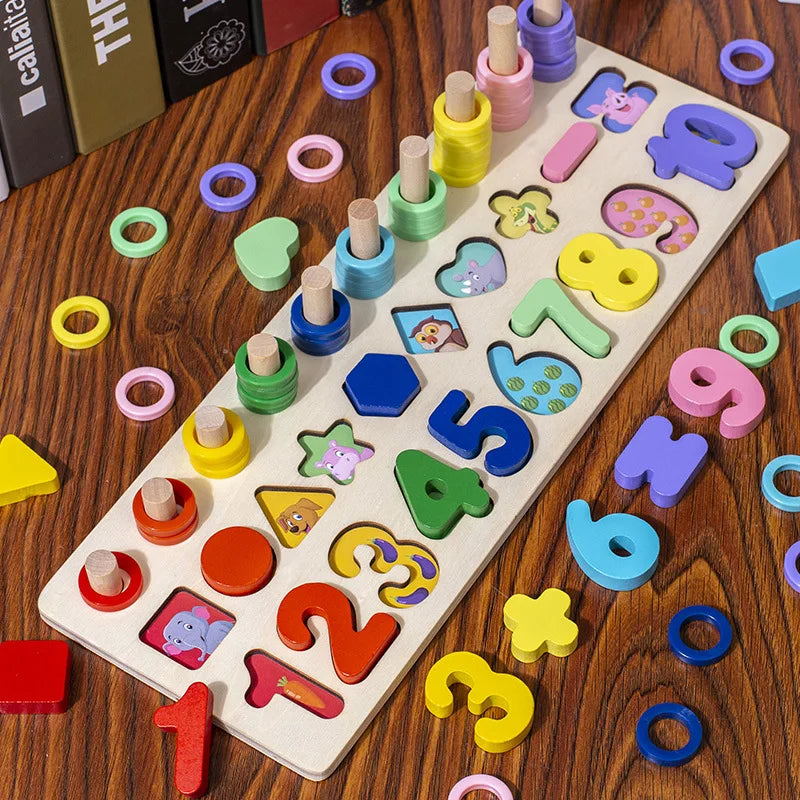
Hands on learning for preschoolers builds confidence with early math practice 💡 See it in action
Why Kids Struggle Learning Numbers
Kids struggle learning numbers because numbers are abstract. A child can recite “one, two, three” without understanding what three actually means. When learning skips physical experience, frustration builds quickly.
Common signs include:
- Counting out of order or skipping numbers
- Knowing number names but not quantities
- Meltdowns during worksheets or drills
- Short attention spans during math time
These challenges don’t mean a child is “bad at math.” They signal a need for hands on math curriculum experiences that match how young brains learn—through movement, touch, and repetition.
How Hands On Learning Builds Real Number Sense
Kids struggle learning numbers less when they can touch, move, and see quantities. Hands on learning for preschoolers turns numbers into real experiences instead of symbols on a page.
When children physically group, stack, or sort objects, they begin to understand:
- Quantity: how many is “three”?
- Comparison: which pile is bigger?
- Patterns: what comes next?
- Cause and effect: add one, get more
Parents exploring Baby Growth & Learning resources often notice faster progress when math is playful instead of pressured.
Simple Everyday Activities That Teach Numbers
Early math practice doesn’t require special lessons. Daily routines are full of number opportunities.
Counting During Daily Tasks
Count snacks, steps, or toys together. Say the numbers slowly while touching each item. This builds one-to-one correspondence, a core math skill.
Sorting and Matching Games
Ask your child to sort blocks by color or size. Then count each group. Sorting strengthens logic and prepares kids for addition and subtraction.
Movement-Based Math
Jump three times, clap five times, or roll a ball twice. Movement locks numbers into memory and helps active children stay engaged.
Many parents pair these ideas with Sensory Toys to keep learning tactile and exciting.
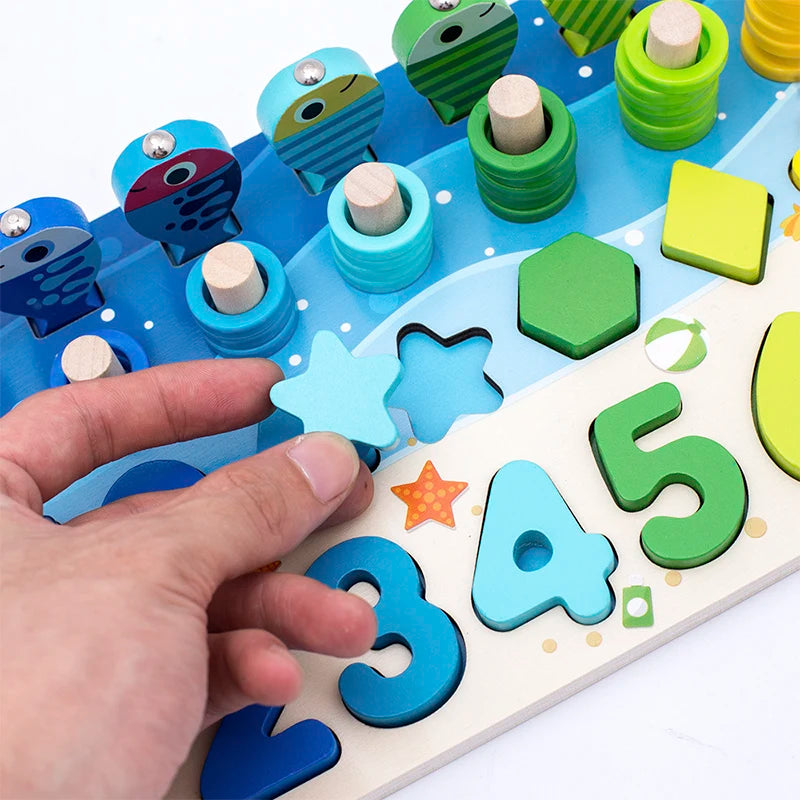
Early math practice works best when kids can touch and move numbers 💡 See it in action
Step-by-Step Hands On Math Routine at Home
Kids struggle learning numbers less with consistency. This simple routine fits into busy family life.
- Start small: Focus on numbers 1–5 until they feel easy.
- Use real objects: Buttons, blocks, or wooden numbers work well.
- Talk it out: Say numbers aloud while touching each item.
- Repeat daily: Short sessions build confidence faster than long lessons.
This approach mirrors a hands on math curriculum without pressure or overwhelm.
Tools That Make Early Math Practice Easier
While household items work, some tools are designed specifically to support number sense development.
A Montessori-style option like this wooden math toy allows children to physically build numbers, compare quantities, and self-correct mistakes.
| Hands On Tools | Benefits |
|---|---|
| Wooden number sets | Concrete understanding of quantity |
| Counting rods | Visual comparison and sequencing |
| Stacking pieces | Improves fine motor and focus |
Parents browsing Baby Growth & Learning often prefer tools that grow with the child and encourage independent exploration.
Common Mistakes to Avoid
Even well-meaning parents can slow progress when kids struggle learning numbers.
- Pushing worksheets too early
- Correcting mistakes harshly
- Comparing siblings or classmates
- Expecting fast results
Learning numbers is a process. Patience and playful repetition matter more than speed.
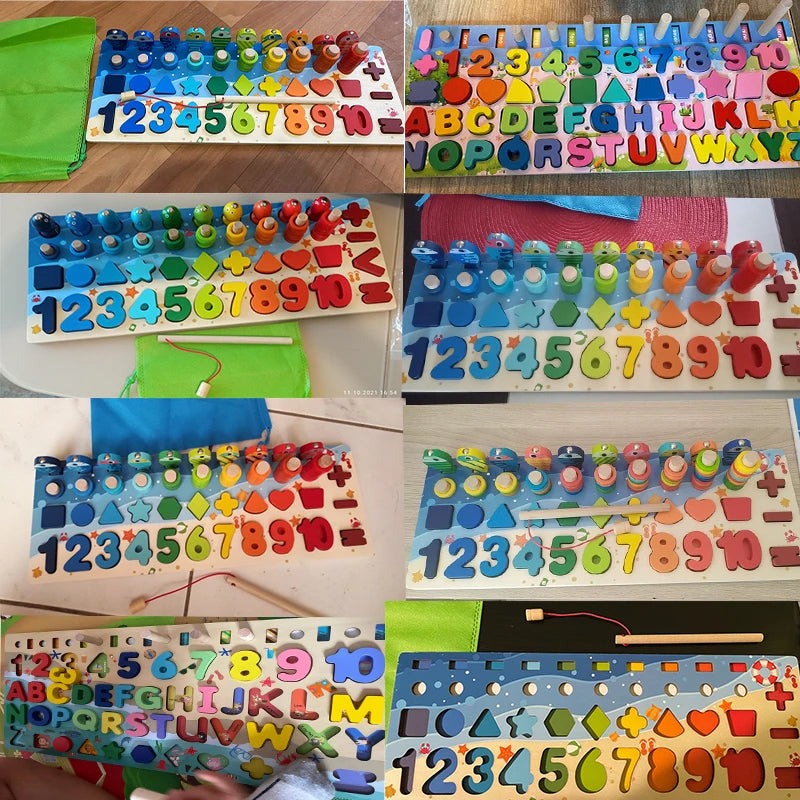
Hands on math curriculum tools support calm, confident learning 💡 See it in action
Mini FAQ
Is it normal when kids struggle learning numbers?
Yes. Many preschoolers need concrete experiences before numbers make sense. Hands on learning for preschoolers supports natural development.
How much early math practice is enough?
Five to ten minutes a day is plenty when activities are interactive and stress-free.
When should I introduce number toys?
As soon as your child shows interest in counting or sorting. Choose tools that allow open-ended play.
Related Guide: How to Teach Numbers Preschool With Simple Daily Steps





